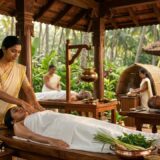
Pad Abhyanga: Ayurvedic Kasa Bowl Foot Massage & Its Benefits

Across spiritual traditions, the feet are seen as more than just a foundation for the body — they’re believed to connect directly to the soul. From kissing or washing the feet of gurus to worshiping Vishnu’s footprints in temples, feet have long symbolized reverence and healing. In ancient Egypt, even undertakers removed the soles during mummification to help release the soul.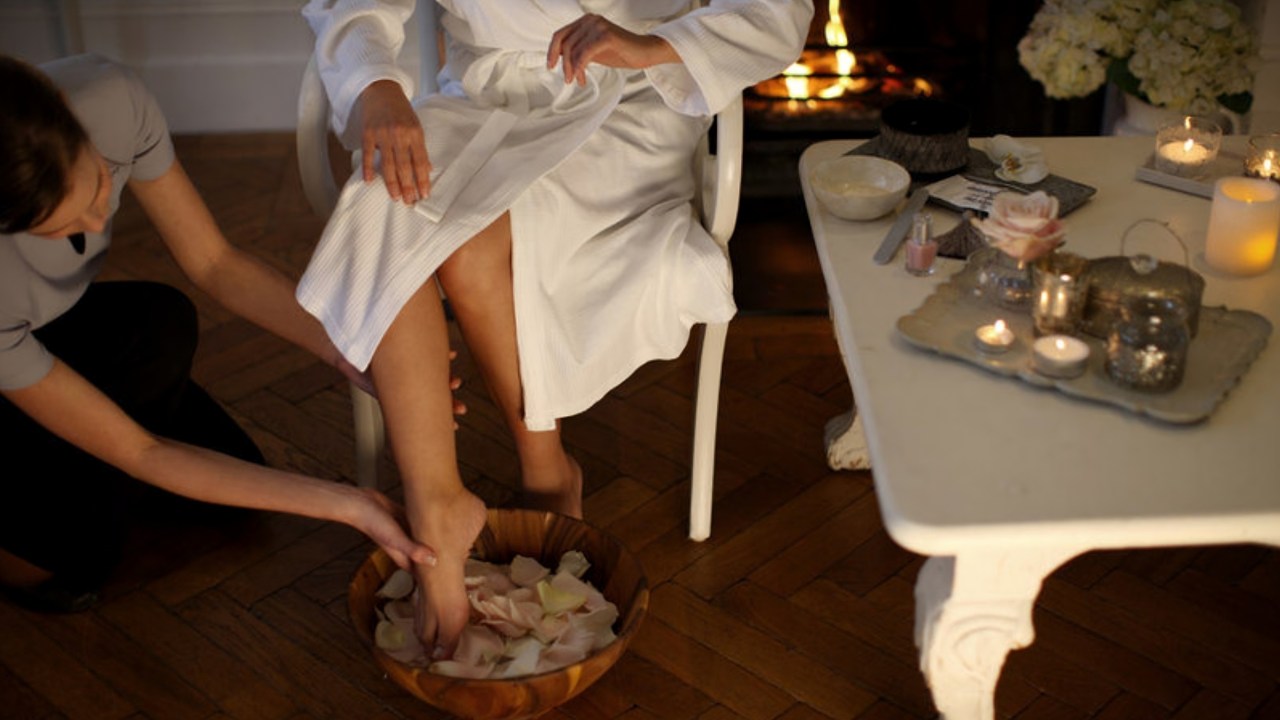 Today, science supports this ancient wisdom. Many health conditions — like diabetes, arthritis, and nerve disorders — often show early signs in the feet. This is where Pad Abhyanga, an Ayurvedic foot massage, comes into play.
Pad Abhyanga not only relaxes the body but stimulates energy flow, supports circulation, and calms the nervous system. When performed with a Kasa bowl, it becomes a powerful therapeutic ritual. In this blog, we’ll explore how this ancient practice blends spirituality and science to support total well-being.
What is Padabhyanga?
The word Padabhyanga comes from the Sanskrit words “Pada” meaning foot, and “Abhyanga” meaning massage. It is a calming and soothing massage therapy that, when done properly, can revitalize and rejuvenate the entire body.
Ayurveda recommends Padabhyanga as a daily ritual, ideally performed before bedtime. According to Ayurvedic teachings, the body has about 107 vital energy points called marmas, with five of these located in the feet. Over time, these marma points can become clogged with negative energy.
Daily practice of Padabhyanga helps release these blockages, promoting the smooth flow of energy, improving overall health, and calming the mind. This gentle foot massage not only nurtures physical wellness but also supports emotional balance and deep relaxation.
Ayurvedic view on Padabhyanga
Ayurveda highlights the vital role of foot massage in strengthening nerves and restoring vitality. One of its oldest therapies, Padabhyanga, dates back over 5,000 years.
This traditional foot massage offers numerous health benefits, including improved blood and lymphatic circulation, nourished skin, and a calm, restful mind. By relaxing the muscles of the feet and legs, Padabhyanga helps relieve stress and related conditions like anxiety, depression, and nervousness.
Additionally, this therapy is known to balance the body’s doshas, making it an effective natural remedy for chronic fatigue, frequent cramps, and various sleep disorders, including insomnia. Padabhyanga continues to be a cherished Ayurvedic practice for holistic well-being.
How Does Foot Massage Work in Ayurveda?
In Ayurveda, the human body is compared to an inverted tree with three main parts:
- Roots: The head
- Trunk: The body
- Branches: The upper and lower limbs (arms and legs)
Just as a tree is nourished through its roots and bears fruit on its branches, the body relies on the head (roots) to function properly for coordinated activities like walking and holding. Taking good care of the “roots” ensures healthy “branches” and smooth body movements.
Ayurveda also teaches that a diseased branch signals an unhealthy root. Similarly, health issues in the body often trace back to the brain, the governing center. Neglecting foot health can negatively impact overall well-being since feet are closely linked to the body’s vitality.
Over time, many therapies have developed for foot care, but Padabhyanga remains the foundational Ayurvedic treatment, often called the mother of all therapies.
Types of Padabhyanga Massage
Padabhyanga foot massage is traditionally divided into three main types:
1. Padabhyanga with Hands
This massage involves rubbing and stroking the feet using the hands. The friction generated warms the feet and improves cardiovascular circulation.
These movements also stimulate the flow of energy throughout the body. Typically, sesame oil is used, sometimes infused with herbs for enhanced healing.
For specific ailments, herbal oils mixed with clarified butter (ghee) may be applied.
2. Padabhyanga with Kasa Bowl
In this technique, warm, oil-coated Kasa bowls—metal bowls usually made of copper and tin—are used to massage the feet.
The rounded bottom of the bowl is moved in circular motions and strokes to improve blood circulation, detoxify the body, and invigorate nerve endings by releasing negative energy.
3. Padabhyanga Marma Therapy
This therapy focuses on stimulating marma points, which are vital energy or pressure points similar to those used in acupuncture.
Careful massage and activation of these points help remove toxins and clear blocked energy pathways. A full Marma Therapy session can last 30 minutes or longer.
Top 10 Benefits of Pad Abhyanga Massage
1. Enhances Agni and Circulation
In Ayurveda, a balanced Agni (digestive/metabolic fire) is essential for health. Pad Abhyanga improves blood and lymphatic circulation, which nourishes tissues and supports the body’s natural detox pathways, keeping the doshas balanced.
2. Pacifies Vata and Calms the Mind
Since feet are rich in nerve endings and marma points, gentle massage pacifies Vata dosha, which governs movement and the nervous system. This calms restlessness, anxiety, and nervousness, promoting mental peace.
3. Balances the Tridoshas Through Marma Stimulation
Pad Abhyanga activates the five key marma points in the feet, harmonizing Vata, Pitta, and Kapha doshas. This restores energetic flow (prana) and strengthens the body’s natural healing ability.
4. Relieves Stiffness and Muscle Cramps
Vata imbalance often manifests as muscle cramps and joint stiffness. Regular foot massage soothes these symptoms by relaxing muscles and improving circulation, especially in those with chronic fatigue or arthritis.
5. Aids Detoxification by Stimulating Srotas
Ayurveda describes srotas as channels of bodily tissues and fluids. Pad Abhyanga opens these channels in the feet, enhancing toxin removal and improving lymphatic drainage, which supports immune function.
6. Promotes Sound Sleep by Balancing Vata and Pitta
Foot massage before bedtime pacifies Vata and Pitta, calming the mind and nervous system. This supports natural circadian rhythms, promoting deep, restful sleep and alleviating insomnia.
7. Nourishes and Softens the Twak (Skin)
Sesame or coconut oils used in Pad Abhyanga deeply penetrate and nourish the skin (twak), preventing dryness and cracking caused by aggravated Vata, and maintaining skin elasticity and health.
8. Strengthens Ojas (Vitality and Immunity)
Stimulating the marma points enhances the flow of Ojas—the subtle essence of immunity and vitality—boosting the body’s resilience against diseases and increasing overall stamina.
9. Stimulates the Nervous System and Marma Points
Feet are home to vital marma points linked to the nervous system. Massaging these areas improves nerve function and energy flow, which can relieve neuropathies and maintain nervous system balance.
10. Rejuvenates the Body-Mind-Spirit Connection
Pad Abhyanga is a holistic therapy that integrates the physical body with pranic energy and mental clarity. It rejuvenates the whole being, aligning the doshas and restoring harmony in body, mind, and spirit.
How To Do a Foot Massage At Home?
Things Required for Foot Massage
- A small tub with warm water
- Fresh ginger or ginger juice
- Sea salt
- A towel to dry your feet
- Massage oil (choose from below)
Note: You can use any of the following oils:
- Coconut oil
- Sesame oil
- Mustard oil
Important: Coconut and sesame oils are suitable for all seasons. Mustard oil generates heat and is not recommended during the summer months.
Step 1: Proper Foot Soak and Relaxation
- Fill a vessel or tub with warm water.
- Add freshly crushed ginger or squeeze ginger juice into the water.
- Stir in one teaspoon of sea salt.
- Soak your feet in the tub.
- Sit back comfortably in a chair with a pillow to support your head.
- Close your eyes and relax, enjoying the warm, soothing soak.
Note: For a spa-like atmosphere, add a few rose petals to the water for a pleasant aroma.
Step 2: Proper Foot Drying and Application of Oil
- After soaking for 20 to 30 minutes, remove your feet from the water.
- Pat your feet dry gently with a towel.
- Take some massage oil in your hands.
- Apply the oil generously all over your feet.
- Start with your right foot—massage it fully before moving to the left foot.
Note: Make sure there is enough oil on your feet to minimize friction during the massage.
Step 3: How to Start Massaging Your Feet
- Begin around your ankles, starting from the base of your calf.
- Use your fingers and thumb to apply smooth, downward pressure from the calf to the heel. Use a comfortable amount of pressure.
- Massage just below your ankle, moving your fingers from the inner foot toward the outer foot.
- Move to the toes, massaging between each toe with your index finger and thumb. Gently press and pull each space.
- Wrap your finger around the base of each toe and gently pull from the tip to loosen the muscles. Repeat for all five toes.
- Slide your thumb along the tendons on top of your foot, pressing gently from the base of your toes up to the ankle.
- Bend your leg and place your foot on the opposite thigh, sole facing up.
- Hold your foot with both hands, place your thumbs just below the ball of your foot, and apply pressure moving your thumbs outward in opposite directions.
- Massage the arch of your foot by pressing down into the center with your thumbs several times.
- Use the base of your palm to massage your heel in circular motions.
- Intertwine your fingers between your toes, gently rotate your foot clockwise, then anticlockwise to loosen muscles.
- Hold your big toe between your palms and twist it gently in both directions.
- Massage the base of your foot in a figure-eight pattern using your palm.
- Lightly tap the soles of your feet to stimulate circulation and help release excess Vayu (air element).
- Repeat this entire process on your left foot.
Step 4: Final Step – Cleaning Your Feet
- Rinse your feet with warm water to remove any excess oil.
- Avoid using soap or creams during this rinse.
- Dry your feet gently.
- Put on a pair of soft cotton socks.
- Now you’re ready for a restful night’s sleep with sweet dreams!
Precautions
- Apply pressure that feels comfortable; stop immediately if you experience pain or discomfort.
- Avoid foot massage if your feet are swollen.
- You can perform this massage anytime, but doing it before bedtime is especially effective for relaxation and better sleep.
- If you have an injury to your ankle, toes, or any part of your foot, consult a qualified doctor before trying this massage.
Ayurveda is one of the most respected preventive and alternative healing systems of the modern era, with thousands of years of successful tradition. Foot massage, or reflexology, should be viewed as a complementary therapy—not a replacement for professional medical treatment for serious conditions.
References:
- A clinical study on combined effect of Padabhyanga and Pranayama in Nidranasha (Primary Insomnia) – Research Articl(1)
- A CLINICAL STUDY OF THE EFFECT OF TILA TAILA PADABHYANGA ON EYE STRAIN(2)
- Clinical Efficacy of Padabhyanga in Simple Myopia – A Pre-Test & Post-Test Study(3)