
Halasana (Plow Pose) Step-by-Step Guide and Benefits

Among the many yoga poses that make up the rich and varied landscape of asana practice, few are as instantly recognizable—and as often misunderstood—as Halasana, or Plow Pose. With the body folded over and the toes reaching toward the floor behind the head, it’s a shape that can look both graceful and intimidating.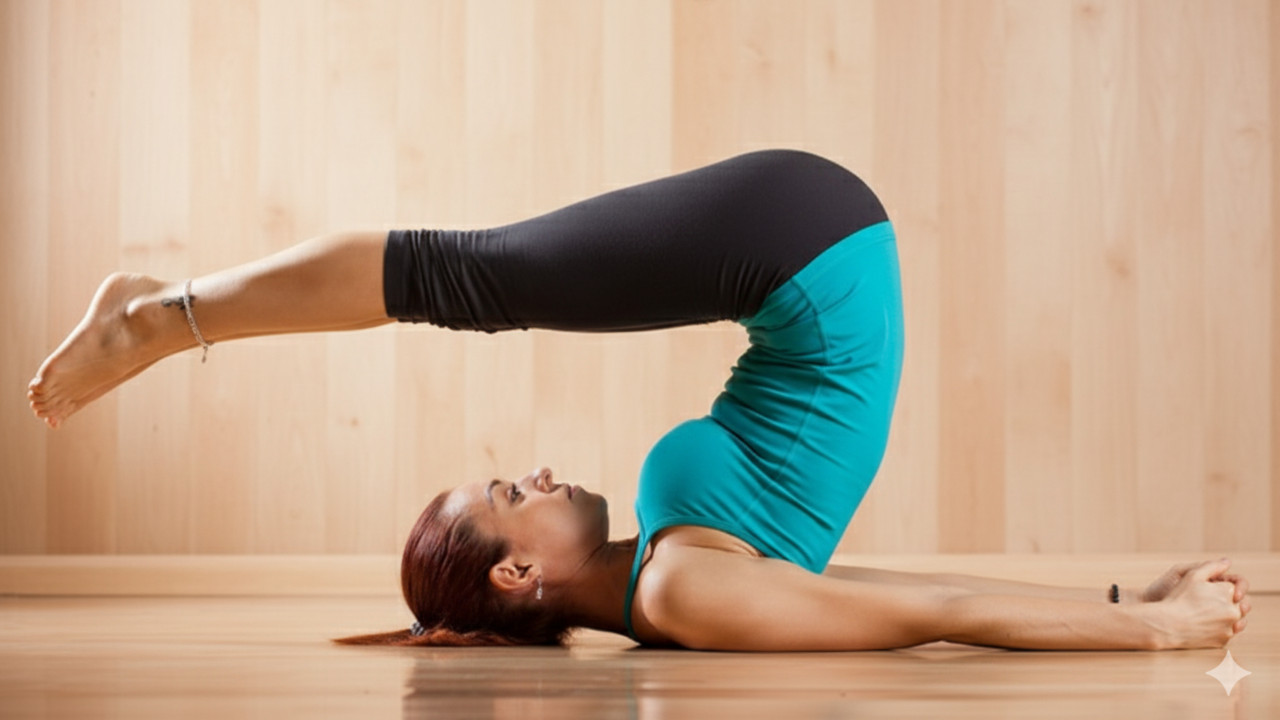 To someone new to yoga, it might seem more like a circus act than a tool for inner stillness. But for experienced practitioners, Halasana becomes something else entirely: a space of deep release, a gateway to restoration, and a powerful symbol of transformation.
Much like the plow that prepares the earth for planting, this pose helps us clear internal space—stretching, lengthening, and creating the conditions for growth. It invites the nervous system to slow down, the spine to decompress, and the mind to settle.
What is Halasana?
Halasana (Sanskrit: हलासन) is derived from two Sanskrit roots:
- Hala (हल): meaning “plow,” the fundamental farming tool used for centuries to break up the soil, turn the earth, and prepare it for sowing seeds. This action is not one of destruction, but of purposeful cultivation. It aerates the compacted ground, brings nutrients to the surface, and removes weeds, creating the optimal conditions for new life to emerge.
- Asana (आसन): meaning “pose,” “seat,” or “posture.”
The symbolism is potent and deeply intentional. When we practice Halasana, we are not merely performing a physical stretch. We are engaging in a process of internal cultivation. The pose works to:
- Break up stagnation: Physically, it loosens the tight, often “compacted” areas of the spine, shoulders, and hamstrings. Energetically, it is believed to stir up dormant energy (prana) and release emotional blockages held in the body.
- Prepare for new growth: By calming the nervous system and stimulating vital glands, Halasana creates the internal conditions necessary for healing, insight, and renewal. It turns the contents of our subconscious mind to the surface, much like a plow turns the soil, allowing us to examine and release what no longer serves us.
- A Symbol of Sustenance: In Indian culture, the plow is also a symbol of sustenance, livelihood, and humble, hard work. The pose reminds us that the work of self-cultivation is ongoing, diligent, and ultimately nourishing.
Traditionally, Halasana is often sequenced as a follow-up to Salamba Sarvangasana (Supported Shoulderstand), its “parent pose.” In the seminal text “Light on Yoga,” B.K.S. Iyengar notes that while Sarvangasana is the “queen” of asanas for its overall benefits, Halasana provides a more intense stretch to the spine and is particularly potent for calming the brain.
How a Halasana (Plow Pose) Works: A Systems Breakdown
Understanding the biomechanics of Halasana is crucial for practicing it safely and reaping its full benefits. It is a complex pose involving flexion, inversion, and isometric engagement.
1. Musculoskeletal Engagement:
Spine: The entire spine is in a state of flexion. The cervical spine (neck) bears significant weight and must be treated with utmost care. The thoracic (mid-back) and lumbar (lower back) vertebrae are elongated and decompressed, creating space between the discs.
- Stretches: Spinal erectors, trapezius, and the entire posterior chain.
- Strengthens: The deep core muscles, particularly the transversus abdominis and obliques, which must engage to support the lifted torso and legs.
2. Shoulders and Arms:
The shoulders are in a state of flexion and bear a portion of the body’s weight. The arms can either be active (hands supporting the back) or passive (flat on the floor), which changes the dynamic in the shoulder girdle.
- Stretches: Deltoids, rotator cuff muscles, latissimus dorsi.
- Strengthens: The serratus anterior and lower trapezius, which help stabilize the scapulae.
3. Lower Body:
The hamstrings and glutes are in a deep, intense stretch. The calves are also engaged. The quadriceps and hip flexors must activate to keep the legs straight and strong.
- Stretches: Hamstrings (semitendinosus, semimembranosus, biceps femoris), gluteus maximus, gastrocnemius, and soleus.
- Strengthens: Quadriceps, iliopsoas.
4. Physiological and Systemic Effects:
Nervous System: This is one of Halasana’s most celebrated effects. The pose stimulates the parasympathetic nervous system (the “rest-and-digest” response).
The gentle pressure on the carotid sinuses in the neck can help lower heart rate and blood pressure, inducing a state of deep calm. It is a powerful antidote to stress, anxiety, and mild depression.
Endocrine System: The compression of the throat in Halasana (a soft Jalandhara Bandha, or chin lock) provides a unique massage and stimulation to the thyroid and parathyroid glands.
These glands are metabolic master regulators, controlling everything from energy levels and body temperature to calcium metabolism and bone health. A balanced function of these glands is essential for overall vitality.
Digestive System: The inversion and compression of the abdomen create a gentle squeezing effect on the digestive organs—the liver, spleen, stomach, and intestines.
This can help stimulate peristalsis (the wave-like motions that move food), relieve constipation, and improve overall digestive efficiency. Upon releasing the pose, a fresh rush of blood oxygenates these organs.
Respiratory System: The compressed position challenges the diaphragm’s range of motion, encouraging a more conscious and complete breath. This can improve respiratory capacity and control over time.
10 Benefits of Halasana: Why Practice Halasana?
The combined anatomical and physiological actions of Halasana yield a remarkable array of benefits:
1. Enhances Spinal Flexibility and Health
Halasana promotes mobility throughout the entire spine, from the neck to the lower back. It helps counteract the compressive effects of prolonged sitting and can alleviate minor backaches by decompressing and stretching the vertebral column gently.
2. Deeply Stretches the Posterior Chain
This pose delivers a deep, therapeutic stretch to the entire back body—including hamstrings, calves, glutes, and spinal muscles—releasing long-held tension in areas that are commonly tight due to sedentary habits or physical strain.
3. Stimulates Abdominal Organs
The deep abdominal compression in Halasana massages internal organs such as the intestines, liver, and stomach. This can help improve digestion, stimulate elimination, and relieve symptoms like bloating and occasional constipation when practiced regularly.
4. Tones the Neck and Shoulder Muscles
As the body rests on the shoulders and neck, these areas are both strengthened and stretched. Over time, Halasana improves upper body awareness, builds endurance, and enhances flexibility in the often-overlooked cervical and shoulder regions.
5. Improves Circulation
By inverting the body, Halasana encourages blood flow from the lower extremities back to the heart. This boosts circulation, helps reduce swelling or fatigue in the legs, and supports cardiovascular health and lymphatic drainage.
6. Calms the Brain
The inward, folded nature of Halasana has a grounding effect on the nervous system. It helps reduce stress, mental fatigue, and nervous tension, making it a supportive pose for those dealing with insomnia or emotional overwhelm.
7. Balances the Energetic Body
In yogic philosophy, Halasana activates and balances the Vishuddha (Throat) Chakra—linked to truth and communication—and Swadhisthana (Sacral) Chakra, associated with creativity, emotions, and sensuality, supporting both self-expression and inner harmony.
8. Cultivates Introspection
The enclosed shape of Halasana naturally draws attention inward, away from external distractions. This facilitates Pratyahara, or withdrawal of the senses, creating ideal conditions for meditation, self-inquiry, and developing deeper inner awareness.
9. Supports Hormonal Regulation
By gently stimulating the thyroid and parathyroid glands through the throat compression, Halasana encourages balanced hormone production. This can positively affect metabolism, mood stability, energy levels, and overall endocrine health when practiced regularly and mindfully.
10. Enhances Lung Function and Breathing Awareness
With the chest gently compressed and the breath slowed, Halasana increases awareness of diaphragmatic breathing. This helps strengthen the lungs, improves breath control, and supports respiratory efficiency—beneficial for both physical health and meditative practices.
How to do Halasana step by step
Prerequisites: Warm up the body thoroughly before attempting Halasana. Focus on poses that open the hamstrings (e.g., Uttanasana – Standing Forward Bend), shoulders (e.g., Gomukhasana arms), and spine (e.g., Cat-Cow).
Classical Method:
1. Starting Position: Lie flat on your back (Supine) on a yoga mat. Arms rest by your sides, palms down. Legs are extended and engaged.
2. Engage the Core: Inhale deeply. On your next exhale, engage your abdominal muscles, press your palms and arms into the mat, and gently swing your legs up and over your head. Use your core, not momentum.
3. Support the Back: As your hips lift off the floor, bend your elbows and place your hands on your lower back for support, fingers pointing upward. Your torso should now be perpendicular to the floor. You are in a preliminary Shoulderstand.
4. Lower into Halasana: From here, on an exhale, slowly lower your toes toward the floor behind your head. Keep your legs straight and active. The goal is to touch your toes to the floor, but only go as far as your body allows without strain.
Find Alignment:
- Toes: Touch the floor if possible. If not, keep your legs parallel to the floor.
- Legs: Straight, knees lifting toward the ceiling, thighs engaged.
- Back: Supported by your hands. Alternatively, you can release your hands, interlace your fingers, and extend your arms straight along the floor.
- Chin: Gently tucked toward the chest to protect the neck.
- Breath: Breathe deeply and smoothly. Hold the pose for 5 to 20 breaths, or as long as is comfortable.
Exiting the Pose: This is critical. Do not jerk or roll out quickly. Bring your hands back to support your lower back. Engage your core. On an inhale, slowly roll your spine back down onto the mat, vertebra by vertebra, maintaining control throughout.
Essential Modifications and Prop Use:
- For Tight Hamstrings/Back: Bend your knees and rest them on your forehead or a bolster. This drastically reduces the strain.
- For Neck Sensitivity: Place a firmly folded blanket or two under your shoulders. Your head and neck should be off the blanket on the floor. This reduces the angle of flexion on the cervical spine.
- If Toes Don’t Reach: Use a chair or bolster placed behind your head. Rest your toes on it instead of forcing them to the floor.
- The Supported Variation: Practice with a teacher who can support your hips and guide you into the pose, allowing you to experience it without bearing the full weight.
Halasana (Plow Pose) – Research References
| No. | Study Title | Authors / Source | Main Findings | Link |
|---|---|---|---|---|
| 1 | Anatomical Exploration of Halasana | Lakhani RA, Sharma GB, JAIMS, 2023 | Examines Halasana’s impact on spine flexibility, nervous system stimulation, and musculoskeletal balance. | Read Article |
| 2 | Yoga for Chronic Low Back Pain | Cochrane Review, 2016 | Yoga improves function and reduces pain compared to usual care; minor adverse effects noted. | PMC Article |
| 3 | RCT: Yoga for MRI-confirmed Back Pain | Tekur et al., 2016 | 12-week yoga intervention reduced pain and improved flexibility, with no major changes in spinal MRI. | PubMed Link |
| 4 | Yoga as Alternative for Low Back Pain | Sharma M, Haider T, SAGE Open, 2013 | Majority of reviewed studies show yoga helps reduce back pain and support long-term relief. | SAGE Link |
| 5 | Safety of Yoga – Meta-analysis | Cramer et al., PLOS One, 2014 | Yoga is generally safe with low risk of serious adverse effects; supervision enhances safety. | PubMed Link |
Note: While Halasana is widely used in yoga therapy, most scientific studies evaluate yoga as a holistic program with multiple postures. Evidence for Halasana in isolation is still developing.
Contraindications and Safety
The profound benefits of Halasana are inaccessible to some and must be approached with caution by others. Ignoring these warnings can lead to serious injury, particularly to the neck.
Absolute Contraindications (Do Not Practice):
- Neck Injury: This includes diagnosed disc herniation, cervical spondylosis, whiplash, osteoporosis in the spine, or any recent neck surgery.
- High Blood Pressure: Uncontrolled hypertension. The inversion can increase pressure in the head and eyes.
- Glaucoma and Detached Retina: The increased intraocular pressure can exacerbate these conditions.
- Pregnancy: Avoid Halasana after the first trimester, as the compressed position is not advisable.
- Recent Stroke or Heart Conditions: Consult a doctor before attempting any inversion.
- Diarrhea or Menstruation: Many teachers advise avoiding inversions during these times, though this is a personal and debated topic. Listen to your body.
Cautions (Proceed with Extreme Care and Expert Guidance):
- Beginner Students: Never force yourself into the pose. Practice under the supervision of an experienced teacher.
- Asthma: If breathing becomes constricted in the pose, come out immediately.
- Listen to Pain: A deep stretch is normal; a sharp, shooting, or pinching pain, especially in the neck, is a signal to exit the pose gently and immediately.
What to Practice After Halasana: Poses and Sequencing
Exiting Halasana is not the end. To integrate its effects and rebalance the body, counter poses are non-negotiable.
Immediate Counter Poses:
- Matsyasana (Fish Pose): This is the primary counterpose. It provides a gentle backbend that reverses the flexion of the spine and releases the compression in the neck. Do it immediately after rolling down from Halasana.
- Apanasana (Knees-to-Chest Pose): Hug your knees into your chest and rock gently side to side. This soothes the lower back and sacrum.
- A Gentle Supine Twist: This releases any residual tension along the entire spine.
Sequencing Within a Practice:
Halasana is traditionally practiced toward the end of a session, as part of the closing sequence. A logical progression could be:
- Warm-up (Sun Salutations)
- Standing Poses (Warrior series, Trikonasana)
- Peak Pose (if any)
- Sarvangasana (Shoulderstand) – held for longer
- Halasana (Plow Pose) – held for a shorter duration
- Matsyasana (Fish Pose) – counter pose
- Savasana (Final Relaxation)
FAQ’s
1. What is Halasana (Plow Pose)?
A: Halasana, or Plow Pose, is a yoga posture where the legs are extended over the head while lying on the back, resembling the shape of a plow. It’s an inverted pose known for calming the mind and deeply stretching the spine.
2. How do I do Halasana safely?
A: Start lying on your back, lift your legs overhead, and support your lower back with your hands if needed. Avoid jerking movements, keep your neck relaxed, and don’t force your feet to touch the floor. Use props like a folded blanket under the shoulders for safety.
3. What are the benefits of Halasana?
A: Halasana improves spinal flexibility, stimulates the thyroid gland, aids digestion, reduces stress, and promotes deep relaxation. It’s also believed to calm the nervous system and support better sleep.
4. Who should avoid Halasana (contraindications)?
A: People with neck injuries, high blood pressure, glaucoma, herniated discs, or during menstruation or pregnancy should avoid Halasana. Always consult a qualified instructor or healthcare provider if unsure.
5. How long should I hold Halasana?
A: Beginners can start with 10–15 seconds, gradually increasing to 1–2 minutes with experience. Always listen to your body and exit the pose if there’s any discomfort.
6. Are there modifications for Halasana?
A: Yes. Use a chair, block, or bolster under your feet if they don’t reach the floor. Support your back with your hands or keep knees bent if hamstrings are tight. A folded blanket under the shoulders helps protect the neck.
7. What are common mistakes in Halasana?
A: Common mistakes include turning the head while in the pose (risking neck strain), collapsing weight onto the neck, forcing the feet to touch the ground, and holding the breath. Always move with control and awareness.
8. What poses should follow Halasana?
A: Ideal counterposes include Matsyasana (Fish Pose), Setu Bandhasana (Bridge Pose), or gentle backbends. These help neutralize spinal flexion and restore balance to the body.
9. Is Halasana helpful for digestion or stress?
A: Yes. Halasana gently compresses the abdominal organs, which can support digestion, and activates the parasympathetic nervous system, which helps reduce stress and anxiety.
10. Can I do Halasana during pregnancy or menstruation?
A: Halasana is generally not recommended during pregnancy or menstruation due to its intense inversion and abdominal compression. Always consult a healthcare provider or experienced yoga teacher for alternatives.
Halasana is a powerful inversion that offers deep spinal flexion, stimulates the parasympathetic nervous system, and promotes internal stillness. When sequenced mindfully, Halasana can become a transformative part of a practice, helping to integrate breath, body, and mind.






















Thank you for this clear and informative guide on Halasana! I’ve always found this pose to be a great stretch, but it can be a little challenging to perfect. I