What Do Ayurveda and Western Medicine Say About Menopause?

Menopause, known in Ayurveda as raja nivrutti – the cessation of menstruation-marks a natural and important shift in a woman’s life. In Ayurvedic thought, menarche—the beginning of menstruation—signals the move from the kapha phase of childhood to the pitta phase of adulthood. Similarly, menopause marks the slow decline of pitta and the rise of vata dominance. This transition can lead to many physical, emotional, and mental changes. These reflect the increasing dryness, lightness, and subtlety linked to vata dosha.
Western medicine often sees menopause as a hormone deficiency that may need medical treatment, like hormone replacement therapy (HRT). Ayurveda, on the other hand, views it as a natural but complex phase of life. Instead of trying to “fix” it, Ayurveda focuses on supporting the body through the transition.
It does this with personalized diets, daily routines, stress relief techniques, and herbal therapies. This approach aims not only to ease symptoms but also to promote long-term balance and well-being.
The Western Perspective on Menopause
Menopause is medically defined as the permanent cessation of menstruation, confirmed after 12 consecutive months without a menstrual period.
It typically occurs between the ages of 45 and 55, with the average age being around 51.
The transitional phase leading up to menopause, known as perimenopause, is characterized by fluctuating hormone levels that can lead to irregular menstrual cycles and symptoms such as hot flashes, night sweats, and mood disturbances.
1. Physiological Changes
Estrogen, the primary female sex hormone, plays a vital role in the regulation of various body systems. As estrogen levels decline during menopause, women may experience a range of physiological changes, including:
- Reproductive System: Vaginal dryness, dyspareunia (painful intercourse), decreased libido
- Skeletal System: Accelerated bone loss, increasing the risk of osteoporosis
- Cardiovascular System: Increased risk of heart disease due to the loss of estrogen’s protective effects
- Metabolism: Weight gain, especially around the abdomen, and changes in fat distribution
- Neurological Effects: Memory lapses, difficulty concentrating, mood swings, irritability, and sleep disturbances
2. Medical Treatments in Western Medicine
Hormone Replacement Therapy (HRT) became a common treatment for menopause symptoms in the 1960s. It helped many women manage hot flashes, night sweats, and mood changes.
But over time, concerns about its safety began to grow. Large studies—like the Women’s Health Initiative (WHI) and the HERS trial—found links between long-term HRT use and increased risks of breast cancer, stroke, and blood clots.
As a result, HRT use declined. Today, it’s no longer a one-size-fits-all solution. Many doctors now take a more personalized approach, considering a woman’s age, health history, and symptom severity before recommending HRT.
3. Current management strategies include:
- Topical Estrogen: Vaginal creams or rings to relieve dryness and discomfort
- Non-Hormonal Medications: Selective serotonin reuptake inhibitors (SSRIs) to alleviate hot flashes and mood changes
- Bone-Strengthening Therapies: Bisphosphonates and calcium/vitamin D supplementation to support bone health
- Lifestyle Modifications: Balanced nutrition, regular exercise, sleep hygiene, and stress reduction techniques
4. Psychological and Social Impact
Menopause can elicit a complex emotional response. Some women welcome the end of menstruation and the liberation from contraceptive concerns, while others may mourn the loss of fertility and perceive it as a symbol of aging.
Cultural and societal narratives often frame menopause in a negative light, contributing to stigma and silence.
However, many women also report experiencing a renewed sense of autonomy, clarity, and focus on personal health and well-being during this life stage.
Ayurvedic Understanding of Menopause
In Ayurveda, menstruation (raja pravrutti) is viewed as an upadhatu (subsidiary tissue) of rasa dhatu (plasma and lymphatic fluid), which is the first tissue nourished after digestion.
As a woman ages, the production and quality of ahara rasa—the nutrient essence derived from food—begins to decline.
This diminished nourishment affects the reproductive tissues, ultimately leading to the natural cessation of menstruation, known as raja nivrutti.
Unlike Western medicine, which often treats menopause as a clinical condition, Ayurveda regards it as a natural milestone in a woman’s life—an expected transition that can be managed gracefully when doshas are kept in balance.
1. The Three Phases of a Woman’s Life
Ayurveda divides a woman’s life into three primary stages, each dominated by a different dosha:
- Kapha Phase (Childhood to Adolescence): Characterized by growth, structure, and nourishment
- Pitta Phase (Reproductive Years): Associated with metabolism, transformation, and hormonal activity
- Vata Phase (Menopause and Beyond): Marked by dryness, mobility, and sensitivity—but also by introspection, creativity, and wisdom
During menopause, pitta begins to decline and vata becomes predominant, often leading to symptoms like dryness, anxiety, irregular sleep, and joint discomfort if left unmanaged.
2. Premature or Difficult Menopause (Akaalakrita Raja Nivrutti)
Ayurveda acknowledges that modern life can lead to premature or challenging menopause. This condition is known as akaalakrita raja nivrutti, or untimely cessation of menstruation.
The primary culprit is an aggravated vata dosha, which is easily disturbed by contemporary lifestyle factors.
Contributing factors include:
- Unbalanced Diet: Overconsumption of spicy, salty, dry, or processed foods; irregular meal timings; skipping meals
- Stressful Lifestyle: Chronic stress, excessive physical exertion, insufficient rest, long working hours
- Emotional Strain: Anxiety, unresolved grief, suppressed emotions, and emotional volatility
- Medical Interventions: Surgical menopause (e.g., hysterectomy), chemotherapy, radiation, or hormonal treatments disrupting natural cycles
These factors disturb the natural flow of prana (life force), deplete ojas (vital essence), and lead to systemic imbalance, making menopause more symptomatic.
Symptoms of Menopause According to Ayurvedic Texts
In Ayurveda, menopausal symptoms are not viewed in isolation but are understood through the health and balance of the body’s dhatus (tissues) and srotas (channels).
Each dhatu supports a specific function and structure in the body. When these tissues become depleted or when their channels are blocked, different menopausal symptoms arise.
Dhatu Depletion vs. Srotas Obstruction
| 🌸 Dhatu (Tissue) | 🌿 Symptoms of Depletion | 🍂 Symptoms of Srotas (Channel) Blockage |
|---|---|---|
| Rasa (Plasma) | Fatigue, dizziness, dryness of skin and mucosa | Heaviness, drowsiness, anemia |
| Rakta (Blood) | Cold intolerance, weak veins | Skin discoloration, age spots |
| Mamsa (Muscle) | Muscle loss, joint instability or pain | Thyroid disorders, abnormal growths or lumps |
| Meda (Fat) | Numbness in lower back, joint hollowness | Weight gain, excessive thirst, lethargy |
| Asthi (Bone) | Brittle bones, hair loss | Bone pain, tooth decay |
| Majja (Marrow/Nervous Tissue) | Osteoporosis, joint degeneration | Dizziness, fainting, poor coordination |
| Shukra (Reproductive Tissue) | Low libido, vaginal dryness | Sexual dysfunction, infertility-related issues |
Clinical Insight
This tissue-based approach allows Ayurvedic practitioners to tailor menopause management to the unique constitution (prakriti) and imbalances (vikriti) of each woman. For instance:
- Rasa and Rakta imbalances often require rejuvenation and nourishment (rasayana).
- Asthi and Majja disorders may call for deeper vata-pacifying strategies, including oil-based therapies.
- Shukra-related symptoms are addressed with herbs like Shatavari, Kapikacchu, or Ashwagandha.
Menopausal Symptoms and Dosha Imbalance Mapping
| 💬 Symptom | ⚖️ Likely Dosha Imbalance | 🌿 Ayurvedic Insight |
|---|---|---|
| 🔥 Hot flashes / Night sweats | Pitta ↑ | Heat and hormonal surges due to excess fire element. |
| 😰 Anxiety / Restlessness | Vata ↑ | Excess air and ether elements causing nervous energy. |
| 😓 Fatigue / Low energy | Kapha ↑ | Heavy, dull quality; possible rasa dhatu depletion. |
| 💧 Vaginal dryness / Dry skin | Vata ↑ | Dryness reflects increased vata dominance post-menopause. |
| 🌙 Insomnia / Light sleep | Vata ↑ | Disturbed nervous system, common in vata aggravation. |
| 😡 Irritability / Anger | Pitta ↑ | Mental heat and liver imbalances linked to elevated pitta. |
| 😢 Depression / Apathy | Kapha ↑ | Stagnation, emotional heaviness, or shukra depletion. |
| 🦴 Joint pain / Stiffness | Vata ↑ | Dryness and cold in joints from vata in asthi dhatu. |
| 🍬 Weight gain / Sluggishness | Kapha ↑ | Kapha accumulation slows metabolism and causes retention. |
| 🧠 Forgetfulness / Brain fog | Vata ↑ | Impaired majja dhatu and erratic mental flow. |
| 💔 Palpitations / Irregular heart rate | Vata ↑ | Disturbance in prana vata affecting the heart channel. |
| ❄️ Cold hands & feet | Vata ↑ | Poor peripheral circulation due to weak rakta and vata. |
| 🧬 Low libido / Sexual dryness | Vata ↑ + Shukra ↓ | Reproductive tissue depletion with vata-induced dryness. |
How to Use This Chart
- Step 1: Identify your primary menopause symptoms.
- Step 2: Look for patterns in doshic attribution—do your symptoms mostly point to vata, pitta, or kapha?
- Step 3: Use Ayurvedic principles (diet, herbs, lifestyle) to pacify that dosha and nourish depleted dhatus (tissues).
Example Case Mapping
| 🧩 Symptom Cluster | ⚖️ Dominant Dosha | 🌿 Ayurvedic Focus |
|---|---|---|
| Anxiety + Insomnia + Vaginal Dryness + Joint Pain | Vata ↑ | Warm, oily foods; abhyanga (oil massage); grounding yoga and meditation |
| Hot Flashes + Irritability + Mood Swings | Pitta ↑ | Cooling herbs (e.g., Shatavari, Brahmi); avoid spicy foods; calming routines |
| Weight Gain + Fatigue + Low Mood | Kapha ↑ | Stimulating herbs (Trikatu, Guggulu); light, warm diet; daily movement |
Ayurvedic Management of Menopause
Purification and Rejuvenation Therapies (Shodhana & Rasayana)
Purpose: Cleanse accumulated toxins (ama), balance doshas, and prepare the body for rejuvenation.
- Snehana (Oleation): Daily self-massage with warming oils like Ashwagandha taila or Bala taila to nourish tissues, calm vata, and reduce dryness.
- Swedana (Herbal Steam): Herbal steam therapy post-oleation to open channels and remove toxins.
- Basti (Medicated Enemas): Therapeutic enemas with Dashamoola decoction or sesame oil strengthen the colon (vata seat), alleviate joint pain, and promote hormonal balance.
- Rasayana (Rejuvenation): Post-purification therapies using rejuvenating herbs like Shatavari, Guduchi, Amalaki, and Brahmi to restore vitality and hormonal health.
Diet (Ahara) — Nourishing & Balancing
Goals: Pacify vata dosha, support rasa and shukra dhatus, and maintain digestive fire (agni).
Favor Warm, Moist, and Grounding Foods:
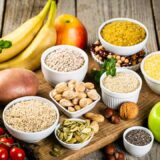
- Cooked whole grains: rice, oats, barley
- Soups, stews, kichari (mung beans + rice)
- Healthy fats: ghee, sesame oil, olive oil
- Dairy: warm milk with spices like cardamom and turmeric (if tolerated)
- Sweet, sour, and salty tastes to balance vata (avoid excessive bitter, astringent, and pungent)
Include Seasonal Vegetables: Steamed or sautéed carrots, squash, beets, sweet potatoes, leafy greens
- Limit: Cold/raw foods, processed snacks, excessive caffeine, alcohol, spicy or salty excesses, dry crackers, and salads
- Hydration: Warm water, herbal teas (ginger, cinnamon, fennel)
Lifestyle (Vihara) — Daily Habits for Balance
Focus: Stabilize vata, promote restful sleep, reduce stress, and support emotional well-being.
Daily Routine (Dinacharya):
- Wake before sunrise
- Oil massage (abhyanga) with warm sesame or medicated oils
- Gentle yoga and breathing exercises (pranayama) focused on grounding and calming
- Regular meal times with mindful eating
- Early to bed, maintaininga consistent sleep schedule
Stress Management: Meditation, mantra chanting, and mindfulness practices to soothe the nervous system
- Physical Activity: Moderate, low-impact exercise like walking, swimming, or restorative yoga — avoid excessive exertion
- Environmental Adjustments: Keep warm, avoid dry, windy environments; use humidifiers if needed
Herbal Therapies (Aushadhi) — Supporting Hormonal & Tissue Health
| Herb / Formulation | Benefits | Notes |
|---|---|---|
| Shatavari (Asparagus racemosus) | Balances vata and pitta, supports reproductive tissues, enhances ojas | Often used as tonic and rasayana |
| Ashwagandha (Withania somnifera) | Vata pacifying, nervous system support, reduces anxiety and insomnia | Adaptogen and rejuvenative |
| Guduchi (Tinospora cordifolia) | Immunity booster, detoxifier, anti-inflammatory | Balances all three doshas |
| Bala (Sida cordifolia) | Strengthens muscles and joints, calms vata | Used in oils for massage |
| Amalaki (Emblica officinalis) | Rich in Vitamin C, antioxidant, supports digestion | Part of Triphala and rejuvenative blends |
| Dashamoola | Anti-inflammatory, relieves pain, balances vata | Used in decoctions and basti oils |
| Brahmi (Bacopa monnieri) | Cognitive enhancer, calms mind and nerves | Supports memory and mental clarity |
Typical preparations include decoctions (kwath), herbal powders (churna), medicated oils (taila), and herbal tonics (arishtas, asavas).
Herbal Remedies for Menopausal Symptoms
| Symptom | Ayurvedic Herbs & Formulations |
|---|---|
| Hot Flashes | Kamdudha ras, Praval pishti, Shatavari |
| Mood Swings & Anxiety | Ashwagandha, Brahmi, Jatamansi |
| Vaginal Dryness | Gokshuradi guggulu, Chandraprabha vati |
| Bone Weakness | Laksha, Shilajit, Asthi-shrinkhala |
| Insomnia | Tagar, Sarpagandha, Warm Milk with Nutmeg |
| Digestive Issues | Jeerak, Hingvashtak, Triphala |
By embracing nourishing foods, herbal support, mindful movement, and emotional balance, women can transform menopause from a challenge into an empowering journey.
As Ayurveda teaches, this phase is not about decline but about evolving into a new, vibrant chapter of life.
Menopause is not an end but a transition—a shift into a phase of wisdom, self-care, and renewed purpose. While Western medicine offers symptomatic relief, Ayurveda provides a holistic roadmap to navigate this change with minimal discomfort.