
Ashwagandha Powder: Top 10 Benefits, Uses & Side Effects

Ashwagandha (Withania somnifera), also known as Indian ginseng or winter cherry, is one of the most revered herbs in Ayurveda, India’s traditional system of medicine. For over 5,000 years, it has been used to enhance vitality, reduce stress, and promote overall well-being.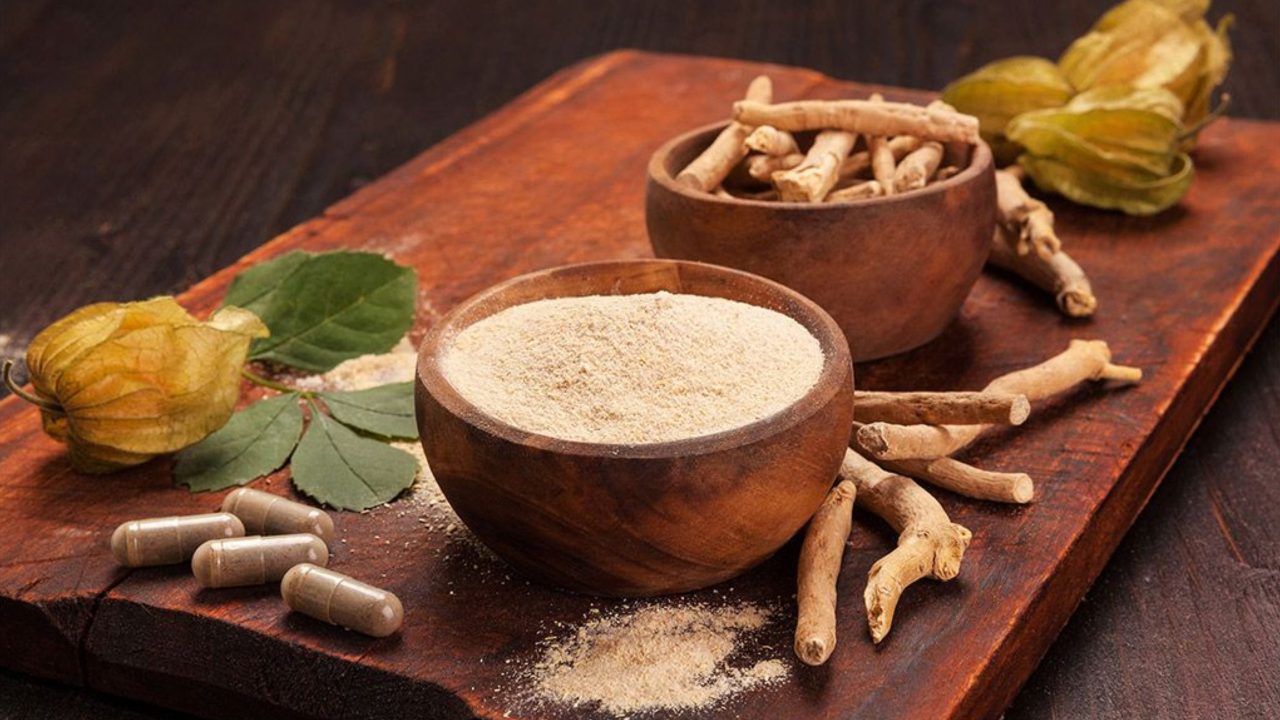 In recent years, Ashwagandha has gained global recognition as an adaptogen—a natural substance that helps the body adapt to stress and maintain balance. Available in various forms, including capsules, extracts, and teas, Ashwagandha powder remains one of the most popular ways to consume this potent herb.
This comprehensive guide explores the science-backed benefits of Ashwagandha powder, its nutritional profile, how to use it, potential side effects, and tips for choosing the best product.
Synonyms
- Sanskrit: Hayagandha, Vajigandha
- Assamese: Ashwagandha
- Bengali: Ashwagandha
- English: Withania somnifera
- Gujrati: Asgandha
- Hindi: Asgandh
- Kannada: Angarberu, Hiremaddina-gida
- Kashmiri: Asagandh
- Malayalam: Amukkuram
- Marathi: Asagandha, Askagandha
- Oriya: Aswagandha
- Punjabi: Asgandh
- Tamil: Amukkaramkizangu
- Telugu: Pennerugadda
- Urdu: Asgand
Properties & Actions (Ayurvedic View)
Rasa (Taste): Tikta (Bitter), Kasaya (Astringent)
Guna (Quality): Laghu (Light)
Virya (Potency): Usna (Hot)
Vipaka (Post-Digestive Effect): Madhura (Sweet)
Karma (Actions):
- Rasayana (Rejuvenative)
- Vatakaphahara (Pacifies Vata and Kapha)
- Balya (Strengthening)
- Vajikara (Aphrodisiac)
Effect on Doshas:
- Balances: Vata and Kapha
- May aggravate: Pitta (if used excessively or in Pitta-predominant individuals)
Dhatu (Tissues Affected):
- Blood (Rakta)
- Muscle (Mamsa)
- Fat (Meda)
- Bone (Asthi)
- Nerve (Majja)
- Reproductive (Shukra)
Srotas (Body Channels Affected):
- Reproductive (Shukravaha Srotas)
- Nervous (Majjavaha Srotas)
- Respiratory (Pranavaha Srotas)
Ayurvedic Action
| Sanskrit Term | Meaning / Action |
|---|---|
| 🛡️ Balya | 🔋 Increases strength and vitality |
| 🧠 Medhya | 🧩 Promotes intellect, cognition, and memory |
| 💫 Ojasvardhanam | ✨ Enhances ojas (vital essence, immunity, vigor) |
| 😴 Nidrajanana | 🌙 Promotes restful sleep |
| 🍃 Shukrala | 🧬 Enhances sperm production and reproductive health |
| 🌬️ Shwasa | 🌿 Supports healthy breathing and lung function |
| 🔥 Shothahara | 🧯 Reduces inflammation; useful in wasting diseases |
| 🌱 Rasayana | 💎 Acts as a rejuvenative and anti-aging tonic |
| ⚖️ Vatakaphahara | 🌪️ Pacifies Vata and Kapha doshas |
| 💖 Vrishya | ❤️ Boosts sexual potency and libido |
| 💊 Vedanasthapana | 🌡️ Alleviates pain and discomfort |
Ashwagandha in Classical Ayurvedic Texts
Ashwagandha (Withania somnifera), a cornerstone of Ayurvedic medicine, holds a prominent place in ancient classical texts. Revered for its rejuvenating, strengthening, and adaptogenic properties, it has been extensively described by some of Ayurveda’s most authoritative sages and scholars.
References in Classical Ayurvedic Literature
1. Charaka Samhita
In one of Ayurveda’s foundational texts, Ashwagandha is classified as:
- Balya – A strength-promoting herb
- Brahmana – A nourishing, body-building tonic
Charaka highlights Ashwagandha as a key Rasayana (rejuvenative), especially beneficial for enhancing vitality, energy, and immunity.
2. Sushruta Samhita
Sushruta, the father of Ayurvedic surgery, recommends Ashwagandha for:
- Wound healing
- Reducing inflammation
- Supporting reproductive health
Its application in post-surgical recovery and chronic conditions speaks to its anti-inflammatory and regenerative effects.
3. Ashtanga Hridaya
This compendium emphasizes Ashwagandha for treating:
- Weakness and fatigue
- Nervous system disorders
- General debility and stress-related imbalances
Ashwagandha is often prescribed for people suffering from mental exhaustion, insomnia, and anxiety, making it a vital herb in Medhya Rasayana (brain tonics).
Traditional Names & Their Significance
Over the centuries, Ashwagandha has acquired various names that reflect its qualities and traditional beliefs:
| Name | Meaning / Significance |
|---|---|
| 🦷 Varaha Karna | “Boar’s Ear” – Refers to the shape of its leaves |
| 🐎 Vajigandha | “Smells like a horse” – Symbolic of its strength-enhancing nature |
| 🌱 Ayurvedic Ginseng | Modern epithet comparing its adaptogenic benefits to Panax ginseng |
These names highlight the herb’s tonic, nourishing, and restorative properties, as well as its symbolic association with vitality and vigor.
Traditional Ayurvedic Uses of Ashwagandha Powder
Ashwagandha (Withania somnifera), one of Ayurveda’s most revered herbs, has been used for millennia to restore health, balance the doshas, and promote longevity. Rooted in the concept of Rasayana (rejuvenation), its applications are vast and time-tested.
1. Ojas (Vitality) Booster
Ashwagandha is considered a premier Rasayana, enhancing Ojas—the vital essence responsible for immunity, vitality, and overall well-being.
- Commonly used in cases of chronic fatigue, general debility, and during convalescence.
- Helps rebuild strength after long-term illness or stress.
2. Medhya Rasayana (Brain Tonic)
As a Medhya Rasayana, Ashwagandha supports the nervous system, improving mental clarity, memory, and concentration.
- Often combined with herbs like Brahmi and Shankhpushpi for enhanced cognitive effects.
- Useful in conditions like brain fog, poor memory, and nervous exhaustion.
3. Vajikarana (Aphrodisiac & Reproductive Health)
Ashwagandha strengthens Shukra Dhatu (reproductive tissue) and is classified as a Vajikarana—an herb that enhances sexual vitality and reproductive strength.
- Prescribed for low libido, male infertility, and hormonal imbalances.
- Nourishes both male and female reproductive systems.
4. Balya (Physical Strength & Muscle Building)
Traditionally used to improve physical stamina, Ashwagandha is known as a Balya, promoting strength and endurance.
- Given to warriors, athletes, and wrestlers in ancient India.
- Supports muscle development and recovery, aligning with modern research on its anabolic effects.
5. Anxiety & Sleep Disorders (Vata Imbalance)
Ashwagandha helps calm the mind, making it effective for Vata-related imbalances such as anxiety, insomnia, and restlessness.
- Promotes deep, restful sleep.
- Commonly taken with warm milk before bedtime to enhance its grounding and soothing effects.
6. Joint & Bone Health (Sandhaniya)
With its anti-inflammatory and tissue-regenerating qualities, Ashwagandha supports joint health and bone strength.
- Used in conditions like Amavata (rheumatoid arthritis).
- Often paired with Guggulu or Shallaki (Boswellia) for enhanced musculoskeletal support.
7. Immune System Support (Raktavardhaka & Vyadhikshamatva)
Ashwagandha enhances Rakta Dhatu (blood tissue) and strengthens the body’s natural immunity, known as Vyadhikshamatva in Ayurveda.
- Used to prevent frequent infections and boost resistance to disease.
- Especially beneficial in those prone to autoimmune conditions or allergic responses.
- Promotes the production of healthy white blood cells and hemoglobin.
8. Adrenal & Stress Support (Adaptogen in Modern Terms)
Though not an ancient Ayurvedic term, the herb’s traditional use aligns with what is now known as adaptogenic action.
- Balances the HPA axis (hypothalamus–pituitary–adrenal axis), reducing the negative effects of chronic stress.
- Supports recovery from burnout, adrenal fatigue, and mental exhaustion.
- Calms excessive cortisol production and anxiety-related symptoms.
9. Anti-aging & Longevity (Jara Nashana)
Ashwagandha is used as a Jara Nashana (anti-aging remedy), slowing the process of degeneration and promoting longevity.
- Maintains tissue integrity as one ages.
- Used in formulations to prevent premature aging, hair greying, and loss of vitality.
- Supports cellular regeneration and protects against oxidative stress.
Ashwagandha nourishes the Pranavaha Srotas (respiratory channels) and supports lung function.
- Beneficial in chronic cough, bronchial irritation, and shortness of breath.
- Often used in combination with herbs like Pippali and Vasa for respiratory resilience.
- Helps clear Vata-Kapha imbalances affecting the lungs.
Classical Ayurvedic Formulations with Ashwagandha
In Ayurveda, Ashwagandha (Withania somnifera) is rarely administered as a single herb. It is commonly used in combination with other herbs to enhance therapeutic benefits and achieve synergistic effects. Some classical formulations that include Ashwagandha are:
- Ashwagandharishta: A fermented herbal tonic used to combat general weakness, fatigue, and anemia. It supports energy levels and revitalizes the body.
- Ashwagandha Churna: A fine herbal powder traditionally consumed with ghee, honey, or warm milk to promote strength, vitality, and stress resilience.
- Dashmoolarishta: A restorative formulation especially beneficial for women’s health, including postpartum recovery. Ashwagandha in this blend aids in strengthening the nervous and reproductive systems.
- Brahmi Ghrita: A medicated ghee preparation containing Ashwagandha and Brahmi, used to support cognitive function, memory, and overall brain health.
Plant Parts of Ashwagandha Used for Medicinal Purposes
Ashwagandha (Withania somnifera) is a versatile medicinal plant, but not all parts are used equally. Different parts of the plant serve different therapeutic roles, with the root being the most widely used.
1. Root (Mula) – Most Commonly Used
- The primary medicinal part used in Ayurveda, Unani, and modern herbalism
- Contains withanolides, alkaloids, and other active compounds
Uses:
- Adaptogen (stress relief)
- Tonic for strength, stamina, and immunity
- Supports the nervous system, reproductive health, and sleep
2. Leaves (Patra)
- Less commonly used due to bitterness and stronger alkaloid content
- Possess antibacterial, anti-inflammatory, and febrifuge (fever-reducing) properties
- External use: In poultices for wounds, swellings, and skin conditions
- Internal use: Occasionally used in decoctions for fever or inflammation (with guidance)
3. Flowers
- Rarely used
- Sometimes included in traditional preparations for aphrodisiac or rejuvenating effects
- Considered mild and used occasionally in combination with other herbs
4. Berries / Fruits
- Small, red-orange berries (also called “winter cherries”)
- Traditionally used as a mild diuretic and laxative
- Contain saponins and are sometimes used externally in oils or pastes
Caution: Not typically consumed in large quantities due to solanine-like compounds
5. Seeds
- Very rarely used
- In folk medicine, it is sometimes used in topical oils
- Not a major part of classical Ayurvedic practice
Modern Ayurvedic Recommendations
While Ashwagandha continues to be rooted in classical Ayurvedic tradition, its applications have expanded in modern practice. Contemporary Ayurvedic practitioners commonly recommend Ashwagandha for:
- Chronic stress and adrenal fatigue: Helps regulate cortisol levels and support resilience to long-term stress.
- Thyroid disorders (especially hypothyroidism): Supports thyroid function by nourishing the endocrine system and improving metabolism.
- Autoimmune conditions (used with caution): Modulates immune response and may help reduce systemic inflammation; must be tailored to individual constitutions.
- Neurodegenerative diseases (e.g., Alzheimer’s, Parkinson’s): Acts as a neuroprotective agent, enhancing memory, cognitive function, and brain longevity.
Ayurvedic Contraindications
Despite its many benefits, Ashwagandha is not suitable for all individuals and must be used with discernment:
- High Pitta conditions: Individuals with symptoms like acid reflux, ulcers, or excessive body heat may find Ashwagandha too warming and should use it cautiously.
- Ama (toxins) accumulation: In the presence of undigested toxins (Ama), Ashwagandha should be combined with digestive and detoxifying herbs such as Trikatu to prevent sluggish digestion or aggravation.
Ashwagandha Powder Side Effects: What You Need to Know
While Ashwagandha (Withania somnifera) is generally considered safe for most people when used appropriately, it’s important to be aware of potential side effects, especially in high doses or sensitive individuals.
Common Side Effects (Usually mild)
- Gastrointestinal discomfort – bloating, diarrhea, or nausea
- Drowsiness or sedation, especially when taken in large amounts or with other sedatives
- Headaches – in rare cases
- Dry mouth or mild changes in appetite
Less Common / Serious Side Effects
- Hormonal effects: Ashwagandha may increase testosterone and affect thyroid hormones, so caution is advised in those with hormone-sensitive conditions or hyperthyroidism.
- Lowered blood pressure & blood sugar: Can enhance the effects of medications for diabetes or hypertension, potentially causing blood sugar or pressure to fall too low.
- Allergic reactions: Rare, but possible, especially in individuals with a nightshade allergy (Ashwagandha belongs to the Solanaceae family).
Who Should Use Caution or Avoid Ashwagandha Powder
- Pregnant women: May stimulate uterine contractions (traditionally considered abortifacient in high doses).
- Breastfeeding mothers: Safety is not well-established.
- People with autoimmune diseases (e.g., lupus, MS, rheumatoid arthritis) – Ashwagandha may stimulate immune activity.
- Before surgery: Discontinue use 1–2 weeks before surgery due to its sedative and hormone-affecting properties.
Interactions with Medications
Ashwagandha may interact with:
- Sedatives (benzodiazepines, barbiturates)
- Thyroid medications
- Immunosuppressants
- Antidiabetics and antihypertensives
Always consult a healthcare provider before combining Ashwagandha with prescription medications.
How to Minimize Risk
- Start with a low dose (e.g., 300–500 mg/day) and increase gradually if needed.
- Take with food to reduce stomach upset.
- Monitor symptoms, especially when using this product long-term or in combination with other herbs or medications.
Ayurvedic Best Practices for Using Ashwagandha Powder
To maximize the therapeutic benefits of Ashwagandha, Ayurveda recommends the following principles:
- Personalized Usage: Dosage and formulation should be tailored to an individual’s Prakriti (constitution) and Vikriti (current imbalance) for safe and effective results.
- Use of Anupana (Vehicle/Substance): Taking Ashwagandha with appropriate Anupana—such as warm milk, ghee, or honey—enhances absorption and directs the herb’s action to specific tissues (Dhatus).
- Seasonal Adjustments: In warmer months or in individuals with high Pitta, reduce the dosage or combine Ashwagandha with cooling herbs to avoid overheating the system.
FAQ’s
1. What is Ashwagandha powder used for?
Ashwagandha powder (Churna) is traditionally used to support stress resilience, boost energy, enhance immunity, improve sleep, and promote overall vitality. It can also be used for reproductive and cognitive health.
2. What is the main benefit of Ashwagandha?
Its primary benefit is adaptogenic—helping the body manage stress and restore hormonal balance, particularly by regulating cortisol levels.
3. Is Ashwagandha good for males?
Yes. It supports male reproductive health, including sperm count and testosterone levels. It also helps with strength, stamina, and muscle recovery.
4. Does Ashwagandha have side effects?
Ashwagandha is generally safe when used appropriately. However, in high doses or in those with high Pitta or Ama (toxins), it may cause gastrointestinal upset, heat, or overstimulation. It should be avoided during pregnancy unless prescribed by an Ayurvedic practitioner.
5. Is Ashwagandha OK to take daily?
Yes, it can be taken daily for extended periods, especially when prescribed based on your Prakriti (constitution). Regular breaks may be recommended.
6. What disease is Ashwagandha used for?
Ashwagandha is used as a supportive herb in conditions like hypothyroidism, anxiety, insomnia, arthritis, autoimmune disorders, and neurodegenerative diseases such as Alzheimer’s and Parkinson’s.
7. Can I take Ashwagandha at night?
Yes. Taking Ashwagandha at night—especially with warm milk—can improve sleep quality and promote calmness.
8. Which Ashwagandha is best?
Look for organic, root-only Ashwagandha from reputable Ayurvedic brands. Powder (Churna) or standardized extracts (KSM-66 or Sensoril) are commonly used.
9. What is the best time to take Ashwagandha?
Morning or evening are ideal. Morning use supports energy and stress adaptation, while evening use aids sleep and relaxation. It should be taken with food or milk for better digestion.
10. Is Ashwagandha good for skin?
Yes. By reducing stress, inflammation, and oxidative damage, Ashwagandha can support clearer, healthier skin from within. It’s also used in Ayurvedic skincare formulations.
11. Is Ashwagandha good for fatty liver?
Preliminary studies suggest Ashwagandha may support liver function due to its anti-inflammatory and adaptogenic properties. In Ayurveda, it’s used with other herbs for liver detox and nourishment.
12. What is the price of Ashwagandha?
Prices vary based on form, brand, and quality. Typically, Ashwagandha powder ranges from ₹150–₹500 (India) or $10–$25 (international) for 100–250g. Extract capsules may cost more.
Ashwagandha stands as one of Ayurveda’s most revered Rasayana (rejuvenative) herbs, valued for its ability to restore balance, build resilience, and promote long-term vitality.
References:
- Ashwagandha (Withania somnifera)—Current Research on the Health-Promoting Activities: A Narrative Review(1)
- Ashwagandha: Is it helpful for stress, anxiety, or sleep?(2)
- Ashwagandha (Withania somnifera) for the treatment and enhancement of mental and physical conditions: A systematic review of human trials(3)
- Ashwagandha: A Review of Clinical Use and Efficacy(4)
- Studies of Ashwagandha (Withania somnifera Dunal)(5)

























So if Ashwagandha is such a staple part of history for all it is supposed to do, then why has it taken until now for it to be proclaimed and presented to the world. I have known all about curry all my life and it does not boast such a splendid remedial blessing, so apart from the obvious financial benefits to the producer if they were to convince the world of another miracle plant based substance we all need, why would I believe the hype if it has taken so long for worldly people to become aware. I have also known of turmeric and use it extensevly so I wonder at my ignorance of your wonder product.
Life is amazing that way. I’ve known of ashwagandha for years now through a friend that uses it for a myriad of health issues with success. I wish there was a better system for education of all these wonderful medicinal herbs that bring a plethora of health benefits that we are just not informed on. I agree there is like little to no info out there, or if there is how does one know if it is reputable? For me I have seen benefits for both my friend and myself. I definitely use it with turmeric as well. Love turmeric and ghee.