Ayurveda on Anger: Body Types, Remedies, How to Control It

Controlling anger and maintaining a calm mind is something many people strive for in their daily lives. Anger itself is a natural and healthy emotion—it signals when something feels wrong or unjust and can motivate us to take action. However, unchecked anger can become destructive, leading to damaged relationships, poor decisions, and stress-related health problems. 
The key lies not in suppressing anger entirely but in learning how to express it in a constructive, respectful way. What matters most is where and how much we allow our anger to surface. The place and manner of expressing anger should be appropriate and measured, so it doesn’t hurt others or escalate the situation.
Practicing self-awareness, deep breathing, and mindfulness can help manage emotional outbursts. Developing this emotional intelligence not only brings inner peace but also fosters healthier communication and stronger connections with others.
Factors Influencing Anger
1. Body Type (Dosha Constitution)
- Pitta: People with a Pitta constitution tend to get angry quickly. Pitta is associated with fire, which symbolizes heat, intensity, and sharp emotions like anger. This makes them prone to emotional outbursts, especially in stressful situations.
- Vata: Vata individuals may become angry quickly due to their inherent restlessness and rapid reactions (qualities of movement and lightness). However, they also calm down quickly, as Vata is also associated with coolness and changeability. Their mood tends to fluctuate rapidly, leading to inconsistent emotional responses.
- Kapha: Kapha types are generally slow to anger due to their calm and composed nature. However, when they do get angry, they may not react immediately but instead harbor the emotion and plan a more calculated response, reflecting their slow and steady characteristics. Once provoked, their anger can be deep-seated and long-lasting.
2. Health Conditions
- Conditions such as high blood pressure can predispose individuals to heightened irritability and quicker anger responses. The physiological strain can lower patience and increase emotional reactivity.
3. Mental Health
- Individuals suffering from mental health disorders like schizophrenia, manic episodes, or those experiencing high levels of stress, anxiety, or depression may have a lower threshold for anger. Emotional instability often amplifies their reactions to even minor triggers.
4. Diet
- Consuming large amounts of non-vegetarian food, spicy foods, alcohol, or engaging in drug abuse (classified as Rajasika foods in Ayurveda) can increase irritability and make a person more prone to anger.
These substances can overstimulate the nervous system and reduce emotional control.
4. Age
- Teenagers and the elderly are often more susceptible to anger due to hormonal changes, emotional sensitivity, or declining patience and resilience. This makes emotional regulation more challenging during these life stages.
5. Physical Weakness
- It is said that when the body becomes weak, the voice becomes louder—implying that physical frailty can reduce tolerance and increase outbursts. Frustration from physical limitations may manifest as emotional outbursts.
6. Medication Effects
- In cases such as manic-depressive psychosis, an overdose of antidepressants can sometimes lead to increased agitation and episodes of anger. Medication imbalance can significantly affect mood stability and impulse control.
Understanding Anger in Ayurveda: The Concept of Krodha
In Ayurveda, anger is called Krodha, and it is considered a powerful emotion that can have profound effects on both the mind and body.
- Anger as a Pitta Energy: In Ayurvedic theory, anger is primarily associated with the Pitta dosha, which governs heat, fire, and transformation in the body. When Pitta is out of balance, it manifests as anger or irritability. This is why people with a dominant Pitta constitution may experience frequent bursts of anger.
- Dharaneeya Vega: Krodha is categorized as a Dharaneeya Vega, which means it is an emotional reaction that should be controlled or contained. Ayurveda teaches that emotions like anger should not be expressed impulsively but managed to prevent harm.
- The Power of Control: The wisdom in Ayurveda lies in controlling anger at its earliest stages. Suppressing it until it passes, rather than immediately reacting, is considered a key part of emotional well-being and mental discipline.
1. The Role of Anger in Social Behavior and Health
Anger, when expressed in a balanced way, can have constructive outcomes. However, uncontrolled anger can lead to social isolation and physical health issues.
- Social Impact: When we fail to control our anger, we risk being labeled as “hot-tempered” or “unstable,” which can harm personal relationships, professional life, and social standing. Over time, this can lead to isolation and misunderstandings.
- Health Consequences of Uncontrolled Anger: Constantly indulging in anger or emotional outbursts can cause physical harm. According to Ayurveda, anger leads to Pitta imbalances, resulting in inflammatory conditions like ulcers, skin issues, and digestive disturbances.
- Health Benefits of Controlled Anger: Managing anger through self-discipline promotes mental clarity, physical health, and emotional stability. Balanced anger can also be a motivating force, helping to drive healthy competition and self-improvement.
2. The Dangers of Repressed Anger
Modern science has shown that repressed or unexpressed anger can have long-term negative effects on the body, much like Ayurveda warns about the consequences of internalized Pitta.
- Emotional Suppression and Physical Damage: Keeping anger inside is like holding a raging fire within. Repressing emotions creates toxic stress that disrupts body functions, leading to anxiety, hypertension, and gastrointestinal disorders.
- Chronic Inflammation: The constant suppression of anger can contribute to chronic inflammatory diseases, such as arthritis, musculoskeletal disorders, and heart disease. Ayurveda describes how Pitta imbalances, when stored inside, damage tissues and organs.
- The Emotional and Psychological Toll: Repressed anger can also lead to depression, stress, and a loss of emotional control, which compounds the damage to physical health and emotional well-being.
3. The Importance of Emotional Release
While Ayurveda advocates for controlling anger, it also acknowledges that healthy expression of anger is essential for emotional balance.
- Healthy Outlets for Anger: Releasing anger constructively is important for maintaining balance. This could include activities like exercise, journaling, or discussing feelings in a safe, controlled environment. Healthy expression prevents emotional overload and physical harm.
- Ayurvedic Practices for Managing Anger: Ayurveda recommends specific practices such as Pranayama (breathing exercises), yoga, and herbal remedies to calm Pitta and help release emotional heat. Draksha (raisins) and Brahmi are particularly useful for balancing fiery emotions.
- Releasing Anger Without Harming Others: It’s essential to express anger in a way that does not harm others. By using peaceful methods of expression, such as talking things through or channeling energy into productive tasks, we can release anger without leaving lasting negative effects on our relationships or our body.
Dosha Involvement in Anger
In Ayurveda, anger is closely linked with the Pitta dosha, which governs the body’s heat, transformation, and metabolism. The term Krodat Pittam reflects the understanding that anger directly aggravates Pitta in the body. This insight from Ayurveda is not only profound but aligns well with modern scientific research on the consequences of suppressed anger.
Pitta’s Role in Anger:
- Pitta Flares Up with Anger: When anger arises, the Pitta dosha increases in intensity. Ayurveda describes that when anger is concealed or repressed, it leads to a rise in internal heat. This is because anger is associated with fire, and when it is not expressed, it simmers inside, intensifying the Pitta imbalance.
- Modern Research Validation: Modern studies have also highlighted that repressed anger contributes to the buildup of stress hormones like cortisol, which can exacerbate inflammatory conditions and lead to Pitta-related disorders such as acid reflux, hypertension, and skin issues. These findings support the Ayurvedic notion that anger, if not released, can severely affect physical health.
- Aggravation of Inflammatory Conditions: Anger increases the body’s internal heat, leading to conditions like ulcers, acne, and digestive issues, all of which are common Pitta imbalances. This emphasizes the connection between mental states and physical health, as described in Ayurveda.
Krodha as a Dharaneeya Vega: The Need for Anger Control
While Ayurveda acknowledges that anger naturally arises, it also advocates for anger management as a core component of personal development.
- Dharaneeya Vega: In Ayurvedic terminology, anger falls under the category of Dharaneeya Vega, meaning it is an emotion that should be contained or managed. The idea is not to eliminate anger entirely but to control it before it becomes overwhelming or destructive. This principle is fundamental for effective personality management and emotional well-being.
- Personality Management: Ayurveda teaches that controlling anger helps in cultivating mental discipline and enhances our ability to respond to challenging situations with calmness rather than impulsivity. By learning to check our emotions, we can foster better relationships, greater clarity of mind, and a more peaceful state of being.
- Holistic Balance: Managing anger through Ayurvedic practices, such as meditation, breathing exercises, and balanced diet, helps keep the Pitta dosha in harmony. This approach not only aids in reducing anger but also ensures long-term mental peace and physical health.
The Connection Between Pitta and Anger: A Unified Understanding
Both Ayurveda and modern science acknowledge the link between anger and Pitta imbalances. While Ayurveda emphasizes anger control through discipline and understanding, modern research emphasizes the need for healthy emotional expression to avoid the damaging effects of suppressed anger.
- Preventing Long-term Damage: Ayurveda’s teachings on managing Krodha not only protect us from the immediate effects of anger but also help avoid long-term inflammatory diseases. This is especially crucial for those with a Pitta-dominant constitution, as they are naturally more prone to anger and related health issues.
- Practical Application: Incorporating Ayurvedic practices such as cooling herbs, yoga, and stress-relief techniques helps to calm the Pitta energy, making it easier to manage anger. This holistic approach aligns well with modern strategies for emotional regulation and stress management.
Types of Anger
- Aggressive Anger: This type arises when a person feels ashamed, insulted, neglected, or emotionally wounded. It often manifests as outward hostility, blaming others, or even physical aggression.
- Defensive Anger: Triggered by a fight-or-flight response, it surfaces when someone feels the need to protect their status, justify actions, or hide a mistake. It serves as a psychological shield to avoid perceived threats or criticism.
- Frustrated Anger: Develops due to ongoing obstacles, unmet expectations, or a sense of helplessness.
If left unaddressed, this anger may deepen over time and lead to hopelessness or suicidal thoughts.
Tips to Overcome Anger
- Patience, patience, patience: Anger often fades when given a moment to cool—patience is your strongest shield. It’s a skill that grows stronger the more you practice it, especially in difficult moments.
- Be calm today, plan a better fight tomorrow: Responding with calm allows time to think clearly and act wisely, not impulsively. You don’t lose by staying calm—you gain perspective, power, and control.
- Listen to the other person fully before speaking: Understanding the full picture helps reduce misjudgment and emotional reactions. Many arguments fade when someone simply feels heard and acknowledged.
- Hold back your words for just 2 seconds when emotionally unstable: Even a short pause can prevent hurtful or regrettable words from slipping out. This tiny moment can completely shift the direction of a conversation.
- Practice Pranayama (breath control): It helps calm the mind, regulate emotions, and bring mental clarity.
Even 5 minutes a day can lower stress and improve emotional awareness. - Join a yoga class: Yoga integrates body and mind, reducing stress and increasing emotional resilience.
The physical movement also releases built-up tension that fuels anger. - Balance your Pitta if it’s your dominant dosha: Include calming foods like raisins, soaked almonds, and ghee in your diet to cool internal heat. Avoid overly spicy, sour, and fried foods, which can aggravate Pitta and lead to irritation.
- Sleep at least 7 hours every night: Lack of rest increases irritability and reduces your ability to manage emotions. Quality sleep resets the nervous system and supports better mood regulation.
Ayurvedic Medicines & Herbs for Managing Anger
- Brahmi Ghrita: A medicated ghee that improves concentration, memory, and mental clarity.
Ideal for students or those with mental restlessness and focus issues. - Panchagavya Ghrita: Traditionally used in treating psychiatric conditions, including mood instability.
Helps support mental grounding and emotional balance. - Saraswatarishta: An herbal tonic beneficial for those with low intellect, poor memory, or speech issues.
It rejuvenates the nervous system and enhances cognitive function. - Manasamitra Vatakam: A classical formulation for anxiety, depression, and emotional distress.
Also used as a support remedy for those prone to overthinking and mental agitation. - Chandanosiradi Kashayam: Helps pacify excess Pitta, especially in conditions involving heat and mental irritability. It has a cooling effect on both the body and the mind.
- Kamadugha Ras: Used in gastritis and high Pitta conditions; also soothes emotional irritation.
It is gentle, cooling, and supportive for emotionally reactive individuals. - Pravala Pishti & Pravala Bhasma: Coral-based preparations useful in managing Pitta disorders such as heat and anger. They are calming, anti-inflammatory, and help reduce mental and physical heat.
- Drakshadi Kashayam: A decoction that calms the mind and digestive system, easing emotional and physical tension. Beneficial when anger is linked with digestive disturbances or burning sensations.
- Draksharishta: A fermented tonic made with grapes; promotes mental calmness and digestive health.
Gentle enough for regular use, especially in stress-related mood swings.
Ayurvedic Herbs Useful to Control Anger
- Brahmi (Bacopa monnieri): A renowned brain tonic that improves memory, focus, and reduces mental agitation. It calms the nervous system and promotes emotional stability.
- Mandookaparni (Gotu Kola / Centella asiatica): Known for its effects on mental clarity, stress reduction, and nerve rejuvenation. Helps reduce anxiety-driven anger and supports calm thinking.
- Shankhapushpi (Convolvulus pluricaulis): Traditionally used to improve cognition, sleep quality, and emotional control. It is particularly effective for calming hyperactive or impulsive mental states.
- Draksha (Raisins – Vitis vinifera): Naturally sweet and cooling, raisins help soothe Pitta-related heat and irritability. They are a gentle, everyday remedy to keep the mind cool and balanced.
- Ashwagandha (Withania somnifera): A powerful adaptogen that reduces stress, anxiety, and adrenal fatigue. It helps regulate the body’s stress response and reduces irritability.
Ayurvedic Methods to Control Anger and Anger-Induced Inflammation
Ayurveda offers a holistic approach to managing anger, especially anger induced by Pitta imbalances, which can lead to inflammation in the body. Below are the key Ayurvedic strategies and treatments that help to balance Pitta, control anger, and reduce the associated inflammatory responses.
1. Nidana Parivarjanam: Avoiding the Causes and Triggers of Anger
In Ayurveda, the first step in dealing with anger is to recognize and avoid the triggers that cause or intensify it.
- Identifying Triggers: These include stressful situations, emotional conflicts, and even environmental factors like excessive heat or Pitta-aggravating foods.
- Prevention is Key: By actively avoiding these triggers, we can prevent anger from arising in the first place. This principle of Nidana Parivarjanam (removing the root causes) is fundamental in Ayurvedic emotional management.
- Mindful Lifestyle Choices: Engaging in practices like mindfulness, stress management techniques, and cultivating a peaceful environment can help keep anger at bay.
2. Tackling Pitta: Balancing the Fire Element
Since Pitta (the fire element) is directly linked to both anger and inflammation, managing Pitta is crucial for keeping anger in check.
- The Interrelationship Between Pitta and Anger: Pitta increases anger, and in turn, anger can aggravate Pitta. Thus, balancing Pitta is key to preventing this cycle.
- Cooling Down the Fire: Ayurveda focuses on cooling and calming the body and mind to prevent excessive heat and inflammation associated with anger.
- Methods to Subdue Pitta: To prevent Pitta from flaring up, it is essential to focus on both dietary and lifestyle changes.
3. Dietary Adjustments for Pitta Balance
A proper diet plays a central role in controlling Pitta and anger. Ayurveda suggests that the right foods can either aggravate or calm Pitta, so food choices must be made mindfully.
Avoid Pitta-Aggravating Foods:
- Hot and spicy foods
- Salty foods
- Sour foods
- Fried or oily foods
- Caffeinated beverages
- Excessive meat
These foods increase internal heat and aggravate Pitta, leading to heightened anger and inflammation.
Favor Cooling and Calming Foods:
- Sweet, bitter, and astringent tastes
- Seasonal fruits (without sour taste)
- Fresh vegetables like cucumbers and leafy greens
- Cool, hydrating foods, such as dairy, coconut, and melons
- Herbal teas (such as mint or chamomile)
These foods help to cool down Pitta, preventing the rise of anger and soothing the body’s internal inflammation.
Ayurvedic Treatments for Pitta and Anger
Ayurveda recommends specific therapies to alleviate Pitta imbalances and calm anger. These treatments focus on reducing excess heat and soothing the mind.
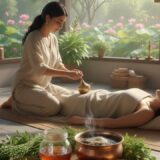
1. Abhyanga (Herbal Oil Massage)
- This therapeutic massage uses warm, herbal oils tailored to the individual’s constitution. It is especially effective for calming Pitta and reducing the heat generated by anger.
- The massage helps promote relaxation, stress relief, and better circulation, all of which contribute to emotional balance.
2. Virechana (Therapeutic Purgation)
- Virechana is a detoxifying treatment designed to eliminate excess Pitta from the body. This method is used to purify the digestive system and balance the body’s internal heat.
- It promotes emotional clarity, mental calmness, and physical well-being.
3. Sarvanga Dhara (Whole-Body Medicated Oil Pouring)
- In this therapy, medicated liquids such as oils or milk are poured continuously over the body, helping to cool Pitta and soothe angry emotions.
- The calming effect on the nervous system can bring deep relaxation and emotional balance.
4. Shirodhara (Oil Pouring on the Forehead)
- In Shirodhara, a stream of warm, medicated oil is poured gently onto the forehead, particularly the third eye area, which is believed to calm the mind and nervous system.
- This treatment has a powerful calming effect, reducing stress and emotional turbulence, such as anger.
5. Shirovasti (Oil Pooling on the Head)
- A method where medicated oil is kept in a special cap placed over the head, allowing the oil to penetrate and balance Pitta while calming emotional disturbances.
- This treatment helps soothe mental agitation and reduces the intensity of anger.
6. Tikta Vasti (Bitter Enemas)
- This treatment uses bitter medicated oils in the form of enemas, which help balance Pitta by cleansing the digestive system and calming inflammation throughout the body.
- It’s particularly effective for individuals with chronic anger or those experiencing inflammatory conditions.
7. Ksheera Vasti (Milk-Based Enemas)
- A form of pitta-pacifying enema made with medicinal herbs processed in milk. It helps soothe excess Pitta in the colon, supporting overall digestive and emotional health.
- It provides relief from angry outbursts, stomach heat, and digestive issues often associated with Pitta imbalances.
Lifestyle Practices to Manage Anger and Pitta
In addition to diet and treatments, Ayurveda also emphasizes certain lifestyle habits to keep Pitta balanced and prevent the eruption of anger.
- Stress Management: Regular practice of yoga, meditation, and breathing exercises (such as Pranayama) help to calm the nervous system and reduce stress. This is key to managing emotional heat and keeping anger under control.
- Proper Sleep: Ensuring adequate rest and following a regular sleep schedule is essential for maintaining balance in the nervous system. Lack of sleep can increase irritability and make anger harder to manage.
- Regular Exercise: Engaging in gentle physical activities like walking, swimming, or yoga helps release pent-up Pitta energy and promotes emotional equilibrium.
Ayurveda views anger as a result of doshic imbalance, especially in Pitta types. By balancing the doshas through diet, lifestyle, and natural remedies, anger can be managed holistically.