How Ayurveda Intersects with Gut Microbiome Research

In 2025, one of the most exciting intersections in the health and wellness world is between Ayurveda—an ancient Indian system of healing—and modern gut microbiome research. While the microbiome is a relatively new discovery in Western medicine, Ayurveda has long emphasized the gut as the cornerstone of health. Now, modern science is beginning to validate many of these ancient principles.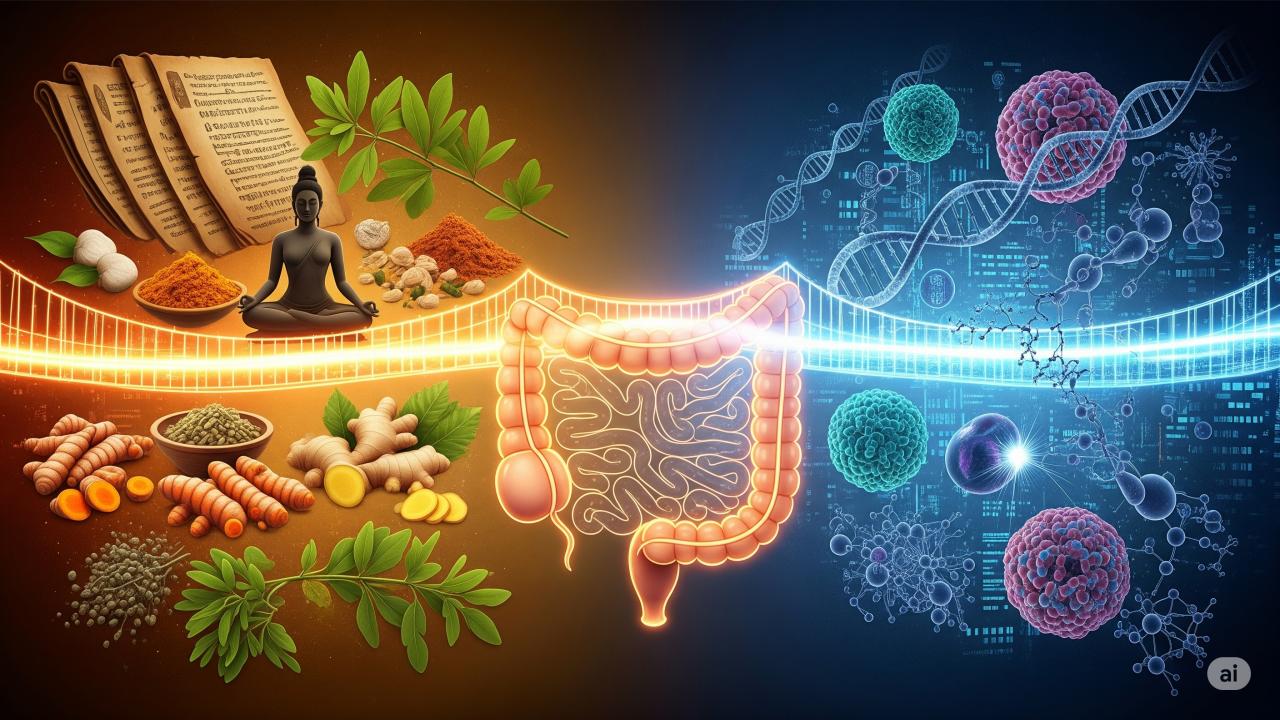 Ayurveda’s focus on digestion, or agni, as the root of both wellness and disease, aligns closely with current findings that link gut health to immunity, mood regulation, and even chronic illness. Practices like mindful eating, herbal supplementation, fasting, and seasonal cleansing—staples in Ayurvedic routines—are being explored for their potential to positively influence microbial diversity and gut function.
Furthermore, Ayurvedic herbs such as Triphala, Ashwagandha, and Guduchi are being studied for their prebiotic and adaptogenic effects, supporting not only gut flora but also overall physiological balance. Personalized health protocols based on an individual’s dosha (body constitution) echo the precision medicine approach now gaining traction in microbiome science.
This convergence is fostering a new wave of integrative wellness strategies that honor traditional wisdom while leveraging scientific rigor. Together, they offer a more holistic roadmap for preventative health and sustainable healing.
Understanding the Gut Through the Ayurvedic Lens
Ayurveda centers much of its healing wisdom around Agni, the body’s digestive fire. Agni governs not only digestion but also nutrient assimilation, metabolism, and immune response. When Agni is weak, Ama (toxins) accumulate in the digestive tract and circulate throughout the body, disrupting balance and leading to disease.
Ayurveda classifies digestion—and imbalance—according to the three doshas:
- Vata: Causes irregular digestion, bloating, and gas.
- Pitta: Leads to hyperacidity, inflammation, and loose stools.
- Kapha: Slows digestion, leading to heaviness and constipation.
Sound familiar? These are remarkably consistent with many conditions now linked to microbiome dysbiosis in modern medicine.
What Modern Science Tells Us About the Microbiome in 2025
The human gut is home to over 100 trillion microorganisms, which affect everything from digestion and mood to immunity and even longevity. In 2025, AI-assisted microbiome mapping has advanced dramatically, allowing researchers to personalize health strategies based on an individual’s unique bacterial ecosystem.
Recent studies have linked microbiome imbalance to:
- IBS and IBD
- Depression and anxiety (via the gut-brain axis)
- Obesity and metabolic disorders
- Autoimmune diseases
Thanks to these insights, microbiome-targeted diets, precision probiotics, and even bacteriotherapy are now part of mainstream wellness and medical care. People are tracking their gut data like they once tracked their steps or sleep—integrating it into daily life with wearable tech and personalized nutrition plans.
Modern Science vs. Ayurveda: How Do They Compare?
Interestingly, Ayurveda has emphasized gut health for thousands of years, viewing digestion as the foundation of physical and mental well-being. Rather than focusing solely on specific microbes or biomarkers, Ayurveda looks at the quality of digestion through concepts like agni (digestive fire), ama (toxins from undigested food), and the balance of doshas (body energies).
Where modern science isolates and categorizes bacteria, Ayurveda observes patterns in energy, digestion, mood, and lifestyle to maintain harmony within the body. Yet, despite their different languages, the goals are remarkably similar: balance, resilience, and prevention of disease at its root.
Today, researchers are beginning to explore how traditional Ayurvedic practices—such as herbal formulations, fermented foods, mindful eating, and daily routines—may positively influence the microbiome. It’s no longer a question of ancient versus modern, but how these two systems can inform and enrich one another.
Where Ayurveda and Microbiome Research Align
Surprisingly—or perhaps not—many of Ayurveda’s time-tested dietary and herbal practices align closely with what modern science now recognizes as supportive of a healthy gut microbiome.
Diet: Ancient Wisdom, Modern Science
Ayurveda has always emphasized the importance of freshly prepared, seasonal, and fiber-rich foods tailored to one’s constitution (dosha). These principles closely mirror today’s recommendations for prebiotic-rich diets, which encourage the growth of beneficial gut bacteria. Minimally processed whole foods, warm cooked meals, and mindful eating—all Ayurvedic staples—are now backed by evidence as beneficial for gut health and digestion.
Herbs: Plant Allies for Microbial Balance
Several Ayurvedic herbs have shown promising effects on the gut microbiota:
- Triphala – A traditional blend of three fruits (Amalaki, Haritaki, and Bibhitaki), Triphala has been shown to enhance microbial diversity and support bowel regularity.
- Turmeric – With its potent anti-inflammatory properties, turmeric also appears to modulate gut flora and support the integrity of the intestinal lining.
- Licorice & Ginger – These soothing herbs aid in reducing gut inflammation, improving digestion, and calming the mucosal lining.
Modern studies are increasingly validating these herbs not just for symptom relief but for their role in shaping a healthier microbial environment.
The Gut-Brain Connection
Ayurveda has long acknowledged the deep connection between the gut and the mind—recommending sattvic (pure, calming) foods, daily meditation, and pranayama (breathwork) to support both mental clarity and digestive function. Today, science recognizes this relationship through the gut-brain axis, a bidirectional communication system involving the vagus nerve, neurotransmitters like serotonin, and the microbiota.
What was once poetic in Ayurveda is now measurable in labs: calm the mind, and you calm the gut—and vice versa.
Emerging Research & Case Studies
In recent years, clinical research has begun to explore the impact of Ayurvedic interventions on the microbiome:
- A 2024 clinical trial found that a 2-week Panchakarma detox program significantly shifted gut microbial populations, increasing beneficial species and reducing inflammatory markers.
- Triphala supplementation has shown promising results in enhancing gut diversity and reducing low-grade inflammation in individuals with mild IBS symptoms.
- Ayurvedic adaptogens like Ashwagandha and Bacopa are currently under investigation for their ability to regulate stress-induced gut imbalance by modulating cortisol levels and supporting gut-brain communication.
Together, these findings point to a promising convergence: modern microbiome research is beginning to scientifically validate what Ayurveda has practiced for millennia.
Practical Ayurvedic Tips for a Healthy Gut in 2025
If you’re looking to support your gut microbiome in a natural, sustainable way, Ayurvedic practices offer time-tested strategies that modern science increasingly supports. These daily habits and herbal allies don’t require high-tech tools—just consistency, mindfulness, and a deep respect for the body’s rhythms.
1. Follow Dinacharya (Daily Routine)
Ayurveda emphasizes that health starts with structure. A regular daily rhythm supports digestion, mental clarity, and hormonal balance.
- Wake up early (ideally before sunrise) to align with your circadian rhythms
- Start the day with warm water, optionally infused with lemon or ginger to stimulate agni (digestive fire)
- Eat meals at consistent times each day
- Avoid skipping meals or overeating—both disrupt gut balance and digestion
Why it matters: Studies now show that consistent meal timing and circadian alignment support microbial diversity and gut-brain communication.
2. Try Abhyanga (Self-Oiling Massage)
Daily oil massage with warm sesame or coconut oil improves circulation, supports lymphatic drainage, and calms the nervous system.
- Massage before bathing, ideally in the morning
- Use long strokes on limbs and circular motions on joints
- Focus on the abdomen to gently stimulate digestion
Why it matters: Chronic stress negatively impacts gut health. Self-massage activates the parasympathetic nervous system—supporting both relaxation and digestion.
3. Eat According to Your Dosha
Personalizing your diet based on your dosha helps balance digestion and minimize the buildup of ama (toxins).
- Vata (Air + Ether): Favor warm, moist, grounding foods like stews, cooked grains, and root vegetables
- Pitta (Fire + Water): Emphasize cooling, bitter, and sweet foods like cucumbers, leafy greens, and basmati rice
- Kapha (Earth + Water): Choose light, dry, and spicy foods like legumes, leafy greens, and warming spices
Why it matters: While the Western model looks at food in terms of macros and nutrients, Ayurveda focuses on how food feels, digests, and affects energy—all of which influence microbial health indirectly.
4. Use Herbs Wisely
Ayurvedic herbs and spices have long been used to enhance digestion and reduce inflammation.
- Triphala: Take before bed to gently cleanse the digestive tract and promote microbial balance
- Ginger tea: Sip after meals to boost digestion and reduce bloating
- Cumin-Coriander-Fennel tea (CCF tea): A classic tridoshic blend to support digestion throughout the day
Why it matters: Many of these herbs act as prebiotics or modulators of gut bacteria—and they come with centuries of observational wisdom.
These Ayurvedic tools are simple, sustainable, and accessible—making them ideal for anyone looking to support gut health in 2025 without relying solely on tech-driven solutions.
Probiotics vs. Ayurveda: Which Wins?
While probiotics have become a popular gut health solution, they’re not a silver bullet—and definitely not one-size-fits-all. Research now shows that the effectiveness of probiotics depends heavily on an individual’s existing gut ecosystem, diet, and even genetics.
In contrast, Ayurveda takes a more personalized and foundational approach. Through constitutional typing (Prakriti) and assessment of one’s current imbalances (Vikriti), Ayurveda tailors treatment to the individual—not just the symptoms.
Instead of simply “adding” bacteria via capsules or fermented foods, Ayurveda focuses on strengthening Agni—the digestive fire. When Agni is balanced, digestion improves, waste is efficiently eliminated, and the gut environment becomes naturally supportive of a diverse and healthy microbiota.
Note: Probiotics may provide short-term support, but Ayurveda aims to rebuild the internal terrain so beneficial bacteria can flourish on their own.
Probiotics vs. Ayurveda: Which Wins?
| Aspect | Probiotics | Ayurveda |
|---|---|---|
| Approach | Adds external bacteria to the gut | Restores internal environment to support natural microbiota |
| Personalization | Often generalized (strain + dose) | Highly personalized (Prakriti & Vikriti) |
| Focus | Specific strains for targeted issues | Whole-system healing via digestion, herbs, and lifestyle |
| Sustainability | May require ongoing use | Aims for long-term balance without dependency |
| Tools Used | Capsules, fermented foods | Herbs, diet, routines, detox therapies |
| Gut Support Strategy | Temporary microbial boost | Creates optimal terrain for natural microbial growth |
| Stress & Mind-Body Link | Some support via specific strains | Direct integration: yoga, breathwork, meditation |
| Scientific Backing | Strong evidence for specific strains | Emerging studies support traditional methods |
As science continues to validate these ancient insights, Ayurveda’s relevance is only growing stronger.
FAQ,s
Q1: What is the gut microbiome, and why is it important?
The gut microbiome is a community of trillions of tiny organisms living in your digestive system. It helps with digestion, immunity, mood, and overall health. Keeping it balanced is key to feeling good.
Q2: How does Ayurveda view gut health?
Ayurveda sees the gut (called Agni) as the foundation of health. Good digestion is essential to balance your body and mind. Ayurveda uses diet, herbs, and lifestyle to support a healthy gut.
Q3: What is the connection between Ayurveda and modern microbiome research?
Modern science confirms many Ayurvedic ideas, like how diet and herbs affect gut health and help maintain a balanced microbial environment.
Q4: Can Ayurvedic herbs influence the gut microbiome?
Yes! Herbs like Triphala, Turmeric, Licorice, and Ginger help improve gut bacteria diversity, reduce inflammation, and soothe digestion.
Q5: How can I use Ayurveda to support my gut in 2025?
Follow daily routines like waking early and eating regularly, choose foods that match your dosha type, use herbs like Triphala and Ginger, practice meditation and breathing exercises, and eat fresh, seasonal, fiber-rich foods.
Q6: How does stress affect the gut according to Ayurveda and science?
Both Ayurveda and modern research agree that stress harms digestion and the microbiome. Ayurveda recommends meditation, yoga, and breathing exercises to calm the mind and support gut health.
Q7: Are probiotics and Ayurveda the same thing?
Not exactly. Probiotics add good bacteria directly to your gut, while Ayurveda focuses on creating the right environment for your natural gut bacteria to thrive through diet, herbs, and lifestyle.
Q8: Can Ayurveda help with digestive problems like IBS?
Yes, Ayurvedic herbs and personalized diet plans have shown benefits in reducing symptoms of IBS and improving gut balance.
Q9: What role does diet play in Ayurveda for gut health?
Ayurveda emphasizes eating fresh, warm, and easily digestible foods suited to your body type (dosha) to strengthen digestion and nourish gut microbes.
Q10: Is there scientific evidence supporting Ayurveda’s effects on the microbiome?
While research is still emerging, recent studies show Ayurvedic herbs and practices positively influence gut bacteria and reduce inflammation, validating many traditional claims.
Ayurveda and microbiome research are not opposites—they’re powerful allies. While one draws from thousands of years of clinical observation, the other is powered by cutting-edge science. Together, they offer a more complete picture of how to heal and thrive—starting in the gut.
References:
- World Health Day: How Ayurveda and microbiome research are shaping the future of gut health(1)
- The role of gut microbiota in disease management: Ayurvedic perspectives on metabolic diseases and health(2)
- The Microbiome in Health and Disease from the Perspective of Modern Medicine and Ayurveda(3)
- Ayurvedic Insights into Gut Microbiome Dynamics – On Trayopastambha Perspective(4)