How Ayurveda Helps Treat Sandhivata (Osteoarthritis)

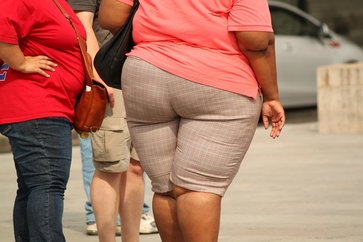
Osteoarthritis is the most prevalent degenerative joint disorder, particularly affecting older adults, and is a major cause of disability worldwide. Its rising incidence is largely linked to unhealthy lifestyle habits, especially obesity, which places excess strain on weight-bearing joints. 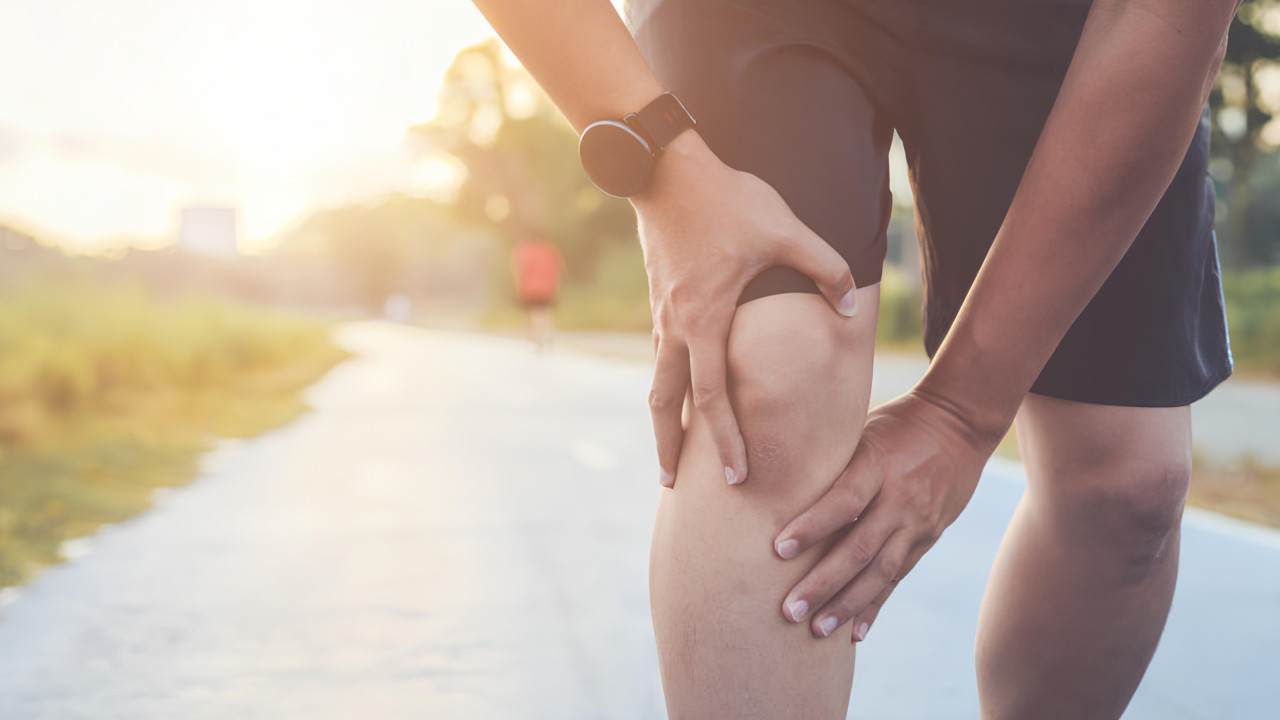 This accelerates cartilage breakdown, leading to pain, stiffness, and reduced mobility. Commonly affected joints include the cervical and lumbar spine, hips, knees, and the base of the big toe. In the hands, the distal and proximal interphalangeal joints and the base of the thumb are frequently involved.
As the condition progresses, joint deformities and difficulty with daily activities may occur. Effective management includes early diagnosis, medical treatment, physical therapy, lifestyle modifications, and sometimes surgery.
Maintaining a healthy weight, engaging in regular low-impact exercise, and avoiding joint overuse are vital for slowing disease progression. Complementary therapies such as acupuncture and Ayurvedic treatments can also support joint function and improve overall quality of life.
Osteoarthritis Causes and Treatment in Ayurveda
Sandhivata is a type of vatavyadhi (disorder caused by the vitiation of vata) that occurs due to the imbalance of vata dosha, particularly caused by the consumption of vatavardhaka (increasing vata) Ahara (food) and Vihara (lifestyle) or due to the obstruction (avarna) of vata.
The treatment of Sandhivata is based on understanding its pathogenesis and mechanism of action. Patients with Sandhivata can be broadly classified into three categories based on the extent of dosha vitiation:
Types of Sandhivata
1. Bahu Doshaja Sandhivata (Sandhivata due to excessive morbid doshas)
2. Madhyama Doshaja Sandhivata (Sandhivata due to moderate dosha vitiation)
3. Alpa Doshaja Sandhivata (Sandhivata due to mild dosha vitiation)
Treatment Plan Based on Dosha Categories
The following is a treatment plan categorized by dosha types. Each plan is tailored to address specific doshic imbalances.
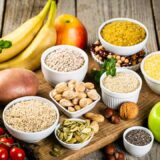
1. Pathya Aahara (Beneficial Food)
- Godhuma (wheat), Mamsa (meat), Raktashali (red rice), Godugdha (cow’s milk), Ajadugdha (goat’s milk), Ghrita (ghee), Draksha (grapes), Ama (jaggery), Madhuka (sugar), Ushna Jala (warm water), Sura (alcohol), Surasava (fermented alcoholic drinks), and Madhura-Amla-Lavana Rasa pradhana (sweet, sour, and salty tastes).
2. Pathya Vihara (Beneficial Lifestyle)
- Atapa Sevana (exposure to sunlight), Mridu Shayya (sleeping on a soft bed), Ushnodaka Snana (bath with warm water), and other gentle activities that support the body’s recovery.
3. Apathya Aahara (Harmful Food)
- Yava (barley), Kodrava (little millet), Chanaka (chickpeas), Kalaya (beans), Sheeta Jala (cold water), excessive consumption of alcohol (Ati Madya Pana), Sushka Mamsa (dry meat), and foods with Katu, Tikta, Kashaya Rasa (pungent, bitter, and astringent tastes).
4. Apathya Vihara (Harmful Lifestyle)
- Chinta (worry), Ratri Jagarana (staying awake at night), Vega Vidharana (suppression of natural urges), Shrama (excessive exertion), Anashana (fasting), Vyavaya (sexual activity), Vyayama (excessive exercise), Chankramana (extensive walking), and Kathina Shayya (sleeping on a hard surface).
Treatment Based on Dosha Imbalance
The following treatment plans are based on doshic imbalances. Each is specifically tailored to address the predominant dosha disturbance.
1. Bahu Doshaja Sandhivata (Excessive Dosha Imbalance)
- Samshodhana (Detoxification): This is the primary treatment for cases with a high level of dosha vitiation, focusing on purification and elimination of toxins from the body through methods like Panchakarma.
2. Madhyama Doshaja Sandhivata (Moderate Dosha Imbalance)
- Langhana (Fasting or Lightening Therapy): To reduce the excessive dosha, methods such as lightening the body through dietary restrictions are employed.
- Pachana (Digestive Therapy): Improving digestion to balance the digestive fire (Agni) through the use of specific herbs and food.
- Shamana (Palliative Therapy): Using soothing treatments and medications to calm the aggravated doshas.
3. Alpa Doshaja Sandhivata (Mild Dosha Imbalance)
- Langhana (Fasting or Lightening Therapy): A milder form of fasting or dietary restriction to help restore balance.
- Shamana (Palliative Therapy): Use of soothing and restorative treatments like gentle herbal therapies and lifestyle modifications.
Note: The treatment for Sandhivata is personalized, depending on the severity and type of dosha imbalance. It focuses on diet, lifestyle changes, detoxification, and balancing the body’s doshas using Ayurvedic principles.
Symptoms and Signs of Osteoarthritis
The following are common symptoms of osteoarthritis. These symptoms may vary in intensity depending on the severity and progression of the condition.
- Moderate to Severe Pain: Pain is typically felt at the affected joint, which can range from moderate to severe depending on the stage of the condition.
- Joint Stiffness: Stiffness is particularly noticeable after prolonged periods of rest or inactivity, such as after waking up in the morning or sitting for long periods.
- Restricted and Painful Movements: The range of motion in the affected joint may be limited, and movement can be painful, making daily activities difficult.
- Crunching or Crackling Noise (Crepitation): A sensation or sound of crunching or crackling when the joint moves, often due to rough cartilage surfaces rubbing against each other.
- Localized Tenderness: In more severe cases, the affected joint may be tender to the touch, causing discomfort or pain when pressure is applied.
- Swelling: Inflammation of the joint can lead to noticeable swelling, making the joint appear larger or puffed up.
- Increased Local Temperature: The area around the affected joint may feel warmer than usual due to inflammation.
These symptoms may worsen over time, leading to more difficulty in movement and daily functioning.
Types of Therapy for Osteoarthritis (Sandhivata)
There are several types of therapy available for osteoarthritis (Sandhivata). These therapies aim to manage symptoms and improve joint function.
1. Samshodhana Therapy for Osteoarthritis in Obese Patients
Osteoarthritis, particularly in obese individuals, often involves a Bahu Dosha condition, where there is an excess of morbid doshas, especially vata.
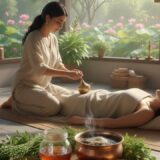
In such cases, Samshodhana (detoxification or purification therapy) is recommended to restore balance. The following Panchakarma treatments can be effective in managing Sandhivata in obese patients:
A. Vamana (Therapeutic Emesis)
- Madanaphala Pippali Yoga: This herbal formulation helps in inducing therapeutic vomiting, which is beneficial for eliminating excess kapha and vata dosha from the body, reducing inflammation and stiffness in the joints.
B. Virechana (Therapeutic Purgation)
- Abhayadi Modak and Trivruta Avaleha: These medicines are used to cleanse the body by inducing purgation, helping in the elimination of excess doshas, particularly pitta and vata, that aggravate osteoarthritis.
- Argavdhadi Kashaya and Triphala Kashaya: These herbal decoctions aid in purging toxins and balancing the doshas, especially when vata and pitta are involved in joint degeneration.
C. Asthapana Basti (Medicated Enema Therapy)
- Dashamuladi Niruha Basti: A medicated enema that helps in reducing inflammation and alleviating pain in the joints by cleansing the lower gastrointestinal tract and balancing the doshas.
- Erandamuladi Niruha Basti: Another enema therapy that focuses on soothing vata dosha and improving joint mobility and comfort.
These Panchakarma therapies are crucial in reducing the excess doshas in the body, promoting joint health, and offering relief from the pain and stiffness associated with osteoarthritis, especially in obese patients.
2. Raktamokshana Therapy for Sandhivata (Osteoarthritis)
In cases where there is involvement of Rakta Dhatu (blood tissue) in the Samprapti (pathogenesis) of Sandhivata (osteoarthritis), Raktamokshana (bloodletting) therapy can be an effective treatment.
One of the most widely used techniques is Jalauka (Leech Therapy), which involves the application of leeches to the affected joint, facilitating bloodletting. This therapy can provide instant relief from pain and help in breaking down the pathology associated with osteoarthritis.
A clinical research study titled ‘Efficacy of Leech Therapy in the Management of Osteoarthritis (Sandhivata)’ was carried out by Rai PK et al., published in the Journal of Natural & Ayurvedic Medicine (2019).
This study included 32 patients diagnosed with osteoarthritis, who were treated with leech therapy at the S.S. Hospital, Banaras Hindu University, Varanasi. The findings of the study included the following:
- Immediate Relief: Pain and stiffness started to decrease after the first sitting of leech therapy.
- Significant Improvement: After the last follow-up session, there was a significant reduction in symptoms including pain, stiffness, tenderness, and swelling.
- Healing of Bite Sites: The scar from the leech bite was visible initially but faded within 2-3 weeks after the final session of therapy.
- Side Effects: Some patients experienced itching at the bite site, which subsided after 2-3 hours post-therapy. In a few cases, bleeding from the bite site lasted more than an hour. However, these were temporary and resolved naturally.
- No Radiographical Changes: The study did not observe any radiological changes in joint structure, suggesting that the therapy works symptomatically rather than altering the underlying degeneration.
Based on the pilot study, the researchers concluded that leeche therapy is beneficial in reducing pain, tenderness, stiffness, crepitus (grating or crackling noise in the joints), and swelling in patients with osteoarthritis.
Furthermore, leech therapy offers an effective alternative to prolonged use of analgesics and anti-inflammatory drugs, helping to improve the quality of life for arthritis patients without the side effects associated with long-term medication u
3. Agnikarma Therapy for Osteoarthritis (Sandhivata)
Agnikarma, also known as therapeutic heat burn, is an effective treatment for severe joint pain in osteoarthritis patients. It involves the application of controlled heat to the affected joint using Pancha Dhatu Loha Shalaka (a special metallic rod).
This therapy works by balancing the local Vata and Kapha doshas, which are often aggravated in osteoarthritis, thereby reducing pain and inflammation.
A research study conducted by Nilesh Jethava et al., titled ‘Role of Agnikarma in Sandhigata Vata (Osteoarthritis of the Knee Joint)’, demonstrated the benefits of Agnikarma for managing Janugata Sandhivata (knee osteoarthritis). The study included 28 diagnosed patients who were randomly divided into two groups:
- Group-A: Treated with Rajata Shalaka (silver rod).
- Group-B: Treated with Loha Shalaka (iron rod).
Both groups underwent four sittings of Agnikarma therapy. The study assessed the relief of symptoms, such as pain and crepitus (joint crackling), at weekly intervals. The statistical analysis was conducted using Student’s t-test.
Results:
Pain Relief:
- Group-A (Rajata Shalaka) showed 76.31% relief in pain.
- Group-B (Loha Shalaka) showed 83.77% relief in pain.
Relief from Crepitus:
- 57.13% of patients in Group-A experienced relief from crepitus.
- 57.92% of patients in Group-B experienced relief from crepitus.
The study concluded that Loha Shalaka (iron rod) provided slightly better results in terms of pain relief compared to Rajata Shalaka (silver rod). However, there was no statistically significant difference between the two groups.
4. Shamana Therapy for Osteoarthritis (Sandhivata)
After Shodhana (purification therapy) or appropriate Langhana (lightening) and Pachana (digestive therapy), Shamana therapy can be effectively used to manage the remaining symptoms of Sandhivata (osteoarthritis). Shamana therapy focuses on providing palliative care and soothing the aggravated doshas (mainly vata and kapha) without further aggravating the condition.
Before starting Shamana therapy, it is important to first correct the Agni (digestive fire) to ensure that the body is prepared to absorb the therapeutic benefits. The following herbal drugs can be used to correct Agnidipana (improvement of digestive fire) and Pachana (digestion) in patients with Sandhivata:
Medicines for Pachana and Agnidipana in Sandhivata
The following medicines for Pachana and Agnidipana are used in the treatment of Sandhivata. They help stimulate digestion and balance the digestive fire to manage the condition effectively.
- Rasna: Known for its anti-inflammatory properties, Rasna is commonly used to soothe vata and relieve joint pain in osteoarthritis.
- Lasuna (Garlic): Acts as a natural anti-inflammatory and antioxidant, helping to reduce pain and swelling in the joints.
- Panchatikta Dravya Kashaya: A combination of five bitter herbs, which helps balance the doshas, especially vata and kapha, and supports the digestive system.
- Agnitundivati: This herbal formulation stimulates the digestive fire, improving digestion and ensuring that subsequent therapies are more effective.
- Sanjivani Vati: Known for its rejuvenating and revitalizing properties, it helps in improving overall vitality and supports the digestive system.
- Lasunadi Vati: Another garlic-based preparation that supports digestion and acts as a natural anti-inflammatory agent for joint health.
- Hingvastaka Churna: A combination of asafoetida and other herbs that improves digestion, alleviates bloating, and balances vata dosha, which is key in managing osteoarthritis.
- Shivakshara Pachana Churna: A specific herbal powder that aids in improving digestion, balancing vata, and reducing inflammation.
These digestive tonics and anti-inflammatory herbs help to restore the digestive fire, allowing for effective management of Sandhivata symptoms in the later stages of treatment. Once Agni is corrected, Shamana therapy can be safely administered to relieve pain, stiffness, and other discomforts associated with osteoarthritis.
Shamana Therapy in the Treatment of Sandhivata
The following therapies are used as Shamana treatment for Sandhivata. These help in managing symptoms and restoring balance in the affected joints.
1. Guggulu Kalpana: Guggulu-based formulations are widely used for their anti-inflammatory, analgesic, and rejuvenating properties in managing osteoarthritis, especially for vata-related disorders. These formulations help reduce swelling and improve joint function over time.
2. Sneha Kalpana: Oils and fats used in Ayurvedic preparations help nourish and lubricate the joints, reducing stiffness and improving mobility. Regular use of Sneha Kalpana helps to reduce discomfort and maintain joint health.
3. Kwatha (Herbal Decoctions): A combination of herbs boiled in water to make a concentrated decoction. Some commonly used Kwathas include:
- Dashmuladi Taila: A herbal oil for joint pain and inflammation, improving circulation and mobility.
- Panchatikta Kwath: A combination of five bitter herbs that helps balance the doshas and improve digestion while reducing inflammation in joints.
- Rasnadi Kwath: Specifically used for vata disorders, this decoction helps reduce joint pain, stiffness, and swelling.
4. Rasa Aushadha (Metallic and Mineral Preparations): These formulations include minerals and metals to enhance the therapeutic effects. Examples include:
- Godanti Bhasma: A mineral-based preparation used for its anti-inflammatory properties, beneficial for reducing swelling and improving joint function.
- Muktashukti Bhasma: A mineral formulation that helps in joint health by reducing inflammation and providing pain relief.
- Prvala Pisti: Helps in reducing pain and inflammation, as well as supporting overall joint health and rejuvenation.
5. Yogaraja Guggulu: An effective formulation for balancing vata dosha, it is used for treating joint pain, stiffness, and inflammation in osteoarthritis. It not only alleviates pain but also helps in enhancing joint mobility.
6. Dashamula Kwath: A decoction made from the roots of ten medicinal plants, known for its anti-inflammatory and analgesic properties, especially for vata disorders. It is highly beneficial in treating chronic joint issues and improving overall joint health.
7. Navajivana Rasa: Used for its rejuvenating effects on the musculoskeletal system, promoting joint health and reducing inflammation. This formulation supports recovery from chronic joint pain and strengthens the affected tissues.
8. Panchatikta Guggulu: Known for its detoxifying and anti-inflammatory properties, it is effective for treating osteoarthritis and its associated symptoms. It works to improve joint health by reducing excess toxins and promoting healing.
9. Rasna Saptaka Kwath: A formulation containing Rasna, known for its potent action in reducing joint pain, stiffness, and swelling. This decoction works effectively on reducing vata aggravation, which is often the primary cause of osteoarthritis.
10. Rasna Guggulu: A combination of Rasna and Guggulu that provides relief from inflammation and joint stiffness. This formulation also helps in improving flexibility and reducing chronic pain in the joints.
11. Rasna Taila: An herbal oil used to treat vata-related joint disorders by reducing pain and improving joint function. Regular use of Rasna Taila also supports tissue regeneration and overall joint health.
12. Phalatrikadi Kwath: A decoction known for its analgesic and anti-inflammatory properties, effective in treating osteoarthritis. It helps reduce pain and swelling while supporting the nourishment of affected joints.
13. Gokshuradi Guggulu: This formulation uses Gokshura, which is known for its diuretic and anti-inflammatory properties, helpful for joint health. It promotes improved mobility and reduces fluid retention in the joints.
14. Lashunadi Taila: An oil made with Lashuna (Garlic) that helps reduce inflammation and promote circulation in the joints. It also works as an antimicrobial agent, helping to reduce swelling caused by infection or inflammation.
15. Maharasnadi Kwath: A decoction used to manage pain and inflammation, especially in vata-related conditions. It improves circulation to the joints and alleviates the discomfort associated with stiffness and swelling.
16. Mahayogaraja Guggulu: This combination is used for its potent anti-inflammatory and analgesic effects, useful for osteoarthritis management. It not only provides relief from pain but also restores function and mobility to the affected joints.
17. Nirgundi Taila: An herbal oil that is effective in relieving pain, inflammation, and stiffness in the joints. It is particularly useful for treating chronic musculoskeletal pain and inflammation caused by vata imbalances.
18. Erandmuladi Kwath: A decoction containing Erandamula (Castor Root), which is used to alleviate pain and inflammation in the joints. It is effective in treating both acute and chronic pain associated with osteoarthritis.
19. Samir Pannaga Rasa: A mineral-based formulation used for pain relief and joint function improvement. It works to strengthen the joint tissues while reducing inflammation and discomfort.
20. Tryodashanga Guggulu: Known for its anti-inflammatory and rejuvenating properties, this formulation is used for chronic joint disorders. It helps to reduce pain and stiffness, promoting long-term relief and joint health.
21. Punarnavastaka Kwath: A decoction with Punarnava that helps in reducing inflammation and improving joint mobility. It is particularly beneficial for alleviating swelling and promoting fluid balance in the joints.
22. Bruhata Vatchintamani Rasa: A powerful mineral-based preparation used for managing severe pain and joint degeneration. It is known to strengthen joints and provide significant relief from chronic osteoarthritis symptoms.
23. Saptavinshati Guggulu: Known for its effectiveness in treating joint pain, inflammation, and stiffness. It also helps to balance the doshas and improve the overall function of the affected joints.
24. Gokshuradi Kwath: A decoction that includes Gokshura, beneficial for treating joint-related issues. It is known for improving mobility and reducing the discomfort of osteoarthritis symptoms.
25. Vatavidhvansa Rasa: This formulation is used specifically for treating vata imbalance and the associated symptoms of pain and stiffness. It helps in reducing vata aggravation, improving joint health, and restoring function.
26. Laksha Guggulu: This formulation is used for its anti-inflammatory and analgesic properties, helping manage osteoarthritis symptoms. It supports the regeneration of joint tissues and provides relief from pain and swelling.
27. Abha Guggulu: A potent anti-inflammatory formulation used to relieve pain, swelling, and stiffness in the joints. Regular use helps restore mobility and prevents further degeneration of joint tissues.
These Shamana therapies, including herbal preparations, guggulus, oils, and decoctions, help balance the doshas, particularly vata, and improve joint health by reducing pain, inflammation, and stiffness associated with Sandhivata (Osteoarthritis). They work in tandem to provide relief and enhance joint function over time.
Osteoarthritis (Sandhivata) requires stage-specific treatment for effective management. Panchavidha Kashaya Kalpana suits early stages, Sneha Kalpana helps moderate degeneration, and Guggulu Kalpana with Rasa Aushadhi is effective in advanced stages. Choosing drugs based on Sadavidha Kriyakala ensures better results.
References:
- Gucclcone AA, Felson DT, Anderson JJ, Anthony JM, Zhang Y, et al. (1994) The effect of specific medical condition on the functional limitations of elders in the Framingham study. Am J Public Health 84(3): 351-358.(1)
- Ayurveda based Non Pharmacotherapeutic Integrated Intervention in Sandhivata w.s.r. to Osteoarthritis(2)
- Sharma MK, Swami HM, Bhatia V, Verma A, Bhatia SP,et al. (2010) An Epidemiological study of correlates of osteo-arthritis in geriatric population of UT Chandigarh. Indian J Community Med 32(1): 77-78.(3)
- Pai XC, Rymer WZ, Chang RW, Sharma L (1997) Effect of age and osteoarthritis on neeproprioception.Arthritis Rheum 40(12): 2260-2265.(4)
- Jethava NG, Dudhamal TS, Gupta SK (2015) Role of Agnikarma in Sandhigata Vata (osteoarthritis of knee joint). Ayu 36(1): 23-28.(5)
- Grampurohit PL, Rao N, Harti SS (2014) Effect of Anuvasana Basti with Ksheerabala Taila in Sandhigata Vata (Osteoarthritis). Ayu 35(2): 148-151(6)
- Gupta PK, Samarakoon SM, Chandola HM, Ravishankar B (2011) Clinical evaluation of Boswellia serrata (Shallaki) resin in the management of Sandhivata (osteoarthritis). Ayu 32(4): 478-482.(7)
- Akhtar B, Mahto RR, Dave AR, Shukla VD (2012) Clinical study on Sandhigata Vata w.s.r. to Osteoarthritis and its management by Panchatikta Ghrita Guggulu). Ayu 31(1): 53-57.(8)