Masala Chai Recipe: Ingredients, Benefits & Side Effects

Masala chai is more than a drink in India; it’s a daily ritual, a comfort, and a cultural treasure. Millions start their mornings with its steaming, aromatic cup. The rich spices and sweet aroma can uplift spirits, evoking the bustling streets of Delhi or the serene ghats of Varanasi. From street-side stalls to corporate offices, railway platforms to grand estates, masala chai unites people across all walks of life. The chaiwala, an iconic figure, brews this fragrant beverage with skill and care. Simple ingredients create a complex, sweet, and invigorating drink loved by everyone.
**During chilly monsoon evenings or frosty winter mornings, masala chai offers warmth and solace. Each cup carries a legacy of history, culture, and wellness. Enjoying it is a journey through India’s culinary artistry, tradition, and emotion, making it an essential part of everyday life.
What Is Indian Masala Chai? A Historical Tapestry
Indian Masala Chai is a symphony of strong black tea, milk, sweetener, and a dynamic blend of spices called “masala.” Meaning “a mixture of spices,” it hints at the drink’s layered complexity. Its history reflects colonial influence, indigenous adaptation, and economic creativity.
Spices have long been used in medicinal and culinary decoctions, known as “kadha,” in Ayurveda, India’s ancient system of medicine. Tea leaves arrived later. Native to Assam, tea became widely consumed after the British promoted large-scale cultivation in the 19th century to rival China.
Initially marketed to the British, strong Assam tea was expensive for locals. Ingenious Indians began adding milk, sugar, and plentiful spices, making it affordable, flavorful, and nourishing. Workers embraced it, enjoying energy, warmth, and satiety. Masala chai thus emerged from everyday life, not palaces.
This spiced brew captivates all who taste it. Its layered flavors, aromatic allure, and ability to comfort while invigorating create devotion. Every cup tells a story of history, culture, and creativity—a drink that embodies both heritage and the simple joy of mindful indulgence.
The Magic of Masala Chai: Ingredient by Ingredient
The beauty of masala chai lies in its template-like recipe. There is no single authoritative version; rather, it is a concept built on five pillars, each with vast possibilities for personalization.
1. The Tea: The Robust Foundation
The backbone is a strong black tea capable of standing up to the potent spices and milk. Assam tea is the classic and most preferred choice. Grown in the Brahmaputra Valley, it is known for its bold, malty, and robust character, which provides a perfect, non-bitter base that complements rather than fights the spices.
Alternatives and Regional Variations:
- Darjeeling: Sometimes used for a more floral, muscatel note, though its delicate nature can be overwhelmed.
- Nilgiri: A fragrant, bright tea from South India, often used in that region’s versions.
- Kashmiri Kahwa: A celebrated variant from the north that uses green tea as its base, infused with saffron, almonds, and cardamom, and often served without milk.
- Pu-erh: Some experiment with this fermented Chinese tea for an earthy depth.
- CTC (Crush, Tear, Curl): This grade of tea, with its small pellets, is ubiquitous in India for daily chai. It brews very strong, fast, and is ideal for the vigorous boiling method of street-side chai.
2. The Milk: Creamy Canvas
Milk adds body, sweetness, and balances the astringency of the tea and the heat of the spices.
- Traditional: Buffalo milk was historically used for its rich, creamy texture. Today, whole cow’s milk is standard, providing a familiar comfort.
- Modern & Dietary Adaptations: The rise of dietary preferences has welcomed alternatives. Soy milk offers a neutral, protein-rich base. Almond milk adds a subtle nuttiness, while coconut milk (or coconut cream) imparts a tropical, luxurious sweetness, popular in coastal areas. Oat milk froths well and provides a pleasant creaminess.
- Dairy-Free Purists: For those avoiding milk entirely, a strong “kadak” chai can be made with water alone, though the character changes significantly.
- The Unconventional: In some street-style recipes, a splash of condensed milk is used for instant sweetness and cream, eliminating the need for separate sugar. An even more decadent, dessert-like version involves simmering tea with a scoop of vanilla or malai ice cream.
3. The Spices (Masala): The Soul of the Drink
This is where artistry and tradition shine. Every family has its own blend, often passed down through generations. The spices are not just for flavor; each brings its Ayurvedic properties to the mix.
The Classic Pantheon:
- Ginger (Adrak): Non-negotiable for many. Freshly crushed ginger provides a sharp, warming, and digestive kick.
- Green Cardamom (Elaichi): The queen of spices in chai. It adds a sweet, floral, and slightly citrusy aroma. Pods are lightly crushed to release their seeds.
- Cinnamon (Dalchini): A stick adds a sweet, woody warmth that permeates the brew.
- Cloves (Laung): One or two buds contribute a penetrating, sweet-pungent warmth and antiseptic quality.
- Black Peppercorns (Kali Mirch): Adds a subtle, linear heat that enhances the other spices and promotes circulation.
The Extended Universe:
- Star Anise (Chakra Phool): Imparts a sweet, licorice-like flavor.
- Fennel Seeds (Saunf): Offers a gentle, sweet digestif note.
- Nutmeg (Jaiphal): A tiny pinch of freshly grated nutmeg adds warmth and complexity.
- Bay Leaf (Tej Patta): The Indian bay leaf has a distinct cinnamon-cassia aroma.
- Black Salt (Kala Namak): A pinch in certain regional styles adds an intriguing savory-sulfur note.
- Saffron (Kesar): For luxury, a few threads in “Kesar Chai” impart a gorgeous color and delicate flavor.
- Rose Petals: Dried petals lend a beautiful fragrance, often found in Kashmiri Kahwa.
- Tulsi (Holy Basil): Adds a herbal, adaptogenic quality.
- Mint: For a fresh, cooling twist.
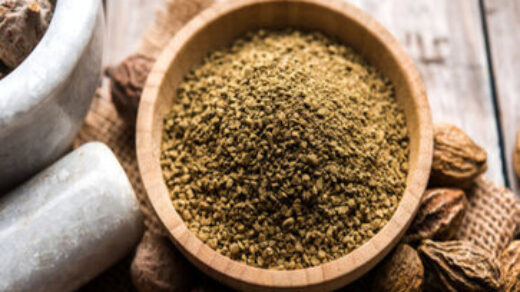
The spices can be used whole, lightly crushed, or ground into a fine powder (“masala chai powder”). Whole spices offer a more nuanced, evolving flavor during simmering, while powder provides immediate intensity.
4. The Sweetener: The Harmonizing Note
Sweetness is crucial to balance the spic,e heat, and tea tannins.
- Jaggery (Gur): The traditional, unrefined cane or palm sugar. It has a deep, caramel-like, almost smoky sweetness and is rich in minerals. It dissolves into a distinctive flavor.
- White Sugar: The most common everyday choice, providing pure sweetness.
- Honey: Added after brewing to preserve its enzymes, it brings its own floral notes. Not traditionally used in boiling, but popular in modern adaptations.
- Coconut Sugar: A less refined alternative with a lower glycemic index.
- Other Natural Sweeteners: Maple syrup or dates are also used in contemporary recipes.
5. The Water: The Unsung Hero
Often overlooked, the quality of water matters. Filtered or spring water is best, as chlorine or heavy minerals can distort the delicate spice flavors. The water-to-milk ratio is also key to achieving the perfect “color of coffee with milk.”
The Science of Sip: Masala Chai Benefits and Side Effects
Masala chai is more than a tasty drink; it’s a wellness beverage rooted in Ayurvedic principles. Each spice contributes to a holistic profile of benefits, though moderation and individual constitution are key.
Detailed Health Benefits:
- Enhanced Digestion: Ginger, black pepper, cardamom, and fennel are celebrated carminatives. They stimulate digestive enzymes, reduce bloating, gas, and nausea. A cup after a meal can be profoundly soothing.
- Anti-inflammatory & Antioxidant Powerhouse: Ginger (gingerol), cinnamon (cinnamaldehyde), and cloves (eugenol) possess potent anti-inflammatory compounds. The flavonoids in black tea, combined with these spices, create a powerful antioxidant cocktail that fights oxidative stress.
- Immune System Support: The antimicrobial properties of cloves, ginger, and black pepper, combined with the immune-boosting potential of cinnamon and cardamom, make masala chai a popular home remedy at the first sign of a cold or sore throat.
- Metabolic and Cardiovascular Health: Cinnamon is linked to improved insulin sensitivity and lower blood sugar levels. Black tea may help reduce LDL (“bad”) cholesterol. The spices collectively can promote healthy circulation.
- Cognitive Function and Mood: The moderate caffeine from tea (about half that of coffee) provides gentle alertness, while L-theanine promotes calm focus. The aroma therapy from spices like cardamom and cinnamon can reduce anxiety and uplift mood.
- Respiratory Relief: The warming spices, especially ginger, black pepper, and cloves, can help clear sinus congestion and provide relief in conditions like the common cold.
- Weight Management: As part of a balanced diet, masala chai can aid metabolism. Its satisfying nature can also curb unhealthy snacking. Ginger and black pepper are particularly noted for their thermogenic properties.
Potential Side Effects and Contraindications
While generally safe, the potent nature of the ingredients demands awareness.
- Caffeine Sensitivity: Although lower than coffee, the black tea base contains caffeine. Overconsumption can lead to anxiety, insomnia, or palpitations in sensitive individuals.
- Spice Sensitivity: The “hot” nature of spices like ginger, black pepper, and cloves can aggravate conditions like acid reflux (GERD), gastritis, or peptic ulcers. They should be used sparingly or avoided during flare-ups.
- Pregnancy and Lactation: Pregnant women are often advised to limit certain spices like fenugreek, star anise (in large amounts), and excessive ginger. Consulting a doctor is crucial. Mild cardamom or fennel chai is usually considered safer.
- Children: The caffeine and strong spice blend are generally not recommended for very young children. A greatly diluted, mildly spiced version (primarily cardamom) may be offered to older children.
- Medication Interactions: Ginger and cinnamon can interact with blood-thinning medications (like warfarin) and diabetes drugs. Those on such medications should consult their physician.
- Allergies: Though rare, allergies to specific spices can occur.
- Sugar Content: The health benefits can be negated by excessive sugar. Using jaggery, honey, or minimal sugar is advised.
The key is to listen to your body. Start with a mild spice blend and adjust according to your tolerance and health conditions.
The Art of Brewing: Techniques and Top Recipes
The method is as important as the ingredients. The goal is to fully extract flavors from both tea and spices through a process of boiling and simmering, known as “umna” in Hindi.
The Classic Stovetop Method:
- Toast & Crush: Lightly toast whole spices in a dry pan to enhance their oils, then crush them coarsely in a mortar and pestle.
- The First Boil: In a saucepan, combine water, crushed spices, and fresh ginger. Bring to a rolling boil.
- Add Tea: Add loose-leaf tea (or CTC), reduce the heat, and simmer for 2-3 minutes.
- The Milk Simmer: Add milk and sweetener. Bring back to a gentle boil, then immediately reduce the heat. Let it simmer for 3-5 minutes, allowing it to foam up (“chodna”) once or twice. This step is crucial for texture and flavor integration.
- Strain and Serve: Strain into cups through a fine sieve. Serve immediately.
Five Elaborated Masala Chai Recipes
Recipe 1: The Classic Street-Style “Kadak” Chai
This is the strong, flavorful chai you find at every Indian railway station.
- Spices: 4 green cardamom pods (crushed), 1-inch cinnamon stick, 3-4 cloves, 6-8 black peppercorns, 1-inch fresh ginger (smashed).
- Base: 2 heaped tsp CTC Assam tea, 1 cup water, 1 cup full-fat milk, 2 tsp sugar or jaggery.
- Method: Boil water with spices for 5 mins. Add tea, boil 2 mins. Add milk and sweetener, bring to a vigorous boil until it rises. Reduce heat, simmer 2 mins. Strain and serve in a “kulhad” (clay cup) for authenticity.
Recipe 2: A Fragrant, Floral Homestyle Blend
A more nuanced, aromatic blend reminiscent of family kitchens.
- Spices: 5 green cardamom pods, 2-star anise, 1/2 tsp fennel seeds, a small piece of nutmeg (grated), a pinch of dried rose petals.
- Base: 1.5 tsp whole-leaf Assam tea, 1.5 cups water, 1/2 cup milk, honey to taste.
- Method: Simmer water and all spices (except nutmeg) for 7-8 minutes on low heat, covered. Add tea leaves, steep for 2 minutes. Add milk, heat until just before boiling. Remove, stir in grated nutmeg. Strain, let cool slightly, then add honey.
Recipe 3: The Ginger-Heavy “Adrak Chai” (Winter Special)
Perfect for cold days or when feeling under the weather.
- Spices: A 2-inch knob of ginger (julienned), 2 green cardamom pods, 1 black cardamom pod (for smokiness), a tiny pinch of ground cloves.
- Base: 2 tsp black tea, 1 cup water, 1 cup milk, jaggery to taste.
- Method: Vigorously boil water with ginger and spices for a full 10 minutes until the water is reduced and potent. Add tea, simmer 2 mins. Add milk and jaggery, bring to a boil and simmer for 3-4 minutes. Strain and feel the warmth spread.
Recipe 4: Vegan Golden Chai (Turmeric Chai)
A modern, anti-inflammatory powerhouse.
- Spices: 1 tsp fresh turmeric (grated) or 1/2 tsp powder, 1/2 tsp fresh ginger, 1 cinnamon stick, 1/4 tsp black pepper (essential to activate turmeric), 3 cardamom pods.
- Base: 1.5 tsp black or green tea, 1.5 cups almond or oat milk, 1/2 cup water, maple syrup to taste.
- Method: Simmer water with all spices for 10 minutes. Add tea, steep 2-3 mins. Add plant-based milk, warm through (do not boil vigorously). Strain, sweeten with maple syrup. A dash of coconut oil can be added for fat-soluble nutrient absorption.
Recipe 5: Slow-Cooker/Slow-Infused Masala Chai for a Crowd
Ideal for parties or making a concentrate.
- Spices: 10 cardamom pods, 2 cinnamon sticks, 10 cloves, 1 tbsp fennel seeds, 1-star anise, a large knob of ginger (sliced).
- Base: 1/2 cup loose-leaf Assam tea, 8 cups water, 4 cups milk, sweetener to taste.
- Method: Combine all spices and water in a slow cooker. Cook on LOW for 4-6 hours. An hour before serving, turn to HIGH, add tea leaves, and steep for 45 minutes. Strain the entire mixture into a pot. To serve, mix the concentrate with fresh milk (1:1 ratio), heat, sweeten, and enjoy.
Beyond the Cup: Cultural Significance, Global Journey, and Tips
The Chaiwala and the Chai Stall: The roadside chai stall is a microcosm of Indian society—a place for gossip, business deals, political debate, and quiet reflection. The chaiwala’s skillful, rhythmic pouring from one pot to another to cool the tea (“pulling”) is a performance in itself.
Masala Chai Goes Global: From the “chai lattes” in Western coffee shops (often made from sugary syrup) to artisanal chai bars, the drink has captivated the world. This globalization has led to delightful fusions: chai-spiced cakes, cookies, ice cream, and even cocktails.
Practical Tips for the Perfect Brew:
- Use Fresh Ingredients: Fresh ginger, whole spices you grind yourself, and good-quality tea make a world of difference.
- Experiment with Ratios: The tea-milk-water-spice balance is personal. Start with a 1:1:2 ratio of milk:water: total liquid and adjust.
- Don’t Overboil Milk: Prolonged vigorous boiling can make milk rubbery. Simmer gently.
- Make a Concentrate: Boil a strong spice-tea mixture with water only. Store in the fridge for up to a week. Mix with hot milk and sweetener for a quick cup.
- Source Quality Spices: Indian grocery stores or online retailers are the best sources for authentic, fresh spices and pre-made masala chai blends like those from brands like Tata Tea Gold Masala Chai or Wagh Bakri.
Masala chai is more than a drink—it is a ritual for the senses. Each cup invites pause, comfort, and connection, from spice to steam. Whether following tradition or crafting your own blend, it celebrates care and creativity .Savor each sip as a story, a moment of warmth in a bustling world.