Pancha Prana Mudras: To Balance the Five Vital Energies

In the ancient science of yoga, Prana (life force energy) is considered the fundamental force that sustains all living beings. According to yogic philosophy, Prana flows through subtle energy channels (nadis) and manifests in five primary forms known as the Pancha Prana (Five Vital Energies). 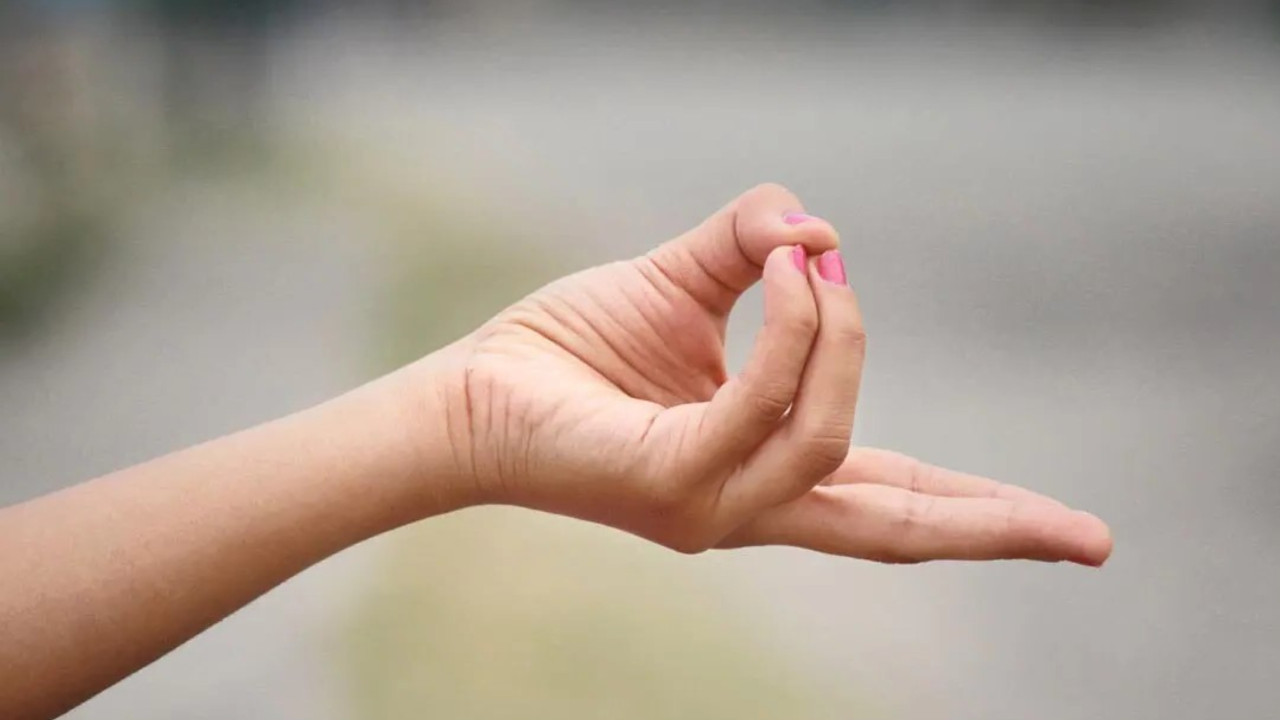 These energies govern different physiological and psychological functions in the body, influencing everything from respiration and digestion to mental clarity and emotional stability.
When these energies are imbalanced, physical ailments, mental disturbances, and emotional instability can arise. This imbalance can be triggered by stress, poor lifestyle habits, environmental toxins, or unresolved emotional trauma.
To restore equilibrium, yogic traditions offer various tools—among the most accessible and effective being Pancha Prana Mudras—specific hand gestures that regulate the flow of Prana by activating subtle energy circuits within the body.
These mudras act as energetic keys, allowing practitioners to consciously influence their inner state and reconnect with their natural vitality. Regular practice of these mudras not only balances the Pranic energies but also deepens awareness, enhances meditation, and supports holistic healing.
The Five Pancha Pranas (Vital Energies)
In yogic physiology, Prana is not a single, uniform force but is differentiated into five distinct energies known as the Pancha Pranas. Each of these vital forces governs specific physiological and psychological processes.
Understanding their unique functions and areas of influence allows practitioners to apply the appropriate mudras for targeted healing, energy alignment, and overall vitality.
1. Prana Vayu – Inward-Moving Energy
- Primary Location: Chest, throat, and head
- Function: Responsible for inhalation, sensory perception, and the functioning of the heart and lungs. It draws life force inward and governs our connection to the breath and the senses.
- Signs of Imbalance: Shortness of breath, anxiety, restlessness, poor concentration, and heart palpitations.
2. Apana Vayu – Downward-Moving Energy
- Primary Location: Pelvic region and lower abdomen
- Function: Oversees elimination, reproductive functions, and the detoxification process. It helps release waste and stagnant energies from the body.
- Signs of Imbalance: Constipation, menstrual irregularities, urinary issues, fatigue, and lower back discomfort.
3. Samana Vayu – Balancing Energy
- Primary Location: Navel region and digestive organs
- Function: Acts as the harmonizing force, balancing the upward and downward flows of energy. It governs digestion, nutrient assimilation, and core strength.
- Signs of Imbalance: Bloating, poor digestion, low metabolism, and feelings of heaviness or lethargy after eating.
4. Udana Vayu – Upward-Moving Energy
- Primary Location: Throat, head, and upper chest
- Function: Facilitates speech, self-expression, growth (both physical and spiritual), and mental clarity. It is associated with willpower and spiritual awakening.
- Signs of Imbalance: Difficulty in speaking or expressing thoughts, thyroid imbalances, dizziness, lack of direction, or motivation.
5. Vyana Vayu – Expansive, Circulatory Energy
- Primary Location: Entire body, especially the circulatory and nervous systems
- Function: Distributes energy throughout the body, coordinating movement, circulation, and communication between body systems.
- Signs of Imbalance: Poor blood flow, numbness, joint stiffness, uncoordinated movements, and lack of integration between body and mind.
Pancha Prana Mudras
In yogic science, mudras are powerful hand gestures that channel and redirect the flow of Prana (life force energy) within the body.
Each mudra creates a specific energetic circuit that corresponds to one of the Pancha Pranas, helping to restore balance, promote healing, and support mental-emotional equilibrium. Regular practice can lead to profound shifts in vitality and awareness.
1. Prana Mudra – For Prana Vayu (Inward-Moving Energy)
- Technique: Touch the tip of the thumb to the tips of the ring and little fingers. Keep the index and middle fingers extended and relaxed.
Primary Benefits:
- Enhances overall vitality and strengthens immunity
- Supports respiratory health and heart function
- Improves concentration and mental clarity
Suggested Practice: 15–20 minutes daily, especially during times of fatigue or mental dullness.
2. Apana Mudra – For Apana Vayu (Downward-Moving Energy)
- Technique: Join the thumb with the tips of the middle and ring fingers; keep other fingers straight.
Primary Benefits:
- Promotes healthy elimination and detoxification
- Supports reproductive and urinary systems
- Eases menstrual discomfort and bloating
Best Time to Practice: Early morning on an empty stomach for optimal cleansing effect.
3. Samana Mudra – For Samana Vayu (Balancing Energy)
- Technique: Bring all fingertips together so they touch at a single point, forming a pyramid shape. Keep the hands relaxed.
Primary Benefits:
- Enhances digestion, assimilation, and metabolism
- Balances blood sugar and appetite
- Reduces indigestion, acidity, and bloating
Ideal Practice Position: Sit in Vajrasana (Thunderbolt Pose) after meals to stimulate digestive fire (Agni).
4. Udana Mudra – For Udana Vayu (Upward-Moving Energy)
- Technique: Touch the tips of the thumb, index, and middle fingers together. The other fingers remain gently extended.
Primary Benefits:
- Enhances speech, expression, and vocal strength
- Stimulates thyroid and upper respiratory function
- Promotes mental clarity, self-confidence, and creativity
Special Application: Use before public speaking, chanting, or meditation for centered communication.
5. Vyana Mudra – For Vyana Vayu (Expansive Energy)
- Technique: Touch the tip of the thumb to the tip of the index finger to form a circle (Jnana Mudra or Chin Mudra); extend other fingers.
Primary Benefits:
- Improves circulation and nerve function throughout the body
- Calms the nervous system and reduces anxiety
- Helps regulate blood pressure and supports muscular coordination
Suggested Combination: Highly effective when practiced with Pranayama techniques such as Nadi Shodhana (Alternate Nostril Breathing).
How to Practice Pancha Prana Mudras Effectively
To harness the full potential of Pancha Prana Mudras, it’s important to approach the practice with intention, consistency, and awareness. By aligning breath, posture, and visualization, these subtle gestures become powerful tools for energy balancing and inner transformation.
1. Best Time & Duration
Morning Practice:
- Practicing in the early morning (preferably during Brahma Muhurta, just before sunrise) helps align your energy for the day.
- Duration: 15–20 minutes per mudra, or a shortened sequence of 5 minutes each if time is limited.
Evening Practice:
- Evening sessions are ideal for grounding, relaxation, and integrating the day’s experiences.
- Can be combined with meditation or gentle breathwork for deeper impact.
2. Ideal Posture
Choose a comfortable, stable seated posture that supports a straight spine and relaxed body. This allows energy to flow freely through the nadis (energy channels).
- Sukhasana (Easy Pose): A simple cross-legged position suitable for most people.
- Padmasana (Lotus Pose): Traditional meditative posture; excellent for advanced practitioners.
- Vajrasana (Thunderbolt Pose): Particularly beneficial for digestion and is ideal after meals—especially for practicing Samana Mudra.
Tip: You may use a cushion or folded blanket under the hips or knees for comfort.
3. Combining with Breathwork (Pranayama)
Integrating mudras with Pranayama enhances their energetic effects:
Prana Mudra + Deep Yogic Breathing
- Expands lung capacity, revitalizes energy, and calms the mind.
Apana Mudra + Kapalbhati (Skull-Shining Breath)
- Stimulates the lower abdomen, supports detoxification, and clears mental stagnation.
Vyana Mudra + Nadi Shodhana (Alternate Nostril Breathing)
- Balances the left and right energy channels, promotes relaxation, and harmonizes the nervous system.
Note: Perform breathwork mindfully and at your comfort level. Beginners may start with just a few minutes and gradually increase duration.
4. Enhancing with Visualization
Visualization adds a powerful mental and energetic dimension to mudra practice. As you hold each mudra:
- Visualize the corresponding energy center activating and radiating light or warmth.
Example:
- Prana Mudra: Imagine golden or white light filling your chest and lungs with vibrant life force.
- Apana Mudra: Visualize a downward flow of cleansing energy, clearing toxins and grounding you.
- Udana Mudra: See a soft, violet light rising from the throat to the crown, lifting your awareness.
This combination of intention, gesture, breath, and visualization deepens your connection to the subtle body and magnifies the benefits of the practice.
Top 10 Benefits of Regular Practice
When practiced consistently, Pancha Prana Mudras serve as a gateway to balancing your internal energy systems and harmonizing the body-mind connection. Below are ten deeply impactful benefits that emerge from regular practice:
1. Enhanced Energy and Vitality
Practicing these mudras helps activate dormant energy centers and awaken the body’s natural life force. This results in increased stamina, reduced lethargy, and a sustained feeling of vitality throughout the day. It supports both physical endurance and mental alertness.
2. Improved Respiratory Function
By aligning with the Prana Vayu, specific mudras like Prana Mudra encourage deeper and more conscious breathing. This increases oxygen absorption, supports lung health, and can be especially beneficial for those dealing with asthma, breathlessness, or shallow breathing patterns.
3. Better Digestion and Detoxification
Mudras such as Samana and Apana Vayu Mudras work directly on the abdominal region to stimulate digestive enzymes, aid nutrient absorption, and support elimination. Over time, this reduces issues like bloating, constipation, acidity, and sluggish digestion, while also enhancing metabolic efficiency.
4. Mental Clarity and Focus
By harmonizing subtle energies in the head and upper chakras, these mudras clear mental fog, improve memory retention, and enhance your ability to stay present. They are especially effective when combined with focused breathing and meditation.
5. Emotional Stability
Regular mudra practice helps regulate the flow of Prana, calming the nervous system and balancing emotional highs and lows. It fosters a deep sense of inner peace and resilience, making it easier to manage stress, anxiety, and emotional triggers.
6. Balanced Hormonal and Reproductive Health
Apana Mudra in particular supports reproductive organs and hormonal glands by encouraging the downward and purifying flow of energy. It helps regulate menstrual cycles, supports fertility, and eases symptoms related to hormonal imbalance such as mood swings or fatigue.
7. Improved Circulation and Nerve Function
Mudras like Vyana Mudra stimulate blood flow and enhance the communication pathways of the nervous system. This promotes warmth in the limbs, reduces numbness or tingling, and improves coordination and muscular efficiency across the body.
8. Enhanced Speech and Communication
Through activating Udana Vayu, mudras help open the throat chakra (Vishuddha), improving articulation, vocal strength, and confidence. This benefit is especially useful for teachers, speakers, singers, or anyone needing clearer self-expression.
9. Deeper Meditation and Inner Awareness
The stillness encouraged by these hand gestures allows the mind to settle naturally into meditation. By redirecting Pranic flow inward, they create a conducive environment for introspection, spiritual connection, and the cultivation of mindfulness and presence.
10. Holistic Healing and Integration
When practiced regularly, Pancha Prana Mudras promote alignment across the physical, emotional, mental, and energetic bodies. This leads to a more balanced life experience, heightened self-awareness, and a profound sense of harmony with oneself and the universe.
General Guidelines for Practicing Pancha Prana Mudras
To experience the full benefits of Pancha Prana Mudras, it’s important to follow some foundational principles. These simple yet powerful guidelines will help you cultivate a focused and effective practice.
Timing
- The early morning (preferably during Brahma Muhurta, just before sunrise) is ideal for mudra practice, as the mind is calm and the energy channels are more receptive.
- However, any time of day is beneficial—especially when you need energy, clarity, or emotional balance.
Duration
- Start with 5 to 10 minutes per mudra.
- Gradually increase to 15–20 minutes as you become more comfortable and attuned to the practice.
- Multiple mudras can be practiced in sequence or individually, depending on your focus.
Posture
Sit comfortably in a meditative pose such as:
- Padmasana (Lotus Pose) – ideal for deeper meditative states
- Sukhasana (Easy Pose) – accessible and comfortable for most people
- Vajrasana (Thunderbolt Pose) – especially good for digestion-focused mudras
- Or seated on a chair with your spine upright and feet grounded if floor seating is uncomfortable
Keep the spine straight, shoulders relaxed, and body still.
Breath Awareness
- Pair each mudra with deep, slow, and rhythmic breathing.
- Breath becomes the bridge between body and mind, enhancing the energetic effects of the mudra.
- You can also incorporate Pranayama techniques for a deeper experience.
Consistency
- Like all yogic practices, regularity is key.
- Daily practice—even for just a few minutes—yields far greater results than occasional, longer sessions.
- Create a quiet, sacred space where you can return to this practice each day.
FAQ’s
1. What are the 5 Prana Mudras?
The 5 Prana Mudras correspond to the five Pancha Pranas (vital energies):
- Prana Mudra – Boosts vitality (for Prana Vayu)
- Apana Mudra – Aids elimination and detox (for Apana Vayu)
- Samana Mudra – Enhances digestion (for Samana Vayu)
- Udana Mudra – Improves speech and clarity (for Udana Vayu)
- Vyana Mudra – Supports circulation and balance (for Vyana Vayu)
2. What are the asanas for Pancha Prana?
There aren’t specific asanas named after the five pranas, but these yoga poses support the energies:
- Prana Vayu: Bhujangasana (Cobra Pose), Anulom Vilom
- Apana Vayu: Malasana (Garland Pose), Pavanamuktasana
- Samana Vayu: Vajrasana, Ardha Matsyendrasana
- Udana Vayu: Ustrasana (Camel Pose), Sarvangasana
- Vyana Vayu: Tadasana, Surya Namaskar
3. Who should avoid Prana Mudra?
Prana Mudra is generally safe for all, but individuals with high blood pressure or hyperactivity should practice with mindfulness and under guidance, as it can significantly increase energy levels.
4. Which is the most powerful mudra?
Prana Mudra is often considered the most powerful due to its ability to awaken dormant energy, enhance immunity, and harmonize the entire pranic system.
Other potent mudras include Shunya Mudra (for ear issues) and Gyan Mudra (for mental clarity).
5. Which mudra is most calming?
Jnana Mudra (Chin Mudra), which involves touching the thumb and index finger, is deeply calming and is commonly used in meditation to promote peace and mental stillness.
6. Which chakra is associated with Prana?
Prana primarily relates to the Anahata (Heart Chakra), as it governs breath and the flow of life energy through the chest region. However, it also influences all chakras depending on its directional movement.
7. Which mudra gives instant energy?
Prana Mudra is known for instantly revitalizing the body and mind, especially when combined with deep breathing or sun exposure. It’s helpful during fatigue or low-energy moments.
8. How to improve Prana?
To increase and balance Prana:
Practice Pranayama (e.g., Nadi Shodhana, Bhastrika)
- Eat fresh, sattvic (pure) foods
- Spend time in nature
- Use energy-altering mudras
- Maintain positive thoughts and emotions
9. How to perform Prana Mudra?
Touch the tips of the ring and little fingers to the thumb. Keep the other two fingers extended. Sit comfortably with a straight spine and breathe deeply for 15–20 minutes.
10. What is the 5th chakra mudra?
The 5th chakra is the Throat Chakra (Vishuddha). Its associated mudra is Granthita Mudra, which involves interlocking fingers and touching the tips of the thumbs together, promoting self-expression and clear communication.
11. What is Panch Pran Mudra?
This term sometimes refers to the collective set of five mudras associated with the Pancha Pranas. Each mudra targets a specific energy and physiological function for complete pranic balance.
12. What are the 5 Tattvas of Tantra?
In Tantra, the Five Tattvas (Elements) are:
- Prithvi (Earth)
- Apas (Water)
- Agni (Fire)
- Vayu (Air)
- Akasha (Ether)
Each element corresponds to a finger and mudra, influencing specific energies and chakras.
13. What are the 5 types of Agnis?
In Ayurveda and Yoga, the five types of Agni (digestive/metabolic fires) are:
- Jatharagni – Main digestive fire in the stomach
- Bhuta Agni – Fires associated with the five elements
- Dhatu Agni – Fires within tissue layers
- Pachaka Agni – Digests food
- Sadhaka Agni – Governs mental processing and emotions
The Pancha Prana Mudras are a powerful yet simple tool to harmonize the body’s vital energies. By practicing these hand gestures daily, one can experience improved health, mental clarity, and emotional balance.