Three Types Of Food: Sattvic, Rajasic, Tamasic – What Are They?

Food plays a vital role in our overall well-being, not just in terms of nutrition but also in terms of our mental and spiritual health. In ancient Indian philosophy, food is classified into three categories: Sattvic, Rajasic, and Tamasic. 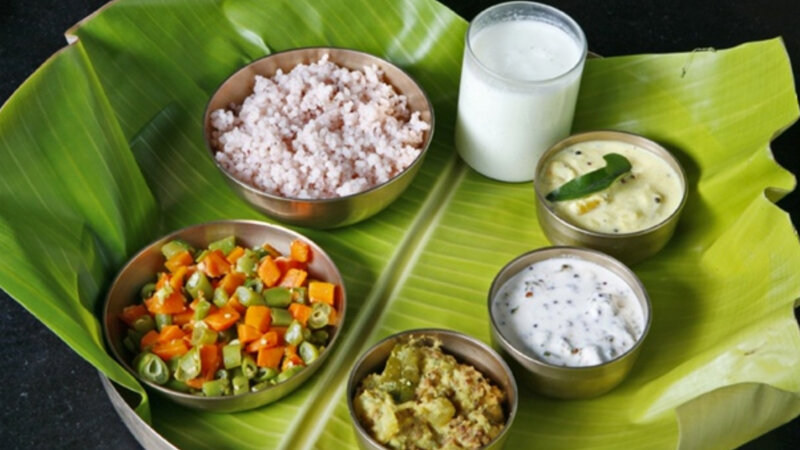 Each type of food has distinct qualities and impacts our body, mind, and consciousness in different ways. In this article, we will explore these three types of food and understand their characteristics, effects, and the importance of consuming them mindfully.
By becoming aware of how food influences our inner state, we can make choices that support clarity, balance, and harmony. Conscious eating thus becomes a path to deeper self-awareness and holistic health.
3 Types Of Food That Influence Our Well-being
Food is more than just sustenance—it plays a vital role in shaping our physical health, mental clarity, and spiritual awareness. According to the ancient Indian science of Ayurveda, all foods fall into three categories: Sattvic, Rajasic, and Tamasic. Each type carries distinct qualities that influence the body and mind in different ways.
By understanding these classifications, we can make conscious dietary choices to support holistic well-being.
1. Sattvic Food: Nourishing Body, Mind, and Spirit
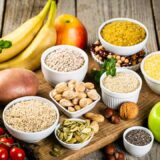
Sattvic foods are pure, fresh, and naturally balanced. They include:
- Fresh fruits and vegetables
- Whole grains and legumes
- Nuts and seeds
- Dairy (from ethical sources)
- Mild spices and herbal teas
These foods are rich in nutrients, fiber, and antioxidants. They are known to promote mental clarity, emotional stability, and spiritual growth, while enhancing vitality and calmness.
A Sattvic diet is ideal for those seeking balance, peace of mind, and a healthy body.
2. Rajasic Food: Stimulating and Energetic
Rajasic foods are stimulating and dynamic. They include:
- Spicy, salty, or heavily seasoned dishes
- Fried or oily foods
- Caffeinated beverages
- Processed or fast foods
While these foods can enhance energy, drive, and ambition, overconsumption may lead to restlessness, irritability, and mental agitation.
Rajasic foods are often favored in fast-paced lifestyles, but they should be consumed in moderation to avoid imbalance.
3. Tamasic Food: Dulling and Inert
Tamasic foods are heavy, stale, or impure. Common examples include:
- Overcooked or leftover food
- Processed and refined items
- Excessive sugar or salt
- Alcohol and meat (especially when not ethically sourced)
These foods are believed to dull the mind, promote lethargy, and encourage negative emotions like anger or apathy. A predominantly Tamasic diet can obstruct both physical health and spiritual growth.
Striking a Balance
While a Sattvic diet is considered ideal for health and inner peace, Ayurveda acknowledges that life’s demands may sometimes necessitate Rajasic or even Tamasic foods.
The key is mindful eating—being aware of how each food affects your energy, emotions, and overall state of being. By consciously choosing what to consume, you can cultivate a lifestyle that supports your body, sharpens your mind, and uplifts your spirit.
How to Identify Sattvic, Rajasic, and Tamasic Foods
Understanding the nature of the food we eat is key to making mindful choices that support our overall well-being. In Ayurveda, foods are classified based on the qualities they possess and the effects they have on the body and mind.
Here’s how to identify the three types:
1. Sattvic Foods – Pure and Vitalizing
- Qualities: Fresh, organic, light, natural, and nourishing
- Examples: Fresh fruits and vegetables, whole grains, legumes, nuts, seeds, herbal teas, and dairy (when sourced ethically and consumed in moderation)
- Effects: Promotes clarity, calmness, compassion, and spiritual awareness
How to recognize them: Sattvic foods are unprocessed, naturally colorful, easy to digest, and usually freshly prepared. They feel “alive” and energizing without overstimulating.
2. Rajasic Foods – Stimulating and Active
- Qualities: Hot, spicy, salty, oily, or overly flavorful
- Examples: Coffee, tea (with caffeine), fried foods, heavily spiced dishes, onions, garlic, pickles, and processed snacks
- Effects: Increases activity, ambition, restlessness, and sometimes aggression
How to recognize them: Rajasic foods often overstimulate the senses. They may taste intense, feel energizing at first, but can lead to fatigue or agitation later.
3. Tamasic Foods – Heavy and Dulling
- Qualities: Stale, processed, fermented, heavy, or lifeless
- Examples: Leftovers, canned or frozen foods, meat (especially red meat), alcohol, sugary snacks, and excessively salty or oily foods
- Effects: Promotes lethargy, confusion, dullness, and negative emotional states
How to recognize them: Tamasic foods tend to feel heavy or overly filling. They often lack freshness, are difficult to digest, and may leave you feeling sluggish or mentally foggy.
Make Conscious Choices
By tuning into the energy and freshness of your food, you can start identifying its classification intuitively. While a predominantly Sattvic diet is recommended for balance and inner peace, occasional Rajasic or Tamasic foods may be part of life. The key is awareness and moderation.
The Importance of Mindful Eating
Mindful eating is the practice of bringing full awareness and presence to the act of eating. It encourages us to slow down, appreciate our food, and truly connect with the experience of nourishing our bodies. By engaging our senses and paying attention to hunger and fullness cues, mindful eating helps build a healthier and more balanced relationship with food.
Key Points:
- Presence During Meals: Mindful eating involves being fully present and focused while eating, without distractions.
- Savoring Each Bite: Encourages slowing down to enjoy the taste, texture, aroma, and appearance of food.
- Engaging the Senses: Helps us appreciate food more deeply by using all five senses during meals.
- Listening to the Body: Promotes awareness of physical hunger and fullness signals, preventing overeating or undereating.
- Healthier Food Choices: Leads to more thoughtful and nutritious eating decisions.
- Gratitude for Food: Inspires appreciation for the effort, resources, and people involved in bringing food to our table.
- Improved Digestion: Eating slowly and mindfully can support better digestion and nutrient absorption.
- Emotional Awareness: Reduces emotional eating by encouraging a deeper understanding of why we eat.
- Balanced Relationship with Food: Fosters respect for the body’s needs and a more intuitive, less judgmental approach to eating.
- Overall Well-being: Supports both physical health and emotional balance through conscious eating habits.
The Impact of Food on Consciousness
Food is more than physical fuel—it plays a powerful role in shaping our mental and emotional state. The type of food we consume can influence our consciousness, thoughts, emotions, and even our spiritual awareness. In many traditional systems of thought, especially in yogic and Ayurvedic philosophies, foods are categorized based on their energetic impact on the mind: Sattvic, Rajasic, and Tamasic.
Key Points:
Sattvic Foods
- Pure, fresh, and natural (e.g., fruits, vegetables, whole grains, nuts, and dairy in moderation).
- Promote mental clarity, inner peace, and spiritual awareness.
- Support a balanced, calm, and harmonious state of mind.
- Ideal for meditation and spiritual practices.
Rajasic Foods
- Stimulating and intense (e.g., spicy foods, coffee, processed foods, fried items).
- Can lead to restlessness, irritability, and overactivity.
- May temporarily increase energy and ambition but disturb mental balance.
Tamasic Foods
- Heavy, stale, overcooked, or processed (e.g., alcohol, leftovers, junk food, meat in excess).
- Tend to cause lethargy, confusion, and negative emotions like fear or anger.
- Over time, may dull physical vitality and reduce spiritual sensitivity.
Conscious Eating Choices
- Awareness of food’s impact empowers us to make supportive dietary decisions.
- Nourishing the mind and soul is as important as nourishing the body.
- Choosing higher-vibration foods can lead to greater emotional stability, mental clarity, and inner harmony.
Top 10 Benefits of a Sattvic Diet
A Sattvic diet, rooted in Ayurveda and yogic philosophy, emphasizes pure, natural, and wholesome foods. It is more than just a way of eating—it’s a path to physical health, mental clarity, and spiritual harmony.
Here are ten powerful benefits of adopting a Sattvic lifestyle through food:
1. Promotes Mental Clarity and Focus
Sattvic foods calm the mind and support clear thinking. They reduce mental agitation, making it easier to concentrate and make wise decisions.
2. Reduces Stress and Anxiety
By avoiding overstimulating or heavy foods, a Sattvic diet helps stabilize the nervous system, promoting emotional balance and reducing anxiety.
3. Boosts Physical Energy and Vitality
Fresh, plant-based foods nourish the body with essential nutrients and prana (life force), enhancing stamina, energy, and physical strength.
4. Supports Spiritual Growth
Sattvic foods are known to raise consciousness, support meditation, and help cultivate inner peace, compassion, and self-awareness.
5. Improves Digestion and Gut Health
Whole grains, legumes, fruits, and vegetables are easy to digest and rich in fiber, which promotes a healthy digestive system and regular detoxification.
6. Enhances Immune Function
A Sattvic diet includes foods high in antioxidants, vitamins, and minerals, strengthening the immune system and reducing inflammation.
7. Encourages Mindful Eating Habits
Eating sattvically promotes awareness of what, how, and when you eat. This leads to more intentional choices and a deeper connection with your food.
8. Cultivates Positive Emotions
Sattvic foods are believed to support qualities like kindness, patience, contentment, and joy, reducing tendencies toward anger, greed, or lethargy.
9. Supports a Healthy Weight
Natural, unprocessed foods are typically lower in calories and free from harmful additives, helping maintain a healthy body weight without extreme dieting.
10. Aligns with Ethical and Sustainable Living
A Sattvic diet often emphasizes vegetarianism, organic produce, and mindful sourcing, supporting the principles of ahimsa (non-violence) and environmental care.
Living the Sattvic Way
Adopting a Sattvic diet isn’t about restriction—it’s about nourishment, awareness, and balance. When you eat foods that align with your body, mind, and spirit, you naturally move toward greater health, peace, and purpose.
The Danger of an Imbalanced Diet
An imbalanced diet—especially one dominated by rajasic or tamasic foods—can disrupt the delicate harmony between the body, mind, and spirit.
- Excessive rajasic foods, which are spicy, oily, and overly stimulating, may lead to digestive disturbances, nervous tension, irritability, and restlessness. While they may offer a temporary energy boost, they often result in burnout and emotional volatility.
- Overindulgence in tamasic foods, such as processed, stale, or heavily refined items, can contribute to lethargy, weight gain, mental fog, and even emotional instability. These foods dull the mind and disconnect us from vitality and awareness.
Without mindful balance, these dietary extremes can negatively affect our physical health, mental clarity, and emotional well-being. To support a more harmonious life, it’s important to cultivate a diet that leans toward sattvic qualities—nourishing, fresh, and life-enhancing—while keeping rajasic and tamasic foods in moderation.
Incorporating Sattvic Qualities in Your Daily Meals
Adopting a Sattvic approach to eating doesn’t require a complete dietary overhaul. Instead, it involves making mindful, intentional choices that align with purity, balance, and inner harmony.
Here are practical ways to bring Sattvic qualities into your everyday meals:
1. Choose Fresh, Whole Foods
Prioritize seasonal fruits, vegetables, whole grains, legumes, nuts, and seeds. Opt for foods that are natural, organic, and minimally processed to preserve their prana (life force).
2. Cook with Love and Simplicity
Prepare meals with a calm and positive mindset. Keep recipes simple, using mild spices like turmeric, cumin, coriander, and ginger. Avoid overly spicy, salty, or heavy preparations.
3. Eat Freshly Prepared Meals
Whenever possible, eat food that is freshly cooked. Avoid leftovers, stale, or frozen meals, as they lose vitality and become tamasic in nature.
4. Include Sattvic Staples
Incorporate ghee, milk, honey, fresh coconut, and herbal teas—all considered sattvic when sourced ethically and used in moderation.
5. Practice Mindful Eating
Eat in a peaceful environment without distractions. Chew slowly, savor the flavors, and be fully present. This deepens your connection with the food and aids digestion.
6. Offer Gratitude Before Meals
A simple moment of gratitude or prayer before eating can transform your meal into a sacred act. It sets the tone for nourishment that feeds both body and spirit.
7. Align Meals with Nature’s Rhythms
Eat your heaviest meal at midday when digestion is strongest, and keep dinner light. Avoid eating late at night, when the body prepares for rest.
8. Avoid Overeating
Eat until you’re satisfied—not full. A light stomach supports energy, clarity, and inner peace, all of which are sattvic in nature.
9. Drink Pure Water and Herbal Infusions
Stay hydrated with clean, room-temperature water and herbal teas. Avoid sugary drinks, sodas, and excessive caffeine.
10. Minimize Rajasic and Tamasic Influences
Gradually reduce fried, spicy, processed, stale, and excessively sweet foods. Even small shifts can lead to noticeable improvements in mood, digestion, and energy.
Make Food a Meditation
Incorporating sattvic qualities isn’t just about what’s on your plate—it’s a way of living with intention, purity, and awareness. Each meal becomes an opportunity to nourish not only the body, but also the mind and soul.
Achieving Balance: The Path to Holistic Health
True wellness arises from balance—not just in what we eat, but in how we live. In the Ayurvedic tradition, maintaining a mindful balance between sattvic, rajasic, and tamasic foods is key to nurturing the body, mind, and spirit.
Rather than rigidly eliminating certain foods, the goal is to cultivate awareness and moderation in your dietary choices:
- Favor sattvic foods to promote clarity, vitality, and inner peace.
- Use rajasic foods mindfully when energy, action, or drive is needed.
- Limit tamasic foods, especially when they contribute to stagnation or emotional heaviness.
Stay attuned to your body’s signals. Needs shift with age, lifestyle, seasons, and emotional states—so allow your diet to be flexible, responsive, and intuitive.
Embrace a way of eating that is not only nourishing and diverse, but also aligned with your higher intentions. When your meals reflect conscious choices, they become a path to vibrant health, emotional balance, and inner harmony.
Frequently Asked Questions On the Sattvic Diet
1. What foods are considered Sattvic, Rajasic, or Tamasic?
Sattvic foods include fresh fruits, vegetables, whole grains, nuts, and dairy. Rajasic foods are spicy, oily, or heavily seasoned. Tamasic foods include processed, stale, and heavy items like meat and alcohol.
2. How does a Sattvic diet benefit mental and physical health?
A Sattvic diet promotes mental clarity, emotional balance, physical vitality, and supports spiritual growth through pure and nourishing foods.
3. Can I mix all three types of foods in one meal?
While a predominantly Sattvic meal is ideal, small amounts of Rajasic and Tamasic foods can be included mindfully, depending on your body’s needs and lifestyle.
4. How can I gradually transition to a Sattvic diet?
Start by increasing fresh fruits, vegetables, and whole grains while reducing processed and heavily spiced foods. Practice mindful eating and observe how your body responds.
5. Are spices like onion and garlic Rajasic or Tamasic?
Onion and garlic are generally considered Rajasic or Tamasic in Ayurveda, as they can stimulate restlessness or dullness, so they are often avoided in strict Sattvic diets.
6. What effects do Rajasic and Tamasic foods have on mood and behavior?
Rajasic foods may cause restlessness, irritability, and agitation, while Tamasic foods can lead to lethargy, confusion, and negative emotions.
7. How can I identify Sattvic foods in a modern grocery store?
Look for fresh, organic, whole, and unprocessed foods. Avoid overly packaged, fried, or artificially flavored items.
8. Is meat always Tamasic? What about eggs or dairy?
Meat is typically classified as Tamasic due to its heaviness and effect on the mind. Eggs and dairy can vary—dairy from ethical sources is often considered Sattvic, while eggs may lean Tamasic.
9. Can cooking attitude or intent change the guna (quality) of food?
Yes! Ayurveda teaches that preparing food with love, calmness, and positive intent enhances its Sattvic quality, making it more nourishing for body and mind.
10. How does meal timing affect the guna of food?
Eating heavier meals when digestion is strongest (usually midday) supports better absorption and maintains balance, while light meals in the evening promote restful sleep and mental calmness.