
Ayurvedic Medicine for Acidity and Gas in India – The Best Natural Relief

The burning sensation rising in your chest. The uncomfortable bloating that makes you loosen your belt. The embarrassing and often painful gas. If you’re familiar with these symptoms, you are far from alone. Acidity, heartburn, and gas are ubiquitous complaints in the modern world, often dismissed as minor inconveniences to be quieted with a quick-acting antacid. But what if these symptoms are not the problem itself, but rather your body’s urgent distress signals? What if they are messages, telling you that a core physiological process—your digestion—is fundamentally out of balance?
Ayurveda, the “science of life” from India, offers not just relief but a profound answer to this question. It moves beyond mere symptom suppression, inviting us on a journey to discover and address the root cause of our discomfort.
Ayurveda teaches that acidity and gas are not diseases to be feared, but rather guides pointing toward Agnimandya—a weakened digestive fire—and an imbalance in our foundational energies, the doshas.
The Ayurvedic Perspective: Understanding the “Why”
Ayurveda sees the human body as a microcosm of the universe, made up of five elements:
- Space
- Air
- Fire
- Water
- Earth
These elements combine to form three primary biological energies (doshas):
- Vata (Air & Space)
- Pitta (Fire & Water)
- Kapha (Water & Earth)
Health is defined as a balance between Vata, Pitta, and Kapha. Disease occurs when there is an imbalance in one or more doshas. Ayurveda’s healing approach focuses on restoring this balance to bring the body back to health.
The Role of Agni in the Digestive Fire
Agni, the digestive fire in Ayurveda, determines how well we digest food and absorb nutrients. A balanced Agni leads to good health, while impaired Agni causes issues like acidity and gas.
Key Points:
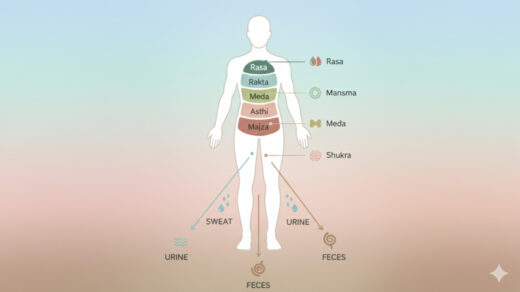
- Agni resides in the stomach and small intestine; it transforms food into energy and waste. When Agni is strong, all bodily tissues (dhatus) are nourished properly, supporting overall vitality.
- Sama Agni (balanced fire) ensures strong digestion, clear thinking, and a healthy immune system. It is the ideal state where digestion happens smoothly, with no leftover toxins or discomfort.
- Tikshna Agni (too strong) burns food too fast, causing hyperacidity or inflammation. This often results in a feeling of heat, heartburn, and irritation in the digestive tract.
- Manda Agni (too weak) leads to sluggish digestion, bloating, and heaviness. It causes food to sit undigested, fermenting in the gut and producing gas and discomfort.
- Vishama Agni (irregular) results in unpredictable digestion and gas. This type is often linked to stress or erratic eating habits and leads to alternating constipation and diarrhea.
- Impaired Agni leads to the formation of Ama—a toxic residue from undigested food. Ama weakens immunity, disrupts metabolism, and is considered the root cause of many diseases in Ayurveda.
- Ama clogs the body’s subtle channels (srotas), leading to acidity, gas, and chronic illness. If not cleared, Ama accumulates and spreads, causing deeper imbalances and long-term health issues.
The Doshic Imbalance in Acidity and Gas
While all three doshas can play a role, Pitta and Vata are the primary actors in this digestive drama.
1. Pitta Dosha: The Fire of Acidity
Pitta is composed of Fire and Water. It governs all metabolic transformations: digestion, absorption, assimilation, body temperature, and intelligence. In balance, Pitta gives us a sharp intellect, strong digestion, and courage. When aggravated, however, this internal fire rages out of control.
- Excess Heat (Usna): Dietary or lifestyle choices that are too “hot” (spicy, sour, fried foods, alcohol, excessive stress, anger) cause Pitta to accumulate, primarily in the stomach and small intestine—the main seats of Pitta.
- Upward Movement (Urdhva gati): Aggravated Pitta has a natural tendency to move upward. This pushes the acidic contents of the stomach into the delicate esophagus, which lacks the protective lining of the stomach. This results in the classic burning sensation of heartburn, acid reflux, and a sour taste in the mouth—a condition Ayurveda calls Amlapitta (“sour bile”).
- Symptoms of Pitta-Imbalanced Acidity: Burning sensation in chest and stomach, sour belching, nausea, excessive thirst, irritability, inflamed skin, and a sharp, cutting pain.
2. Vata Dosha: The Wind of Gas
Vata is composed of Air and Space. It is the energy of movement, governing everything from the flow of thoughts to the movement of food through the digestive tract. In balance, Vata grants creativity and easy elimination. When imbalanced, it creates dryness, instability, and turbulence.
- Erratic Movement: Imbalanced Vata disrupts the natural, downward-moving energy of digestion (Apana Vayu). Instead of moving downward for elimination, gas gets trapped and moves upward, causing bloating, distention, cramping, abdominal pain, constipation, and gurgling sounds—a condition related to Aadhmaana (bloating) and Atopa (flatulence).
- The Vata-Pitta Link: Very often, Pitta’s heat can aggravate Vata. The heat creates airiness and expansion, much like hot air rising, which further disrupts Vata’s flow, creating a cycle of burning acidity and painful gas.
3. Kapha Dosha: The Heaviness of Sluggishness
Kapha, made of Earth and Water, provides structure, stability, and lubrication. While less directly involved, imbalanced Kapha can contribute to digestive issues by dampening Agni.
A heavy, slow, cold Kapha quality can make digestion sluggish, leading to food sitting in the stomach for too long, fermenting, and producing gas. It can create a feeling of heaviness, nausea, and excessive mucus.
The Concept of Ama (Toxins)
Ama is the toxic byproduct of weak Agni. Think of it as the digestive “gunk” or “sludge” that forms when food rots instead of digesting. Ama is:
- Sticky: It clogs the channels of the body, preventing nutrients from reaching cells and waste from being eliminated.
- Toxic: It triggers the immune system, causing low-grade inflammation, which is the root of most modern chronic diseases.
- The Seed of Disease: Wherever Ama accumulates, it creates a fertile ground for illness. In the digestive tract, it directly causes gas, bloating, indigestion, and a coated tongue.
Common Causes of Acidity & Gas According to Ayurveda
Understanding the causes is the first step toward prevention. Ayurveda categorizes causes into diet (Ahara), lifestyle (Vihara), and other factors.
1. Dietary Causes (Ahara)
Overeating: This is one of the most common offenders. It overwhelms Agni, forcing it to work overtime and still failing to digest the food fully.
Incompatible Food Combinations (Viruddha Ahara): Ayurveda places great emphasis on how we combine foods. Some combinations, even of healthy foods, are difficult to digest and directly create Ama. Classic examples include:
- Milk with sour fruits, fish, or yeast-based bread.
- Eating fruit with or immediately after a meal (fruits digest fastest and will ferment if trapped with slower-digesting foods).
- Equal amounts of ghee and honey by weight (becomes toxic when heated).
Pitta-Aggravating Foods: Excessive spicy, sour, salty, and fermented foods (hot peppers, vinegar, pickles, citrus, onions, garlic). These directly pour gasoline on the Pitta fire.
Vata-Aggravating Foods: Excess dry, cold, light, and gas-producing foods (raw salads, crackers, beans without proper preparation, carbonated drinks). These increase the dry, mobile, and rough qualities of Vata.
Processed and Artificial Foods: These are devoid of Prana (life force) and are often laced with chemicals, preservatives, and refined sugars that are incredibly difficult for Agni to process, creating massive amounts of Ama.
Irregular Meal Times: Eating at different times every day confuses your Agni, which thrives on rhythm. Skipping meals, especially breakfast, and eating late at night are particularly harmful.
2. Lifestyle Causes (Vihara)
- Stress and Negative Emotions: This is a paramount factor. When you are stressed, anxious, or angry, your body is in “fight or flight” mode. Digestion is shut down as energy is diverted to the muscles and brain. Eating in this state guarantees poor digestion and Ama formation. Pitta types are especially prone to “stress eating” or eating when angry.
- Lack of Sleep: Sleep is the time when the body repairs itself. Disrupted sleep patterns deeply disturb Vata and prevent the body from processing the day’s metabolic waste.
- Sedentary Lifestyle: Movement stokes Agni. A lack of exercise leads to sluggish digestion and Kapha accumulation.
- Poor Eating Habits: Eating while working, watching TV, walking, or driving means you are not present with your food. Your body cannot properly signal hunger or satiety, and the cephalic phase of digestion (triggered by sight and smell) is impaired.
- Suppressing Natural Urges: Suppressing the urge to pass gas or have a bowel movement leads to reabsorption of toxins and aggravates Vata.
Other Factors: Certain medications (like NSAIDs or antibiotics), underlying health conditions (like SIBO or HPylori), and genetic predispositions can also play a role, making an Ayurvedic consultation even more valuable.
Ayurvedic Dietary Guidelines (Pathya-Apathya): Food as Medicine
Diet is the most powerful medicine in Ayurveda. The right diet can calm Pitta, settle Vata, and kindle Agni without the need for any other intervention.
1. Foods to Favor (Soothe Pitta & Pacify Vata)
The goal is to choose foods that are cooling, sweet, bitter, and astringent to balance Pitta, and warm, moist, and slightly oily to balance Vata.
Cooling Foods: Coconut water, cucumbers, leafy greens (especially kale and spinach), zucchini, sweet ripe fruits (melons, pears, grapes, avocados). These directly counteract excess heat.
Digestive Spices (in moderation): This is key. While many spices are “hot,” certain ones are brilliant for kindling Agni without aggravating Pitta.
- Cumin: Digests food, reduces gas and bloating.
- Coriander: Cooling and soothing to the digestive tract.
- Fennel: The premier spice for digestion. It cools the stomach, reduces gas, and freshens breath. Chewing a teaspoon of fennel seeds after a meal is a classic remedy.
- Fresh Ginger: A universal kindler of Agni. A pinch of fresh ginger juice with rock salt before meals works wonders.
- Turmeric: Anti-inflammatory, purifies the blood, and aids digestion.
- Cardamom: Reduces Ama and soothes stomach spasms.
- Healthy Fats: Ghee is celebrated in Ayurveda. It is butyric acid-rich, which helps heal the gut lining, pacifies Pitta and Vata, and carries the medicinal properties of herbs deep into the tissues. Use it for cooking or drizzle it over food.
- Grains: White basmati rice, old rice (stored for at least a year), barley, quinoa, and oats are generally easy to digest.
- General Rule: Prefer warm, cooked, moist, and well-spiced meals. Cooked food is pre-digested and places less burden on Agni. Favor soups, stews, kitchari, and steamed vegetables.
2. Foods to Avoid or Minimize (Aggravate Pitta & Vata)
Minimize foods that are pungent, sour, salty, drying, and cold.
- Heating Foods: Excessive chili peppers, raw onions and garlic, hot sauces, mustard, sour citrus (like lemons and grapefruit—lime is better), tomatoes, and radishes.
- Hard-to-Digest (& Ama-Forming): Red meat, processed meats, aged cheeses, fried foods, leftovers (especially beyond 24 hours), refined sugar and flour, packaged snacks.
- Fermented Foods: Yogurt (especially at night), vinegar, sour cream, and strong cheeses can aggravate Pitta-type acidity for some, though they can be beneficial in other contexts.
- Cold & Carbonated: Ice-cold drinks, refrigerated water, and carbonated beverages douse the digestive fire (Agni) and create gas.
- Caffeine & Alcohol: Both are heating, stimulating, and highly aggravating to Pitta. They can directly trigger heartburn and inflammation.
Powerful Ayurvedic Herbs and Formulations
In Ayurveda, herbs are not isolated chemicals; they are whole-plant substances with intelligence that work synergistically with the body to restore balance.
Key Single Herbs (Dravyas)
- Amla (Indian Gooseberry): The ultimate Pitta pacifier and rejuvenator. It is sour in taste but has a unique post-digestive effect (Vipaka) that is sweet and cooling. It is one of the richest natural sources of Vitamin C, which helps heal the gut lining. It is often taken as a powder mixed with warm water.
- Licorice (Yashtimadhu/Mulethi): A demulcent herb, meaning it soothes and coats irritated mucous membranes. It is excellent for healing esophageal and stomach inflammation caused by acid reflux. Caution: Those with high blood pressure should use Deglycyrrhizinated Licorice (DGL) or avoid it.
- Ginger (Shunti/Adrak): The “universal medicine.” Its pungent taste directly kindles Agni, and its hot potency helps digest Ama. It is a Vata- and Kapha-pacifying herb that relieves gas, bloating, and cramping. Use fresh, not dried, for the best results.
- Cumin (Jeera): A carminative powerhouse. It reduces bloating and gas, improves the flavor of food, and supports the absorption of nutrients.
- Coriander (Dhania): Both the herb and the seed are cooling and diuretic. Coriander seed water is a classic summer drink in India to cool the body and prevent acidity.
- Fennel (Saunf): The go-to after-meal digestive. Its sweet and cooling properties relieve stomach cramps, reduce gas, and neutralize acidity.
- Shatavari: A renowned rejuvenating herb for women, it is also profoundly cooling and nourishing. It is excellent for Pitta-type acidity that is exacerbated by stress, anxiety, or hormonal fluctuations.
Ayurvedic Medicine for Acidity and Gas
These are sophisticated combinations of herbs designed to create a synergistic effect. They should ideally be taken under the guidance of an Ayurvedic practitioner.
- Avipattikar Churna: The most famous classical powder for Amlapitta (acidity). It contains a blend of cooling herbs like licorice, coriander, and trifala with pungent digestives like black pepper and long pepper to strongly kindle Agni while clearing excess Pitta from the system. It is particularly good for acidity with constipation.
- Hingvastak Churna: A brilliant formulation for Vata-related digestive issues. Its main ingredient is Hing (Asafoetida), a powerful anti-flatulent. It relieves bloating, gas, abdominal pain, and loss of appetite. It is best taken cooked into food or with warm water and ghee.
- Amalaki (Amla) Rasayan: A rejuvenating preparation primarily of Amla, used to cool and nourish the body, strengthen digestion, and build immunity.
- Sukumara Ghritam / Guggul: These are medicated ghee and herbal preparations, respectively, often used for chronic constipation and Vata disorders in the lower abdomen, which are a major cause of gas and bloating.
- Drakshasava: A fermented liquid preparation (asava) based on raisins. It is a digestive tonic that improves appetite and digestion, useful for weak Agni.
Ayurvedic Lifestyle Practices & Home Remedies
True healing happens when we integrate wisdom into our daily lives.
Daily Routine (Dinacharya)
- Start with Warm Water: Upon waking, drink a glass of warm water. This hydrates the system and gently wakes up the digestive tract, flushing the channels.
- Establish a Meal Rhythm: Eat your three meals at the same time each day. Agni is strongest around noon, so make lunch your largest meal. Dinner should be lighter and eaten at least 3 hours before bedtime.
- Mindful Eating: This is non-negotiable. Sit down to eat. Take three deep breaths before you begin. Chew each bite until it becomes liquid. Put your fork down between bites. This simple practice alone can transform your digestion.
- The Three-Quarters Rule: Stop eating when you feel about three-quarters full. This leaves space for Agni to do its work effectively.
Key Behavioral Tips
- Post-Meal Walk: Avoid lying down, strenuous exercise, or rushing off after a meal. Instead, take a gentle 5-10 minute walk (Vata-pacifying) to encourage the downward flow of digestion.
- Left Nostril Breathing (Chandra Bhedana Pranayama): This is a powerful cooling breathing technique. Close your right nostril and inhale and exhale slowly and deeply through only your left nostril for 3-5 minutes. This activates the Ida nadi, which is cooling and calming, directly reducing Pitta.
- Manage Stress: Incorporate daily meditation, gentle yoga (Pitta-pacifying asanas like moon salutations, forward folds, and twists), and spending time in nature. This calms the nervous system and allows Agni to function optimally.
Simple & Effective Home Remedies
- CCF Tea (Cumin, Coriander, Fennel Tea): This is the gold standard. Boil 1 teaspoon each of cumin, coriander, and fennel seeds in 3-4 cups of water for 5-10 minutes. Strain and sip this warm tea throughout the day. It perfectly balances all three doshas, kindles Agni, and prevents gas and acidity.
- Aloe Vera Juice: 2 tablespoons of pure, inner-leaf aloe vera juice (without preservatives or flavorings) in a little warm water 20 minutes before a meal is incredibly soothing and cooling for an inflamed stomach lining.
- Coconut Water: Naturally cooling and rich in electrolytes, it is an excellent drink to pacify Pitta throughout the day.
- Ginger-Lemon-Honey: For Kapha or Vata types with weak Agni, not acute Pitta acidity. A small teaspoon of fresh ginger juice, a drop of lemon, and a teaspoon of honey in warm water 30 minutes before meals can powerfully stimulate digestion.
- The Quick Fix: A pinch of baking soda in water can neutralize acid immediately, but use this sparingly as a last resort, as it can disrupt natural stomach acid levels over time.
Important Precautions and When to See a Doctor
Ayurveda is a profound system of natural medicine, but it must be approached with wisdom and respect.
- Consultation is Key: This article is for educational purposes. Always consult with a qualified Ayurvedic practitioner or your healthcare provider before starting any new herbal regimen, especially if you are on other medications, are pregnant, or are breastfeeding. They can provide a proper diagnosis (vikruti and prakruti) and a personalized plan.
- Self-Diagnosis Limitation: Chronic acidity can be a symptom of more serious conditions like Gastroesophageal Reflux Disease (GERD), Helicobacter Pylori (H. pylori) infection, hiatal hernia, or even ulcers. It is crucial to get a proper medical diagnosis to rule these out.
Red Flags – Seek Immediate Medical Attention:
- Difficulty swallowing or feeling like food is stuck in your throat.
- Unintended weight loss.
- Severe, persistent pain.
- Vomiting blood or material that looks like coffee grounds.
- Black, tarry stools (indicating digested blood).
FAQ’s
1. What is the best Ayurvedic medicine for acidity and gas?
Answer: Some of the best Ayurvedic medicines for acidity and gas include Triphala, Avipattikar Churna, Ajwain, Licorice (Mulethi), and Cumin seeds. These herbs help balance the digestive fire (Agni), reduce toxins (Ama), and soothe the stomach lining naturally without side effects.
2. How does Ayurveda treat acidity and gas naturally?
Answer: Ayurveda treats acidity and gas by balancing the digestive fire (Agni) through herbal remedies, dietary changes, and lifestyle adjustments. It focuses on improving digestion, reducing toxin buildup (Ama), and calming aggravated Pitta and Vata doshas, which are often responsible for these symptoms.
3. Which herbs are effective for acidity and gas in Ayurveda?
Answer: Effective herbs include Triphala, Ajwain (carom seeds), Mulethi (licorice root), Cumin, Fennel seeds, and Ginger. These herbs improve digestion, reduce inflammation, and help expel gas from the digestive tract.
4. Is Triphala good for acidity and gas?
Answer: Yes, Triphala is highly effective in managing acidity and gas. It acts as a gentle laxative and detoxifier, improving digestion and cleansing the intestines, which helps reduce the production of gas and acidity.
5. How to use Ajwain for gas and acidity relief?
Answer: Ajwain seeds can be chewed directly or boiled in water to make a soothing tea. Drinking ajwain water after meals helps improve digestion and relieve gas and acidity quickly.
6. Can Ayurvedic medicine cure chronic acidity and gas?
Answer: Yes, Ayurvedic treatments aim to address the root cause of chronic acidity and gas by restoring digestive balance and detoxifying the body. Consistent use of herbal medicines, along with dietary and lifestyle changes, can provide long-term relief.
7. Are there any side effects of Ayurvedic medicines for acidity?
Answer: When used properly and under guidance, Ayurvedic medicines generally have minimal to no side effects. However, it is important to use authentic products and follow recommended doses, as improper use may cause mild digestive discomfort.
8. How long does Ayurvedic treatment take to relieve acidity and gas?
Answer: The time varies depending on the individual and the severity of the condition. Mild cases may see improvement within a few days, while chronic issues may require several weeks of consistent treatment and lifestyle changes.
9. Can Ayurveda prevent acidity and gas naturally?
Answer: Yes, Ayurveda emphasizes prevention through a balanced diet, mindful eating, stress management, and maintaining a healthy digestive fire (Agni). Using herbs like cumin, fennel, and ginger regularly can help prevent acidity and gas.
10. Where to buy authentic Ayurvedic medicine for acidity and gas?
Answer: Authentic Ayurvedic medicines can be purchased from reputable Ayurvedic pharmacies, certified online stores, and trusted brands like Himalaya, Patanjali, and Divya Pharmacy. Always check for quality certifications and consult an Ayurvedic practitioner if unsure.
Ayurvedic medicine offers a gentle, holistic approach to treating acidity and gas by addressing the root cause—imbalanced digestion and impaired Agni. Remedies like Triphala, Avipattikar Churna, Ajwain, and Licorice (Mulethi) not only provide symptom relief but also restore digestive balance over time.
References:
- MANAGEMENT OF GASTROESOPHAGEAL REFLUX DISEASE THROUGH AYURVEDA: A CASE STUDY(1)
- International Journal of Ayurveda and Pharma Research Review Article A REVIEW ON THE PROBABLE MODE OF ACTION OF HINGUVACHADI CHURNA (POWDER)-AN AYURVEDIC FORMULATION WITH MULTIFACETED ACTION(2)
- A case study: An ayurvedic management of Urdhwaga Amlapitta with special reference to hyperacidity(3)
- Managing Acid Reflux: A Dietetic Approach to Alleviating Aamlapitta and GERD Symptoms (4)
























I am frequently suffering from this mainly in this winter season. I was looking for some herbal remedies and here I found some good remedies to cure acidity. Your Yoga tips are so useful, I will now start doing these every day. Thank you for sharing your thoughts with us. This is really a useful article. Thaks for sharing.
The information that you are giving here is really helpful. It is true that bloating is really an annoying situation to any person. Nobody likes the feeling of a bloated stomach. Most of we use some of these remedies regularly.
Well what i really think is that if your lifestyle is good then you can get rid of
Acidity
I am sufferingacidreflux live in USA can you contact me pl. northridgevilla@outlook.com
This article gives hope to those looking for safe and time-tested treatments for PE.