
Shankaprakshalana: A Yogic Detox for Gut and Mind

For years, yogis have understood that true health begins within. Among the most profound and powerful cleansing techniques (Shatkarmas) in the Hatha Yoga tradition is Shankaprakshalana: a yogic detox for gut and mind, often translated as “The Conch Shell Cleansing.”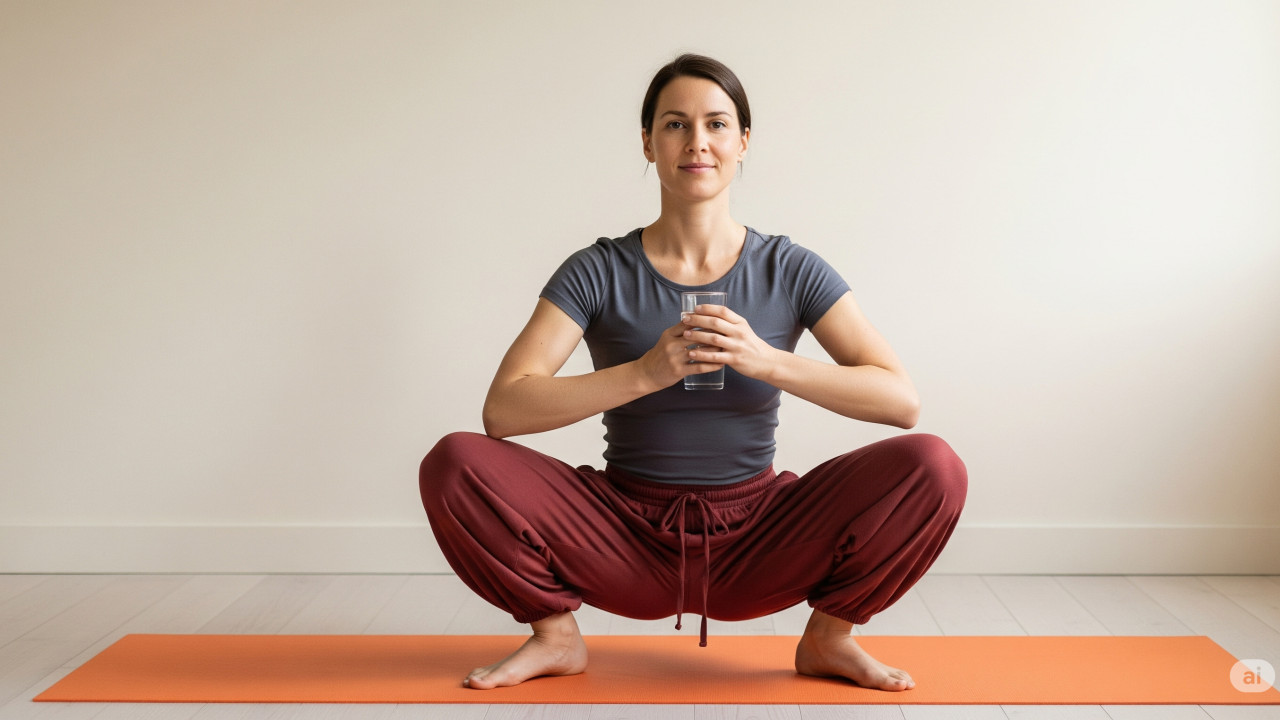 This evocative name hints at its mechanism: just as water spirals through the chambers of a conch shell, warm saline water is guided through the intricate spirals of the human digestive tract – from stomach to small intestine, and finally through the large intestine – to perform a thorough internal ablution.
Unlike enemas or colonics that target only the lower bowel, Shankaprakshalana: a yogic detox for gut and mind aims for a complete digestive reset, removing accumulated waste, toxins (known in Ayurveda as Ama), and sluggish matter that can impair digestion, energy, and overall well-being.
It’s revered not just as a physical cleanse, but as a foundational practice to purify the body (Deha Shuddhi), preparing it for deeper yogic practices like pranayama and meditation, and ultimately enhancing the flow of vital life force (Prana).
However, this powerful technique demands deep respect, thorough understanding, and crucially, initial supervision by a qualified teacher. This article delves into every facet of Shankaprakshalana: a yogic detox for gut and mind, empowering you with knowledge while prioritizing safety.
Understanding Shankaprakshalana a Yogic Detox
1. The Sanskrit Essence
Breaking down the name reveals its purpose:
- Shanka (शंख): Conch shell. Symbolizes the coiled, spiral structure of the intestines.
- Prakshalana (प्रक्षालन): To wash out thoroughly, to rinse completely.
- Together: “The thorough washing (rinsing) of the conch-like intestines.”
2. The Yogic Goal
Shankaprakshalana isn’t about weight loss or quick detox fads. Its primary aims are:
- Deep Cleansing: Physically removing old, impacted fecal matter, mucus, gas, and bacterial overgrowth from the entire alimentary canal.
- Toxin Removal (Ama Pachana): Eliminating metabolic waste products and environmental toxins that burden the system.
- Restoring Digestive Fire (Agni): Clearing blockages allows the natural digestive power to reignite, improving nutrient assimilation and reducing issues like bloating, indigestion, and acidity.
- Enhancing Prana Flow: Yogic philosophy links physical blockages with energetic stagnation. Cleansing the physical vessel facilitates smoother pranic flow.
- Mental Clarity: A clean digestive system is believed to reduce lethargy (Tamas) and promote mental lightness (Sattva), aiding focus and meditation.
3. The Mechanism
The genius lies in its simplicity and synergy:
- Warm Saline Water: The warm temperature relaxes digestive tract muscles. The specific salt concentration (isotonic) prevents absorption by the stomach and small intestine, forcing the water to travel downwards. Crucially, it also prevents dangerous electrolyte depletion by matching the body’s saline balance.
- Dynamic Asanas: A specific sequence of 4-5 yoga postures, performed immediately after drinking, uses gravity, compression, twisting, and muscular engagement to mechanically “milk” the water through the stomach, duodenum, jejunum, ileum (small intestine), and finally the colon (large intestine).
- Evacuation: The combined effect propels the water and loosened waste towards the rectum, triggering natural bowel movements until the water expelled runs clear.
Preparing for Shankaprakshalana: What You Need to Know
Shankaprakshalana is not an impulsive practice. Adequate preparation over the preceding days is vital for effectiveness and comfort.
1. Dietary Preparation (3-5 Days Prior)
- Shift to Sattvic Foods: Embrace a light, easily digestible, predominantly vegetarian diet. Prioritize cooked vegetables (especially leafy greens), whole grains (rice, quinoa, oats), mung beans (split yellow moong dal is ideal), and small amounts of ghee.
- Minimize: Reduce or eliminate heavy, processed, spicy, oily, fried, or excessively sweet foods. Avoid meat, fish, eggs, dairy (except minimal ghee), alcohol, caffeine, and refined sugar. These create more digestive residue and burden.
- Hydration: Increase intake of warm water and herbal teas (ginger, fennel, cumin-coriander-fennel – CCF tea) to gently start the cleansing process.
- Lighten the Load: The day before, eat simple meals – perhaps khichdi (rice and mung dal cooked together) for lunch and dinner. Avoid a heavy dinner.
2. Choosing the Right Day
- Rest Day: Ensure you have the entire day completely free afterwards for rest and recovery. A weekend day is ideal.
- Morning Practice: Always performed on an empty stomach, first thing in the morning. Allow ample time (3-4 hours minimum).
- Avoid Stress: Choose a calm day without significant commitments or stressors.
3. Mental Preparation
- Commitment: Understand the process will take time and effort. Approach it with patience and a positive, focused mindset.
- Familiarize: Review the sequence of asanas beforehand. Know where your bathroom is!
- Set Intentions: Reflect on why you are doing the cleanse – for physical health, mental clarity, spiritual preparation? This helps maintain focus.
4. Gather Materials:
- Water: Approximately 3-4 liters of pure, warm water (around body temperature, 37-40°C / 98-104°F). Too hot scalds; too cold causes cramping.
- Salt: Non-iodized natural salt is crucial (Sea Salt or Rock Salt – Pink Himalayan, Saindhava Lavana). Iodized table salt is unsuitable. Quantity: Typically 5-6 grams (approx. 1 level teaspoon) per liter of water. This ratio is critical and best confirmed by a teacher.
- Large Jug/Pot: To mix and keep the saltwater warm.
- Drinking Glass: A standard glass (250ml / 8oz).
- Comfort: Wear loose, comfortable clothing. Have a towel and mat ready for the asanas. Ensure easy, private access to a clean toilet.
Shankaprakshalana Step-by-Step: The Kriya in Action
Note: (Performed ONLY under initial supervision of a qualified yoga teacher)
1. The First Sip & Movement:
- Drink 2 glasses (approx. 500ml) of the warm saltwater relatively quickly.
- Immediately perform the set sequence of 4-5 asanas (detailed below), 6-8 repetitions of each posture in order, without pause. This is one “round.”
2. The Core Asana Sequence (Prakshalana Kriya):
The postures are simple but powerful, designed to sequentially open valves and propel water. Perform them dynamically, synchronized with breath:
a. Tadasana Variation (Deep Side Bends):
- Stand tall, feet hip-width. Interlace fingers, palms up, raise arms overhead.
- Inhale, lengthen. Exhale, bend deeply directly to the right, feeling a stretch along the left flank. Hold briefly.
- Inhale back to center. Exhale, bend deeply to the left. (1 bend each side = 1 rep).
- Effect: Opens the pyloric valve (stomach exit).
b. Tiryaka Tadasana (Swaying Palm Tree Pose):
- Stand tall, feet wide (3-4 feet). Arms parallel to floor.
- Exhale, bend forward from hips, reaching right hand towards left foot, twisting torso. Keep legs straight (micro-bend ok). Look towards right hand.
- Inhale back to center. Exhale, bend to left, reaching left hand towards right foot. Look towards left hand. (1 twist each side = 1 rep).
- Effect: Propels water through the small intestine (jejunum and ileum).
c. Kati Chakrasana (Waist Rotating Pose):
- Stand tall, feet hip-width. Extend arms shoulder-height.
- Twist torso sharply to the right, swinging left arm across chest to right shoulder, and right arm behind to left waist. Let head follow twist.
- Immediately twist sharply to the left, reversing arm positions. (1 twist each side = 1 rep). Build momentum.
- Effect: Stimulates peristalsis throughout the entire small intestine.
d. Tiryaka Bhujangasana (Twisting Cobra Pose):
- Lie prone (on stomach). Place palms under shoulders, elbows bent.
- Inhale, lift chest into a low Cobra. Exhale, twist torso to look over right shoulder towards left heel. Keep hips grounded.
- Inhale back to center Cobra. Exhale, twist to look over left shoulder towards right heel. (1 twist each side = 1 rep).
- Effect: Opens the ileocecal valve (junction of small and large intestine), propelling water into the colon.
e. Udarakarshanasana (Abdominal Massage Pose) – OR Alternative:
- Option A (Classic): Deep squat (Malasana), feet flat or heels lifted. Place hands on knees. Exhale, twist torso to the right, pressing left knee towards floor with right elbow/arm, looking over right shoulder. Inhale center. Exhale twist left. (1 twist each side = 1 rep). Massages colon directly.
- Option B (Often Taught): Kneel, then sit back on heels (Vajrasana). Place hands on knees. Perform the same twisting motion as above. Gentler on knees, still effective.
- Effect: Massages the ascending, transverse, and descending colon, moving water towards the rectum.
3. The Repetition Cycle:
- After completing the asana sequence (one round), drink another 2 glasses of warm saltwater.
- Immediately perform the entire asana sequence again (another round).
- After 2-4 rounds (4-8 glasses), you will likely feel the first urge to defecate. Go to the toilet immediately.
- Do not strain; allow evacuation to happen naturally. The first movements are usually solid, becoming progressively looser.
4. Continuing Until Clear:
- Return, drink another 2 glasses, perform the asanas again.
- Evacuate again when the urge arises.
- Repeat this cycle (Drink 2 glasses → Perform Sequence → Evacuate) until the water passed is as clear as the water you are drinking.
- This typically takes 12-20 glasses (3-5 liters) and 6-8 cycles over 1.5-3 hours. The body knows when it’s done – the clear water signal is key.
5. Finishing the Cleansing Process:
- Once the water runs clear, STOP drinking saltwater.
- Perform the asana sequence one last time without drinking more water to ensure all remaining saline solution moves out.
- Evacuate any final water.
The Critical Samana: Post-Practice Protocol
This phase is ABSOLUTELY ESSENTIAL and as important as the cleanse itself. Neglecting it can lead to significant discomfort, imbalance, and negate the benefits. It allows the digestive system to rest, reset, and rebuild its microbial flora gently.
Immediate Rest (Shavasana on Right Side)
- Lie down immediately in Shavasana (Corpse Pose) on your RIGHT side for 30-45 minutes. This position allows the stomach to rest optimally and protects the heart. Cover yourself lightly. Rest deeply. Avoid stimulation (phone, reading).
The First Meal (Langhana – 45-60 Minutes After Rest)
- Timing: Eat only after at least 45-60 minutes of undisturbed rest. Your digestive fire (Agni) is very low; introducing food too soon causes indigestion.
The Meal
Plain, well-cooked Khichdi. This is non-negotiable.
- Ingredients: White Basmati rice + Split yellow Moong dal (ratio 4:1 or 3:1 rice:dal). Cooked in ample water until very soft, mushy consistency.
- Seasoning: Only Ghee (1-2 teaspoons). NO SALT, NO SPICES (pepper, turmeric, chili, etc.), NO OIL, NO VEGETABLES, NO DAIRY (yogurt, milk), NO MEAT/FISH/EGGS, NO SUGAR.
Quantity: Eat only until satisfied, not full. Your stomach capacity is reduced. Start with a small bowl.
Diet Progression Over the Next 2-3 Days
Day 1 (Cleanse Day):
- Lunch: Khichdi (as above).
- Mid-Afternoon: Nothing, or warm water/herbal tea (ginger, CCF).
- Dinner: Khichdi (as above). Eat early.
Day 2:
- Breakfast: Khichdi or plain cooked oatmeal (unsalted, unspiced, maybe with a little ghee).
- Lunch: Khichdi + very well-cooked, soft, easily digestible vegetables (e.g., zucchini, carrot, pumpkin, spinach – cooked to mush). Still NO SALT/SPICES.
- Dinner: Same as lunch.
Day 3:
- Gradually reintroduce small amounts of salt and mild spices (e.g., cumin, coriander powder, a pinch of turmeric) into your khichdi or simple vegetable dishes.
- You can introduce soft-cooked lentils other than moong (e.g., red lentils – Masoor dal).
- Continue avoiding: Raw vegetables, salads, heavy beans (kidney, chickpeas), dairy, meat, fish, eggs, fried foods, spicy foods, processed foods, sugar, caffeine, alcohol.
Day 4 Onwards: Slowly reintroduce your normal, healthy diet, prioritizing whole, unprocessed foods. Listen to your body. Dairy and heavier proteins might be best left until day 5 or 6. Notice how foods feel.
1. Hydration:
- After the first meal, you can start sipping warm water.
- Avoid cold water or drinks entirely for at least 48 hours.
- Herbal teas (ginger, fennel, CCF) are beneficial.
2. Activity & Rest:
- Total Rest: On the cleanse day, rest completely. No physical exertion, work, driving, or stressful activities. Gentle walking is ok after several hours.
- Day 2: Continue resting. Light activities only. No exercise.
- Day 3: Gentle activities or very gentle yoga (no inversions, strong twists, or intense poses). No gym, running, or strenuous work.
- Avoid: Sexual activity, late nights, excessive screen time, and stressful situations for at least 48-72 hours. Allow the body’s energy to focus on healing and rebuilding.
3. Observation:
- Pay close attention to your body signals: hunger, energy levels, bowel movements (they will normalize over the next few days, often starting with no movement on day 1 post-cleanse, then soft, then normal).
- Notice mental clarity or shifts in mood.
- If you experience significant discomfort, weakness, or dizziness beyond mild fatigue, consult your teacher or a healthcare professional.
Who Should Avoid Shankaprakshalana (Contraindications)
This practice is potent and NOT suitable for everyone. DO NOT ATTEMPT if you have:
- Acute Gastrointestinal Conditions: Ulcers (gastric/duodenal), Colitis (Ulcerative, Crohn’s), severe Irritable Bowel Syndrome (IBS), diverticulitis, appendicitis, chronic diarrhea, active hemorrhoids or fissures, recent GI surgery.
- Cardiovascular Issues: High blood pressure (Hypertension), heart disease, history of stroke.
- Renal/Kidney Issues: Kidney disease, kidney stones, renal insufficiency.
- Metabolic Disorders: Diabetes (requires extreme caution and doctor consultation even if “controlled”), severe electrolyte imbalances.
- Other Medical Conditions: Tuberculosis, cancer (especially abdominal), significant hernia (hiatal, abdominal), advanced HIV/AIDS, severe anemia, active infections or fever.
- Pregnancy & Postpartum: Absolutely contraindicated during pregnancy and breastfeeding.
- Menstruation: Avoid during your menstrual period.
- Physical Limitations: Severe back pain, knee/hip injuries preventing the asanas, recent abdominal surgery (less than 6 months), extreme weakness, frailty, or emaciation.
- Psychological Conditions: Severe anxiety, eating disorders.
- Children & Elderly: Generally not recommended without specific expert guidance and medical clearance.
The Benefits of Shankaprakshalana: This Practice Offers
When practiced correctly and by suitable individuals under guidance, Shankaprakshalana is reported to offer:
- Deep Digestive Cleansing: Removal of accumulated waste, mucus, and toxins from the entire GI tract.
- Improved Digestion & Absorption: Resetting Agni leads to better breakdown of food and nutrient uptake.
- Relief from Digestive Ailments: Reduced bloating, gas, constipation, acidity, and indigestion.
- Enhanced Energy Levels (Vitality): Removal of physical blockages and toxins is said to boost Prana, reducing lethargy.
- Clearer Skin: Often reported as toxins are eliminated; skin appears brighter.
- Mental Clarity & Calm: Reduced “brain fog,” increased alertness, and a sense of lightness and calm (Sattva Guna).
- Strengthened Immunity: A cleaner internal environment may support immune function.
- Sensory Sharpening: Some practitioners report heightened taste and smell sensitivity post-cleanse.
- Preparation for Sadhana: Creates a purified foundation for deeper pranayama, meditation, and spiritual practices by reducing Tamas (inertia) and Rajas (agitation).
Shankaprakshalana Risks: What You Must Know Before Practicing
Ignoring contraindications, improper technique (especially salt ratio), or neglecting the Samana protocol can lead to problems:
- Dehydration & Electrolyte Imbalance: The most significant risk is that if the salt concentration is wrong (too low allows kidney absorption, causing imbalance; too high causes vomiting). The Samana diet prevents this if followed.
- Nausea & Vomiting: Can occur from drinking too fast, incorrect salt/water temperature, or underlying contraindications. Stop if vomiting occurs.
- Fatigue & Weakness: Expected temporarily due to the physical effort and cleansing process. Samana rest is crucial. Excessive/prolonged weakness signals issues.
- Cramping: Mild cramping can occur during the process; it usually passes. Severe cramping may indicate a problem.
- Disruption of Gut Flora: The cleanse flushes out bacteria, good and bad. The khichdi diet helps beneficial flora repopulate gently. Long-term imbalance is unlikely with proper Samana.
- Aggravation of Pre-existing Conditions: Ignoring contraindications can severely worsen underlying health problems.
- Dizziness or Fainting: Due to dehydration, electrolyte imbalance, or low blood sugar. Lie down immediately if dizzy.
Finding a Qualified Teacher & Frequency
The Non-Negotiable First Step: NEVER attempt Shankaprakshalana for the first time based solely on written or video instructions.
Find an experienced, knowledgeable Hatha Yoga teacher who has personally practiced and taught this technique many times. They will:
- Assess your suitability.
- Teach the exact salt ratio and water temperature.
- Supervise your posture execution.
- Monitor your reactions during the process.
- Provide detailed Samana instructions and support.
Frequency: This is NOT a monthly or even quarterly practice. Traditionally, it’s done:
- Seasonally (e.g., at the change of seasons, particularly spring and autumn).
- 1-2 times per year, maximum, for maintenance.
- Only when specifically recommended by your teacher based on your individual constitution and needs.
- Less is more. Over-cleaning can be as detrimental as not cleaning.
Shankaprakshalana Yoga stands as a remarkable testament to the depth of yogic knowledge regarding the body-mind connection. Its potential for deep internal purification and rejuvenation is profound. However, this power demands profound respect.















Very informative blog. With the environmental conditions degrading day by day pose a threat to a healthy life and also are the leading cause of various health diseases. These are caused by eating adulterated food, breathing poisonous air, and drinking unfiltered water. Hence with the introduction of ways to get rid of these impurities and toxic materials accumulated in the body one can again dream of living a healthy life.
A wonderful blog that gives hopes and ways to clean the toxic materials out of the body.
Yoga benefits can be categorized into physical, psychological and biochemical benefits. This categorization tells us that yoga provides overall health benefits.