Fish Pose (Matsyasana): How to Do, Benefits & Safety Tips

Matsyasana, commonly known as Fish Pose, is a reclining back-bending posture in yoga that is traditionally believed to open the heart, throat, and lungs while promoting deep breathing and relaxation. It is often practiced as a counterpose to forward-bending or shoulder stand poses, helping to restore balance and flexibility in the spine and chest.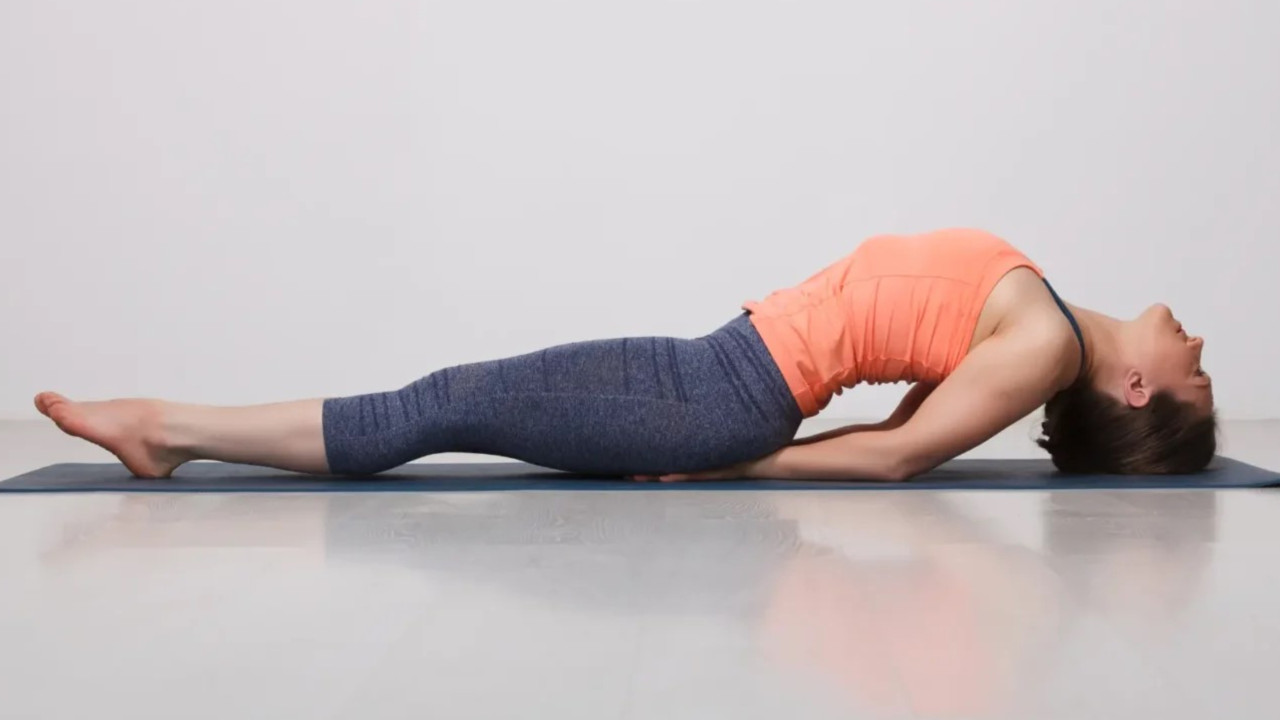 The name Matsyasana comes from the ancient Sanskrit language, where “Matsya” means “fish” and “Asana” means “pose” or “seat.” According to yogic mythology, the pose is named after Lord Vishnu’s fish incarnation (Matsya), who saved humanity from a great flood.
The posture is said to resemble a fish when performed correctly, especially when the arch of the back lifts the chest and the head tilts back, as if floating in water. Within the broader yoga practice, Fish Pose plays an essential role in stimulating energy flow through the spine and opening the upper body.
It’s often included in sequences to encourage better breathing, enhance spinal mobility, and balance the effects of more physically demanding poses. Whether practiced on its own or as part of a longer flow, Matsyasana invites calm, expansion, and introspection.
12 Benefits of Fish Pose (Matsyasana)
1. Open the Chest and Heart Area
Matsyasana stretches the chest muscles and helps release tension in the front body. This promotes better posture and creates space for deeper, more expansive breathing.
- This can help relieve tightness caused by stress or prolonged sitting.
2. Improves Posture
The pose strengthens the upper back and helps correct rounded shoulders. Regular practice can build postural awareness and support long-term spinal alignment.
- This is especially beneficial for those who spend long hours sitting or working at desks.
3. Relieves Respiratory Issues
Fish Pose expands the lungs, making it easier to breathe deeply and fully. It is particularly supportive for individuals with asthma or those who experience shallow breathing.
- Improved lung capacity can enhance overall respiratory health.
4. Stimulates the Thyroid and Parathyroid Glands
The gentle compression of the throat area during the pose enhances glandular function. This may help regulate hormones and support a healthy metabolism.
- Hormonal balance is essential for energy and well-being.
5. Eases Tension in the Neck and Shoulders
By opening tight areas caused by poor posture or emotional stress, Matsyasana provides relief to the neck and shoulder muscles. This makes it an excellent pose for office workers or anyone suffering from “tech neck.”
- Regular practice can reduce stiffness and discomfort in these areas.
6. Reduces Fatigue and Anxiety
Fish Pose encourages deep relaxation by activating the parasympathetic nervous system. Just a few minutes in this posture can uplift your mood and bring mental clarity.
- It’s a natural way to manage stress and boost emotional balance.
7. Enhances Circulation and Oxygen Flow
The pose improves blood flow to the brain and vital organs. Increased oxygen intake helps boost overall energy and vitality.
- Better circulation supports cognitive function and physical stamina.
8. Stimulates the Pineal and Pituitary Glands
Matsyasana supports endocrine health by gently activating these important glands. They play key roles in regulating sleep cycles, emotional stability, and intuition.
- Balanced gland function contributes to overall hormonal harmony.
9. Activates the Heart Chakra (Anahata)
This posture encourages emotional openness, compassion, and connection. It’s especially helpful for those healing from emotional stress or heartbreak.
- Opening the heart chakra fosters love and empathy.
10. Promotes Deep Breath Awareness
Fish Pose creates space in the chest, allowing you to explore full diaphragmatic breathing. This enhanced breath awareness supports mindfulness and nervous system regulation.
- Deep breathing helps center the mind and calm the body.
Ayurvedic Insights
11. Balances Kapha Dosha
By opening the chest and lungs, Fish Pose helps clear physical and emotional stagnation. It is especially beneficial during Kapha season, which falls in late winter to early spring.
- This helps to reduce lethargy and congestion commonly associated with Kapha imbalance.
12. Supports Ojas and Prana Flow
The heart-opening posture revitalizes life-force energy (prana) and nourishes ojas—the essence of immunity, vitality, and emotional resilience.
- Practicing Matsyasana regularly can enhance long-term health and inner strengt
Sep-by-Step Guide: Preparatory Poses for Fish Pose (Matsyasana)
1. Bhujangasana (Cobra Pose)
How to practice:
- Lie flat on your stomach with your legs extended back, tops of your feet resting on the mat.
- Place your hands under your shoulders, fingers spread wide.
- Inhale, press your palms into the floor, and slowly lift your chest by straightening your arms partially or fully (avoid locking elbows).
- Keep your elbows slightly bent and close to your sides.
- Roll your shoulders back and down, opening the chest forward.
- Keep your neck long, gazing softly ahead or slightly upward without compressing the back of your neck.
- Hold for 15-30 seconds, breathing deeply, then slowly lower down on an exhale.
Tips:
- Avoid overextending your lower back—engage your core muscles gently to protect your spine.
- If you feel any discomfort in the lower back, keep the elbows bent more or lift only slightly.
2. Setu Bandhasana (Bridge Pose)
How to practice:
- Lie on your back with knees bent and feet flat on the floor, hip-width apart.
- Place your arms alongside your body, palms facing down.
- Press your feet firmly into the mat, and as you inhale, lift your hips toward the ceiling.
- Roll your shoulders underneath to open the chest further, clasping your hands below your back if comfortable.
- Keep your thighs and feet parallel and engage your glutes and core to support your lower back.
- Hold for 30 seconds to 1 minute, breathing steadily.
- To release, exhale, and slowly lower your hips back down.
Tips:
- Avoid pushing through your neck or head—keep the weight distributed evenly on your shoulders and feet.
- Use a block under your sacrum for a supported variation if holding the pose is challenging.
3. Supta Baddha Konasana (Reclined Bound Angle Pose)
How to practice:
- Lie on your back and bring the soles of your feet together, allowing your knees to fall open to the sides.
- Place your arms comfortably by your sides, palms facing up.
- Relax your spine evenly on the floor and soften your jaw, eyes, and belly.
- Stay here for 2 to 5 minutes, focusing on deep, natural breathing.
Tips:
- Place cushions or blocks under your knees for added support and to reduce any strain on the hips or inner thighs.
- If you feel any discomfort in your lower back, try placing a rolled blanket under your spine to maintain a gentle arch.
How to Perform Fish Pose (Matsyasana)
- Start by lying flat on your back with your legs extended straight out and your arms resting comfortably by your sides.
- Slide your hands under your hips, with your palms facing down. This helps support your lower back during the pose.
- Inhale deeply, press your elbows firmly into the floor, and begin to lift your chest and head upward, creating a gentle backbend.
- Carefully drop the crown of your head toward the floor, making sure not to put your full body weight on your head or neck. The head should lightly touch the floor for support.
- Keep your chest lifted high and broaden your collarbones, maintaining length through your spine.
- Breathe deeply and evenly, holding the pose for 15 to 30 seconds—or for as long as it feels comfortable.
- To release the pose, gently lift your head off the floor first, lower your chest down, remove your hands from under your hips, and relax flat on your back.
Tips for safe practice:
- Avoid pressing heavily on your head to protect your neck.
- Engage your shoulder blades and upper back muscles to support the chest lift.
- If you feel any discomfort in your neck or lower back, come out of the pose slowly.
Modifications and Variations of Fish Pose (Matsyasana)
- Using a Block or Bolster for Support: Place a yoga block or bolster lengthwise under your upper back to provide gentle support and reduce strain on the neck. This variation is excellent for beginners or anyone with limited flexibility.
- Half Fish Pose: Keep your knees bent or support your head with a folded blanket or small cushion to reduce intensity. This gentler version helps ease into the backbend safely.
- Legs in Padmasana (Lotus Position): For advanced practitioners, performing Fish Pose with legs crossed in Lotus Pose deepens the stretch and adds a meditative quality. This requires hip flexibility and should be approached gradually.
Contraindications and Precautions
Before practicing Fish Pose, consider the following conditions where caution or avoidance is advised:
- Neck or Back Injuries: Avoid Matsyasana if you have recent or chronic injuries to the neck or spine, as this pose puts pressure on these areas.
- High or Low Blood Pressure: Those with blood pressure issues should practice under guidance or avoid deep backbends that may affect circulation.
- Migraine or Dizziness: If you suffer from migraines or experience dizziness, Fish Pose may exacerbate symptoms. Proceed cautiously or consult a healthcare professional.
- Pregnancy: Pregnant practitioners should avoid Fish Pose unless supervised by a qualified prenatal yoga instructor.
Counter Poses for Fish Pose (Matsyasana)
After practicing Fish Pose, it’s important to balance the deep backbend with poses that gently release the spine and relax the body. Here are three effective counter poses:
1. Hug Knees to Chest (Apanasana)
Lie on your back and draw your knees toward your chest, wrapping your arms around them. This pose gently releases the lower back and neutralizes the spine after the backbend.
2. Gentle Twist (Supine Spinal Twist)
With knees bent, drop them to one side while turning your head to the opposite side. This twist helps realign the spine and releases tension in the back and shoulders.
3. Child’s Pose (Balasana)
Sit back on your heels, extend your arms forward or alongside your body, and rest your forehead on the mat. Child’s Pose provides a soothing stretch for the back and calms the nervous system.
Fish Pose (Matsyasana) is a powerful yet accessible backbend that offers numerous physical, mental, and energetic benefits. By gently opening the chest and stimulating vital glands, it supports better posture, respiratory health, and emotional balance.