What Are Chakras? Discover and Activate Your Inner Energy System

In yoga, meditation, and holistic wellness, chakras are believed to be vital energy centers within the body that influence our physical, emotional, and spiritual well-being. Originating from ancient Indian spiritual traditions, the word “chakra” translates to “wheel” in Sanskrit, signifying the spinning motion of energy at various points along the spine. 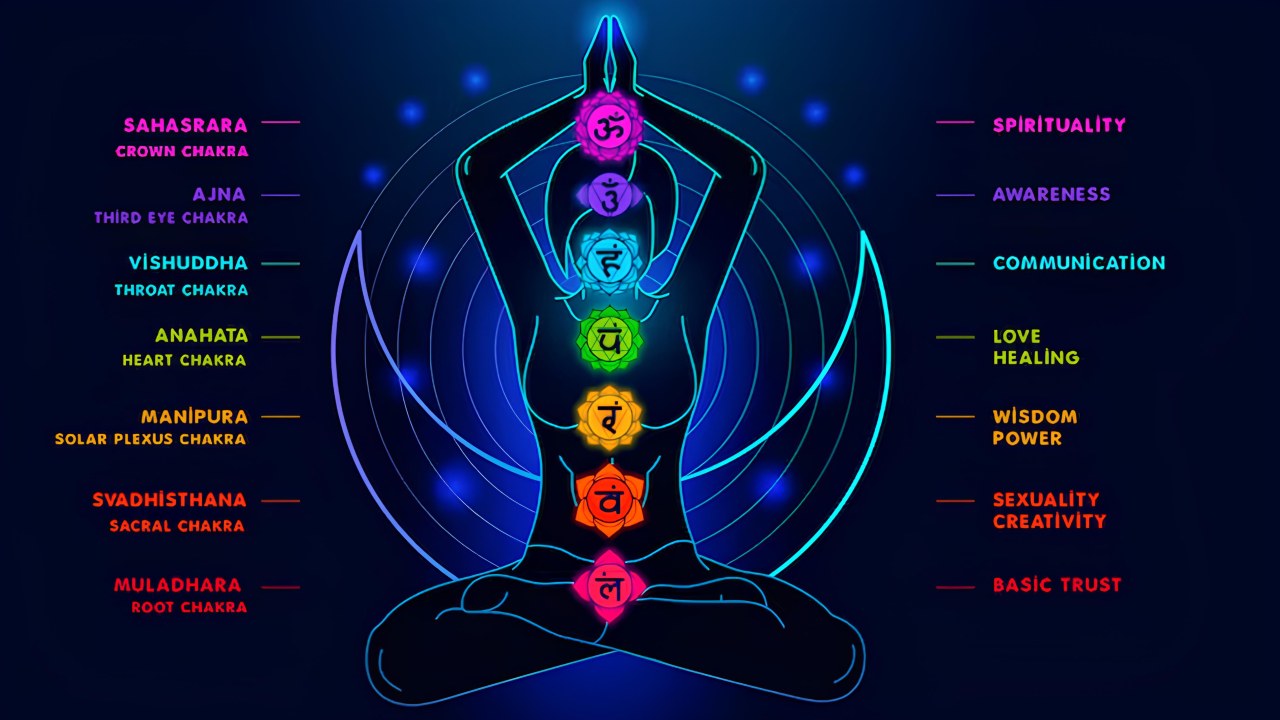 There are seven main chakras, each aligned with specific organs, emotions, and states of consciousness—from the grounding energy of the Root Chakra at the base of the spine to the transcendent awareness of the Crown Chakra at the top of the head.
When our chakras are balanced and energy flows freely, we often feel vibrant, centered, and aligned with our purpose. However, blockages or imbalances in these energy centers can manifest as physical ailments, emotional struggles, or spiritual disconnection.
Through meditation, breathwork, yoga postures, sound healing, and visualization, we can cleanse and activate each chakra, restoring harmony within the body and mind. Understanding and working with the chakras offers a powerful path to self-discovery, healing, and inner transformation.
What Is a Chakra?
The word chakra comes from Sanskrit and literally means “wheel” or “disk,” symbolizing a spinning energy center within the body’s subtle energy system. Chakras are not physical organs but are part of the energetic body described in yogic and Ayurvedic traditions.
Key Points:
- Energy Centers: Chakras are focal points of life force energy (prana) that influence various aspects of our physical, emotional, and mental well-being.
- Spinal Alignment: They are aligned along the spine, starting at its base and extending to the crown of the head.
- Mind-Body-Spirit Connection: Chakras serve as bridges between the physical body and the emotional, mental, and spiritual realms.
- Balance and Health: When chakras are blocked, underactive, or overactive, it can lead to emotional imbalances, physical ailments, or spiritual stagnation.
- Symbolism and Perception: Each chakra is often visualized as a lotus or a spinning wheel of light, with a distinct color, sound frequency (mantra), and unique function.
The Seven Major Chakras and Their Functions
In the traditional Hindu and yogic systems of energy medicine, the human body is said to have seven major chakras. These are energy centers aligned along the spine, each governing specific physical, emotional, psychological, and spiritual functions.
When these chakras are balanced and flowing, we experience harmony in body, mind, and spirit. When blocked or overactive, imbalances can manifest in various areas of life.
1. Root Chakra – Muladhara
- Location: Base of the spine (tailbone)
- Color: Red
- Element: Earth
- Mantra (Seed Sound): “LAM”
- Associated With: Survival, grounding, stability, physical identity, financial security
Function: The root chakra is the foundation of the energy body. It connects you to the earth and governs your basic needs for safety, food, shelter, and security. It supports feelings of stability, strength, and a sense of belonging.
Signs of Imbalance:
- Fear and anxiety
- Feeling insecure or disconnected
- Financial instability
- Lower back pain or issues with the legs and feet
Balanced Muladhara:
- You feel secure, present, grounded in your body, and capable of facing life’s challenges with confidence and calm.
2. Sacral Chakra – Svadhisthana
- Location: Lower abdomen, just below the navel
- Color: Orange
- Element: Water
- Mantra: “VAM”
- Associated With: Creativity, sensuality, pleasure, emotional flow, relationships
Function: This chakra governs your emotional world, sensual expression, and capacity for pleasure and intimacy. It also drives your creative energies and your connection to others.
Signs of Imbalance:
- Guilt or repression
- Sexual dysfunction or unhealthy attachments
- Emotional volatility or numbness
- Reproductive or urinary issues
Balanced Svadhisthana:
- You are emotionally expressive, creatively inspired, sexually healthy, and enjoy life with a sense of joy and flow.
3. Solar Plexus Chakra – Manipura
- Location: Upper abdomen, around the stomach area
- Color: Yellow
- Element: Fire
- Mantra: “RAM”
- Associated With: Personal power, confidence, self-esteem, discipline, and willpower
Function: The solar plexus chakra is the center of your personal identity and autonomy. It fuels your sense of purpose, self-discipline, and the ability to make decisions and take action.
Signs of Imbalance:
- Low self-esteem or powerlessness
- Anger or controlling behavior
- Digestive issues or ulcers
- Fatigue or procrastination
Balanced Manipura:
- You feel empowered, motivated, confident, and capable of taking responsibility for your life and achieving your goals.
4. Heart Chakra – Anahata
- Location: Center of the chest
- Color: Green (sometimes visualized as pink)
- Element: Air
- Mantra: “YAM”
- Associated With: Love, compassion, forgiveness, connection, emotional balance
Function: The heart chakra bridges the lower physical chakras with the higher spiritual chakras. It governs unconditional love, empathy, and the ability to form deep, authentic connections with others and with yourself.
Signs of Imbalance:
- Loneliness or emotional isolation
- Bitterness, jealousy, or resentment
- Difficulty in giving or receiving love
- Heart and lung-related physical issues
Balanced Anahata:
- You experience deep compassion, are able to forgive, love freely, and maintain harmonious relationships with yourself and others.
5. Throat Chakra – Vishuddha
- Location: Throat
- Color: Blue
- Element: Ether (Space/Sound)
- Mantra: “HAM”
- Associated With: Communication, truth, expression, integrity, and listening
Function: The throat chakra governs speech, self-expression, and the ability to communicate your truth clearly and effectively. It also helps you align your thoughts with your words and actions.
Signs of Imbalance:
- Fear of speaking up
- Social anxiety or dishonesty
- Sore throat or thyroid issues
- Difficulty in expressing emotions
Balanced Vishuddha:
- You speak with clarity, honesty, and confidence, listen actively, and express your truth without fear.
6. Third Eye Chakra – Ajna
- Location: Between the eyebrows (forehead)
- Color: Indigo
- Element: Light
- Mantra: “OM” or “AUM”
- Associated With: Intuition, insight, imagination, inner wisdom, clarity
Function: The third eye chakra is the center of insight, foresight, and spiritual awareness. It governs intuition, perception beyond the ordinary senses, and the ability to see the bigger picture.
Signs of Imbalance:
- Confusion or poor judgment
- Headaches or eye strain
- Lack of direction or insight
- Closed-mindedness or overthinking
Balanced Ajna:
- You trust your inner wisdom, perceive life with clarity, and are open to intuitive guidance and deeper truths.
7. Crown Chakra – Sahasrara
- Location: Top of the head
- Color: Violet or White
- Element: Cosmic energy / Pure consciousness
- Mantra: Silence or “OM”
- Associated With: Spiritual connection, enlightenment, unity, higher states of consciousness
Function: The crown chakra is your connection to the divine, universal consciousness, and spiritual wisdom. It transcends the physical and mental planes and aligns you with your highest self.
Signs of Imbalance:
- Disconnection from spirituality or purpose
- Depression or apathy
- Closed-mindedness
- Chronic fatigue or lack of inspiration
Balanced Sahasrara:
- You feel a deep sense of peace, purpose, and unity with all that exists. Spiritual truths feel intuitive and alive within you.
Tips:
Understanding and nurturing your chakras is a pathway to deeper self-awareness, healing, and spiritual growth. Each chakra plays a vital role in maintaining the balance and harmony of your entire being.
Practices like meditation, yoga, breathwork, sound healing, and energy work can help you activate and align your chakras for a more vibrant, conscious life.
How to Open and Balance the Chakras
Chakra healing is a holistic journey that brings balance to the body, mind, and spirit. Rather than trying to open all chakras at once, it’s recommended to begin with the Root Chakra (Muladhara) and gradually work upward.
This process ensures a strong, energetic foundation as you move toward spiritual awakening and higher consciousness. Here are the most effective methods to open, activate, and balance your chakras:
1. Yoga – Especially Kundalini Yoga
Yoga is one of the most powerful tools for chakra balancing. Each yoga pose (asana) targets specific energy centers, while pranayama (breath control) and bandhas (energy locks) help move prana (life force) through the subtle body.
- Kundalini Yoga is particularly effective, as it is designed to awaken the dormant spiritual energy (Kundalini) and guide it through each chakra up to the Crown.
- Hatha Yoga and Vinyasa Yoga also include sequences that align the chakras through movement, focus, and breath.
Examples:
- Root Chakra: Mountain Pose (Tadasana), Warrior I
- Heart Chakra: Camel Pose (Ustrasana), Cobra Pose
- Third Eye Chakra: Child’s Pose, Forward Fold
2. Meditation and Visualization
Meditation brings awareness and energy into the chakras. By focusing your mind and intention, you can cleanse and energize each energy center.
How to Practice:
- Sit comfortably with a straight spine.
- Bring your attention to the chakra’s location.
- Visualize a spinning wheel of light in the chakra’s associated color.
- Use the chakra’s seed mantra (e.g., “LAM” for Root) while you focus on that area.
- Imagine energy flowing freely and dissolving any blockages.
Tip: You can progress through all seven chakras in one session or focus on one chakra per day or week.
3. Color Therapy
Each chakra is vibrationally aligned with a specific color. Using these colors in your daily environment can subtly influence and harmonize the corresponding chakras.
Ways to Use Color Therapy:
- Clothing and accessories: Wear the color associated with the chakra you want to balance.
- Décor and lighting: Incorporate colored lights, fabrics, or artwork into your space.
- Visualization: During meditation, imagine glowing light of the chakra’s color filling your body.
Examples:
- Red for Root Chakra (grounding)
- Green or pink for Heart Chakra (love and compassion)
- Indigo for Third Eye Chakra (intuition)
4. Crystals and Natural Stones
Crystals are believed to carry vibrational properties that align with each chakra. When used with intention, they can help clear blockages and restore energy flow.
How to Use Crystals:
- Place on the body: Lie down and place a crystal directly over the chakra location.
- Meditate with them: Hold the crystal or keep it nearby while meditating.
- Wear as jewelry: Choose stones associated with your focus chakra.
Chakra and Crystal Pairings:
- Root: Red Jasper, Hematite
- Sacral: Carnelian, Orange Calcite
- Solar Plexus: Citrine, Tiger’s Eye
- Heart: Rose Quartz, Green Aventurine
- Throat: Blue Lace Agate, Turquoise
- Third Eye: Amethyst, Lapis Lazuli
- Crown: Clear Quartz, Amethyst
5. Affirmations
Affirmations are positive, present-tense statements that help reprogram your subconscious mind and support chakra healing. They align your thoughts and emotions with the qualities of each chakra.
How to Use:
- Repeat affirmations silently or aloud during meditation or throughout the day.
- Write them in a journal or place them on sticky notes where you’ll see them often.
- Speak to them while visualizing the chakra’s color and location.
Examples:
- Root Chakra: “I am grounded. I am safe. I trust in the process of life.”
- Sacral Chakra: “I embrace my creativity and flow with life.”
- Solar Plexus Chakra: “I am confident and in control of my life.”
- Heart Chakra: “I give and receive love effortlessly.”
- Throat Chakra: “I speak my truth with clarity and grace.”
- Third Eye Chakra: “I trust my intuition and inner wisdom.”
- Crown Chakra: “I am connected to divine wisdom and universal consciousness.”
Final Tips for Chakra Work
- Consistency matters. Small, regular practices are more effective than occasional intensive efforts.
- Listen to your body. If you feel discomfort or emotional release, allow space for healing without judgment.
- Work from the ground up. A strong, balanced Root Chakra provides the stability needed to open higher energy centers safely.
- Combine methods. Meditation, yoga, affirmations, and crystals work synergistically when used together.
The Deeper Purpose of Chakra Work
Chakra healing is not just a technique for managing stress or improving emotional health—it is a sacred inner journey of awakening, integration, and transformation. When approached with intention and awareness, chakra work becomes a profound spiritual path that connects the physical, emotional, mental, and divine aspects of who you are.
Spiritual Evolution: From Survival to Enlightenment
The chakra system maps a journey of human evolution—starting at the most basic level of existence and culminating in spiritual transcendence.
- The Root Chakra (Muladhara) is your foundation, focusing on survival, safety, and the material world.
- As you move upward through the chakras, you evolve through themes of emotion, power, love, truth, intuition, and ultimately divine union.
- The Crown Chakra (Sahasrara) represents enlightenment, the realization of your highest self, and a merging with universal consciousness.
Chakra activation is a spiritual spiral—not a ladder. It’s not about rushing to the top, but awakening every level of consciousness within you.
Holistic Health: Mind, Body, Spirit Integration
Each chakra governs specific organs, glands, and systems in the body. Imbalances in the energy centers often manifest physically, mentally, or emotionally.
- A blocked Heart Chakra might show up as emotional numbness or heart/lung issues.
- An overactive Solar Plexus Chakra could result in anger, digestive problems, or power struggles.
- A weak Root Chakra may lead to anxiety, insecurity, or chronic fatigue.
By balancing the chakras, you support not only emotional and mental wellness but also physical vitality. This integration is the key to holistic healing—treating the whole person, not just the symptoms.
Energetic Balance: Living in Alignment
When all seven chakras are open and aligned, life energy (prana or chi) flows freely throughout your body and subtle energy system. This balanced state is one of:
- Vitality – Your body feels alive, strong, and supported.
- Emotional Peace – You respond to life with calmness and compassion.
- Mental Clarity – Thoughts become focused, intuitive, and purposeful.
- Spiritual Connection – You feel aligned with your soul, your truth, and the greater universe.
Chakra balance isn’t perfection—it’s harmony. It’s the ability to live with awareness, authenticity, and conscious energy.
Final Reflection
Chakra work is ultimately about coming home to yourself—body, mind, and spirit. It invites you to:
- Heal what has been wounded.
- Awaken what lies dormant.
- Align with who you truly are.
Whether you’re just beginning or deep in your journey, remember: the purpose isn’t just to open your chakras—it’s to live in truth, love, and awakened presence.
You don’t need to be a yogi or mystic to begin working with chakras. Simply start with awareness, and use the tools that resonate with you—be it yoga, affirmations, crystals, or color therapy. With patience and practice, you’ll not only feel more centered and balanced, but also unlock new levels of insight, connection, and inner peace.