How to Gain Weight Naturally with Ayurveda

In a world focused on weight loss, those who are chronically underweight are often overlooked. For many naturally lean individuals or those who have lost weight, gaining it can be as difficult and emotionally draining as losing it, seeking vitality and well-being beyond just numbers. Ayurveda, the ancient science of life, offers a holistic approach to healthy weight gain. Instead of promoting empty calories, it addresses the root causes by understanding each person’s unique constitution, digestion, and metabolism. This personalized method supports natural nourishment rather than forced feeding or unhealthy gain.
Drawing from classics like the Charaka Samhita, Ayurveda guides individuals to build strength (Bala) and stability (Sthairyam). The goal is sustainable, balanced weight gain that enhances immunity and vitality, focusing on overall health rather than simply increasing body fat or scale numbers.
Understanding Weight Gain in Ayurveda
To understand weight gain in Ayurveda, one must first know the three Doshas—Vata, Pitta, and Kapha. These fundamental bio-energies govern all physical and mental processes, maintaining the body’s balance and overall health.
Individuals who find it hard to gain weight often have a dominant Vata Dosha. Vata’s qualities are dry, light, cold, and mobile, causing a light frame, dry skin, quick mind, and irregular digestion, which challenges healthy weight gain.
When Vata becomes imbalanced, it speeds up bodily functions, creating a catabolic state where tissue breakdown exceeds tissue building. This leads to weight loss, depletion, and health issues, making it difficult to maintain or gain healthy body mass.
The ancient text Charaka Samhita describes severe weight loss due to Vata imbalance as a serious pathological condition. It stresses that this is more than cosmetic, highlighting the importance of restoring Dosha balance to prevent further health decline.
Health Problems Caused by Severe Weight Loss (Karshya)
Below are some common reasons that cause severe weight loss (Karshya). These factors disrupt the body’s balance and lead to health complications.
1. Systemic Depletion (Dhatu Kshaya)
The primary consequence is the reduction of the seven bodily tissues (Dhatus), starting with Rasa (nutrient plasma), Rakta (blood), Mamsa (muscle), and Meda (fat). This leads to:
- Depletion of Digestive Power (Agni Mandya): The digestive fire becomes weak and irregular, unable to extract nutrients efficiently.
- Loss of Immunity (Ojas Kshaya): Ojas, the quintessence of all tissues and the basis of immunity, is diminished, making the person prone to repeated infections.
- Reduction in Strength, Complexion, and Vitality: The body becomes weak, the skin loses its luster, and overall energy levels plummet.
- Depletion of Reproductive Tissue (Shukra): This can affect fertility and vitality.
2. Provocation of Vata-Related Disorders
With the depletion of the insulating and grounding tissues (fat and muscle), Vata runs rampant, causing a wide array of painful and debilitating conditions:
- Neurological and Muscular: Cracking pain in the joints, fingers, and bones; pain in the calves, thighs, and lumbar region; muscle wasting and tremors.
- Gastrointestinal: Constipation, bloating, gaseous distension, malabsorption, and digestive disorders like peptic ulcers.
- Sensory and Mental: Weakness in the power of hearing, tinnitus, anxiety, fear, insomnia, and a feeling of being ungrounded.
- Respiratory and Circulatory: Chronic cough, pain in the cardiac region, and conditions like Urdhvavata (upward movement of Vata, resembling severe hiccups or respiratory spasms).
This comprehensive list highlights why Ayurveda views weight gain as a therapeutic process of nourishment (Brimhana) and pacification of Vata, rather than simply as a caloric surplus.
How Digestion and Metabolism Help in Gaining Weight
The key Ayurvedic principle for weight gain is that a weak digestive system cannot properly absorb nourishment. Forcing food can worsen digestion and create toxins called Ama, harming the body further.
Kindling the digestive fire, or Agni, is essential before increasing food intake. Agni must be strengthened gently to avoid burning tissues while improving digestion and absorption of nutrients for healthy weight gain.
Strong spices like Trikatu help ignite Agni but have hot and light qualities. If misused, they may cause more weight loss by counteracting the heavy, nourishing qualities needed for building the body.
The Two-Phase Approach:
- Phase 1: Ignition and Cleansing (Deepana & Pachana): For a short initial period (1-2 weeks), mild digestive spices may be used in small quantities to clear any accumulated Ama and stimulate Agni. This could include adding a pinch of ginger, cumin, or black pepper to meals. The goal is not to lose weight, but to prepare the gut for optimal absorption.
- Phase 2: Nourishing and Building (Brimhana): Once digestion is stable, the focus shifts entirely to nourishing therapies, foods, and herbs. At this stage, the use of strong, pungent spices is minimized, and the emphasis is on anabolic, building substances.
Ayurvedic Diet for Healthy Weight Gain: Laghu Santarpana
Acharya Charaka prescribes a brilliant concept for underweight individuals: Laghu Santarpana. This translates to “light yet nourishing therapy.” This is a pivotal concept.
A weak digestive system cannot handle Guru (heavy) foods like red meat, excessive nuts, or fried foods. Instead, we use foods that are easy to digest (Laghu) but still deeply nourishing (Santarpana).
What are Laghu Santarpana Foods?
These are foods that provide high-quality nutrition without overburdening Agni:
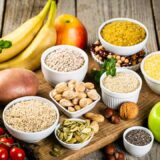
- Grains & Legumes: Freshly harvested rice, green gram (Moong Dal), red lentils (Masoor Dal), well-cooked tofu.
- Dairy: Goat’s milk, sheep’s milk, camel milk, and the supernatant water of yogurt (Dadhimastu), which is a fantastic digestive tonic. Cow’s milk is also excellent but should be taken warm and with a pinch of cardamom or ginger if digestion is weak.
- Fruits & Vegetables: Sweet, ripe fruits like dates, raisins, mangoes, bananas, and pomegranates. Vegetables like carrots, radishes, asparagus, and sweet potatoes.
- Proteins: Lean meat soups (chicken, turkey), egg whites, and easily digestible legumes.
Building a Weight-Gain Diet Plan:
- Start the Day with a Nourishing Drink: Soak 5-10 almonds overnight. In the morning, peel and blend them with a cup of warm milk, a date, and a pinch of cardamom. This provides a easily assimilated dose of protein and healthy fats.
- Embrace Healthy Fats: Ghee (clarified butter) is the king of Ayurvedic fats. It is tridoshic (balances all three Doshas), but is particularly pacifying for Vata and Pitta. Start with 1-2 teaspoons per day, gradually increasing to 3-4, mixed into warm rice, dals, or spread on chapati.
- Incorporate Protein-Rich Foods: Include soybeans, paneer (Indian cottage cheese), lentils, and lean meat soups regularly. Egg whites are a fantastic source of pure protein.
- Frequent, Nutrient-Dense Meals: Instead of three large meals, aim for three moderate meals and 2-3 nourishing snacks. This prevents the digestive system from being overwhelmed.
- Sweeteners: Use natural sweeteners like jaggery, dates, and honey in moderation. They are grounding and help pacify Vata.
Key Ayurvedic Home Remedy – The Fruit Mash:
- Take equal parts of dried dates, dried grapes (raisins), Indian gooseberry (Amla), and pomegranate seeds.
- Mash them together into a semi-solid paste. A little jaggery or sugar can be added for taste.
- Take one tablespoon of this mixture twice a day, after meals. This combination is a powerhouse of vitamins, minerals, and natural sugars that support healthy tissue building without spiking blood sugar drastically. Continue this for at least one month for noticeable results.
The Power of Herbs and Formulations in Weight Gain (Aushadhi)
Once the diet is optimized, specific Ayurvedic herbs can provide a powerful therapeutic boost. These are not substitutes for food but catalysts that enhance the body’s ability to utilize nutrition.
Primary Weight-Gain Herbs (Brimhaniya Dravyas):
- Ashwagandha (Withania somnifera): The name translates to “smell of a horse,” indicating its ability to impart strength and vitality. It is a potent adaptogen that reduces stress (a major factor in Vata imbalance) and has a marked anabolic effect, promoting muscle mass. It can be taken as powder (3-5 grams twice a day) with warm milk and a teaspoon of ghee.
- Shatavari (Asparagus racemosus): While excellent for the female reproductive system, it is also a superb rejuvenative tonic for both genders, nourishing all bodily tissues.
- Vidari (Pueraria tuberosa): This tuber is a renowned tonic that increases bulk and strength. It is cooling, making it an excellent choice for Vata-Pitta types.
- Bala (Sida cordifolia): True to its name, which means “strength,” Bala is a premier Vata-pacifying herb that rebuilds muscle tissue and nervous system integrity.
Specific Ayurvedic Formulations:
For Vata-Pitta Prakriti:
- Kushmanda Rasayana: A delicious herbal jam made from winter melon, ghee, and spices. It is one of the best Rasayanas (rejuvenatives) for nourishing the body and mind without aggravating Pitta. A higher dose of 10-20 grams, once or twice a day, is ideal for weight gain.
- Ksheerabala Taila 101: This unique medicated oil can be taken orally (2-3 ml, 2-3 times a day before food) to profoundly pacify Vata and Pitta, supporting the nervous system and weight gain.
- Brahmi Ghrita / Kalyanaka Ghrita: Medicated ghee preparations that are exceptional for calming the mind, relieving stress, and promoting deep sleep—all essential for weight gain. Dose: 1-2 teaspoons twice a day with warm milk.
For Predominantly Vata Imbalance:
- Ashwagandharishta / Balaswagandhadi Lehya: These fermented and jam-based preparations are highly anabolic. However, due to their slightly heating nature, they should be used with care by those with a strong Pitta component.
- Chyawanprash: The classic Ayurvedic tonic. While beneficial for all, its combination of Amla and numerous other herbs supports immunity, digestion, and gradual, healthy weight gain.
Scientific Insights into Ayurvedic Herbs for Weight Gain
| Herb | Research Findings | Study Details | Mechanism of Action | Reference |
|---|---|---|---|---|
| Ashwagandha | Improves muscle strength, reduces fatigue, and supports stress reduction aiding weight management. | Randomized double-blind studies with 300–600 mg/day showed improved vigor and reduced cortisol. | Enhances muscle strength, reduces fatigue and cortisol. | PubMed |
| Shatavari | Enhances muscle function and growth, especially in postmenopausal women. | 6-week supplementation (1000 mg/day) improved handgrip strength and muscle protein phosphorylation. | Contains phytoestrogens supporting muscle growth. | PubMed |
| Safed Musli | Acts as a natural anabolic agent promoting muscle mass and strength. | Steroidal saponins shown to improve strength and body composition. | Contains anabolic steroidal saponins and alkaloids. | PubMed |
| Yashtimadhu | Supports protein metabolism and tissue nourishment aiding healthy weight gain. | Documented Rasayana herb with anti-inflammatory and adaptogenic effects. | Enhances protein metabolism and tissue nourishment. | PubMed |
| Gokshura | Improves strength and stamina, supporting muscle mass development. | Traditional use supports energy and hormone balance; human studies limited. | Enhances stamina and muscle building. | NCBI |
| Vidanga | Stimulates appetite and improves digestion, promoting nutrient absorption. | Known for anti-parasitic and digestive effects in Ayurvedic texts. | Enhances digestive fire (Agni) and appetite. | PubMed |
| Pippali | Enhances digestion and metabolism, aiding nutrient absorption and appetite stimulation. | Traditional use; some clinical support for digestive benefits. | Stimulates digestion and nutrient uptake. | PubMed |
Lifestyle (Vihara): A Key to Healthy Weight Gain
Diet and herbs are only half the equation. A Vata-pacifying lifestyle is non-negotiable for sustainable weight gain.
1. Oil Massage (Abhyanga): This is arguably the most important lifestyle practice for a Vata individual. Daily self-massage with warm, Vata-pacifying oils like plain sesame oil, Mahamasha Tailam, or Mahanarayan Oil has profound effects:
- Grounding and Calming: The rhythmic strokes calm the nervous system.
- Nourishing the Skin: Counteracts the dry, rough quality of Vata.
- Promoting Muscle Health: Improves circulation and strength in the muscle tissue.
- How to do it: Take about half a cup of warm oil. Gently massage it all over your body, spending extra time on the scalp and soles of the feet. Leave it on for at least 15-20 minutes before taking a warm (not hot) bath. The oil is absorbed as nutrition through the skin.
2. Sleep (Nidra): Sleep is the body’s prime time for repair and building. Aim for 7-8 hours of quality, uninterrupted sleep. Going to bed before 10 PM is ideal. A warm glass of milk with a pinch of nutmeg can be deeply soothing before bed.
3. Stress Management and Mental Tranquility: A restless, anxious mind (a hallmark of Vata) burns through energy reserves at an alarming rate. Practices like:
- Pranayama: Nadi Shodhana (Alternate Nostril Breathing) is exceptionally grounding and calming.
- Meditation: Even 10 minutes a day can help quiet the mind.
- Enjoying Calming Activities: Reading, gentle walks in nature, listening to calming music, and indulging in light-hearted entertainment (like comic shows) are all forms of therapy.
4. Exercise (Vyayama): This is a delicate balance. Intense cardio and long, strenuous workouts are catabolic and will increase Vata. The goal is to engage in:
- Short, Strength-Building Sessions: 15-20 minutes of yoga asanas that build strength and stability, such as Warrior poses, Tree pose, and Bridge pose.
- Slow, Strength Training: Light weights with higher repetitions can help build lean muscle mass without burning excessive energy.
- The focus should be on feeling energized after the workout, not depleted.
Ayurvedic Panchakarma Therapy to Promote Healthy Weight Gain
For those who struggle to see results with home-based approaches, Panchakarma (the five detoxifying and rejuvenating therapies) under the guidance of an Ayurvedic physician can be transformative. The primary treatment for weight gain is:
- Basti (Medicated Enema): Vata’s primary seat is the colon. Basti involves administering herbal decoctions and medicated oils through the rectal route. This is the most direct and powerful way to pacify Vata Dosha, strengthen the colon’s ability to absorb nutrients, and promote healthy weight gain. A series of Brimhana Basti (nourishing enemas) can reset the entire system.
Modern Outlook: Synergizing with Contemporary Science
Ayurveda and modern nutrition are not at odds; they complement each other beautifully.
- Caloric Surplus with Quality: Modern science agrees that a caloric surplus is needed for weight gain. Ayurveda refines this by insisting that these calories come from Sattvic (pure) and nourishing sources, not processed junk food.
- Macronutrient Balance: The emphasis on proteins (from dairy, eggs, lentils, meat), complex carbohydrates (from rice, wheat), and healthy fats (from ghee, nuts, seeds) aligns perfectly with modern dietary guidelines for healthy weight gain.
- Gut Health: Ayurveda’s primary focus on Agni is echoed in modern science’s understanding of the gut microbiome and its role in nutrient absorption and overall health. Clearing the gut of parasites or bacterial overgrowth is a prerequisite in both systems.
- The Role of Sleep and Stress: Cortisol, the primary stress hormone, is catabolic. Modern endocrinology fully supports the Ayurvedic view that high stress and poor sleep are major impediments to gaining healthy weight.
Ayurvedic One-Day Plan for Healthy Weight Gain
This daily routine is designed to nourish dhatus, strengthen Agni (digestive fire), pacify Vata, and support the build-up of Ojas — the essence of vitality and immunity — essential for sustainable and healthy weight gain.
Brahma Muhurta (Before Sunrise):
- Usha Paana (Early Morning Hydration): Drink a glass of warm water with a few drops of fresh lemon juice — to stimulate digestion (Agni Deepana) and gently cleanse the system (Ama Pachana).
- Pranayama (5–10 minutes): Practice Nadi Shodhana Pranayama to balance the doshas, calm the mind, and enhance pranic flow.
Morning (7:00 AM):
- Abhyanga (Self-Oil Massage): Perform Abhyanga with warm sesame oil to pacify Vata, improve circulation, and nourish the skin and tissues.
- Follow with a warm bath.
Breakfast (8:00 AM):
Choose one of the following Sattvic and nourishing options:
- Option 1: Warm oatmeal or semolina (suji) porridge cooked in milk, enriched with ghee, raisins, dates, and chopped almonds — promotes Brimhana (bulk-promoting) and enhances Ojas.
- Option 2: A glass of almond-date milkshake, made with soaked almonds and seedless dates blended in warm milk — a classic Ayurvedic tonic for Vata-Kapha balance and strength.
Mid-Morning Snack (11:00 AM):
- Option 1: A ripe banana and a handful of fresh pomegranate seeds — energizing, light, and mildly sweet (Madhura Rasa) to support Rasa Dhatu nourishment.
- Option 2: A cup of tender coconut pulp with a little organic jaggery — grounding and hydrating, good for Vata-Pitta balance.
Lunch (1:00 PM):
Main meal of the day, consumed when Agni is strongest (Madhyahana Kala).
- Steamed rice or whole wheat chapati
- A cup of Moong Dal or Tur Dal tempered with ghee, cumin, and ginger — light yet strengthening.
- A portion of cooked vegetables like carrot, pumpkin, or beetroot sabji — easy to digest and nourishing.
- A small bowl of homemade yogurt or buttermilk with a pinch of roasted cumin.
Afternoon (4:00 PM):
- A glass of warm cow’s milk with 1 tsp Ashwagandha churna and 1 tsp ghee — a classic Rasayana combination to enhance strength, tissue growth, and calm the nervous system.
- Optional: 1 tablespoon of Chyawanprash or any traditional Ayurvedic fruit jam (Avaleha Rasayana).
Dinner (7:00 PM):
Keep dinner light but nourishing:
- Option 1: A bowl of warm chicken soup or vegetable-lentil soup with ghee and mild spices.
- Option 2: Moong dal khichdi with ghee — soothing, Vata-pacifying, and deeply nourishing.
Before Bed (9:30 PM):
- A cup of warm milk with a pinch of nutmeg (Jatiphala) or turmeric (Haridra) — promotes sound sleep, strengthens Ojas, and supports tissue repair overnight.
FAQ’s
1. What are the best Ayurvedic herbs for healthy weight gain?
Herbs like Ashwagandha, Shatavari, and Yashtimadhu are commonly recommended to boost appetite, improve digestion, and support tissue building.
2. How can Ayurveda help with weight gain for a Vata-dominant body type?
Ayurveda suggests warm, nourishing foods and calming routines to balance Vata’s dry and light qualities, helping promote healthy weight gain.
3. What foods should I include in my Ayurvedic weight gain diet?
Include heavy, oily, and warm foods such as ghee, nuts, dairy, root vegetables, and whole grains to nourish the body and aid weight gain.
4. How does Ayurveda recommend balancing Agni (digestive fire) for weight gain?
Strengthening Agni with herbs like Trikatu and eating easily digestible, warm foods ensures proper digestion and nutrient absorption for healthy weight gain.
5. What are common mistakes to avoid when trying to gain weight Ayurvedically?
Forcing food on a weak digestive system, ignoring stress management, and neglecting proper sleep can hinder Ayurvedic weight gain efforts.
6. How does stress affect weight gain according to Ayurveda?
Stress aggravates Vata Dosha, disrupting digestion and metabolism, which can prevent healthy weight gain or cause weight loss.
7. What role does sleep play in Ayurvedic weight gain?
Adequate sleep supports tissue repair, hormone balance, and metabolism, all vital for gaining weight healthily.
8. Can Ayurvedic massages aid in healthy weight gain?
Yes, therapies like Abhyanga improve circulation and digestion, helping nourish tissues and support weight gain.
9. How can I use ghee in my diet for weight gain?
Ghee is highly nourishing and enhances digestion; adding it to warm foods or taking it with herbs can promote healthy weight gain.
10. What are the benefits of Ayurvedic weight gain powders?
These powders combine herbs that improve digestion, boost appetite, and nourish tissues, providing concentrated support for weight gain.
Ayurveda promotes healthy weight gain by balancing doshas, strengthening Agni, and nourishing all dhatus. Through proper diet, lifestyle (Vihara), and Rasayana therapies, it builds Ojas, supports digestion, and restores vitality naturally and sustainably.