
Badi Elaichi (Black Cardamom) Health Benefits & Side Effects

Black Cardamom, or Badi Elaichi, known in Sanskrit as Brihad Ela, is far more than a kitchen staple. Scientifically Amomum subulatum, this spice holds a revered place in Ayurveda. Its alternate names like Nepal or hill cardamom reflect its deep cultural and geographical roots.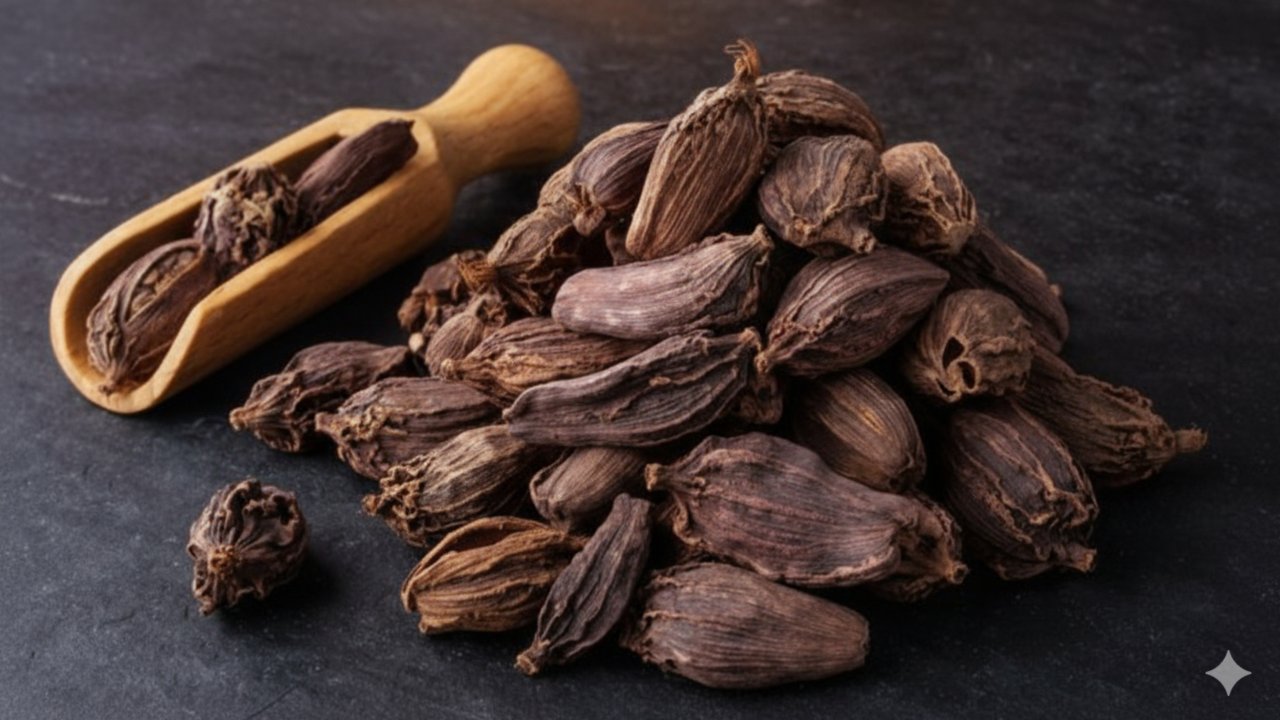 With a smoky, bold aroma, black cardamom differs greatly from the sweet green variety. Common in savory dishes, it also holds powerful therapeutic value. In Ayurvedic medicine, it is used to support respiratory health, improve digestion, soothe skin disorders, and balance vital energies or doshas.
This article explores black cardamom’s various forms, healing properties, health benefits, and possible side effects. From aiding metabolism to calming the gut, Badi Elaichi is a holistic remedy. Learn how to harness its power in everyday life to promote well-being the Ayurvedic way.
Types of Cardamom
To fully appreciate black cardamom, one must first understand its place within the broader cardamom family. While they share a name, the different varieties offer distinct sensory experiences and therapeutic profiles.
1. Green Cardamom (Elettaria cardamomum)
- Also known as: True cardamom, the “Queen of Spices.”
- Appearance: Small, vibrant green pods, smooth to the touch, containing tiny, aromatic black seeds.
- Flavor & Aroma: Highly aromatic with a sweet, floral, lemony, and slightly spicy character. It is one of the world’s most expensive spices by weight.
- Primary Uses: The quintessential spice for Indian sweets (like barfi and kheer), chai (tea), Scandinavian baking, and aromatic rice dishes like biryani and pulao. It is a key component in spice blends like garam masala.
2. Black Cardamom (Amomum subulatum)
- Also known as: Brown cardamom, Nepal cardamom, winged cardamom.
- Appearance: Large, dark brown to black, wrinkled, and rough pods. The pods are significantly larger and more fibrous than green cardamom.
- Flavor & Aroma: The defining characteristic is its intense, smoky, and earthy flavor with distinct notes of camphor and a cooling menthol-like finish. This smokiness is a result of the traditional drying method over open fires.
- Primary Uses: Overwhelmingly used in savory dishes. It forms the robust backbone of hearty curries, meat and lentil stews (dals), biryani, and rice pilafs. It is rarely used in desserts due to its potent profile.
3. White Cardamom
- What it is: This is not a separate species but rather green cardamom that has been bleached, either through sun-bleaching or a chemical process, to achieve a pale color.
- Appearance: Off-white or pale beige pods.
- Flavor & Aroma: Milder and less complex than its green counterpart, as the bleaching process can diminish some of its volatile oils.
- Primary Uses: Primarily employed in Scandinavian and other light-colored baked goods where the dark specks of green cardamom would be visually undesirable.
4. Madagascar or Round Cardamom (Aframomum spp.)
- Appearance: Rounder, larger pods, often with a reddish-brown hue.
- Flavor & Aroma: Less similar to true cardamom, with more pronounced citrusy, woody, or peppery notes.
- Primary Uses: Used regionally in African and certain Southeast Asian cuisines. It is sometimes used as a cardamom substitute or as a distinct spice in its own right.
Badi Elaichi Across Languages and Cultures
The prevalence of black cardamom across various cultures is evident from its many names.
Indian Languages:
- Bengali: Badh elach
- Gujarati: Elcha
- Hindi: Badi elaichi or Kali Elaichi
- Kannada: Dodda elakki
- Malayalam: Elakkai
- Marathi: Velchi
- Sanskrit: Brihad ela, Sthula ela (meaning “large cardamom”)
- Tamil: Peria Elam
- Telugu: Tengu elakulu
International Languages:
- Chinese: Ts’ao-k’ou
- French: Cardamome noire
- German: Schwarzer Kardamom
- Italian: Cardamomo nero
- Spanish: Cardamomo negro
- Thai: kravan
Badi Elaichi in Ayurveda
In Ayurveda, every substance is classified based on its inherent qualities and its effect on the three fundamental bio-energies or doshas—Vata (air & space), Pitta (fire & water), and Kapha (earth & water). Badi Elaichi is a revered dravya (medicinal substance) with a rich history of use in treating a wide array of conditions, known as rogas.
Traditional Therapeutic Uses:
- Respiratory Issues (Kasa, Swasa): Used for cough, cold, asthma, and bronchitis due to its ability to liquefy and expel excess Kapha (mucus).
- Skin Irritations (Kandu, Kushta): Its blood-purifying (Raktashodhaka) and anti-inflammatory properties help manage itching, rashes, and other skin ailments.
- Urinary Tract Disorders (Mutrakrichra, Vastiroga): Acts as a diuretic (Mutrala), promoting urine flow and supporting kidney and bladder health.
- Throat Problems (Kantaruja, Swara Bheda): Soothes sore throats and hoarseness of voice by reducing inflammation and acting as an expectorant.
- Digestive Weakness (Agnimandya): Kindles the digestive fire (Agni), making it a premier digestif.
Ayurvedic Properties (Dravyaguna):
- Rasa (Taste): Katu (Pungent), Tikta (Bitter) – These tastes stimulate digestion, clear toxins, and penetrate deep into tissues.
- Guna (Qualities): Ruksha (Dry), Laghu (Light) – These qualities help absorb excess moisture and are easy to digest.
- Virya (Potency): Ushna (Heating) – Its heating energy warms the body, enhances circulation, and melts stagnation.
- Vipaka (Post-Digestive Effect): Katu (Pungent) – After digestion, it continues to have a cleansing and scraping effect on the body’s tissues.
Effect on Doshas (Tridosha):
- Kapha-Vata Shamaka: It is highly effective in pacifying or reducing Kapha and Vata doshas. Its drying, light, and heating nature counteracts Kapha’s cold, heavy, and wet qualities, while its pungency helps to stabilize the mobile and erratic nature of Vata.
- Pitta Vardhaka: Due to its Ushna (hot) potency, it can potentially aggravate Pitta dosha if used in excess. Individuals with a predominant Pitta constitution or conditions like acid reflux, inflammation, or skin rashes with heat should use it cautiously.
Top 10 Black Cardamom’s Medicinal Uses & Health Benefits
The health benefits of Badi Elaichi, as suggested by both traditional wisdom and emerging scientific research, are extensive and profound.
1. Relieves and Prevents Respiratory Issues
Black cardamom is a quintessential respiratory tonic. Its efficacy stems from a combination of pharmacological actions.
- Expectorant and Decongestant: The Ushna (hot) potency and Katu (pungent) taste help to liquefy thick, stagnant mucus (Kapha) in the lungs and sinuses, making it easier to expel. This provides relief from the congested feeling of bronchitis, sinusitis, and the common cold.
- Bronchodilatory Effects: Some studies suggest that compounds in black cardamom can help relax the smooth muscles of the bronchial tubes, easing constriction and improving airflow in conditions like asthma.
- Antimicrobial and Anti-inflammatory: The essential oils in black cardamom, including 1,8-cineole, possess potent antimicrobial properties that help fight the underlying bacterial or viral infections causing respiratory distress. Simultaneously, its anti-inflammatory action soothes the irritated lining of the respiratory tract.
- Practical Application: For a stubborn cough or chest congestion, a tea made by boiling 1-2 crushed pods of Badi Elaichi in water, along with a slice of ginger and a teaspoon of honey, can be immensely soothing.
2. A Powerful Digestive Aid
In Ayurveda, robust health begins with strong digestion (Agni). Badi Elaichi is a premier deepana (appetite stimulant) and pachana (digestant).
- Stimulates Digestive Enzymes: The pungent principles in the spice trigger the secretion of saliva, gastric juices, and bile, ensuring food is broken down efficiently. This prevents the formation of ama (toxins), which is the root cause of many diseases according to Ayurveda.
- Carminative Action: It helps in the expulsion of gas from the intestines, relieving bloating, flatulence, and abdominal cramps. Adding a single pod to lentil dishes (dal) or bean curries is a traditional way to make these foods less gas-forming.
- Relieves Acidity (with caution): While its hot potency can aggravate Pitta in excess, its carminative and digestive properties can actually help balance stomach acids when used judiciously in combination with other cooling spices like fennel or coriander.
- Gut Motility: It can help stimulate peristalsis, offering gentle relief from constipation.
3. Promotes Cardiovascular Health
The modern lifestyle often takes a toll on heart health, and Badi Elaichi offers several protective benefits.
- Blood Pressure Regulation: It is a good source of minerals like potassium and magnesium, which are vital for maintaining healthy blood pressure levels. Potassium acts as a vasodilator, helping to relax blood vessels and reduce strain on the cardiovascular system.
- Antioxidant Powerhouse: The spice is rich in flavonoids and other antioxidant compounds that combat oxidative stress, a key contributor to atherosclerosis (hardening of the arteries). By preventing the oxidation of LDL cholesterol, it helps keep the arteries clear.
- Fiber Content: The fibrous pods, when consumed as part of the diet, can contribute to lower cholesterol levels by binding to cholesterol in the digestive system and preventing its absorption.
4. Potent Antioxidant and Anti-Cancer Potential
The dark, robust pods of black cardamom are loaded with phytochemicals that act as powerful antioxidants.
- Neutralizing Free Radicals: Compounds like limonene, pinene, and terpinene scavenge harmful free radicals, protecting cells from damage that can lead to premature aging and chronic diseases, including cancer.
- Chemopreventive Properties: Preliminary in vitro and animal studies have shown that extracts of black cardamom can induce apoptosis (programmed cell death) in cancer cells and inhibit the proliferation of tumors, particularly in the context of colon and liver cancer. While more human trials are needed, this highlights its potential as a functional food in a cancer-preventive diet.
5. Enhances Oral Health and Freshes Breath
Long before modern mouthwashes, spices like cardamom were used as natural oral cleansers.
- Antimicrobial Action: The essential oils fight bacteria in the oral cavity that are responsible for tooth decay, gum disease (gingivitis), and bad breath (halitosis).
- Natural Breath Freshener: The strong, camphorous aroma acts as an instant breath freshener. Chewing on a single pod after a meal is an age-old practice to cleanse the palate and odor.
- Saliva Stimulation: Chewing the pod stimulates saliva production, which is the mouth’s natural defense mechanism against acids and bacteria.
6. Supports Urinary and Kidney Function
As a natural diuretic (Mutrala), Badi Elaichi supports the health of the urinary system.
- Flushes Toxins: By promoting urine production, it helps the body flush out waste products, excess salts, and toxins, reducing the burden on the kidneys.
- Prevents Infections: The increased urine flow can help prevent bacteria from colonizing the urinary tract, thereby reducing the risk of Urinary Tract Infections (UTIs).
- May Prevent Stones: While excessive use can be risky for those with existing stones (see side effects), its diuretic action, in general, can help prevent the crystallization of minerals that form kidney stones.
7. Aids in Metabolic Function and Weight Management
Its impact on digestion and metabolism makes it a valuable ally in weight management.
- Boosts Metabolism: The Ushna Virya increases thermogenesis, the body’s metabolic rate, helping to burn calories more efficiently.
- Diuretic Effect: By reducing water retention, it can provide a feeling of lightness and reduce bloating.
- Kapha Reduction: In Ayurveda, obesity is linked to an aggravated Kapha dosha. Badi Elaichi, with its light, dry, and sharp qualities, is excellent for pacifying Kapha, thereby supporting the body’s natural fat-burning mechanisms.
8. Acts as a Natural Antidepressant and Cognitive Booster
The aroma and bioactive compounds in black cardamom have a notable impact on the nervous system.
- Aromatherapy Benefits: Inhaling the scent of crushed black cardamom can have an invigorating and calming effect, helping to alleviate mental fatigue, stress, and anxiety. This is linked to its ability to balance Vata dosha, which governs the nervous system.
- Circulatory Stimulant: By improving blood circulation, it ensures better oxygen supply to the brain, which can enhance cognitive functions like memory and concentration.
9. Promotes Skin Health from Within
The health of the skin is a reflection of the internal state of the body. Badi Elaichi’s detoxifying properties make it beneficial for skin health.
- Blood Purification: Its Raktashodhaka (blood-cleansing) property, as per Ayurveda, helps clear toxins from the bloodstream that can manifest as acne, eczema, or allergic rashes.
- Anti-inflammatory: When used internally or in a topical paste, its anti-inflammatory compounds can help reduce the redness and swelling associated with various skin conditions.
10. Soothes Muscular Spasms and Pain
The spice exhibits antispasmodic properties, meaning it can help relax involuntary muscle contractions.
- Relief from Cramps: This can be beneficial for relieving intestinal colic, menstrual cramps, and even muscular spasms in the limbs.
Potential Side Effects and Important Contraindications
While Badi Elaichi is overwhelmingly safe when used as a culinary spice, therapeutic doses or improper use can lead to adverse effects, especially in certain individuals.
Pitta Aggravation: This is the most common issue. Due to its Ushna (hot) nature, excessive consumption can lead to symptoms of heightened Pitta, such as:
- Heartburn or acid reflux
- Acidic stomach
- Skin rashes and inflammation
- Excessive body heat
- Mouth ulcers
Allergic Reactions: Though rare, some individuals may be sensitive to cardamom, leading to:
- Skin contact dermatitis, itching, or swelling.
- Respiratory symptoms like wheezing, tightness in the chest, or difficulty in breathing, especially upon inhalation of the powder.
Drug Interactions: The bioactive compounds in black cardamom can interact with certain medications.
- Anticoagulants/Antiplatelet drugs (e.g., Warfarin, Aspirin, Clopidogrel): Black cardamom may have mild blood-thinning properties. Combining them could increase the risk of bleeding and bruising.
- Liver Metabolized Drugs: It may affect the cytochrome P450 enzymes in the liver, potentially altering the metabolism and effectiveness of certain drugs. If you are on medication for chronic conditions, consult your doctor.
Gallstones: Individuals with a history of gallstones should exercise caution. The spice can stimulate the release of bile, which could potentially trigger a gallstone attack (biliary colic) if a stone is lodged in the bile duct.
Pregnancy and Lactation: While using it as a spice in food is considered safe, pregnant and breastfeeding women should avoid its therapeutic or supplemental use due to a lack of sufficient safety data.
Scientific Research on Badi Elaichi (Black Cardamom)
| Focus Area | Study Summary | Key Findings | Source |
|---|---|---|---|
| Anti-Cancer Potential | Study on lung cancer cell lines using fruit extracts. | Induced apoptosis via ROS and DNA damage pathways. | PubMed |
| Cardiovascular Effects | Tested on rats for blood pressure and heart rate response. | Lowered blood pressure; parasympathetic system activation. | PubMed |
| Metabolic Support | Animal and in-vitro study on lipid and glucose levels. | Reduced cholesterol, glucose diffusion; anticoagulant effect. | KU Studies |
| Anti-Inflammatory Activity | Extracts tested in rats for inflammation markers. | Significant anti-inflammatory effects, especially in rind. | Innovare Journals |
| Diabetes & Enzyme Inhibition | Compared Indian vs Chinese black cardamom in vitro. | Inhibited carbohydrate-digesting enzymes; antidiabetic potential. | Progress in Nutrition |
How to Use Badi Elaichi: Maximizing Flavor and Benefits
To harness the full potential of black cardamom, understanding its culinary application is key.
- Buy Whole Pods: Like all spices, cardamom starts losing its volatile oils and aroma as soon as it is ground. Always purchase whole, intact pods.
- Toasting for Depth: Lightly toasting the whole pods in a dry pan for a minute before use can unlock even more complex flavors.
- Tempering (Tadka): The most common method in Indian cooking is to temper whole or lightly crushed pods in hot oil or ghee at the beginning of preparing a curry, dal, or rice dish. This infuses the entire dish with its smoky essence.
- Crushing vs. Grinding: For stews and slow-cooked dishes, lightly crushing the pod with the flat of a knife is sufficient to release its flavor. For spice blends, you can grind it, but it’s best to do so in small batches.
- Remove Before Serving: The large, fibrous pods are not meant to be eaten. They are typically removed from the dish before serving or placed to the side of one’s plate while eating.
Simple Home Remedies:
- For Cough and Cold: Boil 1 crushed black cardamom pod, 2-3 cloves, and a small piece of cinnamon in a cup of water for 5-7 minutes. Strain, add honey, and drink warm.
- For Digestion: After a heavy meal, chew on a single fennel seed mixed with one seed from inside a black cardamom pod.
- For Bad Breath: Chew on a single black cardamom pod for a minute as a natural mouth freshener.
FAQ’s
1. What are the health benefits of Badi Elaichi?
Badi Elaichi is known to improve digestion, boost respiratory health, support heart function, and possess anti-inflammatory and antioxidant properties, making it a powerful ingredient in Ayurveda.
2. Does black cardamom help digestion?
Yes, black cardamom stimulates digestive enzymes and helps in reducing gas, bloating, and indigestion.
3. Are there any side effects of black cardamom?
In moderate amounts, black cardamom is safe for most people. However, excessive consumption may cause gastrointestinal discomfort or allergic reactions in sensitive individuals.
4. How to use Badi Elaichi for respiratory health?
Black cardamom can be used in teas, steam inhalations, or cooking to help clear respiratory passages and relieve congestion.
5. Can black cardamom lower blood pressure?
Some studies suggest black cardamom may help reduce blood pressure by relaxing blood vessels and promoting cardiovascular health.
6. Is Badi Elaichi good for weight loss?
While not a magic solution, black cardamom may support metabolism and digestion, which can aid weight management when combined with a healthy diet.
7. How does black cardamom benefit mental health?
Its antioxidant properties and aroma may help reduce stress and improve mental clarity, although more research is needed.
8. Can pregnant women consume black cardamom safely?
Pregnant women should consult a healthcare provider before using black cardamom, as safety depends on individual health conditions and dosage.
9. What is the difference between black and green cardamom?
Black cardamom has a smoky, bold flavor and is used mainly in savory dishes and medicinally, whereas green cardamom is sweet and floral, popular in desserts and beverages.
10. How to include Badi Elaichi in daily diet?
You can add it to curries, rice dishes, teas, or use it as a spice rub to enjoy its flavor and health benefits regularly.
Badi Elaichi, or black cardamom, is more than a spice—it’s a powerful Ayurvedic healer. Known for its smoky aroma, it supports digestion, clears respiratory pathways, and protects heart and mind. This natural remedy embodies holistic wellness, offering profound health benefits rooted in ancient wisdom and modern relevance.

























Cardamom is an ancient spice, existing in India more than a thousand years before the birth of Christ. It is the third most expensive spice, after saffron and vanilla.