
How to Make Pure Desi Ghee at Home from Fresh Malai

Desi ghee, a cherished culinary and medicinal staple in Indian homes, is made from clarified butter. Its rich, golden hue, nutty flavor, and aromatic fragrance make it a beloved ingredient in both cooking and Ayurveda. Rich in healthy fats and fat-soluble vitamins like A, D, E, and K, desi ghee is prized for its nutritional value.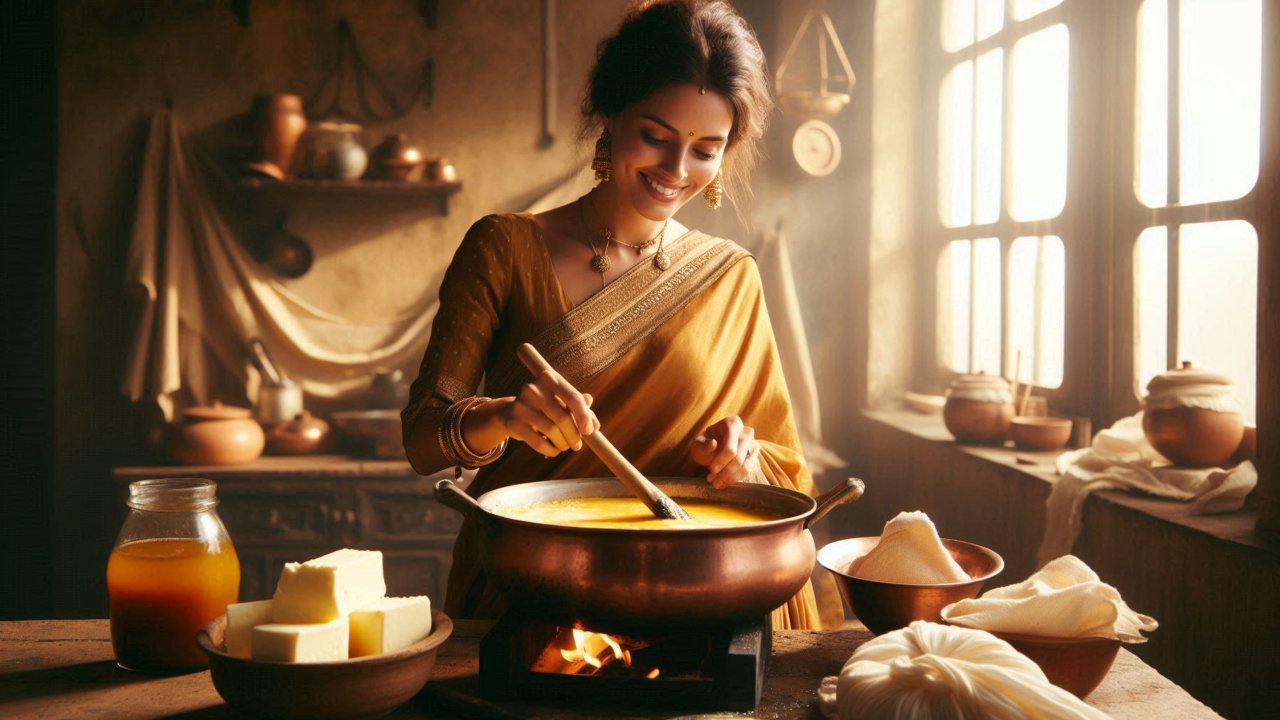 It is lactose-free and easily digestible, making it suitable even for people with lactose intolerance or sensitive digestion. Beyond its taste and aroma, ghee is revered for its high smoke point and digestive ease. It’s lactose- and casein-free, making it suitable for many with dairy sensitivities.
In Ayurveda, ghee is considered sattvic, nourishing both body and mind. Whether drizzled on warm rotis or used in herbal formulations, ghee holds a timeless place in Indian tradition.
What is Ghee?
Ghee is a type of clarified butter that originates from South Asia and is made by simmering butter to remove water and milk solids, leaving behind a rich, golden liquid fat. It has a high smoke point, making it ideal for cooking, and is prized for its nutty flavor and long shelf life.
Ghee is commonly used in Indian, Middle Eastern, and Ayurvedic cooking, and is also valued for its potential health benefits, including aiding digestion and providing healthy fats.
The Difference Between Ghee and Butter
While ghee and clarified butter are similar, ghee is cooked longer than traditional clarified butter. This extended cooking time allows the milk solids to caramelize, giving ghee its signature nutty aroma and deeper flavor.
The removal of milk solids also increases its smoke point and makes it more shelf-stable than butter, with no refrigeration required in most climates.
| Feature | Ghee | Butter |
|---|---|---|
| Ingredients | Clarified butterfat (milk solids removed) | Butterfat with milk solids and water |
| Lactose/Casein | Removed — lactose- and casein-free | Contains lactose and casein |
| Flavor | Rich, nutty, aromatic | Creamy, slightly sweet |
| Smoke Point | ~450°F (232°C) – High | ~350°F (177°C) – Medium |
| Shelf Life | Long — stable at room temperature | Requires refrigeration |
| Cooking Uses | Ideal for frying, sautéing, and roasting | Best for low-heat cooking or baking |
| Ayurvedic Use | Highly valued in Ayurvedic healing | Not traditionally used in Ayurveda |
| Digestibility | Easier to digest for lactose-sensitive people | May cause issues for those with dairy intolerance |
The Ayurveda Perspective on Ghee
From an Ayurvedic perspective, ghee is considered one of the most sacred and healing foods. It is believed to balance all three doshas—Vata, Pitta, and Kapha—when used appropriately, and is especially nourishing for Vata and Pitta types.
Ghee is thought to enhance agni (digestive fire), support the absorption of nutrients, and lubricate the tissues, promoting flexibility and vitality.
It is also used as a carrier (anupana) in Ayurvedic medicine to deliver herbs deep into the body’s tissues. Beyond physical health, ghee is seen as sattvic, meaning it promotes clarity, peace, and spiritual growth.
The Ayurveda Perspective on Ghee
| Ayurvedic Benefit | Description |
|---|---|
| ✅ Balances Doshas | Balances Vata and Pitta doshas; neutral for Kapha in moderation. |
| 🔥 Enhances Agni | Improves digestion by strengthening the digestive fire (agni). |
| 🧬 Deep Tissue Nourishment | Nourishes all seven tissues (dhatus) and promotes rejuvenation. |
| 🌿 Herbal Carrier (Anupana) | Acts as a carrier for herbs, delivering them deep into the tissues. |
| 🧘 Sattvic Quality | Promotes mental clarity, calmness, and spiritual growth. |
| 💧 Lubricates the Body | Supports flexibility by lubricating joints and body channels (srotas). |
| 🛡️ Boosts Ojas | Increases ojas, the essence of vitality and immunity in Ayurveda. |
Top 10 Health Benefits of Ghee in Ayurveda
Ghee holds a special place in Ayurveda for its numerous health benefits. Here are the top 10 ways ghee supports your well-being according to Ayurvedic wisdom
1. Promotes Digestive Health
Ghee stimulates digestive enzymes and improves nutrient absorption, helping with constipation, acidity, and indigestion by strengthening Agni (digestive fire).
2. Enhances Skin Health
Its nourishing and Sattvic qualities moisturize dry skin and aid in healing burns and wounds when applied topically, promoting Ojas—the vital essence for radiant health.
3. Improves Eye Health
Regular consumption of ghee is believed to support healthy eyesight and protect against eye disorders by pacifying aggravated Pitta dosha.
4. Supports Bone Health
Rich in healthy fats and vitamins, ghee strengthens bones and supports calcium absorption, maintaining Dhatu (tissue) health.
5. Anti-Inflammatory Effects
Ghee reduces inflammation, benefiting joints and potentially easing symptoms of arthritis by balancing Vata dosha.
6. Powerful Antioxidant
Contains vitamin E and butyrate that protect cells from oxidative damage and slow aging, preserving Prana (life energy).
7. Boosts Immunity
Enhances immune function by aiding the absorption of fat-soluble vitamins and minerals, strengthening the body’s natural Bala (strength).
8. Cognitive Support
Nourishes the nervous system, improves memory, mental clarity, and supports brain health through its Medhya (intellect-enhancing) properties.
9. Balances Doshas
Ghee helps harmonize the body’s energies, particularly balancing Pitta, Vata, and Kapha doshas, promoting overall equilibrium.
10. Promotes Longevity and Vitality
Considered a Rasayana, ghee rejuvenates tissues, supports vitality, and promotes overall wellness, fostering spiritual and physical well-being.
Scientific Research on Desi Ghee
| Research Topic | Summary | Source / URL |
|---|---|---|
| Heating Effects of Desi Ghee | Study on molecular changes during cooking at 140–180°C; safe for frying without significant changes. | PubMed Link |
| Detection of Adulteration in Desi Ghee | Fluorescence spectroscopy to identify and quantify adulteration and differences in buffalo vs cow ghee. | PubMed Link |
| Rheological Characteristics of Desi Ghee | Investigates flow behavior and shear-thinning properties at different temperatures. | PubMed Link |
| Extraction Methods Characterization | Compares molecular composition of ghee from different extraction methods using Raman spectroscopy. | PubMed Link |
| Detection of Vanaspati Adulteration | Spectrophotometric analysis of ghee adulterated with partially hydrogenated oils. | Discovery Journals |
How to Make Medicated Ghee
Making ghee at home is an easy yet rewarding process that results in a high-quality, nutritious cooking fat.
Ghee is rich in flavor, and it’s free of milk solids and impurities, making it more shelf-stable than butter. Here’s a simple guide on how to make ghee at home.
1. Ingredients and Equipment Needed
Ingredients:
- 1 liter of full-fat cow’s milk or buffalo milk (you will need cream/malai from this milk)
Equipment:
- A large non-stick pan or heavy-bottomed pot
- A spoon for stirring
- Cheesecloth or cotton cloth for straining
- A clean glass jar for storing the ghee
Step-by-Step Process for Making Ghee
Making ghee is a straightforward process that involves slowly melting and clarifying butter. Follow this step-by-step guide to prepare pure, aromatic ghee at home.
1. Collecting the Cream (Malai)
- Boil the Milk: Start by boiling full-fat milk. Once it comes to a boil, allow it to cool.
- Refrigerate Overnight: After the milk has cooled, refrigerate it overnight. The next morning, you’ll notice a thick layer of cream (malai) floating on top of the milk.
- Collect the Cream: Skim off the cream from the top of the milk. Store it in an airtight container. Keep collecting cream over the next few days until you have a good amount, usually about 10 cups, to make ghee.
2. Churning the Cream to Separate the Butter
- Prepare the Yogurt (Optional): For better results, mix some sour yogurt with the cream. You can leave the yogurt at room temperature for a few hours to become sour. This step helps to improve the churning process.
- Churn the Cream: Once you have enough cream and the yogurt is ready, pour the cream into a blender or a traditional churner (hand-held or electric). Blend for about 4-6 minutes until the butter separates from the whey (the milky water).
- Remove the Butter: Once the butter forms and floats on top, remove it from the whey. You can set aside the whey for use in cooking or other recipes, as it’s rich in nutrients.
3. Cooking the Butter to Make Ghee
- Melt the Butter: Place the butter you’ve just collected into a heavy-bottomed pan and heat it on low to medium heat.
- Simmer and Stir: Stir the butter occasionally. As it heats up, the butter will begin to melt and bubble. The water content in the butter will start to evaporate.
- Watch for Milk Solids: As the butter simmers, milk solids will separate and settle at the bottom of the pan. These solids will start to turn golden brown and give off a nutty aroma, signaling that the ghee is almost ready.
- Timing Is Key: The cooking process can take around 30-40 minutes. Be sure to keep an eye on it to prevent burning. Once the milk solids are browned and the ghee turns golden and clear, you know it’s done.
4. Strain the Ghee
- Strain While Warm: Let the ghee cool for a few minutes. Then, strain it through a cheesecloth or cotton cloth to remove the milk solids and any impurities. Be careful as the ghee will still be hot.
- Store the Ghee: Transfer the strained ghee into a clean glass jar or container. Let it cool completely, and then seal it tightly.
Storage and Usage Tips
- Storage: Ghee can be stored at room temperature in a cool, dry place for up to several weeks. For longer shelf life, you can refrigerate the ghee.
- No Refrigeration Needed: Ghee does not require refrigeration because all the moisture has been evaporated during the cooking process, making it naturally shelf-stable.
- Uses: Ghee can be used in place of butter or cooking oil. It’s excellent for frying, sautéing, or adding flavor to curries, rice, vegetables, and even desserts. You can also use it as a finishing touch on dishes or as a spread on bread and parathas.
How to Make Medicated Ghee (Ksheer Ghee)
Medicated ghee, also known as Ksheer Ghee in Ayurveda, is ghee that has been infused with medicinal herbs to enhance its therapeutic properties.
This special type of ghee is used for various health benefits, including improving digestion, boosting immunity, and promoting overall vitality. Here’s a step-by-step guide to making your own medicated ghee at home using Ayurvedic herbs.
Ingredients Needed
Pure Ghee: 500 grams (preferably homemade ghee, as it’s free from impurities)
Herbs for Infusion (These are just examples; consult with an Ayurvedic practitioner for specific herbs that suit your needs):
- Amalaki (Amla): 25 grams (Indian gooseberry, known for its high vitamin C content and antioxidant properties)
- Musta (Nagarmotha): 25 grams (helps with digestion and detoxification)
- Gulvel: 25 grams (also known as Tinospora cordifolia, which has immune-boosting properties)
- Shatavari: 25 grams (used for balancing hormones, especially in women)
- Ashwagandha: 50 grams (known for its adaptogenic properties that reduce stress and increase energy)
Equipment Needed
- A large non-stick pan with a heavy bottom
- A fine cotton cloth or cheesecloth for straining
- A clean glass jar for storage
- A spoon for stirring
- A container for soaking the herbs
Preparing the Herbal Decoction
- Soak the Herbs: The first step is to soak the herbs in water. Take the required herbs (Amalaki, Musta, Gulvel, Shatavari, and Ashwagandha) and soak them in about 2 liters of water overnight. This helps to release their beneficial compounds into the water.
- Boil the Herbs: The next day, place the soaked herbs and water in a large pan over medium heat. Allow the mixture to simmer slowly, stirring occasionally. Keep boiling until the water reduces to half its original quantity (about 1 liter). This concentrated herbal solution is called a decoction.
- Strain the Decoction: Once the liquid has reduced, strain the decoction through a thick cotton cloth or cheesecloth to remove any solid particles. You should now have a clear herbal liquid ready for infusion.
Preparing the Medicated Ghee
- Add Ghee to the Pan: In a separate heavy-bottomed pan, add the pure ghee (500 grams). Place it on low to medium heat. Allow the ghee to melt completely, but do not let it get too hot or burn.
- Add the Herbal Decoction: Once the ghee is fully melted, slowly add the prepared herbal decoction to the ghee. Be sure to stir continuously to prevent the mixture from burning or sticking to the pan.
- Cook and Stir: Keep the pan on low flame and stir the mixture gently but continuously. Allow the ghee to cook and absorb the properties of the herbs. This process will take about 30-45 minutes. You will notice that the water content from the decoction starts to evaporate.
- Watch for the Right Consistency: The ghee will begin to thicken as the water evaporates. You’ll know the ghee is ready when the liquid starts to appear clear, and the ghee separates from the remaining herbal water. The texture of the ghee should now be smooth and rich.
Final Straining and Storage
- Strain the Ghee: Once the water has evaporated and the ghee is fully infused with the herbs, remove it from the heat. Allow it to cool slightly (but not completely). Strain the ghee through a fine cotton cloth or cheesecloth to remove any remaining herbal residue.
- Store the Medicated Ghee: Transfer the filtered medicated ghee into a clean, dry glass jar or container. Allow it to cool completely before sealing the jar. Store it in a cool, dry place.
How to Use Medicated Ghee
Dosage: It is generally recommended to consume 1 teaspoon of medicated ghee three times a day, either before meals or as advised by an Ayurvedic practitioner.
Therapeutic Uses: Medicated ghee is used for various health conditions, including:
- Digestive issues: It helps soothe the digestive tract, improve absorption, and boost metabolism.
- Stress and Anxiety: Herbs like Ashwagandha and Shatavari in the ghee can help manage stress and improve overall mental clarity.
- Boosting Immunity: The combination of immune-boosting herbs like Gulvel strengthens the body’s defenses.
- Hormonal Balance: Shatavari is known for its ability to balance hormones, especially in women, supporting reproductive health.
External Use: Medicated ghee can also be applied externally on the skin to treat burns, wounds, or to enhance skin health.
Precautions and Considerations
- Consult an Ayurvedic Expert: Before using medicated ghee, it’s advisable to consult an Ayurvedic practitioner, especially if you have underlying health conditions, as some herbs may not be suitable for everyone.
- Monitor Dosage: Always stick to the recommended dosage, as consuming too much ghee may lead to digestive issues or weight gain, especially for those with a slower metabolism.
- Store Properly: Medicated ghee should be stored in an airtight container and kept in a cool, dry place. If you notice any spoilage or change in aroma, discard it.
Making pure desi ghee at home using malai is a simple and rewarding process that preserves the authentic flavor and health benefits of traditional ghee. By preparing it yourself, you ensure purity, freshness, and control over the quality. Enjoy the rich taste and Ayurveda-backed nourishment that homemade desi ghee brings to your kitchen and wellness routine.






















How to consume it sir /madam in Children’s pls do suggest thanks for sharing
Little! It’s recommended you limit your toddler’s ghee intake to not more than half a teaspoon per day. Dr Pankaj Vohra