India’s Top 10 Alkaline Foods for Better Health

In today’s fast-paced world, where processed and convenience foods often dominate our meals, maintaining an optimal pH balance in the body has become both more challenging and more crucial. The human body functions best when the blood maintains a slightly alkaline pH of around 7.35 to 7.45. 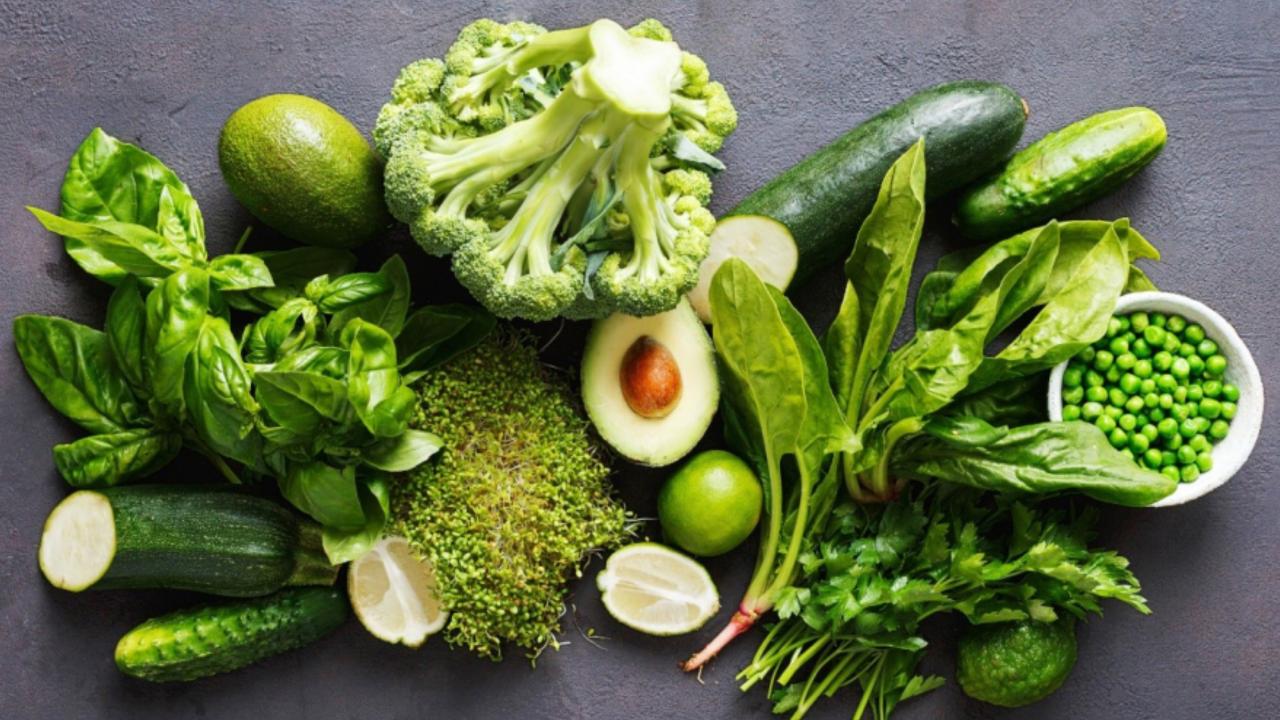 While the body regulates this balance tightly, our dietary habits can influence the overall acid-alkaline environment, particularly in tissues and organs, which in turn can impact health outcomes over time. India’s traditional food wisdom offers valuable insights into this concept.
Long before modern science explored the impact of pH on health, ancient systems like Ayurveda emphasized the importance of harmony in the body—especially through food. Ayurvedic principles advocate for a balanced diet that includes a thoughtful mix of acidic and alkaline foods tailored to individual constitutions or doshas.
Understanding and embracing the age-old wisdom of balancing our diets—not just for calories or nutrients, but also for pH—can be a powerful tool in promoting overall wellness. As we navigate modern nutrition challenges, perhaps it is time to look back to move forward.
Understanding Alkaline vs. Acidic Foods
The pH scale measures how acidic or alkaline a substance is, ranging from 0 (highly acidic) to 14 (highly alkaline), with 7 being neutral. The human body maintains different pH levels in different systems, depending on their function:
- Stomach: pH 1.5–3.5 – highly acidic to aid in breaking down food
- Blood: pH 7.35–7.45 – slightly alkaline, tightly regulated for health
- Urine: pH 4.6–8.0 – varies depending on dietary and metabolic factors
Acidic vs. Alkaline Foods: Key Differences
| Parameter | Acidic Foods | Alkaline Foods |
|---|---|---|
| Examples | Meat, dairy, refined sugar, processed snacks | Most fruits, vegetables, seeds, and nuts |
| Effect on Body | Can lower internal pH, contributes to inflammation | Help maintain pH balance and reduce inflammation |
| Common Indian Examples | White rice, fried snacks (samosa, pakora) | Coconut water, bottle gourd (lauki), spinach |
Note: Some foods like lemons and tomatoes are acidic outside the body but have an alkalizing effect after digestion due to their mineral content.
Ayurvedic Perspective on Alkaline Foods
In Ayurveda, foods are classified not just by their taste or nutrient content but by their energetic qualities and effects on the three doshas—Vata, Pitta, and Kapha. Alkaline foods play a key role in balancing these vital energies.
How Alkaline Foods Affect the Doshas
| Dosha | Imbalance Traits | Alkaline Foods That Help | Effect |
|---|---|---|---|
| Pitta (Fire) | Excess heat, acidity, irritability | Coconut, cucumber, mint, coriander | Cooling and calming |
| Kapha (Earth + Water) | Sluggishness, congestion, heaviness | Leafy greens, sprouts, turmeric, bitter gourd | Lightening and detoxifying |
| Vata (Air + Ether) | Anxiety, dryness, restlessness | Bananas, soaked almonds, root vegetables, sesame seeds | Grounding and nourishing |
Traditional Alkaline-Supporting Practices in Ayurveda
1. Start the Day with Warm Lemon Water
- Though lemon is acidic outside the body, it becomes alkalizing post-digestion and helps stimulate agni (digestive fire).
2. Seasonal Eating
Eat according to nature’s rhythms:
- Summer: Cooling fruits like mangoes, melons
- Winter: Warming root vegetables and spices
3. Mindful Food Combining
Ayurveda advises against combinations like:
- Fruits with dairy (e.g., banana + milk) → may disrupt digestion
- Beans with yogurt → increases ama (toxins)
Top 10 Alkaline Foods in India
While the pH of foods outside the body may vary, their metabolic impact—whether acid-forming or alkaline-forming—is what truly matters. Below is a curated list of alkaline-forming Indian foods, their benefits, regional relevance, and Ayurvedic insights.
1. Lemon (Nimbu)
- pH (raw): ~2.0 (acidic)
- Alkalizing Effect: Strong
Benefits:
- Boosts immunity (vitamin C)
- Detoxifies liver
- Enhances digestion and reduces acidity
How to Use:
- Morning warm lemon water
- Salad dressings, herbal teas
Ayurvedic Note: Despite its sourness, it becomes madhura vipaka (sweet after digestion), cooling for pitta.
2. Coconut Water (Nariyal Pani)
- pH (raw): 5.0–5.4
- Alkalizing Effect: Moderate to strong
Benefits:
- Restores electrolytes
- Cools the system
- Supports urinary health
Regional Varieties:
- Tender coconut in the South
- Used widely in Maharashtra, Goa, Bengal
Ayurvedic Note: Balances pitta and calms internal heat; ideal for summer.
3. Bottle Gourd (Lauki / Doodhi / Sorakaya)
- pH (raw): 6.5–7.5
- Alkalizing Effect: Strong
Benefits:
- Aids hydration and digestion
- Promotes weight loss
- Supports liver function
How to Use:
- As juice, cooked sabzi, or soup
Ayurvedic Note: Used for cooling and calming excess heat in the gut; pitta-pacifying.
4. Spinach (Palak)
- pH (raw): ~6.5
- Alkalizing Effect: High (especially when lightly cooked)
Benefits:
- Rich in chlorophyll, iron, and magnesium
- Cleanses blood and supports liver health
How to Use:
- Lightly sautéed with spices
- Added to soups, smoothies
Ayurvedic Note: Beneficial in moderation for pitta and kapha; always cooked for vata types to reduce roughness.
5. Coriander (Dhaniya)
- pH (raw): ~6.5
- Alkalizing Effect: Moderate
Benefits:
- Detoxifies kidneys
- Supports digestion and reduces bloating
- Rich in antioxidants
How to Use:
- Fresh chutneys, garnishing, coriander seed water
Ayurvedic Note: Cools pitta, relieves urinary burning, and balances all doshas in small amounts.
6. Turmeric (Haldi)
- pH (dry spice): ~7.5
- Alkalizing Effect: Strong
Benefits:
- Potent anti-inflammatory
- Supports liver detox
- Promotes immunity
How to Use:
- Golden milk, curries, and teas
Ayurvedic Note: A tridoshic herb; balances vata, pitta, and kapha; essential in daily cooking for cleansing and healing.
7. Cucumber (Kheera)
- pH (raw): ~6.0–6.5
- Alkalizing Effect: Strong
Benefits:
- Hydrating and cooling
- High in silica for skin health
- Flushes out toxins
How to Use:
- Raw in salads, cucumber raita, juices
Ayurvedic Note: Highly pitta-pacifying, excellent in summer; too much raw intake may aggravate vata in some.
8. Almonds (Badaam)
- pH (raw): ~7.0 (when soaked)
- Alkalizing Effect: Moderate to strong
Benefits:
- Healthy fats and plant protein
- Supports brain and nerve function
- Rich in calcium and magnesium
How to Use:
- Soaked overnight, almond milk, light roasting
Ayurvedic Note: Soaked and peeled almonds balance vata and nourish ojas (vital energy); avoid raw or roasted for pitta.
9. Tulsi (Holy Basil)
- pH: ~6.5 (alkaline-forming herb)
- Alkalizing Effect: Strong
Benefits:
- Adaptogen – reduces stress
- Fights respiratory issues
- Supports immune function
How to Use:
- Tulsi tea, fresh leaves, infused water
Ayurvedic Note: Considered sacred; balances kapha and vata, and strengthens prana (life force).
10. Pumpkin (Kaddu / Sitaphal)
- pH (cooked): ~7.0
- Alkalizing Effect: High
Benefits:
- Light and easy to digest
- Nourishes without creating heaviness
- Rich in beta-carotene
How to Use:
- Steamed, pureed, or as sabzi with cumin
Ayurvedic Note: Balances vata and pitta, supports digestion, and soothes the gut.
Seasonal Alkaline Food Guide
India’s climate is diverse, and so is its traditional food wisdom. Ayurveda emphasizes eating with the seasons to support natural detox, digestion, and dosha balance. Below is a seasonal alkaline food guide aligned with India’s climate rhythms.
| Season | Best Alkaline Foods | Benefits & Ayurvedic Insight |
|---|---|---|
| Summer (April–June) |
Coconut water, watermelon, cucumbers, mint, muskmelon | Cooling and hydrating; pacifies pitta, prevents heat-related issues |
| Monsoon (July–September) |
Ash gourd, barley, bottle gourd, herbal teas (tulsi, ginger) | Light, cleansing foods to prevent digestive issues; balances kapha and vata |
| Winter (October–February) |
Dates, spinach, root vegetables (carrot, beetroot), sesame, almonds | Warming and grounding; nourishes vata, strengthens immunity |
Regional Food Wisdom Across India
| Region | Key Alkaline Staples | Traditional Uses |
|---|---|---|
| South India | Tender coconut, curry leaves, ash gourd | Coconut water as daily coolant; ash gourd juice used in temple rituals and home remedies |
| North India | Spinach, coriander, amla | Used in winter sabzis and chutneys; amla consumed raw or as murabba for vitamin C and alkalinity |
| West India | Bottle gourd, kokum, bajra | Lauki used in khichdi and soups; kokum in digestive and cooling drinks; bajra in winter meals |
| East India | Banana stem, cucumber, leafy greens | Banana stem juice for kidney cleansing; raw cucumber in summer salads; greens in traditional dishes |
Top 10 Health Benefits of Alkaline Foods
- Better Digestion: Alkaline foods have a lot of fiber that helps your stomach work well.
- Healthier Skin: Less acid in your body can make your skin look clearer and fresher.
- More Energy: A good pH balance helps your cells make energy.
- Fight Diseases: Alkaline foods have antioxidants that reduce inflammation and keep you healthy.
- Stronger Bones: Keeping your body less acidic helps keep your bones strong.
- Healthy Kidneys: Alkaline foods can protect your kidneys and help prevent kidney stones.
- Stronger Immunity: These foods help your body fight off sickness.
- Keep Muscles Healthy: They help stop muscles from breaking down as you get older.
- Help with Weight: Alkaline foods usually have fewer calories and keep you feeling full.
- Clearer Mind: A balanced body pH can help your brain work better and reduce tiredness.
Celebrity and Expert Recommendations
1. Shilpa Shetty:
Shilpa advocates a morning alkaline routine, especially drinking warm lemon water on an empty stomach. She believes it kickstarts digestion, detoxifies the body, and boosts metabolism.
Along with this, she recommends including plenty of alkaline fruits and vegetables in daily meals to maintain overall health and glowing skin.
Rujuta Diwekar:
Rujuta emphasizes the importance of eating seasonal and locally grown alkaline foods. She advises that our bodies are naturally adapted to the foods available in our environment and season.
Which supports digestion and balances body pH. Her approach discourages extreme diets and encourages balanced, mindful eating based on Ayurveda principles.
Dr. Vasant Lad (Ayurveda):
As a respected Ayurvedic physician, Dr. Lad suggests alkaline foods such as coconut, cucumber, and leafy greens to pacify the pitta dosha, which governs heat and metabolism in the body.
He explains that maintaining an alkaline balance helps reduce acidity-related issues like heartburn, inflammation, and skin problems, promoting overall dosha harmony and wellness.
Precautions and Who Should Be Cautious
- People with Kidney Problems: Some alkaline foods (like spinach and nuts) are high in potassium, which can be risky for those with kidney disease. Always consult a doctor first.
- Those on Medication: Certain medications may interact with alkaline diets or supplements—check with your healthcare provider.
- Balance Is Key: Overconsuming alkaline foods while neglecting acidic foods can disrupt digestion and nutrient absorption. Aim for a balanced diet.
- Digestive Sensitivities: Some people may find raw alkaline foods hard to digest (like raw greens); cooking or soaking can help.
- Pregnant or Breastfeeding Women: Should consult a healthcare professional before making significant dietary changes.
FAQ’s
Q: Which Indian food is alkaline?
A: Many Indian foods are alkaline-forming, such as coconut water, bottle gourd (lauki), bitter gourd (karela), spinach, and almonds.
Q: What is the highest alkaline food?
A: Lemon is one of the highest alkaline-forming foods despite being acidic in taste, due to its alkalizing effect after digestion.
Q: How do I make my body 100% alkaline?
A: It’s not healthy or realistic to make your body fully alkaline. Instead, aim for a balanced diet rich in alkaline foods like fruits and vegetables to support your body’s natural pH balance.
Q: Is chapati alkaline?
A: Chapati (whole wheat flatbread) is generally considered neutral to mildly alkaline, depending on the flour type and preparation.
Q: Which dal is alkaline?
A: Moong dal (green gram) is mildly alkaline and easy to digest compared to other lentils.
Q: What is the king of alkaline food?
A: Lemon is often called the “king of alkaline foods” due to its strong alkalizing effect on the body.
Q: Is curd alkaline?
A: Curd (yogurt) is slightly acidic but can have a neutralizing effect depending on individual digestion.
Q: Which food reduces acidity?
A: Foods like cucumber, coconut water, aloe vera, and bananas help reduce acidity in the body.
Q: Is ghee acidic or alkaline?
A: Ghee is considered neutral to mildly alkaline and is often used in Ayurveda to balance digestion.
Q: Is paneer alkaline?
A: Paneer (Indian cottage cheese) is slightly acidic but can be balanced with alkaline side dishes.
Q: Is rice high in alkaline?
A: White rice is generally neutral to slightly acidic, while brown rice is closer to neutral.
Q: Is chana acidic or alkaline?
A: Chana (chickpeas) is mildly acidic but is nutritious and can be balanced with alkaline foods.
Q: Which food is full of alkaline?
A: Leafy greens, most fruits, nuts like almonds, and many vegetables are rich in alkaline-forming minerals.
Q: Is jaggery alkaline?
A: Jaggery is mildly alkaline and considered a healthier sweetener compared to refined sugar.
Remember, balance is key – even Ayurveda emphasizes moderation in all things. By incorporating these traditional Indian alkaline foods mindfully, you can enjoy better health while connecting with India’s rich culinary heritage.
References:
- Reducing the Dietary Acid Load: How a More Alkaline Diet Benefits Patients With Chronic Kidney Disease(1)
- Alkaline Diet and Metabolic Acidosis: Practical Approaches to the Nutritional Management of Chronic Kidney Disease(2)
- Alkaline Diet: A Natural Approach to Managing Acidity(3)
- Concepts of acid alkaline diet(4)
- The Alkaline Diet: Is There Evidence That an Alkaline pH Diet Benefits Health?(5)