Ujjayi Breath (Pranayama): Benefits, How-To Do, and Precautions

Breath is a vital part of yoga. Through conscious breathing, you can begin to control and balance Prana—the vital life energy that flows through all living things. In yogic tradition, learning to work with your breath is a way to connect the body, mind, and spirit.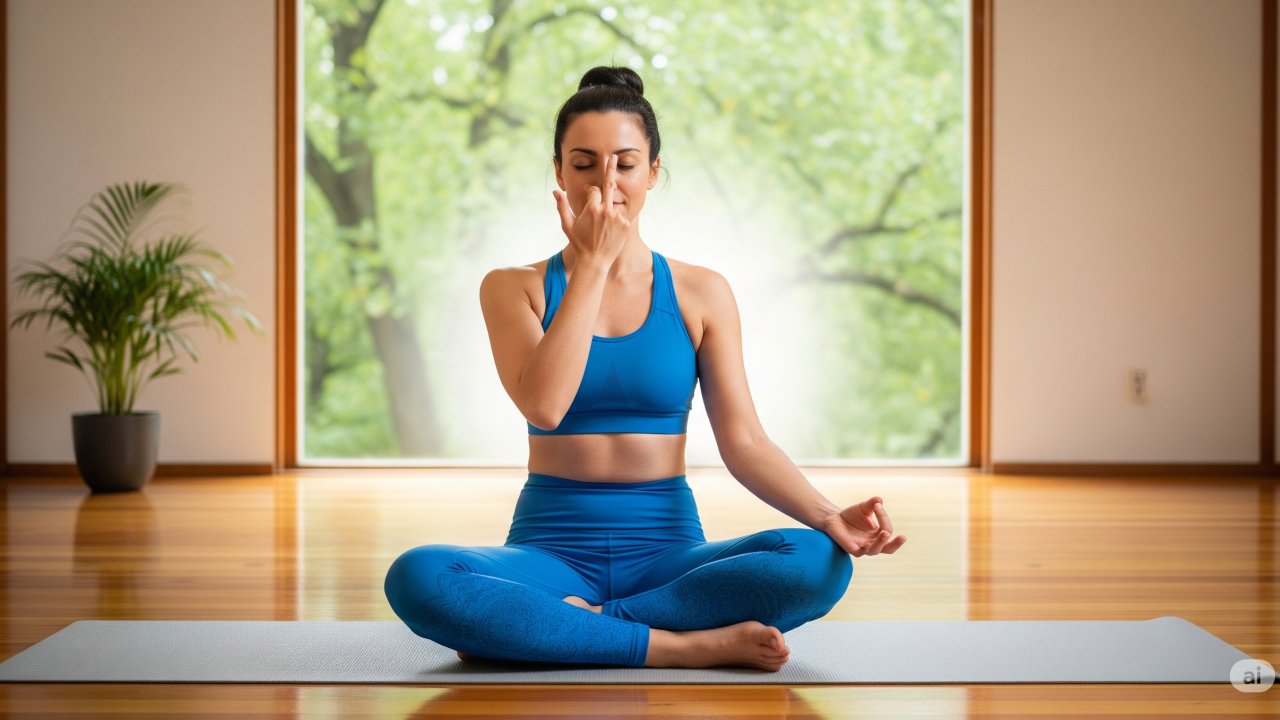 Pranayama, the practice of breath control, is one of the eight limbs of yoga outlined in Patanjali’s Yoga Sutras. These eight limbs offer a pathway toward spiritual growth and self-awareness, and pranayama is considered essential for preparing the mind for meditation.
There are many types of pranayama, each with different intentions. Some practices are energizing, others are calming or cleansing. One of the first pranayama techniques often taught to beginners is Ujjayi Breathing.
Ujjayi Breathing (Victorious Breath)
Ujjayi is a gentle, controlled breath that creates a soft ocean-like sound in the back of the throat. It’s often used during asana (posture) practice because it:
- Helps you stay focused and present
- Builds internal heat
- Has a grounding and calming effect on the nervous system
To practice Ujjayi, slightly constrict the back of your throat (as if fogging up a mirror with your breath), and breathe in and out through your nose with a steady rhythm. The sound should be audible but soft—like gentle waves.
The Meaning of Ujjayi Breath
Ujjayi Pranayama, often translated from Sanskrit as “Victorious Breath,” is a foundational yogic breathing technique. It’s also commonly referred to as Ocean Breath, Darth Vader Breathing, or simply breathing with sound, due to its soft, audible quality.
This style of breathwork supports the synchronization of breath and movement, particularly in dynamic vinyasa yoga. In slower practices like Hatha yoga, it helps cultivate focus, mindfulness, and presence.
The word Ujjayi can be broken down into two parts:
- Uj – great
- Jay (or Jii) – to conquer
Together, they signify “one who is greatly victorious.”
The Ujjayi Pranayama History
Ujjayi has its roots in ancient Indian yogic traditions and is mentioned in classical texts such as the Yoga Sutras of Patanjali, where it is recommended as a means to develop concentration and inner awareness.
It is also detailed in the Hatha Yoga Pradipika, a 15th-century Sanskrit manual on hatha yoga, which describes it as a method to heat the body, purify the nadis (energy channels), and awaken spiritual energy.
The name “Ujjayi” originates from the Sanskrit root “ujj,” meaning “to conquer” or “to be victorious,” which signifies mastery over the breath and, symbolically, the self.
Ujjayi Pranayama Purpose
The primary purpose of Ujjayi Pranayama is to establish a profound connection between the breath, body, and mind. By slowing and controlling the breath it promotes a meditative state, reduces stress, and enhances concentration.
The gentle sound produced acts as an anchor for awareness, helping to quiet mental chatter and bring the practitioner into the present moment.
On a physical level, it helps to regulate the nervous system, build internal heat, and increase oxygenation, leaving the body energized and the mind calm.
It is often used in both meditative seated practice and dynamic asana flows such as Vinyasa and Ashtanga yoga.
The Science Behind Ujjayi Pranayama
Modern research has begun to uncover the physiological and emotional benefits of Ujjayi breathing, offering scientific validation for what yogis have practiced for centuries. Studies show that this simple yet powerful technique supports both the cardiovascular and nervous systems.
A 2013 study investigating the cardiovascular effects of Ujjayi pranayama revealed several key benefits of slow, controlled nostril breathing:
- Enhanced blood pressure regulation through increased cardiac-vagal baroreflex sensitivity
- Improved oxygen saturation in the bloodstream
- Reduced anxiety, even among beginners
In terms of respiratory health, regular Ujjayi practice enhances the efficiency of each breath, leading to greater lung capacity and improved stamina.
A 2012 study from India also found that Ujjayi breathing stimulates the vagus nerve, which in turn reduces sympathetic nervous system activity—effectively calming the body’s stress response.
These findings highlight the tangible health benefits of Ujjayi pranayama, supporting its role as a powerful tool for enhancing both mental well-being and physical vitality. Integrating this breathwork into your daily practice can be a science-backed step toward greater balance and resilience.
Ujjayi Pranayama Benefits
Physical Benefits:
- Improves Lung Capacity: By encouraging slow, deep, and deliberate breaths, Ujjayi Pranayama strengthens the respiratory muscles and expands lung capacity over time.
This enhances stamina and endurance, especially beneficial for both yogis and athletes. - Enhances Oxygenation of the Body: The controlled breath increases oxygen intake, allowing for more efficient oxygen delivery to cells and tissues, which supports overall vitality.
Greater oxygenation can also boost brain function and improve alertness. - Increases Circulation and Energy Levels: The rhythmic breathing stimulates blood flow, improving circulation and promoting a sense of sustained energy and invigoration throughout the body.
It can help reduce fatigue and support a more active lifestyle. - Aids in Detoxification: Deep breathing facilitates the removal of toxins through the respiratory system, supporting the body’s natural detox pathways and enhancing metabolic function.
- Regular practice may contribute to clearer skin and improved digestion.
Mental Benefits:
- Reduces Stress and Anxiety: The soothing sound and steady rhythm of Ujjayi breath activate the parasympathetic nervous system, helping to calm the mind and reduce the effects of stress.
It can be particularly helpful in managing emotional responses during challenging situations. - Increases Focus and Concentration: The breath serves as a point of meditation, drawing awareness inward and improving the ability to concentrate, both on and off the mat.
This sharpened focus can enhance productivity and mental performance. - Promotes Calmness and Mental Clarity: Regular practice brings a sense of stillness and clarity, helping to clear mental clutter and promote emotional balance.
- It fosters a greater sense of control over thoughts and reactions.
Spiritual Benefits:
- Deepens Meditation Practice: Ujjayi breath anchors the mind and enhances inner stillness, making it a powerful companion to meditation and spiritual reflection.
It helps the practitioner access deeper states of consciousness and awareness. - Heightens Mindfulness and Self-Awareness: With each breath, practitioners become more attuned to the present moment, cultivating a deeper connection with the self and the inner experience.
This heightened presence supports intentional living and conscious decision-making. - Supports Inner Transformation: As breath control deepens, so does one’s ability to manage thoughts, emotions, and inner energy, fostering spiritual growth and self-mastery.
- It opens the door to greater introspection and personal evolution.
How to Practice Ujjayi Pranayama
Step-by-Step Instructions:
1. Sit in a Comfortable Posture
Begin by sitting in a stable and comfortable position such as Sukhasana (Easy Pose), Padmasana (Lotus Pose), or Vajrasana (Thunderbolt Pose).
- Ensure your spine is tall and straight, your shoulders relaxed, and your hands resting gently on your knees or in your lap.
- You may also sit on a cushion or yoga block to support a neutral spine.
2. Breathe Through the Nose
Inhale and exhale slowly and evenly through the nose, keeping the mouth gently closed.
- Focus on making the breath smooth, steady, and uninterrupted.
- This nasal breathing helps filter, warm, and humidify the air.
3. Engage the Throat
Slightly constrict the back of your throat (the glottis), similar to the sensation you feel when trying to fog up a mirror—but with your mouth closed.
- This creates a gentle resistance to the airflow and produces a soft internal vibration.
4. Create the Sound
As the breath moves through the throat, it should create a soft, whispering sound—similar to the sound of ocean waves or a light snore.
- This audible breath acts as a meditative anchor, helping you stay present and aware.
- Both the inhale and exhale should carry this sound gently and consistently.
5. Maintain a Steady Rhythm
Inhale deeply and exhale slowly, aiming for even lengths of breath. Start with 3–5 minutes and gradually increase the duration as your comfort and focus grow.
- The breath should be neither forced nor shallow—find a pace that feels natural and sustainable.
- Advanced practitioners may use this breath for the entire duration of a yoga practice.
6. Breath Awareness
Direct your full attention to the breath—listen to the sound, feel the subtle vibration in your throat, and notice the movement of air through your body.
- This mindful focus transforms your breath into a moving meditation, calming the mind and deepening your inner awareness.
- If your attention drifts, gently guide it back to the sound and rhythm of your breathing.
When to Do Ujjayi Pranayama
Best times:
- Early morning – to set a calm, focused tone for your day.
- Before meditation, one to center the mind and regulate energy.
- Evening – to release stress and prepare for restful sleep.
Start with 5–10 minutes and gradually increase duration as you become more comfortable.
When Not to Do It
Avoid practicing Ujjayi:
- Right after eating (wait 2–3 hours)
- If you have respiratory issues like severe asthma or COPD (consult a doctor)
- If you’re feeling dizzy or short of breath during the practice, take a break
Ujjayi pranayama precautions
While Ujjayi Pranayama is generally safe and beneficial for most people, there are certain conditions where caution is advised:
Avoid or Modify in Case of:
Respiratory Disorders:
Individuals with asthma, chronic bronchitis, chronic obstructive pulmonary disease (COPD), or other serious respiratory conditions should avoid practicing Ujjayi without professional guidance.
- The throat constriction can sometimes make breathing feel more difficult, potentially triggering discomfort or shortness of breath.
Tension or Strain in the Neck, Shoulders, or Throat:
If you experience any tightness, pain, or discomfort in the throat area or upper body while practicing, stop and relax.
- Over-engaging the throat can lead to unnecessary strain or fatigue in the vocal cords and neck muscles.
General Guidelines:
Practice Gently:
Ujjayi should feel smooth, calming, and effortless. Avoid forcing the breath or exaggerating the sound—it should be natural and soothing.
- Start slowly and allow your body to adapt to the technique over time.
Listen to Your Body:
If at any point you feel dizzy, anxious, or uncomfortable, return to normal breathing and rest.
- Breath retention or advanced pranayama techniques should only be attempted under the guidance of a qualified teacher.
Consult a Healthcare Professional:
If you have any pre-existing medical conditions—particularly involving the heart, lungs, or nervous system—it’s best to consult your doctor or a certified yoga therapist before beginning pranayama practices.
- They can help determine whether Ujjayi is appropriate for your health needs.
Integrating Ujjayi Pranayama into Daily Life
Use During Meditation or Mindfulness Practice
Incorporate Ujjayi breathing at the beginning or throughout your meditation sessions to settle the mind and anchor attention.
- The soft, ocean-like sound of the breath can act as a mantra, helping to maintain focus and deepen your meditative experience.
Incorporate in Asana (Yoga Posture) Practice
Use Ujjayi breath during yoga postures—especially in dynamic styles like Vinyasa or Ashtanga—to create a steady rhythm, build internal heat, and maintain presence.
- This synchrony of breath and movement enhances endurance, alignment, and body awareness.
Practice Throughout the Day for Stress Management
Whenever you feel anxious, overwhelmed, or distracted, take a few minutes to engage in Ujjayi breathing.
- Even 2–3 minutes of conscious breathing can calm the nervous system and restore mental clarity.
Advanced Practices
Ujjayi with Bandhas
For experienced practitioners, Ujjayi can be combined with Bandhas—internal energy locks such as Mula Bandha (root lock), Uddiyana Bandha (abdominal lock), and Jalandhara Bandha (throat lock).
- This combination amplifies pranic flow, enhances inner control, and deepens energetic awareness during advanced pranayama or meditation.
Ujjayi in Pranayama Sequences
Ujjayi can serve as the foundational breath in more advanced pranayama sequences, including Nadi Shodhana (alternate nostril breathing), Anulom Vilom, and breath retention practices (kumbhaka).
- Its steady rhythm provides a stable base for exploring deeper yogic breathing techniques and expanding lung capacity with precision.
FAQ’s
1. What does Ujjayi mean?
Ujjayi means “victorious breath” in Sanskrit, combining Uj (great) and Jay (to conquer).
2. How do I do Ujjayi breathing?
Breathe deeply and slowly through your nose, slightly constricting the back of your throat (glottis) to create a soft hissing sound. Keep the breath smooth and continuous with no pauses.
3. What are the benefits of Ujjayi Pranayama?
It helps improve focus, calm anxiety, enhance lung capacity, regulate blood pressure, and synchronize breath with movement during yoga.
4. When is the best time to practice Ujjayi?
You can practice it during yoga, before meditation, in stressful moments, or anytime you want to calm your mind and body.
5. How long should I practice?
Start with 5–10 minutes daily, gradually increasing as you get comfortable.
6. Is Ujjayi breathing safe for everyone?
Generally, yes, but those with respiratory issues or heart conditions should consult a healthcare provider before practicing.
7. Can beginners do Ujjayi breath?
Absolutely! It’s accessible for all levels, though it may take some practice to find the right throat constriction and rhythm.
8. Does Ujjayi breath make noise?
Yes, it produces a gentle ocean-like or hissing sound, which helps keep focus during practice.
9. Can Ujjayi breath help with sleep?
Yes, practicing Ujjayi pranayama in the evening can activate the parasympathetic nervous system, promoting relaxation and making it easier to fall asleep.
10. How is Ujjayi different from regular breathing?
Unlike normal breathing, Ujjayi involves a slight constriction of the throat that creates a steady, audible sound. This helps regulate breath pace, increase focus, and deepen lung capacity.
Ujjayi Pranayama is a powerful yet accessible breathing technique that offers a wide range of benefits for the body, mind, and spirit. Physically, it strengthens the respiratory system, boosts energy, and supports detoxification. Mentally, it calms the nervous system, sharpens concentration, and reduces stress.
References:
- Immediate Effect of Ujjayi Pranayama on Attention and Anxiety among University Students: A Randomised Self-control Study(1)
- Immediate effects of ‘Ujjayi Pranayama’ on aerodynamic, acoustic and self perception parameters of voice in teachers(2)
- Efficacy of Ujjayi Pranayama on Hypothyroidism in Adults: A Randomized Controlled Trial(3)