
Lose Weight Naturally: 10 Powerful Ayurvedic Herbs That Work

If you’re trying to lose weight, it’s important to choose a method that is healthy, effective, and free of harmful side effects. Natural approaches are often the best option, as they support long-term health while helping you shed excess weight. Many people seek quick fixes, such as treatments that target abdominal fat. However, these can sometimes cause adverse effects if not done properly. Others turn to structured diet plans or weight-loss programs, which can be effective if followed consistently.
For a more sustainable and holistic approach, consider the Ayurvedic method. Ayurveda offers a range of natural remedies using medicinal plants that promote weight loss in a gentle and effective way. These remedies not only help reduce belly fat but also support overall wellness without harsh side effects.
Why Choose a Natural Weight Loss Method?
Many people search for quick fixes, like fat-reducing peels or abdominal wraps. While these may show short-term results, they often come with risks and side effects, especially if used without professional guidance.
Others opt for diet plans or weight-loss programs, which can be helpful when followed properly. However, maintaining results often requires consistent effort, and not all plans are suitable for every body type or lifestyle.
This is where natural methods—especially those rooted in ancient wisdom—can make a real difference.
Obesity in Ayurveda: Understanding the Root Causes
From an Ayurvedic perspective, obesity (Sthaulya) is viewed as an imbalance in the body’s natural energies—the doshas (Vata, Pitta, and Kapha)—and a weakening of the digestive fire (agni), which governs metabolism and transformation in the body.
1. Kapha Imbalance: The Dominant Cause
Kapha dosha, composed of the elements earth and water, is responsible for stability, structure, and lubrication in the body. When Kapha becomes aggravated—due to a sedentary lifestyle, heavy or oily food, excessive sleep, and emotional stress—it leads to the accumulation of fat, water retention, sluggish digestion, and a general sense of heaviness or lethargy.
Symptoms of Kapha imbalance often mirror the conditions seen in obesity:
- Slow metabolism
- Weight gain
- Sweet or salty food cravings
- Depression or emotional eating
2. Agni (Digestive Fire) Weakening
In Ayurveda, impaired agni is one of the primary causes of disease, including obesity. When digestion is weak, food is not metabolized properly, leading to the formation of ama (toxic undigested residue). Ama clogs bodily channels (srotas), disrupts nutrient absorption, and contributes to the buildup of fat and toxins, further weakening metabolism.
3. Mental and Emotional Factors (Manasika Doshas)
Ayurveda recognizes the deep connection between mind and body. Mental stress (rajasic and tamasic states of mind), emotional disturbances, and poor coping mechanisms can lead to overeating, irregular eating patterns, and emotional dependency on food—all of which disturb the doshas and increase the risk of obesity.
4. Health Risks Through the Ayurvedic Lens
Many of the modern health risks associated with obesity—such as diabetes, high blood pressure, and joint pain—also have Ayurvedic interpretations:
- Diabetes (Madhumeha): Linked to Kapha and Meda (fat tissue) imbalance.
- Hypertension: Often due to Vata-Pitta disturbances and ama accumulation in the cardiovascular system.
- Joint Problems (Sandhigata Vata): Exacerbated by excess weight and aggravated Vata in joints.
- Sleep Apnea and Respiratory Issues: Related to excess Kapha obstructing respiratory channels (pranavaha srotas).
By understanding obesity through both modern science and Ayurveda, we can see that true healing requires addressing not just physical symptoms, but also metabolic, mental, and energetic imbalances.
Ayurvedic treatment focuses on restoring balance through diet, lifestyle changes, herbal support, detoxification (Panchakarma), and mental wellness practices like meditation and yoga.
Ayurvedic Remedies & Daily Practices for Weight Management
Diet to Balance Kapha and Ignite Agni
A Kapha-pacifying diet is essential to reduce excess body fat and stimulate metabolism. The focus should be on foods that are light, warm, dry, and spicy.
Recommended Foods:
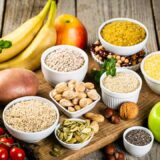
- Warm, cooked vegetables (especially bitter and astringent ones like kale, spinach, bitter gourd)
- Legumes (lentils, mung beans, chickpeas)
- Whole grains (millet, barley, quinoa)
- Spices that boost digestion: ginger, black pepper, turmeric, cumin, cinnamon
- Fruits in moderation: apples, pears, berries (avoid bananas, mangoes, and other heavy fruits)
Foods to Avoid:
- Dairy products (especially cold milk, cheese, yogurt)
- Fried, oily, or processed/junk foods
- Cold drinks and iced water
- Sweet, salty, and sour foods (all increase Kapha)
Tip: Drink warm water or ginger tea throughout the day to aid digestion and reduce cravings.
Top 10 Ayurvedic Herbs for Weight Loss
In Ayurveda, true weight loss is not about deprivation, but about restoring balance—especially of the Kapha dosha, improving digestive fire (agni), and eliminating ama (toxins) from the body.
When combined with the principles of Ayurveda—such as proper daily routine (dinacharya), seasonal detoxification (ritucharya), mindful eating, and practices like yoga and meditation—certain herbs can support profound and lasting transformation.
Note: While many herbal formulations are available in the market today, it’s essential to consult an Ayurvedic practitioner before starting any herbal regimen, especially if you have underlying health conditions.
1. Vrikshamla (Garcinia Indica)
Vrikshamla, a fruit-bearing tree native to the Western Ghats of India, is traditionally used in Ayurveda to support healthy weight management. The fruit contains hydroxycitric acid (HCA), which is believed to inhibit citrate lyase, an enzyme involved in fat production.
- Ayurvedic Properties: Sour in taste (Amla Rasa), balances Kapha dosha.
- Benefits: Suppresses appetite, reduces fat accumulation, helps regulate cholesterol, and uplifts mood by increasing serotonin levels.
2. Triphala (Three Fruits Blend)
A cornerstone of Ayurvedic detoxification, Triphala is a blend of three fruits—Amalaki, Bibhitaki, and Haritaki. It balances all three doshas and gently scrapes away ama and excess fat (lekhana action).
- Ayurvedic Properties: Tridoshic, especially beneficial for Kapha and Pitta.
- Benefits: Regulates digestion, relieves constipation, improves fat metabolism, rejuvenates tissues, and supports healthy elimination.
3. Ashoka (Saraca Asoca)
Ashoka is a sacred and healing tree in Ayurveda, revered for its effects on the female reproductive system and Kapha-reducing properties.
- Ayurvedic Properties: Astringent, light and dry qualities; balances Kapha and Pitta.
- Benefits: Assists in weight reduction, treats menstrual disorders, reduces inflammation, and purifies the blood.
4. Guggul (Commiphora Mukul)
One of the most potent herbs in Ayurveda for managing obesity and metabolic disorders. The resin extract of Guggul contains Guggulsterones, which are known to support lipid metabolism and thyroid function.
- Ayurvedic Properties: Scraping (lekhana), hot, pungent; balances Vata and Kapha.
- Benefits: Burns fat, improves cholesterol levels, stimulates thyroid, and enhances overall metabolism.
5. Kalmegh (Andrographis Paniculata)
Known as “King of Bitters,” Kalmegh is a potent detoxifier and liver tonic in Ayurvedic medicine. Its bitter taste is ideal for cutting through excess Kapha and ama.
- Ayurvedic Properties: Bitter, cooling; balances Pitta and Kapha.
- Benefits: Cleanses the liver, boosts immunity, reduces inflammation, and supports healthy weight by regulating digestion and metabolism.
6. Gheekumari (Aloe Vera / Kumari)
Aloe Vera, or Kumari in Sanskrit, is revered for its rejuvenating properties, especially for women. It strengthens digestive fire, improves liver function, and clears ama.
- Ayurvedic Properties: Bitter, cooling; balances Pitta and Kapha.
- Benefits: Enhances digestion, supports fat metabolism, detoxifies the system, and improves energy levels.
7. Katuka (Picrorhiza Kurroa)
Native to the Himalayas, Katuka is a deeply cleansing herb used for liver health and fat metabolism. Its bitter taste makes it particularly suitable for Kapha imbalance.
- Ayurvedic Properties: Bitter, pungent; balances Pitta and Kapha.
- Benefits: Stimulates liver and gallbladder function, improves metabolism, and helps reduce belly fat and sluggish digestion.
8. Citraka (Plumbago Zeylanica)
Citraka, known for its power to ignite digestive fire (deepana), is used in many Ayurvedic formulations to eliminate stubborn fat and strengthen digestion.
- Ayurvedic Properties: Pungent, hot; balances Kapha and Vata.
- Benefits: Stimulates appetite and digestion, clears toxins, supports liver function, and enhances metabolic efficiency.
9. Mustaka (Cyperus Rotundus / Nutgrass)
Mustaka is an excellent herb for reducing water retention, bloating, and balancing Kapha-related sluggishness.
- Ayurvedic Properties: Bitter, astringent, pungent; balances Kapha and Pitta.
- Benefits: Clears blocked channels (srotas), improves circulation of prana, relieves indigestion, and supports healthy fat metabolism.
10. Agnimantha (Clerodendrum Phlomidis)
A key ingredient in Dashamula (a classical blend of ten roots), Agnimantha is known to rekindle digestive fire and aid in reducing deep-seated Kapha and ama.
- Ayurvedic Properties: Bitter, pungent, heating; balances Vata and Kapha.
- Benefits: Strengthens metabolism, reduces inflammation, improves joint mobility, and supports systemic detoxification.
Detoxification (Shodhana) & Panchakarma for Weight Loss
In Ayurveda, the accumulation of ama (toxins), sluggish digestion (mandagni), and excess Kapha dosha are considered primary root causes of obesity and metabolic imbalance.
When lifestyle changes and internal medicines (shamana) are not enough, Ayurveda recommends Shodhana, a deep cleansing and purificatory therapy designed to eliminate toxins from the body and rejuvenate the tissues.
One of the most powerful and structured forms of Shodhana is Panchakarma—a five-fold detoxification process that works at the cellular level to restore the body’s natural intelligence and balance.
Panchakarma for Obesity and Kapha Disorders
For individuals with chronic Kapha imbalance, stubborn weight gain, or toxin accumulation, specific Panchakarma procedures are especially beneficial:
1. Vamana (Therapeutic Emesis)
A controlled process of inducing vomiting to expel excess Kapha from the stomach and upper gastrointestinal tract. Vamana is highly recommended in Kapha-related conditions such as obesity, asthma, and chronic congestion. It helps reset appetite, reduce cravings, and clear mental and physical sluggishness.
2. Lekhana Basti (Scraping/Reducing Enema)
A specialized form of medicated enema therapy that includes herbs with lekhana (scraping), deepana (digestive), and medohara (fat-reducing) properties. It helps to cleanse the colon, regulate vata, and eliminate excess meda dhatu (fat tissue).
3. Other Supportive Panchakarma Procedures May Include:
- Udvartana (Herbal Powder Massage): A dry massage with coarse herbal powders that helps mobilize fat tissue and stimulate lymphatic drainage.
- Swedana (Steam Therapy): Induces sweating to open the body’s channels (srotas), remove ama, and promote the release of excess water and fat.
Important Note:
Panchakarma is a highly individualized therapy and must always be administered under the guidance of a qualified Ayurvedic physician (Vaidya).
The process involves proper preparation (Purvakarma), main therapies (Pradhana Karma), and post-detox rejuvenation (Paschat Karma) to ensure safety, effectiveness, and long-term benefits.
In Ayurveda, weight loss is personalized, based on your prakriti (constitution), vikriti (imbalance), and agni (digestive fire). When combined with a sattvic diet, daily routine, mindful movement, and emotional balance, these herbs support a holistic path to a lighter body and clearer mind.

























Very nice blog. With the growing standards of life and everything available at fingertips, the lifestyle has suffered. Ever increasing inclination towards gadgets has limited physical activity and outdoor games in common. This has certainly laid invitation to many diseases and obesity the most abundant. The part of the society most in danger are the youth. They have become couch potato which in turn has slowed their metabolism and has laid invitation to other serious health problems like diabetes at an early age and respiratory problems.
Hence I would certainly share this blog link targeting our youth because I feel that they can benefit a lot by practicing Ayurvedic lifestyle and using above-mentioned herbs to start their road to recovery.
Triphala really works.. I have heard about this from a video of Rajiv dixit..
Nice Blog. Garcinia ingredient is very good for weight loss. Thanks for sharing these useful herbs for weight loss. Recently I used cureveda weight well and it really works well. It contains Garcinia Cambogia as a active ingredient for weight loss.
Vary nice blog, it’s a vary useful article,thanks for sharing this useful herbs.
Can Garcinia Cambogia be used if you are a Type II diabetic? I need to lose about 65 pounds.
different herbs have different properties, different aspects of weight loss. For example, Garcinia Cambogia (AKA hydroxycitric acid, or HCA) is thought to be a ‘fat inhibitor’, it is used to block the conversion of sugar and starch into fats within the body, thus promoting weight loss or control.
Herbs can help in Weight loss as it boosts metabolism, some herbs cleanse out toxins from our body and a lot more.