Ayurvedic Medicines That Provide Relief From Loose Motion

Diarrhea. It’s a word often whispered with mild embarrassment, dismissed as a minor inconvenience, perhaps the result of “something I ate,” or casually lumped with generic “stomach bugs.” This common misconception paints diarrhea as a trivial, self-limiting condition, solely confined to the realm of digestive upset.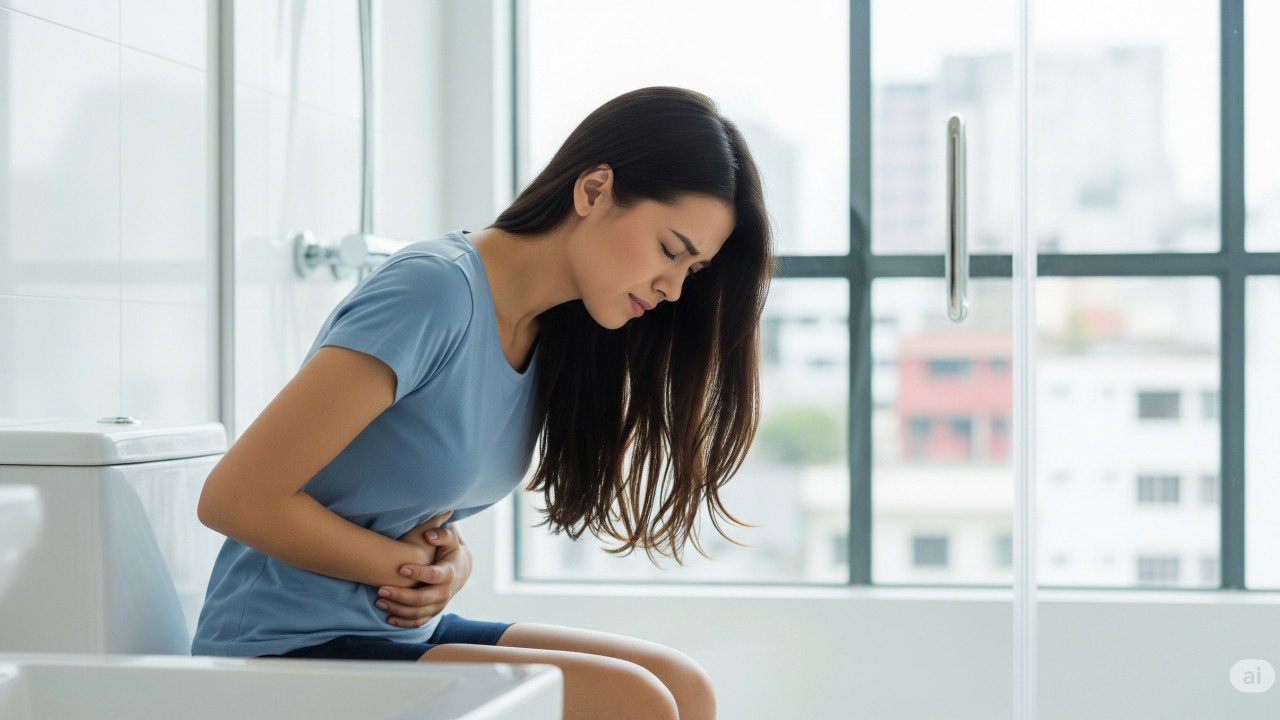 However, this perception dangerously underestimates the potential severity and debilitating nature of acute or persistent diarrhea. The reality is far starker: diarrhea can rapidly lead to severe dehydration, electrolyte imbalances, profound weakness, and significantly impact overall health and well-being.
It disrupts daily life, causes significant discomfort, and, crucially, poses a life-threatening risk, particularly to our most vulnerable population – infants and young children. Their smaller bodies dehydrate much faster, and their developing immune systems are less equipped to handle the assault.
Recognizing diarrhea not as a minor annoyance but as a significant physiological event demanding appropriate attention is the first step towards effective management and recovery. Ancient healing systems like Ayurveda have long understood this complexity, offering a holistic perspective and time-tested natural remedies.
The Causes of Diarrhea
Ayurveda, the ancient Indian system of medicine, provides a profound understanding of health and disease, rooted in the balance of three fundamental bio-energies or doshas (Vata, Pitta, Kapha) and the concept of agni (digestive fire).
Diarrhea, known as Atisara in Sanskrit, is viewed not merely as a symptom but as a manifestation of deep-seated imbalance, primarily involving Vata and Pitta doshas, and crucially, impaired agni.
Impaired Agni and the Accumulation of Ama: The Root Cause of Disease
According to Ayurveda, the primary root of most digestive disorders, including diarrhea, lies in mandagni (diminished digestive fire). When agni is weak, the body cannot properly digest food, especially heavy, oily, or incompatible foods.
This undigested food material, known as ama, is considered the fundamental toxic residue underlying disease. Ama is sticky, heavy, and obstructive.
In the context of diarrhea, the accumulation of ama, particularly from improperly handled fats and oils, creates an internal environment of toxicity and imbalance.
The body, in its innate wisdom, attempts to expel this ama forcefully, leading to the frequent, loose stools characteristic of diarrhea. This is the body’s emergency cleansing mechanism.
Other Contributing Factors to Diarrhea
While impaired agni and ama formation are central, Ayurveda recognizes several other triggers and contributing causes:
1. Ingestion of Poisons or Pathogens: Consuming contaminated food or water containing harmful bacteria (like E. coli, Salmonella, Shigella), viruses (like rotavirus, norovirus), parasites, or actual toxins directly irritates the gut lining, provoking an inflammatory response and rapid expulsion – infectious diarrhea.
2. Extreme or Sudden Climate Changes (Vata Aggravation): Ayurveda closely links health with the environment. Sudden exposure to cold, wind, dampness, or extreme heat can disturb Vata dosha, which governs movement (including peristalsis) in the body.
Aggravated Vata disrupts the normal rhythmic movement of the intestines, leading to irregular, hurried elimination – often dry initially, but potentially progressing to loose stools if Pitta also becomes involved.
3. Disorders Affecting Vital Organs: Systemic illnesses impacting major organs like the heart (congestive heart failure), lungs (severe infections), liver (hepatitis, cirrhosis), or kidneys can have secondary effects on digestion and fluid balance, sometimes manifesting as diarrhea.
Chronic conditions like inflammatory bowel disease (IBD – Crohn’s, Ulcerative Colitis) or irritable bowel syndrome (IBS-D subtype) are direct examples.
4. Emotional Turbulence: Ayurveda places immense importance on the mind-body connection. Intense or prolonged emotional states like chronic stress, excessive worry, anxiety, fear, and grief are potent disruptors of agni.
They directly aggravate Vata and Pitta doshas. Stress hormones can alter gut motility, increase inflammation, and disrupt the gut microbiome, creating fertile ground for digestive upset, including diarrhea. This is often termed “nervous diarrhea.”
How the Body Cleanses Itself
Understanding the mechanism of diarrhea through the Ayurvedic lens reinforces its role as a purification process, albeit an uncomfortable one:
1. The Flush Response: When ama accumulates excessively, or when pathogens/toxins invade, the body’s intelligence perceives a threat to systemic balance.
Aggravated Vata and Pitta (often together) initiate a forceful downward and cleansing action (Apana Vayu – the sub-dosha of Vata governing elimination, and Pachaka Pitta – governing digestion).
This is the attempt to rapidly flush out the offending toxins, undigested matter, and pathogens from the gastrointestinal tract.
2. Characteristics of Stools: The result is frequent bowel movements. The stools are loose and runny because the intestines are not absorbing water and nutrients properly – the aggravated doshas and presence of ama/inflammation disrupt normal absorption.
Pitta aggravation can lead to heat, inflammation, and even erosion of the mucosal lining, resulting in stools containing mucus or blood.
3. Digestive System Dysfunction: During an acute episode of diarrhea, the entire digestive system is in a state of turmoil. Agni is significantly diminished or erratic (Vishamagni).
Enzymatic activity is impaired. The gut lining is inflamed and hyper-reactive. Normal digestion and assimilation essentially halt as the body prioritizes evacuation.
This is why appetite plummets, and eating solid food often exacerbates the problem – the system lacks the capacity to handle it.
Ayurvedic Approach to Diarrhea
Ayurveda’s approach to managing diarrhea is fundamentally different from simply suppressing the symptom. It focuses on:
- Supporting the Cleansing: Initially, allowing the body to expel toxins without harsh interruption (unless dehydration becomes severe).
- Restoring Agni: Reigniting the digestive fire is paramount for long-term recovery.
- Pacifying Aggravated Doshas: Specifically calming Vata and Pitta.
- Eliminating Ama: Using light, digestible foods and herbs to clear toxins.
- Rehydrating and Replenishing: Addressing fluid and electrolyte loss with appropriate liquids.
- Healing the Gut Lining: Using soothing and astringent substances.
Ayurvedic Diet for Diarrhea
Diet is the first and most crucial medicine in Ayurvedic management of diarrhea. The principle is simple: give the overwhelmed digestive system (agni) a complete rest while providing easily assimilable nourishment and hydration.
1. Avoid Solid Foods
During the acute phase, especially with frequent watery stools, nausea, or cramps, solid foods are strictly avoided. They require significant digestive effort, further deplete agni, and provide substrate for pathogenic bacteria or worsening ama formation.
2. Embrace Liquid Nourishment
The focus shifts entirely to liquids that are light, nourishing, and purifying:
Vegetable Soups: Clear, well-strained broths made from easily digestible vegetables like carrots, zucchini, pumpkin, or bottle gourd (lauki/doodhi) are ideal. They provide essential minerals and fluids without burdening digestion.
- Preparation Tip: Boil vegetables well in water, strain thoroughly, discard the pulp initially, and consume the warm liquid. A pinch of rock salt (sendha namak) or cumin powder can be added for taste and digestive support.
Moong Dal Water: Water in which yellow split mung beans (moong dal) have been thoroughly cooked (until very soft) and then strained is exceptionally soothing, light, protein-rich, and easy to digest. It’s a classic Ayurvedic recovery food.
- Preparation Tip: Use 1 part dal to 10 parts water, cook until completely mushy, strain, and drink the warm liquid. Avoid the dal solids initially.
Herbal Teas: Warm teas made with digestive and carminative herbs like ginger (fresh, grated, small amounts), cumin seeds (jeera), coriander seeds (dhaniya), fennel seeds (saunf), or mint (pudina) are excellent. They soothe the gut, reduce gas, and gently stimulate agni.
Water: Sipped frequently, ideally warm or at room temperature. Cold water can further aggravate Vata.
3. Infants: Special Considerations
For breastfeeding infants, continuing breast milk is usually recommended as it provides antibodies and hydration.
If supplementation or replacement is needed, pure, fresh animal milk (cow or goat) is traditionally suggested in Ayurveda after proper preparation. Crucially, it must be boiled thoroughly (simmered for 5-10 minutes) to make it lighter and more digestible (peya).
Sometimes, a small amount of water is added initially. The formula should be prepared meticulously according to instructions. Hydration with oral rehydration solution (ORS) is critical.
Note: Consulting a pediatrician is essential for infants with diarrhea.
Ayurvedic Home Remedies for Diarrhea
Ayurveda harnesses the power of common kitchen ingredients and herbs to effectively address diarrhea. These remedies work by combating pathogens and absorbing toxins.
Besides this, reducing inflammation, soothing the gut lining, replenishing electrolytes, and gently stimulating recovery. Here’s a detailed look at the remedies listed in the outline:
1. Buttermilk (Takra / Chaas)
Why it works: Traditional buttermilk (the liquid left after churning butter from cultured yogurt) is a probiotic powerhouse. Its lactic acid creates an acidic environment hostile to many pathogenic bacteria. It’s light, cooling (pacifies Pitta), and easy to digest, helping restore gut flora and soothe inflammation.
How to use: Take 1 cup of fresh, slightly sour buttermilk. Add a pinch of rock salt (sendha namak) and 1/4 tsp of roasted cumin powder (jeera). Drink 2-3 times a day. Avoid if diarrhea is very severe and watery initially; start once frequency lessens slightly.
Ayurvedic Insight: Buttermilk is considered a rasayana (rejuvenative) for the gut when prepared and consumed correctly. It strengthens agni post-recovery.
2. Drumstick Leaves Juice (Sahijan / Moringa)
Why it works: Drumstick leaves are incredibly nutrient-dense and possess potent antibacterial properties. They help combat infection, reduce inflammation, and provide vital vitamins and minerals lost during diarrhea. Coconut water adds electrolytes and hydration, while honey offers energy and has mild antimicrobial effects.
How to use: Extract fresh juice from a handful of cleaned drumstick leaves (approx. 1-2 tbsp juice). Mix with 1/2 cup fresh coconut water and 1 tsp honey. Consume this mixture three times a day.
Ayurvedic Insight: Moringa leaves are highly valued for their shothahara (anti-inflammatory) and grahi (absorbent, stool-binding) properties, helping solidify stools while fighting infection.
3. Ginger (Adrak / Ardraka)
Why it works: Ginger is a superstar digestive (deepana) and carminative (pachana) herb, particularly effective for diarrhea caused by indigestion, flatulence, or aggravated Kapha/Vata. It enhances agni, reduces nausea, and combats gut spasms.
How to use: Fresh: Grate a small piece (1/2 tsp). Steep in hot water for 5-10 minutes. Strain, add a pinch of rock salt, and sip. Dry Powder (Shunthi): Mix 1/4 tsp dry ginger powder with a pinch of rock salt and 1/2 tsp jaggery powder (or a small piece). Take with warm water twice daily. Avoid in high Pitta conditions with burning sensation.
Ayurvedic Insight: Ginger’s ushna (heating) potency ignites agni and its katu (pungent) taste helps digest ama, making it ideal for Vata/Kapha dominant diarrhea with coldness and sluggishness.
4. Carrot Soup (Gajar Ka Soup)
Why it works: Carrots are rich in pectin, a soluble fiber that absorbs excess water in the gut, helping to bulk up stools. They are also an excellent source of essential minerals like sodium, potassium, phosphorus, calcium, sulfur, and magnesium, crucial for replenishing electrolytes lost during diarrhea. Their gentle nature helps prevent vomiting.
How to use: Boil 2-3 chopped carrots in 2 cups of water until very soft. Strain the liquid, discard the pulp (or blend it very finely if tolerated later). Drink the warm soup. Add a pinch of rock salt if desired. Consume multiple times a day.
Ayurvedic Insight: Carrots provide nourishment (brmhana) without aggravating doshas. Their mineral content helps restore dhatu agni (tissue metabolism) balance.
5. Bottle Gourd Juice (Lauki / Doodhi Ka Ras)
Why it works: Bottle gourd is exceptionally cooling, light, and hydrating. It has a high water content, helps soothe inflammation (Pitta pacifying), and is easy on the digestive system. It provides gentle nourishment without burdening agni.
How to use: Extract fresh juice from peeled bottle gourd (approx. 1/4 cup). Add a pinch of rock salt. Drink once or twice a day. Ensure the gourd is fresh and not bitter.
Ayurvedic Insight: Lauki is renowned for its shitala (cooling) and trishna nigraha (thirst-quenching) properties, making it ideal for Pitta-associated diarrhea with heat and inflammation.
6. Fenugreek Seeds (Methi Dana)
Why it works: Fenugreek seeds have a remarkable mucilaginous quality when soaked or ingested. This mucilage coats the inflamed intestinal lining, providing a soothing protective layer. They also possess antimicrobial properties and help absorb toxins.
How to use: Dry roast 1 tsp fenugreek seeds until slightly browned and aromatic. Powder them finely. Mix this powder with 1 cup of buttermilk. Consume twice daily.
Ayurvedic Insight: Fenugreek seeds are strongly grahi (absorbent and binding), helping to consolidate loose stools and reduce frequency. Their tikta (bitter) taste aids detoxification.
7. Mint Juice (Pudina Ka Ras)
Why it works: Mint is wonderfully cooling, antispasmodic, and carminative. It effectively soothes stomach cramps, reduces gas and bloating, alleviates nausea, and has mild antibacterial properties. Honey adds energy and antimicrobial support, while lime provides vitamin C and aids digestion.
How to use: Extract juice from a handful of fresh mint leaves (approx. 1 tbsp). Mix with 1 tsp honey and 1 tsp fresh lime juice. Take this mixture three times a day.
Ayurvedic Insight: Mint’s shitala virya (cold potency) and katu vipaka (post-digestive pungent effect) make it excellent for cooling Pitta inflammation while still supporting digestion.
8. Turmeric (Haldi / Haridra)
Why it works: Turmeric is a potent anti-inflammatory, antimicrobial, and antiseptic. It helps heal the inflamed gut lining, fights infection, reduces mucus production, and stimulates bile flow, aiding digestion and toxin removal.
How to use: Fresh Juice: Extract juice from fresh turmeric root (1/2 tsp). Mix with 1 cup buttermilk or warm water. Drink twice daily.Powder: Mix 1/4 tsp turmeric powder in 1 cup warm buttermilk or water. Drink twice daily.
Ayurvedic Insight: Turmeric is a powerful shothahara (anti-inflammatory) and raktashodhaka (blood purifier). It cleanses ama and supports liver function during detoxification.
9. Pomegranate Juice (Anar Ka Ras)
Why it works: Pomegranate juice, especially from sour varieties, is highly astringent. This astringency helps bind the stools, reducing frequency and fluidity. It is also rich in antioxidants and helps combat weakness caused by fluid and nutrient loss. Avoid sweet varieties initially.
How to use: Extract fresh juice from pomegranate seeds (approx. 50 ml). Drink 2-3 times a day. Can be diluted slightly with water if too strong.
Ayurvedic Insight: Pomegranate’s kashaya (astringent) taste is key for its grahi (binding) action, crucial for consolidating stools in chronic or debilitating diarrhea.
11. Rice Concoction (Manda / Bhuna Chawal Ka Paani)
Why it works: Rice, especially when charred slightly, becomes highly absorbent and astringent. The water in which rice is cooked (manda) or water mixed with charred rice powder is incredibly soothing, provides easily digestible carbohydrates for energy, and helps thicken stools.
How to use: Charred Rice Powder: Dry roast 1 tbsp white rice until golden brown. Powder finely. Mix 1/2 tsp of this powder in 1 cup of buttermilk or plain water. Give 1-2 tsp of this mixture every 30 minutes.
Plain Rice Water: Cook 1 tbsp white rice in 2 cups water until very soft and mushy. Strain the starchy water. Sip warm throughout the day.
Ayurvedic Insight: This is the quintessential Ayurvedic recovery food. It is laghu (light), mridu (soft), grahi (binding), and nourishing, perfectly supporting weak agni.
12. Sesame Seeds (Til)
Why it works: Sesame seeds, when fried, are believed to help normalize bowel movements and provide energy. Combined with butter (nourishing) and goat’s milk (considered lighter than cow’s milk in Ayurveda), it offers a strengthening tonic during recovery.
How to use: Dry roast 1 tbsp white sesame seeds until slightly golden and aromatic. Powder finely. Mix 1/2 tsp of this powder with 1/2 tsp fresh unsalted butter and 1/4 cup warm goat’s milk. Consume three times a day for up to six days. Best suited for Vata-type diarrhea or debility post-acute phase.
Ayurvedic Insight: Sesame is snigdha (unctuous) and ushna (warming), helping to counter Vata dryness and provide strength (bala). Goat milk is considered easier to digest (laghu).
13. Mango Seed Powder (Aam Ki Guthli Ka Churan)
Why it works: The kernel inside the mango seed is highly astringent due to its tannin content. This makes it very effective for binding loose stools and reducing frequency in chronic or persistent diarrhea.
How to use: Remove the inner kernel from dried mango seeds. Sun-dry these kernels thoroughly. Powder them finely. Mix 1/4 tsp of this powder with 1 tsp of honey. Take twice daily.
Ayurvedic Insight: The strong kashaya (astringent) rasa of the mango seed kernel is its key therapeutic action, making it a powerful grahi (absorbent) remedy.
Diarrhea, from an Ayurvedic perspective, is more than just a nuisance — it’s a signal of internal imbalance, toxicity, and weakened digestion. Rather than merely suppressing it, Ayurveda sees it as the body’s natural effort to purge ama (toxins) caused by poor diet, emotional stress, or environmental changes, offering a chance for deep healing and purification.