
Abhyanga at Home: How to Do It and Its Benefits

Abhyanga is an ancient Ayurvedic self-massage technique that promotes detoxification and nourishment of the body, mind, and spirit. By using warm, herbal oils and focusing on energy flow (Prana), Abhyanga offers a holistic approach to physical and mental well-being. 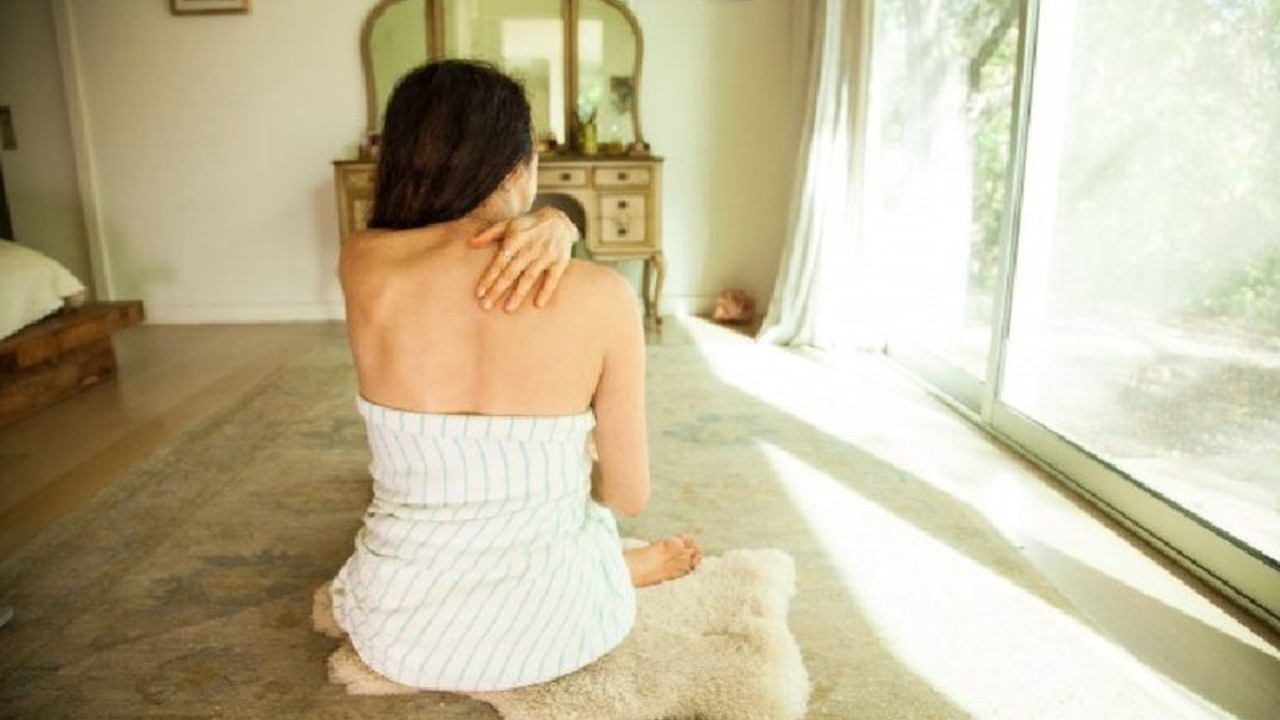 It is an incredibly effective method for cleansing toxins, improving circulation, and supporting overall vitality. This timeless practice not only revitalizes the skin and muscles but also deeply calms the nervous system. In this guide, we’ll explore the steps, benefits, and considerations for performing Abhyanga at home.
What is Abhyanga Massage?
Abhyanga is a key part of Ayurvedic healing practices that involves the use of herbal oils for massaging the body. This therapy is designed to detoxify the body, calm the nervous system, and promote overall health. It’s performed using rhythmic and synchronized strokes with warm oils that are chosen based on your individual Dosha (body type).
Key Points of Abhyanga:
- Ayurvedic Philosophy: Abhyanga is grounded in the idea that the body has natural healing energies, or Prana, which can be restored through proper techniques and oils.
- Toxin Elimination: The massage stimulates lymphatic drainage, promoting the removal of toxins (Ama) from the body.
- Holistic Approach: Abhyanga is not just a physical treatment but an emotional and spiritual one, calming the mind and improving energy flow.
Top 10 Abhyanga Self-Massage Benefits
Abhyanga offers numerous benefits—here are 10 of the best advantages of practicing self-massage.
1. Nourishes the Body and Skin (Sneha & Twacha Poshana)
- Abhyanga, or Snehana (oleation), deeply nourishes the Twacha (skin) and body tissues (Dhatus).
- Warm herbal oils like Tila Taila (sesame oil) or Badam Taila (almond oil) penetrate the skin, providing moisture and luster.
- It reduces Ruksha (dryness), supports Rasa Dhatu health, and slows the aging process (Vayahsthapana effect).
2. Enhances Circulation and Aids in Ama Elimination (Srotoshodhana)
- Abhyanga stimulates Rakta Sanchara (blood circulation) and activates Srotas (body channels).
- This helps eliminate Ama (toxins) by supporting the Lymphatic Srotas and Medo Dhatu metabolism.
- Improved circulation means better tissue nourishment and detoxification.
3. Calms the Nervous System and Supports Nidra (Vatahara & Nidrajanana)
- The grounding nature of oil massage pacifies Vata Dosha, the dosha of movement and nervous energy.
- This soothing action promotes Manas Shanti (mental peace), reduces Chinta (anxiety), and enhances Nidra (sleep).
- Ideal during Vata Prakopa (autumn/winter or stressful periods).
4. Strengthens Muscles and Lubricates Joints (Mamsa Dhatu Poshana & Sandhi Sneha)
- Abhyanga supports Mamsa Dhatu (muscle tissue) strength and flexibility.
- Oils lubricate the Sandhis (joints), reducing Stambha (stiffness) and improving mobility.
- Particularly helpful in Vata Vyadhi (joint pain, arthritis, degeneration).
5. Promotes Healthy Hair and Scalp (Shiro Abhyanga & Kesya Karma)
- Shiro Abhyanga (head massage) with medicated oils like Bhringraj or Brahmi Taila promotes hair growth and cools the mind.
- It nourishes the Shiras Srotas, stimulates Rakta Dhatu, and helps reduce Kesha Patana (hair fall).
- Also pacifies Pitta and soothes the Agnya Chakra.
6. Supports the Nervous System (Majja Dhatu & Vata Samana)
- Regular Abhyanga stabilizes the Majja Dhatu (nervous tissue), reducing Vata imbalances that cause shakiness, restlessness, and weakness.
- It promotes Sthairya (steadiness), Bala (strength), and inner calm.
- Especially useful for Vatavyadhi and those with Vata Prakriti.
7. Boosts Immunity (Ojasvardhaka Karma)
- By supporting Agni and clearing Ama, Abhyanga strengthens Ojas—the essence of immunity and vitality.
- Ojas is the final product of perfect digestion and a key determinant of resistance to disease (Vyadhikshamatva).
- Regular practice builds resilience at both physical and mental levels.
- By calming the Manovaha Srotas (channels of the mind) and stabilizing Vata, Abhyanga indirectly supports hormonal regulation.
- Helpful for menstrual irregularities, PMS, and mood swings—especially in women.
- It harmonizes Prana, Tejas, and Ojas, the subtle vital forces.
9. Improves Digestion and Metabolic Fire (Agni Dipana)
- Daily Abhyanga helps balance the Samana Vayu and strengthens Jatharagni (digestive fire).
- It aids in clearing metabolic waste and supports balanced Pachana (digestion).
- A calm nervous system also enhances digestion, leading to improved Ahara Rasa assimilation.
10. Deepens Mind-Body Awareness (Sharira–Manas Samanvaya)
- Abhyanga is an act of Snehana, meaning both oil and love.
- It is a sacred ritual of Atma Prema (self-love) that enhances Bodhana (awareness) and connects you with your Sharira (body), Manas (mind), and Atma (spirit).
- It encourages daily Dinacharya (routine) and spiritual grounding.
Types of Oils Recommended for Different Doshas
In Ayurveda, selecting the right oil for Abhyanga (self-massage) is essential for restoring Dosha balance. Each Dosha—Vata, Pitta, and Kapha—has unique qualities (Gunas), and the oils chosen should pacify any imbalances through opposite qualities.
1. Vata Dosha (Air + Ether)
Qualities: Dry, cold, light, mobile
Needs: Warmth, nourishment, grounding
Recommended Oils:
- Tila Taila (Sesame oil)
- Badam Taila (Almond oil)
- Dhanvantaram Taila (Herbal rejuvenating oil)
Why: These oils are Snigdha (unctuous), Ushna (warming), and Guru (heavy)—perfect to counter Vata’s dry, cold, and erratic nature.
Massage Tips:
- Warm the oil before application
- Use gentle, rhythmic circular strokes, especially over joints and dry areas
- Best done daily in the early morning or before sleep during cold or windy seasons
2. Pitta Dosha (Fire + Water)
Qualities: Hot, sharp, intense, oily
Needs: Cooling, calming, soothing
Recommended Oils:
- Narikela Taila (Coconut oil)
- Jaitun Taila (Olive oil)
- Brahmi Taila (Cooling, mind-calming herbal oil)
Why: These oils are Sheeta (cooling) and Madhura (sweet in potency), helping to soothe Pitta’s excess heat and sensitivity.
Massage Tips:
- Use oil at a mild, room temperature
- Apply with light to moderate pressure
- Focus on the head, chest, and abdomen to calm the mind and reduce internal heat
- Best practiced in summer or during periods of emotional intensity
3. Kapha Dosha (Earth + Water)
Qualities: Heavy, cold, moist, stable
Needs: Stimulation, warmth, activation
Recommended Oils:
- Sarshapa Taila (Mustard oil)
- Surya Mukhadi Taila (Sunflower oil)
- Tila Taila (Sesame oil, used in smaller amounts)
Why: These oils are Ushna (hot), Tikshna (penetrating), and Laghu (light)—ideal to break through Kapha’s stagnation and excess Snigdhata (moisture).
Massage Tips:
- Use oil warmed to a higher temperature
- Apply firmer, brisk strokes to invigorate the lymph and circulation
- Best done in the morning or during damp, cold seasons
How to Perform Abhyanga Massage at Home
Abhyanga can be done at home with just a few simple steps. Here’s how to perform it effectively:
1. Prepare the Oil
- Heat the oil: Choose your oil according to your Dosha and warm it slightly. The oil should be comfortable to the touch, not too hot or cold.
- Set the ambiance: Make sure you are in a warm, peaceful environment free from distractions.
2. Start with the Scalp and Face
- Scalp Massage: Start by applying oil to your scalp. Gently massage it in using circular motions with your fingers.
- Face and Neck: Apply oil to your face and neck, massaging in upward strokes to encourage circulation and promote relaxation.
3. Massage the Body
- Apply oil to limbs: Start from your extremities (arms and legs), using long strokes toward the heart.
- Focus on joints: Use circular motions on your elbows, knees, and other joints to promote flexibility.
4. Back and Feet
- Back: If possible, have a partner help or use a mirror to apply oil to your back. Start from the lower spine and move upwards.
- Feet: Pay special attention to your feet as they are rich in marma points (pressure points). Massage using firm pressure, especially on the soles and between the toes.
5. Absorption and Shower
- Absorb the Oil: After you finish the massage, sit quietly for 15-20 minutes to allow the oil to be absorbed into your skin.
- Shower: Take a warm shower to cleanse your skin and remove any excess oil. You can also use a gentle exfoliating scrub for extra detoxification.
What to Do After Abhyanga Massage
After Abhyanga, you might wonder what to do next. Here are some helpful tips to follow after your massage.
1. Let the Oil Sit (10–30 minutes)
- Allow the oil to penetrate into the skin and tissues.
- This resting period lets the body absorb the Sneha (unctuousness) and further calms Vata.
- Use this time for meditation, gentle yoga, or stillness.
2. Take a Warm Bath or Shower
- Use warm (not hot) water to open the pores and support Ama (toxin) removal.
- A mild, natural cleanser (like gram flour or Ayurvedic ubtan) can help remove excess oil without stripping the skin.
- Avoid harsh soaps—they can disrupt the oil’s nourishing effects.
3. Gently Towel Dry
- Pat the body gently with a soft towel; don’t rub too vigorously.
- Some light oil will remain on the skin—this is good and continues to protect and moisturize.
4. Rest or Eat Light
- After bathing, wear soft, breathable clothing.
- If you’re hungry, have a light, warm meal to support digestion.
- Avoid rushing into stimulating activities; give your body time to integrate the calming effects.
5. Stay Warm and Hydrated
- Keep the body warm to retain the benefits, especially in cold or windy weather.
- Sip warm herbal teas (like ginger or tulsi) to aid detoxification and circulation.
🕉 Optional Enhancements:
- Nasya: After Abhyanga and a warm shower, apply Nasya oil (nasal drops) for extra nervous system support.
- Meditation or Pranayama: Your body and mind are now in a receptive state—ideal for inner practices.
How to Make Abhyanga Oil at Home
Basic Ingredients:
- Base oil (as per your Dosha – see below)
- Herbs (dried or powdered)
- Optional essential oils (natural and Dosha-appropriate)
Step-by-Step Method (Traditional Decoction Method)
1. Choose Your Base Oil
| Dosha | Recommended Oil |
|---|---|
| Vata | Sesame oil, Almond oil |
| Pitta | Coconut oil, Sunflower oil |
| Kapha | Mustard oil, Sesame oil |
2. Choose Herbs (Optional but beneficial)
You can infuse your oil with herbs depending on your goals:
- Vata: Ashwagandha, Bala, Shatavari
- Pitta: Brahmi, Sandalwood, Neem, Manjistha
- Kapha: Ginger, Turmeric, Triphala, Eucalyptus
3. Prepare a Decoction (Kashayam)
- Boil 1 part powdered herbs in 16 parts water, reduce to 1/4.
- Example: 25g herbs + 400ml water → reduce to 100ml.
- Strain and keep the liquid.
4. Cook the Oil (Taila Paka Vidhi)
- Mix 4 parts base oil, 1 part decoction, and 1 part herbal paste (optional).
- Heat on low flame, stirring continuously until all water evaporates.
You’ll know it’s ready when:
- The oil smells aromatic.
- No bubbling or steam (indicates water is gone).
- Strain through muslin cloth and store in a glass bottle.
5. Add Essential Oils (Optional)
Once cooled, add 5–10 drops of pure essential oils per 100ml of base oil:
- Vata: Lavender, vetiver
- Pitta: Sandalwood, rose
- Kapha: Eucalyptus, rosemary
Storage & Shelf Life
- Store in a dark glass bottle in a cool, dry place.
- Lasts 3–6 months if water is fully removed.
- Label with ingredients and date of preparation.
When to Avoid Abhyanga Massage
While Abhyanga has many benefits, there are certain situations where it’s best to avoid or modify the practice.
1. During Menstruation
- Avoid deep pressure massage during your menstrual cycle, as it may interfere with the body’s natural detoxification process.
2. During Pregnancy
- Abhyanga is generally not recommended during pregnancy, as it may cause unnecessary stimulation or risks to the fetus. Always consult a practitioner if considering it during this time.
3. Injury or Wounds
- Avoid massaging over cuts, bruises, or painful areas. This could aggravate inflammation or hinder healing.
4. During Illness
- If you are experiencing fever, flu, or digestive distress, it’s best to allow your body to rest and heal without stimulation.
FAQ’s
1. How to do Abhyanga massage step by step?
Start by warming your chosen Ayurvedic oil. Apply oil generously to the body using slow, circular, and upward strokes. Focus on joints and areas prone to dryness. Massage the head last with gentle strokes. Allow the oil to absorb for 15–30 minutes before bathing.
2. How to do Ayurvedic massage at home?
Choose oil suitable for your Dosha, warm it, and apply it over the body with firm but gentle strokes. Follow a head-to-toe routine, including scalp, face, arms, legs, and torso. Use circular motions on joints and long strokes on limbs. Relax after massage and then shower.
3. How to do massage at home step by step?
Prepare oil and warm it. Start massaging the feet and legs with long strokes upward. Continue to arms and hands, then torso with circular motions. Massage the neck and head last. Use steady pressure, always moving toward the heart to improve circulation.
4. What are the 7 positions of Abhyanga?
The traditional seven positions involve massaging:
- Feet and toes
- Legs and knees
- Hands and arms
- Abdomen and chest
- Back and shoulders
- Neck
- Head and scalp
5. What is the best time to do Abhyanga?
Early morning before bath or before going to sleep are ideal. This helps calm Vata dosha and promotes relaxation. Avoid heavy meals immediately before massage.
6. What are the 5 steps of massage?
Generally:
- Preparation (warming oil and body)
- Application of oil
- Massage strokes (effleurage, petrissage, friction, vibration, tapping)
- Rest period for oil absorption
- Bath or shower
7. What not to do after Abhyanga?
Avoid vigorous exercise, cold exposure, heavy meals, or stressful activities immediately after massage. Also, don’t shower with very hot water as it can strip the nourishing oils.
8. How to do the self massage method?
Use warm oil and apply it to accessible areas like legs, arms, abdomen, and face. Use your opposite hand to massage each area using gentle, circular motions. Take time for scalp massage and neck strokes as well.
9. What are the side effects of Abhyanga?
Generally safe when done properly. Possible side effects include oily skin, mild skin irritation (if allergic to oils/herbs), or feeling sleepy. Avoid if you have open wounds or fever.
10. Can we sleep after Abhyanga?
Yes, sleeping after Abhyanga is beneficial as the body relaxes deeply and absorbs the nourishing effects of the oil.
11. Is Abhyanga painful?
No, Abhyanga is meant to be gentle and soothing. Pressure should be firm but comfortable, never painful.
12. Do you shower after Abhyanga?
Yes, usually after letting the oil absorb for 15–30 minutes, you shower with warm water and mild cleanser to remove excess oil while retaining nourishment.
Incorporating Abhyanga into your self-care routine can significantly enhance your physical, mental, and emotional health. Whether you aim to reduce stress, detoxify your body, or simply nourish your skin, this ancient Ayurvedic technique provides comprehensive benefits for holistic wellness.
References:
- Pilot study investigating the effects of Ayurvedic Abhyanga massage on subjective stress experience(1)
- Physio-Anatomical Explanation of Abhyanga: An Ayurvedic Massage Technique for Healthy Life(2)
- A conceptual study on mode of action of Abhyanga(3)
- AYURVEDA ABHYANGA (MASSAGE) PROCEDURE – A REVIEW(4)



















I really appreciate this post. I’ve been looking all over for this! Thank goodness I found it on Bing. You’ve made my day! Thanks again!