Ujjayi Breathing: Technique, Benefits, and Daily Practice Tips

Ujjayi Pranayama, commonly known as the “Victorious Breath,” is a controlled breathing technique that plays a significant role in yoga practice. Its name comes from the Sanskrit word ujjayi, meaning “to conquer” or “to be victorious.” 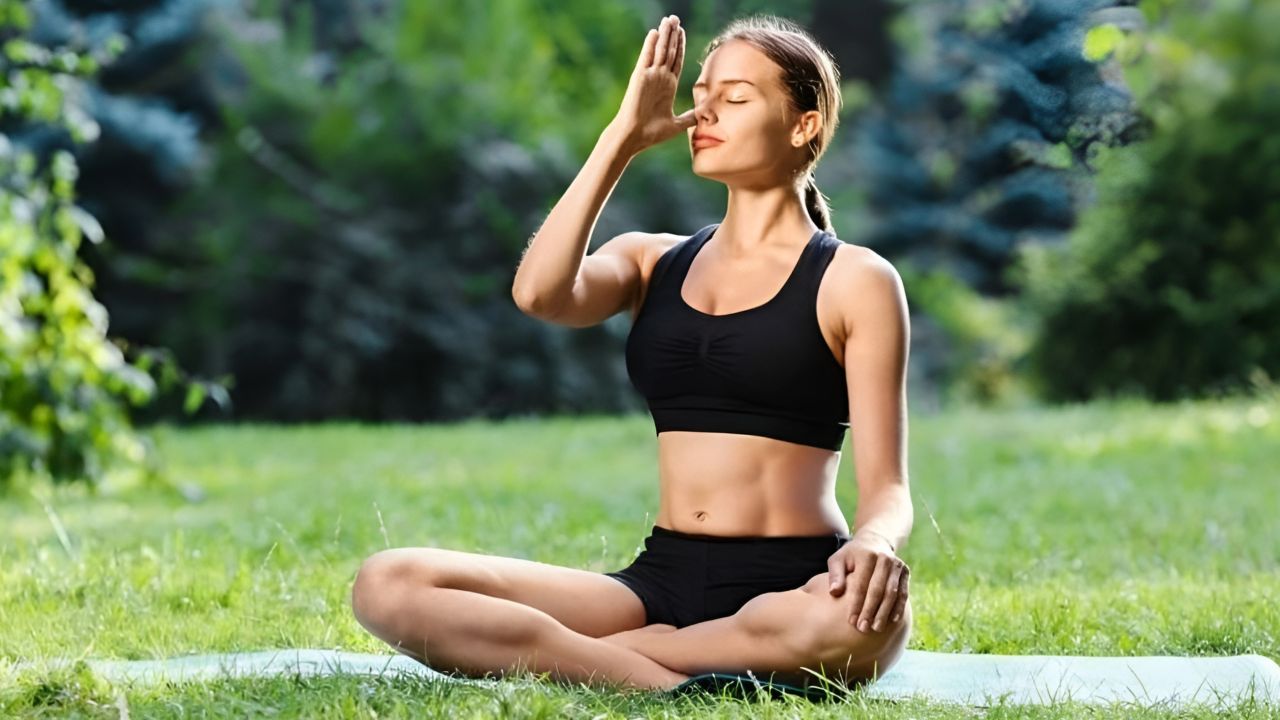
This technique involves a gentle constriction at the back of the throat during both inhalation and exhalation, creating a soft, audible sound similar to ocean waves. The breath is always taken in and out through the nose, allowing for steady, rhythmic breathing that promotes mindfulness and control.
Rooted in ancient yogic traditions, Ujjayi Pranayama is described in classical texts such as the Yoga Sutras of Patanjali and the Hatha Yoga Pradipika.
It is used not only to deepen the breath but also to bring awareness to the present moment, calm the nervous system, and energize the body.
Practicing Ujjayi Pranayama regularly can enhance mental clarity, improve focus during meditation or asana practice, and support overall emotional balance.
How to Practice Ujjayi Pranayama
To practice Ujjayi Pranayama, inhale and exhale deeply through the nose while gently constricting the throat to create an audible, ocean-like sound. Below are the steps:
1. Sit in a Comfortable Posture: Choose a stable seated position like cross-legged (Sukhasana), lotus pose (Padmasana), or kneeling (Vajrasana). Keep your spine erect and shoulders relaxed.
2. Close Your Mouth and Breathe Through the Nose: Inhale and exhale only through your nose. Keep your mouth gently closed throughout the practice.
3. Slightly Constrict the Throat: Engage the throat muscles gently, as if you’re trying to fog up a mirror, but with your mouth closed. This creates a slight resistance to the airflow.
4. Create the Oceanic Sound: The breath should produce a soft, whisper-like sound, similar to ocean waves or gentle snoring. This sound helps to anchor your focus.
5. Maintain a Steady, Even Rhythm: Inhale deeply and exhale slowly, trying to match the length of both. Keep the breath smooth and controlled, avoiding any strain.
6. Focus on the Breath: Direct your attention to the sound and feeling of the breath as it flows in and out. This promotes mindfulness and concentration.
7. Start with 3–5 Minutes: Practice for 3 to 5 minutes initially. As you become more comfortable, gradually increase the duration.
8. Keep the Body Still and Relaxed: Allow the body to remain calm and motionless, except for the gentle movement of the breath.
9. Use During Asana or Meditation: Ujjayi can also be used during yoga postures or meditation to maintain breath awareness and enhance focus.
10. End the Practice Gently: When you’re ready to finish, slowly release the throat constriction and return to normal breathing. Sit quietly for a moment before moving.
Precautions and Contraindications
While Ujjayi Pranayama offers numerous benefits, it’s important to practice with care, especially if you have certain health conditions. Here are some precautions and contraindications to keep in mind:
Top 10 Benefits of Ujjayi Pranayama
Discover the top 10 benefits of Ujjayi Pranayama, from calming the mind to enhancing lung capacity and overall vitality. Below are some of the benefits:
1. Improves Lung Capacity
Ujjayi Pranayama trains the lungs to take in fuller, deeper breaths, which gradually increases their capacity and strengthens respiratory muscles. This is particularly beneficial for those looking to improve endurance, athletic performance, or overall respiratory health.
2. Enhances Oxygenation
By slowing and deepening the breath, Ujjayi ensures a more efficient exchange of oxygen and carbon dioxide in the lungs. This improved oxygenation helps nourish the body’s cells, enhances metabolic activity, and supports optimal organ function.
3. Boosts Energy Levels
The steady, rhythmic nature of Ujjayi breathing revitalizes the body by increasing prana (life force energy). It helps reduce fatigue, sharpens alertness, and can be especially rejuvenating when practiced during morning yoga or meditation sessions.
4. Supports Detoxification
Deep breathing helps eliminate toxins from the body by stimulating the lymphatic system and promoting efficient circulation. The consistent inhalation and exhalation pattern in Ujjayi aids the expulsion of waste gases and purifies the bloodstream.
5. Reduces Stress and Anxiety
Ujjayi Pranayama activates the parasympathetic nervous system, which calms the body’s stress response. Practicing this breath helps reduce cortisol levels, eases muscle tension, and fosters a deep sense of relaxation and emotional relief.
6. Improves Focus and Concentration
The audible “ocean sound” created during Ujjayi breathing becomes a point of internal focus, helping to quiet mental distractions. This makes it an excellent tool for increasing mental clarity, staying present, and enhancing productivity or mindfulness.
7. Promotes Emotional Balance
By regulating breath and calming the nervous system, Ujjayi Pranayama helps manage intense emotions such as anger, frustration, or anxiety. It encourages a more grounded and stable emotional state, supporting overall mental wellness.
8. Aids in Meditation
Ujjayi is commonly used during meditation to help stabilize the mind and deepen the experience. The consistent rhythm of the breath creates a meditative anchor, allowing practitioners to go inward more easily and remain centered throughout their practice.
9. Heightens Mindfulness
This breath technique encourages present-moment awareness by linking breath with movement and attention. Whether practiced alone or during yoga asanas, Ujjayi enhances the connection between body and mind, fostering deeper mindfulness.
10. Balances the Nervous System
Ujjayi helps bring the autonomic nervous system into balance, reducing the dominance of the fight-or-flight response. It promotes rest-and-digest functions, leading to improved sleep, better digestion, and a more balanced internal state.
Avoid in Case of Respiratory Disorders
It’s important to observe key precautions when practicing Ujjayi Pranayama to ensure safety and avoid strain, especially if you have underlying health conditions.
1. Avoid in Case of Respiratory Disorders
If you have respiratory conditions such as asthma, chronic obstructive pulmonary disease (COPD), or other serious breathing issues, it’s best to avoid Ujjayi Pranayama. The controlled breathing technique may worsen symptoms or create discomfort for those with compromised lung function.
2. Be Mindful of Neck, Shoulder, or Throat Strain
Ujjayi involves a gentle constriction of the throat, which can cause tension if performed incorrectly. If you have existing strain, tension, or injury in the neck, shoulders, or throat, avoid the practice until these areas are fully healed.
3. Consult a Healthcare Professional
If you have medical conditions like high blood pressure, heart disease, or neck injuries, consult a healthcare provider or experienced yoga teacher before practicing Ujjayi. They can help determine if it’s appropriate for you or suggest safer alternatives.
By respecting these guidelines and seeking expert advice when needed, you can enjoy the benefits of Ujjayi Pranayama safely and confidently.
Integrating Ujjayi Pranayama into Daily Life
Discover simple ways to incorporate Ujjayi Pranayama into your daily routine for greater calm, focus, and well-being.
1. Use During Meditation or Mindfulness Practice
Ujjayi Pranayama serves as a powerful anchor for awareness during meditation and mindfulness practices. The soft, ocean-like sound of the breath helps quiet mental chatter, enhances concentration, and supports a deeper state of presence and calm.
2. Incorporate into Asana (Yoga Posture) Practice
Commonly practiced during yoga asana sessions, Ujjayi breathing helps maintain a steady, mindful breath while moving through or holding postures. This controlled breathing boosts endurance, sharpens focus, and regulates energy flow, allowing for greater stability, ease, and alignment in your practice.
3. Practice Throughout the Day for Stress Relief
Beyond the mat and meditation cushion, Ujjayi Pranayama can be a valuable tool for everyday stress management. Practicing it during a busy workday, while commuting, or in moments of anxiety helps soothe the nervous system, calm the mind, and restore clarity. Just a few conscious breaths can recenter and ground you.
Advanced Practices
Advanced Practices of Ujjayi Pranayama
For experienced practitioners, Ujjayi Pranayama can be deepened through integration with energy locks and advanced breathwork techniques to enhance inner awareness and energetic balance.
1. Ujjayi with Bandhas (Energy Locks)
Combining Ujjayi breathing with Bandhas—Mula Bandha (root lock), Uddiyana Bandha (abdominal lock), and Jalandhara Bandha (throat lock)—amplifies control over internal energy and fosters a deeper mind-body connection. This synergy supports heightened awareness, improved breath regulation, and a more refined yoga practice.
2. Ujjayi in Pranayama Sequences
Ujjayi Pranayama serves as a foundational breath in many advanced pranayama sequences. Paired with techniques like Kapalbhati, Anulom Vilom, or Bhastrika, it helps regulate prana (life force), expand lung capacity, and cultivate a more profound state of meditative awareness.
By gradually incorporating Ujjayi into both foundational and advanced practices, it becomes a versatile tool for mental clarity, physical vitality, and spiritual growth.
FAQ’s
1. How do you perform Ujjayi pranayama?
Sit comfortably with a straight spine. Inhale and exhale through the nose while slightly constricting the throat to create an ocean-like sound.
2. What are the benefits of Ujjayi breath?
Ujjayi breath improves lung capacity, reduces stress, and enhances focus and mindfulness. It also supports meditation and promotes emotional balance.
3. Which pranayama for thyroid?
Ujjayi Pranayama and Bhastrika are beneficial for thyroid health. They stimulate the thyroid area and balance energy levels.
4. What are the 5 benefits of pranayama?
Pranayama improves lung capacity, reduces stress, increases mental clarity, strengthens the respiratory system, and enhances spiritual awareness.
5. What are the side effects of Ujjayi pranayama?
Ujjayi Pranayama can cause dizziness or strain if overdone, especially for those with respiratory or neck issues. Practice gradually and stop if discomfort arises.
6. How to do pranayama step by step?
Sit comfortably, breathe deeply through the nose, and practice specific techniques like Ujjayi or Nadi Shodhana. Focus on smooth, controlled breathing.
7. How many times Ujjayi pranayama?
Practice Ujjayi Pranayama for 3-5 minutes initially, gradually increasing to 10-15 minutes as you progress.
8. Which pranayama is best for sore throat?
Ujjayi Pranayama soothes the throat through gentle constriction, helping relieve soreness and reduce tension in the neck area.
9. Which gland is activated in Ujjayi pranayama?
Ujjayi Pranayama activates the thyroid gland by stimulating the throat area through breath constriction.
10. What are the benefits of snake breathing?
Snake breathing helps cool the body, reduces stress, and calms the mind. It also enhances focus and promotes relaxation.
11. What is the ratio for Ujjayi breathing?
A common ratio for Ujjayi is 1:2, meaning the exhale should be twice as long as the inhale for a deeper, calming effect.
12. How to breathe correctly in yoga?
Breathe deeply through the nose, focusing on slow, controlled breaths. Sync your breath with movement, and maintain calm, steady breathing.
Ujjayi Pranayama is a versatile and transformative breathing technique that offers numerous benefits for the body, mind, and spirit. From enhancing lung capacity and oxygenation to reducing stress and improving focus, this practice supports overall well-being in both physical and mental health.