Probiotic Ayurvedic Buttermilk (Takra) to Improve Gut Health

Buttermilk (Takra) holds a significant place in Ayurvedic classical texts. It is not only considered a part of the daily diet but also widely used as a therapeutic agent across the world. According to Ayurveda, our Ahara (diet) itself can serve as medicine, and Buttermilk (Takra) is a prime example of this principle.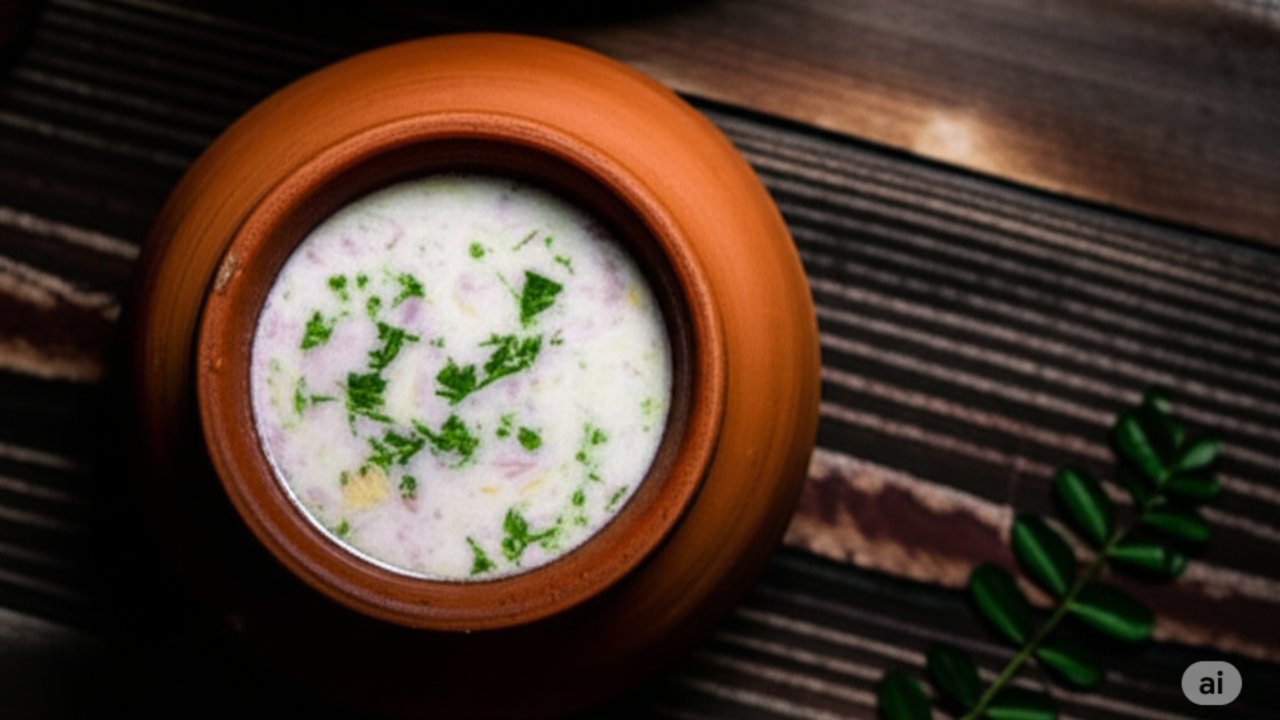 It is consumed in various forms, both as food and medicine, with a wide range of traditional recipes prepared using it. Buttermilk (Takra) is valued for its remarkable benefits in promoting gut health and digestive wellness. It is used both internally and externally to treat various health conditions.
Often administered as an after-drink (Anupana) alongside different Ayurvedic medicines, Takra is tailored to specific disease conditions. Commonly referred to as “Granny’s probiotics,” buttermilk is praised for its natural digestive and healing properties.
What is Tarak or Takra?
Takra (Sanskrit: तक्र), also known regionally as Tarak, is the traditional form of buttermilk—a fermented dairy drink made by churning yogurt or fermented cream. Unlike the commercial buttermilk common in many Western countries, Takra is the liquid left behind after butter has been extracted from cultured milk.
Widely used in Ayurvedic medicine, Takra is prized for its digestive and cooling properties, making it an excellent natural tonic for gut health. It is traditionally consumed daily in Indian households, especially during the summer months, as it helps hydrate the body and supports a healthy digestive system.
To enhance both its flavor and therapeutic effects, Takra is often seasoned with ingredients such as cumin, ginger, curry leaves, or rock salt. In Ayurveda, Takra is considered light and easy to digest, making it especially beneficial for balancing the Vata and Pitta doshas and promoting overall gut health.
Takra (Buttermilk) Around the World
Takra (buttermilk) has been mentioned in classical Ayurvedic texts such as the Charaka Samhita, Sushruta Samhita, Ashtanga Sangraha, Ashtanga Hridaya, Bhavaprakasha, Kshemakutuhalam, and Vaidyakiyasubhashitam.
In addition, numerous international peer-reviewed research articles have been reviewed to better understand the global and historical use of buttermilk (Takra).
For centuries, Takra has been embraced across various cultures for both dietary and medicinal purposes. It is known by many names in different languages, including:
- Chhaachh (Hindi)
- Buttermilch (German)
- Babecurre (French)
- Jocoque (Spanish)
- Kurdish (Persian)
- Moru (Tamil and Malayalam)
- Ghol (Rajasthani)
In Ayurvedic Samhitas, Takra is celebrated as a therapeutic agent offering numerous health benefits, especially in enhancing digestion, promoting gut health, balancing the body’s doshas, and boosting overall metabolism.
These ancient texts provide detailed guidance on their properties, preparation methods, and clinical applications in a variety of health conditions.
Takra (Buttermilk) in Ayurveda
In Ayurveda, Takra (buttermilk) is regarded as a rare and precious tonic, so much so that it is said even Lord Indra considered it scarce. Nearly all classical Ayurvedic Samhitas recommend the daily consumption of Takra due to its extensive health benefits.
It is valued not only as a nourishing drink but also as an Anupana—a medicinal vehicle taken alongside herbal treatments to boost their effectiveness. The Bhavaprakasha, one of the revered Laghutrayees (lesser triad of Ayurvedic texts) authored by Bhavamisra, describes Takra as a divine elixir with powerful healing properties.
It is said that those who regularly consume Takra enjoy robust health, rarely fall ill, and experience fewer disease recurrences—much like the rejuvenating effect of nectar for the gods.
One of Takra’s most notable benefits lies in its support for gut health. It promotes digestion, balances the doshas, and helps maintain a healthy digestive fire (Agni), which is central to overall wellness in Ayurveda.
Properties of Takra (Buttermilk):
- Rasa (Taste): Astringent, Sour, and Sweet
- Virya (Potency): Hot
- Vipaka (Post-digestive effect): Sweet
- Guna (Qualities): Binding, Light, Dry
- Prabhava (Actions): Digestive, Immunity-promoting, Pacifies Vata dosha
Nutritional Comparison (per 100g)
| Nutrient | Buttermilk | Whole Milk | Plain Yogurt |
|---|---|---|---|
| Calories | 40 kcal | 61 kcal | 59 kcal |
| Total Fat | 0.9 g | 3.2 g | 3.3 g |
| Saturated Fat | 0.5 g | 1.9 g | 2.1 g |
| Cholesterol | 4 mg | 10 mg | 13 mg |
| Sodium | 105 mg | 43 mg | 36 mg |
| Potassium | 151 mg | 132 mg | 155 mg |
| Carbohydrates | 4.1 g | 4.8 g | 3.6 g |
| Sugars | 4.8 g | 5.1 g | 3.2 g |
| Protein | 3.3 g | 3.1 g | 3.5 g |
| Calcium | 11% DV | 12% DV | 12% DV |
| Vitamin D | 0 mcg (0%) | 0.1 mcg (1%)* | 0.1 mcg (1%)* |
| Vitamin B12 | 3% DV | 8% DV | 13% DV |
*Note: Vitamin D values may vary if milk or yogurt is fortified. Data is approximate and can vary by brand.
Therapeutic Uses of Different Types of Takra (Buttermilk)
1. Ghola
Ghola is the base form of buttermilk in Ayurveda, consisting of churned curd without removing butter or adding water. It is nourishing, heavier to digest, and primarily supports Vata balance when used appropriately.
Preparation: Curd is churned gently without adding water and without removing the butter content.
Therapeutic Uses:
- Nourishing and unctuous, ideal for Vata-related imbalances such as dryness, weakness, and joint issues.
- Helps in conditions needing strength, rejuvenation, or tissue nourishment.
- May not be suitable for Kapha or Pitta conditions due to its heaviness and warmth.
- Useful during convalescence, fatigue, or recovery from chronic illness.
- Best consumed in moderation and often spiced to aid digestion.
2. Mathita
Mathita is a type of Ayurvedic buttermilk where the butter is fully removed, making it light and easily digestible. It is ideal for those needing digestive support without the heaviness of fat.
Preparation: Curd is churned thoroughly to separate and remove the butter, but no additional water is added after churning.
Therapeutic Uses:
- Light and easy to digest; helps pacify Kapha and Vata doshas.
- Supports digestion, improves metabolism, and reduces bloating and heaviness.
- Beneficial in obesity, water retention, and respiratory congestion due to its fat-free nature.
- Useful in managing anorexia, indigestion, and sluggish Agni (digestive fire).
- Ideal for those who are sensitive to dairy fats but still want the benefits of buttermilk.
3. Takra
Takra is the classical form of Ayurvedic buttermilk, known for its digestive, light, and balancing qualities. It is highly recommended in Ayurveda for daily use, especially to support gut health and pacify Vata and Kapha doshas.
Preparation: Curd is churned thoroughly and mixed with an equal quantity of water, with the butter completely removed.
Therapeutic Uses:
- Excellent for improving digestion, reducing bloating, and relieving constipation.
- Balances Vata and Kapha doshas without aggravating Pitta.
- Helpful in conditions like irritable bowel syndrome (IBS), gastric discomfort, and poor appetite.
- Acts as a natural probiotic, supporting gut flora and immune health.
- Ideal for regular consumption after meals to enhance Agni (digestive fire) without being heavy.
4. Udasvit
Udasvit is an Ayurvedic form of buttermilk prepared with a moderate amount of water, retaining some fat content. It is nourishing yet digestible, making it suitable for balancing Vata and Pitta doshas.
Preparation: Curd is churned with a moderate quantity of water without removing the butter completely.
Therapeutic Uses:
- Nourishing and mildly oily, making it beneficial for Vata disorders such as dryness, bloating, and weakness.
- Supports digestion without aggravating Pitta, making it suitable during digestive imbalance.
- Helps relieve gas, indigestion, and fatigue.
- Useful in convalescence or recovery periods due to its rejuvenating properties.
- Maintains internal moisture while supporting gut health and appetite.
5. Chacchika
Chacchika is a traditional Ayurvedic preparation of buttermilk known for its cooling and balancing effects. It is especially beneficial in managing heat-related conditions and supporting digestion.
Preparation: Butter is removed from curd, plenty of water is added, and the mixture is churned again.
Therapeutic Uses:
- Cooling and light to digest; pacifies Pitta and Kapha doshas.
- Relieves heat-related symptoms, thirst, and fatigue seen in fevers, inflammation, and metabolic imbalances.
- Alleviates Vata disorders by reducing dryness and tiredness.
- Useful in conditions like heat stroke, burning sensations, and skin disorders such as eczema.
- Rock salt enhances its digestive and appetizing properties, aiding in sluggish digestion and anorexia.
Understanding the Ayurvedic Properties of Takra, Dugdha, and Dadhi
| Aspect | Buttermilk (Takra) | Milk (Dugdha) | Yogurt (Dadhi) |
|---|---|---|---|
| Dosha Effect | Pacifies Vata & Kapha | Increases Kapha, pacifies Vata | Increases Pitta & Kapha |
| Digestibility | Very light, easily digestible | Heavier, nourishing | Heavy, may cause Ama if improperly digested |
| Best Season | Summer, monsoon | Winter, cold weather | Avoid in spring or if congested |
| Uses in Disease | Digestive, metabolic, skin, urinary, anorexia conditions | Debility, emaciation, insomnia | Used in emaciation, contraindicated in fever, indigestion |
| Preparation Tip | Must be diluted & churned well | Should be boiled before use | Should be fresh; avoid night consumption |
Takra (buttermilk) Ayurvedic Recipes
Takra (buttermilk) is highly valued in Ayurveda for its healing properties. Below are some Ayurvedic recipes using Takra to support various health benefits.
1. Ghola (Unchurned Buttermilk with Cream)
Preparation:
- Take fresh curd (dahi) made from whole milk, retaining the malai (cream).
- Stir gently with a spoon or ladle until smooth — do not add water.
- No churning is required; just mix well to a uniform consistency.
Tips:
- Serve at room temperature.
- Optionally, add a pinch of roasted cumin powder or hing (asafoetida) for mild digestive enhancement.
Use: Ideal for individuals with Vata or Pitta aggravation, and suitable during recovery from fever or weakness.
2. Mathita (Churned Without Cream or Water)
Preparation:
- Use curd made from skimmed or low-fat milk (no cream).
- Churn the curd using a wooden churner (mathani) or blender.
- Do not add water.
Tips:
- Strain if too thick.
- Can be mildly spiced with dry ginger powder or black pepper to enhance Kapha-pacifying effects.
Use: Suitable in Kapha-related disorders such as obesity, congestion, or slow digestion.
3. Takra (Classic Buttermilk – 1:4 Water)
Preparation:
- Take 1 part curd (preferably a day-old, slightly sour) and add 4 parts water.
- Churn thoroughly until a frothy, uniform liquid is formed.
- Remove the butter if formed during churning (optional, for lighter digestion).
Optional Add-ins:
- Rock salt (saindhav lavan)
- Roasted cumin powder
- Chopped coriander leaves
- Crushed ginger or black pepper
Use: Excellent for daily consumption, especially after meals. Beneficial in indigestion, IBS, dysentery, and to promote Agni (digestive fire).
4. Udasvit (1:2 Water Buttermilk)
Preparation:
- Take 1 part curd and add 2 parts water.
- Churn well until the mixture becomes slightly foamy.
Tips:
- Can be lightly warmed if needed (do not boil).
- Add Ajwain (carom seeds) or Trikatu powder for digestive support.
Use: Nourishing and ideal for rebuilding strength, especially in elderly or post-illness patients. Helps eliminate ama (toxins) while improving Kapha-related sluggishness.
5. Chacchika (Thin Buttermilk after Butter Removal)
Preparation:
- Start with curd made from cream-rich milk.
- Churn thoroughly and remove the butter (this is what gives it the name “Chacchika”).
- To the remaining liquid, add 4–6 parts water and churn again.
6. Flavoring (optional but traditional):
- Add rock salt and roasted cumin.
- Optionally include mint or ginger juice for added cooling and digestive properties.
Use: Perfect for summer months or Pitta disorders like excess body heat, acidity, or skin inflammation. Also effective in dehydration, fatigue, and thirst.
Medicinal Use of Buttermilk in Ayurveda (as per Charaka Samhita and Other Texts)
Acharya Charaka, one of the foundational figures of Ayurveda, emphasizes the wide-ranging therapeutic uses of Takra (buttermilk). He describes it as a wholesome, digestive, and disease-alleviating substance when prepared and administered properly.
Takra is considered one of the best natural remedies in the management of various gastrointestinal and metabolic disorders.
1. Diseases Treated with Buttermilk (Takra)
According to Charaka Samhita, Takra is beneficial in managing the following conditions:
- Sopha – Oedema (swelling due to fluid retention)
- Arsas – Haemorrhoids (piles)
- Grahani dosha – Malabsorption syndrome, Sprue, IBS
- Udara roga – Abdominal disorders including ascites
- Mutraghata – Retention of urine, urinary obstruction
- Aruchi – Anorexia or lack of appetite
- Sannipatodara – Mixed type of ascites due to vitiation of all three doshas
Acharya Vagbhata also highlights its utility in:
- Snehavyapat – Complications arising during oleation therapy (Snehana in Panchakarma)
- Pandu – Anemia
- Garavisha – Artificial or slow-acting poisoning
Additionally, Takra is listed among the Agraushadhi (best medicines) for dysentery, oedema, and piles.
2. General Ayurvedic Description of Ideal Buttermilk:
- Takra should be wholesome, not very thick, sweet in taste, and devoid of fat for optimal medicinal benefits.
Disease-Specific Takra Preparations
| Condition | Takra-Based Preparation | Therapeutic Benefit |
|---|---|---|
| Sannipatodara (Tri-doshic Ascites) |
Takra + Trikatu (dry ginger, black pepper, pippali) + Yavakshara + Rock salt (Saindhava) | Balances all three doshas, reduces abdominal fluid accumulation. |
| Vatodara (Vata-type Ascites) |
Takra + Pippali + Salt | Reduces bloating, gas, and dryness; improves gut motility. |
| Pittodara (Pitta-type Ascites) |
Sweet Takra + Sugar + Madhuka (Licorice) | Soothes inflammation, reduces heat, supports liver function. |
| Kaphodara (Kapha-type Ascites) |
Warm, fat-free Takra + Yavani (Ajwain), Saindhava, Jiraka (Cumin), Trikatu, Honey | Clears mucus & water retention, enhances metabolism. |
| Plihodara (Enlarged Spleen) |
Takra + Honey + Oil (small amt) + Vaca, Sunthi, Satahva, Kushta, Saindhava | Improves spleen health, digestion, and blood purification. |
| Obstructive Abdomen | Takra + Hapusha (Juniper) + Yavani, Jiraka, Saindhava | Relieves intestinal blockage, improves bowel movement. |
| Perforative Abdomen | Takra + Pippali + Honey | Heals mucosal damage, supports gut immunity and repair. |
How to Prepare and Usage Tips for Buttermilk (Takra)
Buttermilk (Takra) holds a special place in Ayurveda for its numerous health benefits. Below are some traditional Ayurvedic uses and practical tips for incorporating them into your daily routine.
1. For Improved Digestion & Gut Health
- How to prepare: Mix 1 glass of fresh buttermilk with ½ teaspoon roasted cumin powder, a small pinch of black salt, and a little grated ginger.
- How to use: Drink this before or after meals to stimulate digestive fire and soothe the stomach.
2. To Balance Vata and Pitta Doshas
- How to prepare: Take 1 glass of cool buttermilk and add a pinch of rock salt and crushed fresh coriander leaves.
- How to use: Sip slowly during hot weather or when feeling acidity or heartburn.
3. Gentle Detoxification
- How to prepare: Add ¼ teaspoon of trikatu powder (black pepper, long pepper, dry ginger mix) to 1 glass of warm buttermilk.
- How to use: Drink once daily in the morning on an empty stomach to cleanse the digestive tract and boost metabolism.
4. Relief from Constipation
- How to prepare: Warm a glass of buttermilk and add a pinch of asafoetida (hing) and ¼ teaspoon of cumin seed powder.
- How to use: Drink at bedtime or in the morning to promote smooth bowel movements.
5. Immune System Support
- How to prepare: Combine 1 glass of buttermilk with a teaspoon of fresh turmeric powder and a pinch of black pepper.
- How to use: Drink daily during seasonal changes to enhance immunity and gut resilience.
6. Weight Management Aid
- How to prepare: Take plain, low-fat buttermilk without added sugar. Add a pinch of cumin powder and fresh mint leaves.
- How to use: Consume between meals as a light, probiotic-rich snack that supports metabolism without adding calories.
7. For Glowing Skin
- How to prepare: Drink a glass of buttermilk mixed with a teaspoon of fresh lemon juice and honey (optional).
- How to use: Use daily to help detoxify the body and promote radiant skin.
8. Postpartum Recovery
- How to prepare: Prepare warm buttermilk mixed with a small amount of jaggery and a pinch of roasted cumin powder.
- How to use: Drink daily after childbirth to replenish hydration, improve digestion, and restore energy.
Ayurvedic Tips Using Buttermilk (Takra)
Below are traditional Ayurvedic recipes and preparation tips for each type of Takra (buttermilk), as described in classical texts. Each variation serves a unique therapeutic purpose based on the method and ingredients used.
1 Boost Digestion and Gut Health:
According to Ayurveda, buttermilk is a powerful digestive aid. Drinking a glass of lightly spiced buttermilk—prepared with roasted cumin powder, ginger, and black salt—before or after meals can help balance Agni (digestive fire), reduce Ama (toxins), and support healthy gut flora.
2. Balance Doshas:
Buttermilk naturally pacifies Vata and Pitta doshas due to its cooling and light properties. It’s especially beneficial during hot weather or for those prone to acidity, heartburn, or inflammatory gut conditions.
3. Aid in Detoxification:
Takra is known to gently cleanse the digestive tract. Drinking buttermilk mixed with a pinch of trikatu (a blend of black pepper, long pepper, and ginger) can help stimulate metabolism and remove digestive toxins.
4. Relieve Constipation:
A warm glass of buttermilk with a pinch of asafoetida (hing) and cumin seeds powder is an effective natural remedy to relieve constipation and promote regular bowel movements.
5. Enhance Immunity:
Regular intake of buttermilk can strengthen the immune system by improving nutrient absorption and maintaining gut integrity, which is critical for preventing infections and inflammatory diseases.
6. Support Weight Management:
Due to its low-fat content and high probiotic levels, buttermilk helps improve digestion without adding unnecessary calories, making it a great choice for weight-conscious individuals.
7. Skin Health Booster:
Internal consumption of buttermilk aids in detoxification which reflects in glowing skin. Externally, using buttermilk-based face packs helps maintain skin hydration and combats dryness, a common symptom of Vata imbalance.
8. Postpartum Recovery:
Ayurveda recommends buttermilk as a nourishing and cooling drink for new mothers to restore digestive strength and hydration after childbirth.
Home Remedies Using Buttermilk (Takra)
These are traditional Indian home remedies passed down through generations:
- Skin Brightening Face Pack: Mix buttermilk with 2 tablespoons of chickpea flour (besan) and a pinch of turmeric.
Apply to the face and leave for 10–15 minutes to enhance skin tone. - Natural Antacid: Drink a glass of buttermilk mixed with black pepper and coriander to relieve acidity.
- Cholesterol Control: Regular consumption of buttermilk may help lower cholesterol levels and support cardiovascular health.
- Sun Tan Remedy: Mix buttermilk with rosewater, organic honey, and 2 tablespoons of aloe vera gel.
Apply on the skin to soothe and reduce tanning. - Hair Conditioner Pack: Blend 200 ml of buttermilk with 1 bowl of cooked rice and add the contents of 1 vitamin E capsule.
Apply to hair and leave for 30–60 minutes. Wash with shampoo. - Anti-Dandruff Scalp Pack: Mix 2 tablespoons of gram flour and 1 tablespoon of olive oil with buttermilk.
Apply to the scalp and rinse with a mild shampoo after 30 minutes. Helps reduce dandruff.
Internal Use of Buttermilk (Takra) in Various Health Conditions
Here are some traditional Ayurvedic uses of buttermilk for treating different conditions:
- Ghee-related issues: When someone faces problems due to improper use of ghee, a thin gruel made from buttermilk is given to help correct it.
- Oil-related complications: If oil (taila) causes discomfort, a preparation made from oil cake and buttermilk is used.
- Worm infestations (Krimi Roga): A gruel made by mixing buttermilk with herbs like Vidanga, Pippalimula, Sigru, Marica, and Sarjaksara is consumed to expel intestinal worms.
- Painful urination (Mutrakricchra): Buttermilk is taken with a fine powder of herbs such as Hingu, Ela, Vasa, Ajamoda, and others to relieve symptoms.
- Diabetes (Prameha): Buttermilk is given along with Haritaki or Triphala to help manage blood sugar levels.
- Digestive detox (Amapachana): When toxins are present in the digestive system, buttermilk gruel made with Kapittha, Bilva, Changeri, and pomegranate (Dadima) is used.
- Vata-related heart conditions: Warm oil is mixed with buttermilk, curd water, salt, and Saravika and taken to manage Vata-related heart problems.
- Kapha-type vomiting (Chardi): A diet including wheat, Sali rice, barley, and soup made from Patola and Nimba cooked in buttermilk helps reduce nausea.
- Kapha-type painful urination: Drinking plain buttermilk is recommended.
- Iron therapy (Mandura Bhasma): This iron preparation is taken with buttermilk to enhance absorption and support digestion.
- Pill therapy (Punarnava Mandura): These tablets are taken with buttermilk to treat conditions like anemia (Pandu), spleen disorders, hemorrhoids, fevers, swelling, intestinal issues, and skin diseases.
- Swelling and digestive issues: A special ghee is prepared by curdling milk in a pot coated with Chitraka paste, then churning it to get butter. The buttermilk left over is added back to the ghee to make a medicated preparation. This is effective in treating piles, diarrhea, swelling, and indigestion. This ghee and buttermilk can also be used in meals during the treatment.
Buttermilk (Takra) is a powerful and versatile remedy in Ayurveda, known for its light, digestive, and balancing properties. Whether used alone or combined with specific herbs, it supports the treatment of a wide range of conditions.