Top 10 Benefits of Drinking Water According to Ayurveda

Drinking water regularly helps maintain hydration, supports digestion, regulates body temperature, and improves overall body function. Staying hydrated also promotes healthy skin, boosts energy levels, and enhances physical and mental performance daily.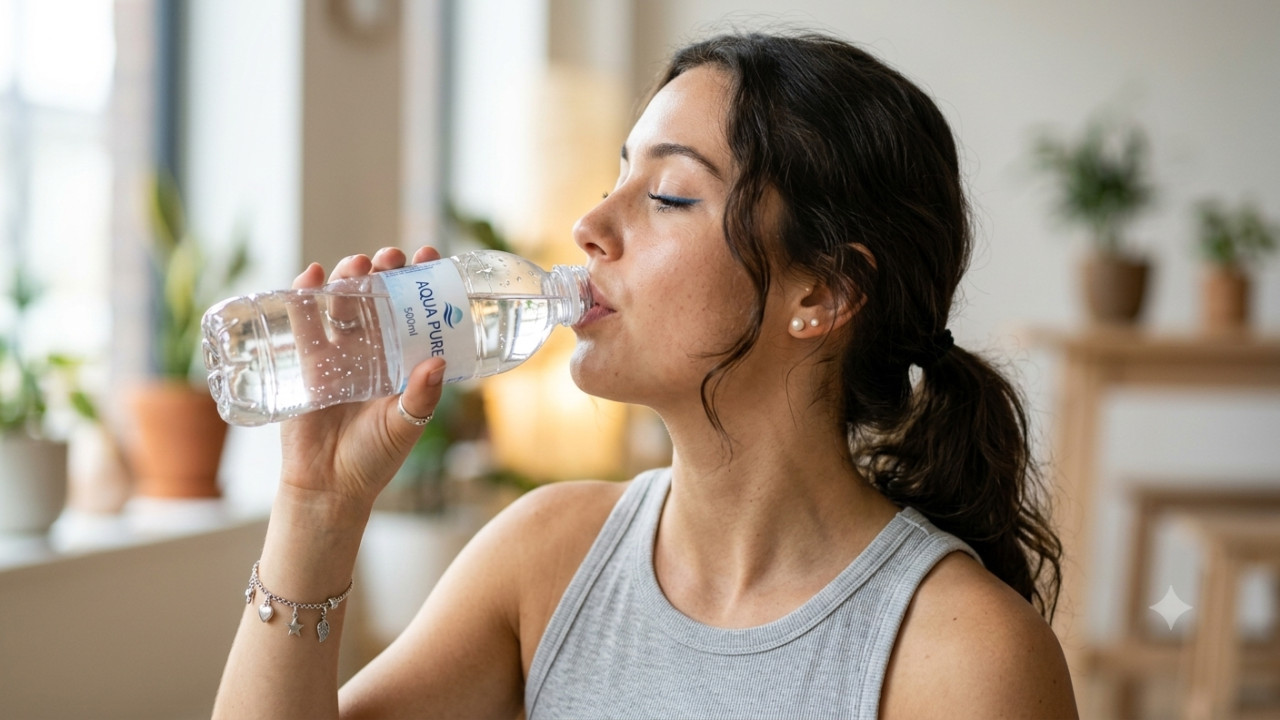 Water plays an essential role in transporting nutrients and oxygen throughout the body. It also helps remove waste through urine and sweat, supporting kidney function and reducing the risk of dehydration.
Adequate water intake can improve concentration, memory, and mood while reducing feelings of fatigue. Drinking enough water before and after physical activity also helps muscles recover and prevents cramps effectively.
Making water your primary beverage is a simple habit with lasting health benefits. Carrying a reusable bottle and drinking consistently throughout the day supports long-term wellness, vitality, and a healthier lifestyle overall.
The Ayurvedic Perspective on Water: The Element of Kapha
According to Ayurveda, the universe consists of five elements called Panchamahabhutas: Earth, Water, Fire, Air, and Space. Water represents nourishment, cohesion, and fluidity, making it essential for sustaining life and maintaining harmony.
Within the human body, water primarily influences the Kapha dosha, which provides structure, lubrication, stability, and immunity. It keeps joints flexible, skin hydrated, mucous membranes moist, and the mind calm and balanced.
Water naturally possesses qualities of heaviness, coolness, and unctuousness. Drinking excessive cold water, especially during meals, may weaken digestive fire (Agni), hinder digestion, and contribute to the accumulation of Ama, or toxins.
When consumed mindfully, water supports healthy digestion, detoxification, and overall balance. It acts as a universal cleanser, removing physical impurities while promoting internal harmony, vitality, and the smooth functioning of body and mind.
The Foundation: The Seven Tissues (Sapta Dhatu) and Rasa
To understand why Ayurveda places such immense importance on water, we must look at the concept of Dhatus—the seven fundamental tissues of the body. These are:
- Rasa (Plasma/Lymph)
- Rakta (Blood)
- Mamsa (Muscle)
- Meda (Fat)
- Asthi (Bone)
- Majja (Marrow and Nervous System)
- Shukra (Reproductive Tissue)
Every single tissue in the body is nourished sequentially. The very first tissue, Rasa, is the direct product of digested food and water.
Think of Rasa as the sap of a tree; if the sap is rich, pure, and abundant, every branch, leaf, and fruit (the subsequent tissues) will thrive. If the sap is dry or toxic, the tree withers.
Water is the primary constituent of Rasa. By drinking water correctly, you ensure that your lymphatic system is flushed, your blood volume is optimal, and the foundational building blocks for muscle, bone, and nervous tissue are of the highest quality.
The Golden Rules of Ayurvedic Hydration
The magic of Ayurvedic hydration lies in the methodology. Here are the cardinal rules of drinking water according to ancient texts like the Charaka Samhita and Sushruta Samhita.
1. Sit Down to Drink Water
In our fast-paced world, we frequently drink water while walking, driving, or standing at our desks. Ayurveda strictly advises against this.
When you sit down to drink water, your nervous system is in a parasympathetic (rest and digest) state. This allows your muscles to relax and your body to absorb the water effectively.
Standing and drinking disrupts the fluid balance and can lead to the accumulation of fluids in the joints, potentially contributing to arthritis over time.
2. Drink Warm or Room Temperature Water
This is perhaps the most famous Ayurvedic dictate regarding water. Ice water is considered a slow poison in Ayurveda. Why? Imagine putting a cold compress on a burning stove.
The fire goes out. Similarly, your digestive fire (Mandagni) requires warmth to break down food. Ice water extinguishes this fire, leading to undigested food particles that turn into toxic sludge (Ama).
Warm water, on the other hand, acts like a gentle broom sweeping through your digestive tract. It stimulates Agni, melts away stubborn fat deposits, and flushes out toxins through urine and sweat.
3. Sip, Do Not Gulp
How many times have you finished a workout and downed an entire bottle of water in three massive gulps? Ayurveda considers this harmful.
When you gulp water, you swallow air along with it, leading to bloating, gas, and indigestion. Furthermore, gulping bypasses the body’s natural thirst receptors in the esophagus and stomach, making it easy to overhydrate, which stresses the kidneys.
Sip water slowly, allowing it to mix with your saliva, which contains digestive enzymes that begin the process of hydration even before the water reaches your stomach.
4. Drink Only When Truly Thirsty
Modern culture tells us to drink preemptively. Ayurveda tells us to listen to our bodies. Thirst is an innate intelligence (Prajna) signaled by the body when it actually requires fluid.
Overhydration dilutes the digestive enzymes and can lead to a condition known as Udakavaha Srotas vitiation (imbalance in the water-carrying channels of the body), manifesting as frequent urination, coldness, and heaviness.
5. Do Not Drink Large Amounts During Meals
Drinking a large glass of water during a meal is akin to pouring water over a carefully prepared, simmering curry; it dilutes the flavors and the cooking process.
Ayurveda recommends taking only small sips of warm water during a meal to aid in the formation of a semi-liquid paste (chyme) in the stomach.
A good rule of thumb is to drink a glass of warm water 30 minutes before a meal to prime the digestive tract, and wait at least 45 minutes to an hour after a meal to allow the stomach to empty before introducing more fluids.
The Magic of Ushnodaka: The Power of Boiled Water
In Ayurveda, there is a special term for boiled water: Ushnodaka. The texts state that ordinary water can cause aggravation of the three doshas, but boiled water is a panacea.
When you boil water, its molecular structure changes. It becomes lighter (laghu) and more penetrating (teekshna).
Boiling water removes impurities, kills harmful microbes, and, according to Ayurvedic philosophy, infuses the water with Agni (fire), making it incredibly compatible with the human digestive system.
The classic Ayurvedic text Bhava Prakasha outlines how long water should be boiled based on its therapeutic goal:
- Boiled and cooled: Good for pacifying Pitta dosha and balancing normal digestion.
- Reduced to half its volume: This water becomes highly penetrating and is excellent for clearing severe Kapha imbalances, thick mucus, and fat.
- Reduced to one-quarter of its volume: This is considered a medicinal decoction. It is very hot and sharp, used to treat severe Ama (toxins), extreme sluggishness, and certain respiratory conditions.
Enhancing Ushnodaka with Herbs
To elevate the benefits of boiled water, Ayurveda frequently recommends adding specific herbs and spices, turning plain water into a healing infusion:
- Cumin, Coriander, and Fennel (CCF Tea): This classic trinity is boiled together to create a highly detoxifying water. It flushes the urinary tract, reduces water retention, and balances all three doshas without aggravating Pitta.
- Ginger Water: Boiling a few slices of fresh ginger is the ultimate remedy for Vata and Kapha. It ignites digestive fire, clears respiratory congestion, and alleviates nausea.
- Tulsi (Holy Basil) Water: Highly sattvic (pure), Tulsi water boosts immunity, clears the respiratory tract, and calms the nervous system.
- Lemon Water: (Note: Ayurveda advises against putting lemon in hot water, as it can turn slightly toxic in the stomach, but warm or room temperature lemon water is excellent for liver health and Pitta pacification).
The Vessel Matters: The Alchemy of Storage
Ayurveda understands that water is a solvent. It will absorb the qualities of whatever container it is stored in. The material of your water bottle is just as important as the water itself.
1. Copper Vessels (Tamra Jal)
Storing water in a pure copper vessel for at least 6 to 8 hours is a highly revered Ayurvedic practice. Copper gently leaches into the water, imbuing it with antimicrobial, anti-inflammatory, and antioxidant properties.
Copper water is known to stimulate peristalsis (the rhythmic contraction of the digestive tract), balance the three doshas, slow down aging, and support the liver and spleen. It is particularly beneficial for Vata and Kapha constitutions.
2. Earthen/Clay Pots (Mitti ka Ghada)
Before glass and plastic became ubiquitous, Indians stored water in clay pots. Clay is alkaline in nature.
When water is stored in an earthen pot, the clay interacts with the heat of the environment, causing the water to naturally cool down.
This cooling effect is gentle and balanced, unlike the harsh, artificial cold of a refrigerator. Clay pot water is incredibly beneficial for pacifying Pitta dosha, preventing sunstroke, and providing essential minerals like calcium and magnesium.
3. Silver and Gold Vessels
In ancient times, royalty drank water from silver or gold vessels. Silver water is highly cooling and excellent for the eyes and brain. Gold water is considered a powerful rejuvenator (Rasayana), though it is rarely practical for modern daily use.
4. The Dangers of Plastic
Ayurveda would vehemently oppose the modern reliance on plastic water bottles. Plastic is derived from petrochemicals and carries tamasic (dulling, inert) energy.
Water stored in plastic, especially when exposed to heat, absorbs microplastics and endocrine-disrupting chemicals (like BPA).
This turns a life-giving substance into a toxic burden, creating Ama and confusing the body’s internal intelligence.
Personalized Hydration: Water for Your Dosha
Ayurveda’s greatest strength is its individualized approach. There is no one-size-fits-all when it comes to hydration.
Your ideal water protocol depends entirely on your unique mind-body constitution (Prakriti) and your current state of imbalance (Vikriti).
Hydration for Vata Dosha
Vata is composed of Air and Space. It is dry, cold, light, and erratic. Vata individuals are prone to dehydration, dry skin, constipation, and anxiety. They lose moisture quickly and need to replenish it consistently.
- Temperature: Warm to hot. Never cold or iced.
- Method: Small, frequent sips throughout the day.
- Enhancements: Add a pinch of rock salt (to retain moisture) and a squeeze of lime, or boil water with grounding herbs like ashwagandha, ginger, or fennel.
- Vessel: Copper is excellent for grounding Vata.
Hydration for Pitta Dosha
Pitta is composed of Fire and Water. It is hot, sharp, oily, and intense. Pitta individuals run hot, sweat profusely, and are prone to inflammation, acid reflux, and skin rashes. They need water that cools them down without extinguishing their strong digestive fire.
- Temperature: Cool, but strictly room temperature. No ice.
- Method: Moderate amounts, sipped slowly. Pittas can drink a bit more water than other doshas to flush out heat.
- Enhancements: Cooling herbs like mint, coriander, fennel, rose petals, or sandalwood.
- Vessel: Earthen/clay pots are the absolute best for Pitta, as they provide a natural, gentle cooling effect. Silver is also highly recommended.
Hydration for Kapha Dosha
Kapha is composed of Earth and Water. It is heavy, cold, slow, and sticky. Kapha individuals naturally retain water well.
They are prone to sluggish digestion, mucus buildup, water retention, and weight gain. They require the least amount of water and need it to be stimulating.
- Temperature: Hot or very warm.
- Method: Drink only when genuinely thirsty. Do not overhydrate.
- Enhancements: Pungent, stimulating spices are crucial. Boil water with dry ginger, black pepper, cinnamon, or honey. (Crucial Ayurvedic Rule: Never cook honey. Add a spoonful of raw honey to warm—never hot—water after it has slightly cooled; otherwise, it turns into a sticky toxin according to Ayurveda).
- Vessel: Copper or brass, as these metals help scrape away excess fat and mucus. Avoid clay pots, as they will make Kapha too cold and heavy.
The Profound Physiological Benefits of Ayurvedic Hydration
When you align your water-drinking habits with Ayurvedic principles, the benefits cascade through every layer of your being.
1. Masterful Digestion and Elimination
The most immediate benefit of drinking warm, sip-by-sip water is the optimization of Agni. Warm water acts as a pre-digestive, preparing the stomach for food.
It helps dissolve hard-to-digest fats and flushes the gastrointestinal tract. For chronic constipation (a primary Vata complaint), drinking a large glass of warm water first thing in the morning stimulates Apana Vayu (the downward-moving energy in the pelvis), prompting a natural, effortless bowel movement.
2. Deep Cellular Detoxification (Ama Pachana)
We are constantly exposed to environmental toxins, processed foods, and emotional stress, all of which create Ama—a toxic, sticky residue that lodges itself in the joints, tissues, and digestive tract.
Cold water solidifies Ama, much like pouring cold water over grease hardens it. Warm water, especially when reduced (Ushnodaka) or infused with spices, literally melts Ama away, allowing it to be safely eliminated via sweat, urine, and feces. This is the foundational principle of Ayurvedic Panchakarma detoxification.
3. Radiant, Youthful Skin
The skin is a direct reflection of the health of the Rasa dhatu (plasma) and Rakta dhatu (blood). When the body is polluted with Ama, the skin appears dull, prone to acne, or excessively dry.
Ayurvedic hydration flushes the blood of impurities and deeply moisturizes the tissues from the inside out. Copper water, in particular, is famed for its ability to stimulate melanin production, reduce fine lines, and promote a clear, glowing complexion.
Furthermore, drinking water from a clay pot naturally cools the blood, preventing Pitta-related skin breakouts like hives and rosacea.
4. Joint Lubrication and Pain Relief
The synovial fluid in our joints is a Kapha substance. When Vata increases (due to stress, aging, or dehydration), this fluid dries up, leading to the classic “creaking” joints and conditions like osteoarthritis.
Drinking adequate warm water, especially water boiled with a pinch of turmeric and ginger, lubricates the joints, reduces inflammation, and helps flush out the uric acid crystals that cause gout.
5. Weight Management and Metabolic Health
One of the most practical benefits of Ayurvedic water drinking is its impact on weight. Ice water halts metabolism. Warm water accelerates it.
Drinking hot water infused with ginger and black pepper increases the body’s basal metabolic rate. It also creates a feeling of fullness and helps the body efficiently break down and flush out dietary fats rather than storing them in the Meda dhatu (fat tissue).
6. Mental Clarity and Emotional Balance
The brain is roughly 75% water. In Ayurveda, the mind is governed by Prana Vayu (the subtle energy of air and space).
When the body is dehydrated, Vata becomes aggravated, leading to anxiety, brain fog, lack of focus, and a scattered mind. When properly hydrated with warm, sattvic (pure) water, the nervous system is soothed.
The channels of the mind (Manovaha Srotas) are cleared, allowing for enhanced concentration, emotional stability, and a sense of grounded peace.
The Ritual of Morning Hydration: A Daily Ayurvedic Practice
In Ayurveda, the hours between 4:00 AM and 6:00 AM are known as the Brahma Muhurta. During this time, the world is quiet, the air is fresh, and the Vata energy in the environment is high. It is the most auspicious time to set the tone for the day.
Upon waking, before looking at a phone or engaging in heavy conversation, Ayurveda prescribes a simple morning hydration ritual:
1. Oral Hygiene: First, scrape your tongue with a copper or stainless-steel tongue scraper. This removes the thick, white coating of Ama and bacteria that accumulated overnight, ensuring you don’t swallow those toxins back into your system.
2. The First Glass: Drink a large glass (approx. 16 oz) of warm water.
- For Vata: Add a squeeze of lime and a pinch of salt.
- For Pitta: Drink room temperature water from a clay pot, perhaps with a few drops of rose water.
- For Kapha: Drink hot water with a thin slice of fresh ginger or a dash of black pepper.
3. The Wait: After drinking, do not eat breakfast immediately. Allow 30 to 45 minutes for the water to percolate through your system, stimulate peristalsis, and prompt a bowel movement.
This single habit, practiced consistently, can cure chronic constipation and dramatically improve your energy levels.
Signs You Are Drinking Water Incorrectly
To master Ayurvedic hydration, it is equally important to recognize the signs of improper water intake. Ask yourself if you experience any of the following:
- Frequent Urination: If you pee immediately after drinking water, it means your body is rejecting the water because it is too cold, or you are drinking too much at once. Properly sipped warm water is absorbed into the tissues rather than rushing straight to the bladder.
- Heavy Stomach After Eating: If you feel a brick in your stomach after a meal, you likely drank too much water during the meal, diluting your stomach acid.
- Chilled Hands and Feet: This is a classic sign of excessive cold water consumption dampening your internal digestive fire.
- Persistent Bloating and Gas: This indicates that you are gulping air along with your water, or the cold water is creating fermentation (Ama) in your gut.
- Cracking Joints: A sign of chronic systemic dryness (Vata aggravation) due to a lack of warm, hydrating fluids reaching the connective tissues.
In the modern world, we have mechanized the act of drinking water. We view it as a biological input, a mundane task to be checked off a to-do list. But Ayurveda invites us to return to a state of reverence.
Water is the blood of the earth. It falls from the sky, filters through mountains, and flows through rivers, carrying the memory and energy of the natural world. When we drink water, we are participating in a profound communion with nature.
By applying the principles of Ayurveda—sitting down, sipping slowly, choosing warm water over ice, storing it in copper or clay, and tailoring it to our unique constitution—we elevate hydration from a mere biological function to a daily ritual of self-care and self-respect.
References:
- Charaka Samhita
- Reference for: Panchamahabhutas (Elements), Agni (Digestive Fire), and Sapta Dhatus (7 Tissues).
- Link: Charaka Samhita – Internet Archive (Translated by R.K. Sharma & V.B. Dash) – See Sutra Sthana sections for chapters on elements, food/water intake, and tissues.
2. Ashtanga Hridaya
- Reference for: The definitive chapter on Ushnodaka (Boiled Water) and Daily Routines (Dinacharya).
- Link: Ashtanga Hridayam – Internet Archive (Translated by Prof. K.R. Srikantha Murthy) – See Sutra Sthana Chapter 5 for Ushnodaka and Chapter 2 for daily routines.
- Alternative Quick Reference: Ashtanga Hridaya Sutra Sthana 5 (ayurvedakyriya.com)
3. Sushruta Samhita
- Reference for: Classification of water types (Jala Vimana) and treatment of diabetes/water retention (Prameha).
- Link: Sushruta Samhita – Internet Archive (Translated by Kaviraj Kunjalal Bhishagratna) – See Volume 1, Chapter XLV for water types.
4. Bhava Prakasha Nighantu
- Reference for: Medicinal effects of water stored in specific metals (Copper, Silver, Clay).
- Link: Bhavaprakasha Nighantu – Archive.org – Refer to the “Jala Varga” (Water Group) section.
5. Rasaratna Samuccaya
- Reference for: The alchemical and antimicrobial uses of Copper (Tamra).
- Link: Rasaratna Samuccaya – Internet Archive
6. On the Dangers of Cold Water / Benefits of Warm Water for Digestion:
- Study: Sun, W. M., et al. (1988). “Effects of water temperature on gastric motility and emptying.” Gut.
- Why it matters: Proves scientifically that cold water delays stomach emptying and impairs digestion, validating the Ayurvedic rule against ice water.
- Link: PubMed Central (PMC) – Full Text Study
7. On Copper Vessels (Tamra Jal) and Antimicrobial Properties:
- Study A: Sudha, V., et al. (2012). “Antibacterial effect of copper water against enteric bacteria.” Indian Journal of Medical Research.
- Link: PubMed – PMID: 22960888
- Study B: Borkow, G., & Gabbay, J. (2005). “Copper as an antimicrobial agent.” Current Opinion in Microbiology.
- Link: ScienceDirect – Abstract
8. On Clay Pots (Earthen Vessels) and Cooling/Alkalinity:
- Study: Ganesan, K., et al. (2018). “Study of Cooling Effect and Physio-Chemical Properties of Water Stored in Earthen Pots.” International Journal of Current Research.
- Why it matters: Confirms that the porosity of clay pots causes evaporative cooling that does not shock the system, and that clay imparts beneficial alkalinity to the water.
- Link: Google Scholar – PDF access via ResearchGate
9. On Plastic Bottles and Microplastics/Toxins:
- Study: Qian, N., et al. (2024). “Rapid single-particle chemical imaging of nano- and microplastics by SRS microscopy.” Proceedings of the National Academy of Sciences (PNAS). (The landmark Columbia University study on nanoplastics in bottled water).
- Why it matters: Validates the Ayurvedic concept that water absorbs the toxic qualities (Tamasic energy/Ama) of the container it is stored in.
- Link: PNAS – Full Text Study
10. On Hydration and the Brain (Mental Clarity / Prana Vayu):
- Study: Ritz, P., & Berrut, G. (2011). “Hydration and aging.” The Journal of Nutrition, Health & Aging.
- Why it matters: Demonstrates that even mild dehydration causes cognitive fatigue, brain fog, and mood disturbances (aggravated Vata/Prana), proving the mind-body connection of water.
- Link: PubMed – PMID: 21442536