Pizhichil Ayurvedic Massage: Benefits, Procedure & Cost

Modern stress and chronic ailments drive people toward ancient healing, with Ayurveda shining as a brilliant beacon of holistic wellness. Kerala’s rich tradition holds a profoundly rejuvenating therapy known as Pizhichil.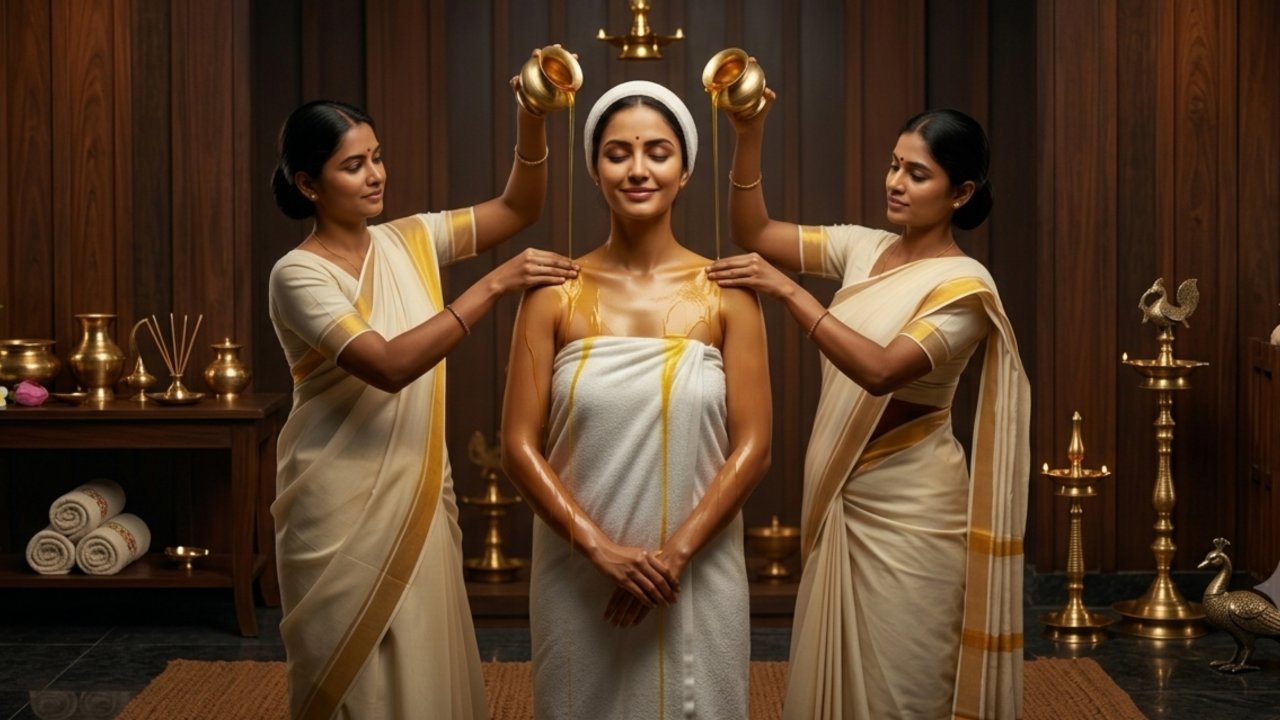 Referred to as the legendary “King of Ayurvedic Massages,” Pizhichil seamlessly combines warm medicated oils with rhythmic strokes. Historically reserved for royalty, it now offers ultimate physical and mental restoration to everyone.
Authentic solutions for stubborn chronic pain, joint stiffness, or pure deep relaxation begin with understanding Pizhichil. This comprehensive guide thoroughly explores its unique science, procedure, and extensive benefits for your health.
Experience firsthand how this royal treatment revitalizes your entire nervous system and soothes deep-seated tension. Embrace the timeless wisdom of traditional Kerala to achieve lasting peace and vibrant physical vitality today.
What is Pizhichil? Understanding the “Royal Treatment”
The word “Pizhichil” (പിഴിച്ചിൽ) originates from the Malayalam language, which is spoken in the Indian state of Kerala—the cradle of Ayurvedic healing. The literal translation of Pizhichil is “to squeeze.”
Pizhichil is also scientifically known in Ayurvedic texts as Sarvangadhara (Sarva = whole body, Dhara = pouring/streaming) or Kaya Seka (Kaya = body, Seka = sprinkling/flushing).
Unlike a standard massage where oil is applied directly to the hands and rubbed into the skin, Pizhichil involves a unique mechanism.
Warm, medicated oil is continuously and rhythmically squeezed out of fresh cotton cloths directly onto the patient’s body, while another therapist simultaneously performs a gentle, synchronised massage.
This continuous bathing in warm herbal oils creates a profound synergistic effect. The heat opens the pores, allowing the medicinal properties of the herbs to penetrate deep into the tissues (dhatus).
While the massage strokes drive the circulation, ensuring the oil reaches every cellular corner of the body. It is a perfect amalgamation of Snehana (oleation) and Swedana (sudation).
The Ayurvedic Science Behind Pizhichil
To truly appreciate the Ayurvedic massage Pizhichil, one must understand the foundational principles of Ayurveda that govern it.
1. Balancing the Doshas
Ayurveda dictates that human health is dependent on the balance of three fundamental bio-energies, or Doshas: Vata (air and space), Pitta (fire and water), and Kapha (earth and water). Pizhichil is exceptionally effective at pacifying aggravated Vata and Pitta doshas.
- Vata Dosha: Governs movement, the nervous system, and joint mobility. When aggravated, it causes dryness, stiffness, pain, and anxiety. The warm oil and rhythmic motion directly counteract Vata’s cold, dry, and erratic qualities.
- Pitta Dosha: Governs metabolism and digestion. Aggravated Pitta causes inflammation, burning sensations, and skin issues. The cooling and soothing herbs infused in the oils help douse this internal fire.
2. Snehana (Oleation) and Swedana (Sudation)
Pizhichil is a masterclass in combining these two preparatory Panchakarma procedures:
- Snehana: The application of medicated oils lubricates the joints, softens the tissues, and pushes Ama (metabolic toxins) out of the cells.
- Swedana: The consistent heat from the warm oil induces therapeutic sweating. This opens the Srotas (body channels), allowing the liquefied Ama to be carried to the gastrointestinal tract for elimination.
3. Healing the Seven Dhatus (Tissues)
Ayurveda recognizes seven layers of tissues: Rasa (plasma), Rakta (blood), Mamsa (muscle), Meda (fat), Asthi (bone), Majja (marrow/nerve), and Shukra (reproductive).
Pizhichil is unique because the prolonged application of warm, herb-infused oil has the ability to penetrate all the way down to the Majja dhatu (nervous tissue and bone marrow), making it an unparalleled therapy for neurological and orthopedic conditions.
The Step-by-Step Pizhichil Procedure
The Ayurvedic massage Pizhichil is a highly structured, ritualistic process that requires a serene environment and the expertise of two to four trained Ayurvedic therapists. Here is the detailed breakdown of how a typical session unfolds:
Step 1: Purvakarma (Pre-treatment Preparation)
Before the oil touches your body, the body must be prepared. This involves a preliminary assessment by an Ayurvedic doctor to determine your Prakriti (body constitution) and Vikriti (current imbalance).
Based on this, the specific medicated oil is chosen. You may be asked to undergo mild internal oleation (drinking a small amount of ghee or oil) the night before to loosen internal toxins.
Step 2: The Setup
The therapy takes place in a specialized, wooden treatment room designed to retain heat. You will be asked to lie down on a traditional Ayurvedic wooden table called a Droni. The room is kept pleasantly warm, often with the subtle aroma of herbs burning in the background to calm the mind.
Step 3: Preliminary Massage (Abhyanga)
To prime the body, the therapists begin with a traditional Abhyanga (Ayurvedic massage). They apply a thin layer of the chosen warm medicated oil over your entire body using long, sweeping strokes. This wakes up the circulation and prepares the pores for the main event.
Step 4: The Squeezing Technique (The Core of Pizhichil)
This is where the magic happens.
- Clean, soft cotton cloths are folded into bundles and dipped into a vessel containing warm medicated oil (maintained at a precise, comfortable temperature, usually around 40-45°C / 104-113°F).
- The therapists wring out the cloth just above your body, allowing a continuous, steady stream of warm oil to fall directly onto your skin.
- Simultaneously, the therapists use their free hands to massage the oil into your body.
- The motion is rhythmic and synchronized. They will start from the neck and shoulders, moving down to the chest, back, abdomen, arms, legs, and finally the soles of the feet.
- As the oil pools on the Droni, it is periodically collected, filtered, reheated, and reused for the session to maintain the perfect temperature.
Step 5: Maintaining the Heat and Rhythm
The therapists work in perfect harmony, ensuring that no part of the body is left uncovered by the warm oil for more than a few seconds. The continuous pouring creates a “hydrostatic pressure” that feels like a warm, heavy blanket enveloping the body.
Step 6: Paschatkarma (Post-treatment Care)
A typical Pizhichil session lasts between 45 to 60 minutes of continuous pouring, with the total treatment time including the massage taking about 90 minutes. Once complete, the excess oil is gently wiped off the body.
Crucially, you are then guided to a steam bath box (Nadi Swedana) to induce further sweating and lock in the medicinal benefits.
Following the steam, you are allowed to rest, and later, a warm herbal bath or shower is given using specific herbal powders (like green gram powder) to remove the residual oil without stripping the skin of its newly acquired moisture.
Medicated Oils Used in Pizhichil
The efficacy of the Ayurvedic massage Pizhichil relies heavily on the quality and type of medicated oil used.
These are not simple carrier oils; they are complex decoctions where herbs are boiled in a base oil (like sesame or coconut) according to strict ancient pharmaceutical guidelines.
The Ayurvedic physician selects the oil based on the patient’s specific condition:
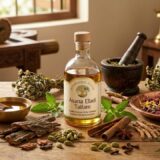
- Dhanwantharam Thailam: This is the most commonly used oil for Pizhichil. It is a powerhouse formulation designed to balance Vata dosha. It is highly effective for neurological disorders, paralysis, joint pain, and post-natal care. It improves muscle tone and nerve conduction.
- Ksheerabala Thailam: Infused with milk and Bala herb, this oil is incredibly nourishing. It is the oil of choice for chronic Vata imbalances, insomnia, severe anxiety, numbness, and tingling sensations. It has a deeply calming effect on the nervous system.
- Bala Thailam: Excellent for muscle wasting (Mamsa Kshaya), debility, and weakness. It provides strength to the muscles and bones.
- Sahacharadi Thailam: Specifically formulated for the lower back and pelvic region. It is the go-to oil for sciatica, lower back pain, hip joint arthritis, and lumbar spondylosis.
- Panchatikta Ghritham/Mahatikta Ghritham: When Pizhichil is used for skin conditions like psoriasis, eczema, or severe Pitta aggravation, medicated ghees (clarified butter) with bitter herbs (Tikta) are used instead of oils to cool the body and purify the blood.
- Cheriyokshadhi Thailam / Kottamchukkadi Thailam: Used when there is severe inflammation, rheumatoid arthritis, or localized swelling.
Top Health Benefits of Pizhichil Massage
The Ayurvedic massage Pizhichil is not just a spa treatment; it is a rigorous medical therapy with a wide array of scientifically backed benefits.
Profound Relief from Neurological Disorders
Because Pizhichil penetrates to the deepest tissue layers (Majja dhatu), it is considered a frontline therapy in Ayurveda for neurological rehabilitation. It is highly beneficial for:
- Hemiplegia and Paraplegia (Paralysis): The warmth and oleation help restore nerve impulse transmission and prevent muscle atrophy.
- Facial Palsy: Improves muscle tone in the face.
- Sciatica: Reduces the compression and inflammation of the sciatic nerve.
- Peripheral Neuropathy: Alleviates numbness, tingling, and burning in the hands and feet (common in diabetes).
Rejuvenation of the Musculoskeletal System
If you suffer from chronic joint or muscle pain, Pizhichil acts as a natural analgesic and anti-inflammatory.
- Osteoarthritis: The oil lubricates the joint spaces, reducing friction and pain.
- Rheumatoid Arthritis: Pacifies the immune response and reduces joint swelling (when used with specific cooling oils).
- Cervical and Lumbar Spondylosis: Relieves stiffness in the spine and neck.
- Muscle Spasms and Fibromyalgia: The continuous heat and massage release deeply held muscle tension and trigger points.
Anti-Aging and Skin Rejuvenation
Pizhichil is often sought after for its cosmetic and anti-aging benefits.
- The constant flushing of warm oil cleanses the pores from the inside out, drawing out deep-seated dirt and toxins.
- It stimulates collagen production and improves skin elasticity, reducing fine lines and wrinkles.
- It leaves the skin incredibly soft, supple, and glowing.
- It is highly effective in treating chronic dry skin conditions.
Extreme Stress Relief and Mental Wellness
The rhythmic pouring of warm oil has a deeply soporific effect on the brain.
- It drastically lowers cortisol (the stress hormone) levels.
- It is an excellent natural remedy for insomnia, promoting deep, restorative sleep.
- It calms an overactive mind, reducing symptoms of anxiety, depression, and chronic fatigue syndrome.
- Many patients report entering a state of “Yoga Nidra” (yogic sleep) during the procedure.
Enhanced Blood Circulation and Detoxification
The hydrostatic pressure of the oil combined with massage strokes acts as a pump for the cardiovascular and lymphatic systems.
- It improves peripheral blood circulation, ensuring oxygen and nutrients reach damaged tissues.
- It accelerates the drainage of lymphatic fluid, reducing edema (water retention) and flushing out metabolic waste (Ama).
Immunity Boosting
By clearing the body’s channels (Srotas) and balancing the doshas, Pizhichil strengthens Ojas—the subtle essence of immunity and vitality in Ayurveda. Regular Pizhichil makes the body more resilient to infections and diseases.
Conditions Treated by Pizhichil (Indications)
An Ayurvedic doctor will typically prescribe a course of Ayurvedic massage Pizhichil (usually 7, 14, or 21 days) for the following conditions:
- Neurological: Paralysis (stroke recovery), Bell’s palsy, multiple sclerosis (symptom management), Parkinson’s disease (to reduce rigidity), nerve injuries.
- Orthopedic: Osteoarthritis, rheumatoid arthritis, ankylosing spondylitis, frozen shoulder, tennis elbow, gout.
- Spinal Issues: Disc prolapse, sciatica, cervical spondylosis, lumbar spondylosis, spinal stenosis.
- Muscular: Fibromyalgia, muscular dystrophy, myopathy, chronic fatigue syndrome.
- Dermatological: Psoriasis, eczema, chronic dry skin, ichthyosis.
- Psychosomatic: Insomnia, anxiety disorders, hypertension (stress-induced), post-traumatic stress disorder (PTSD).
- Systemic/Rejuvenative: Post-surgical rehabilitation, post-pregnancy recovery (after 3 months), general debility in the elderly, convalescence.
Who Should Avoid Pizhichil? (Contraindications)
While Pizhichil is incredibly safe when performed under expert supervision, there are certain conditions where it is strictly contraindicated to prevent complications:
- Fever and Acute Infections: Applying warm oil during a fever can trap heat inside the body and worsen the infection.
- Pregnancy: The heavy abdominal massage and certain herbal oils are not safe during pregnancy.
- Menstruation: Ayurveda advises against intensive detox therapies during the menstrual cycle to avoid disrupting the natural downward flow of Apana Vayu.
- Severe Liver or Kidney Failure: Patients with compromised organ function cannot process the toxins mobilized by the oil.
- Skin Abrasions/Wounds: Open wounds, burns, or severe skin infections can be aggravated by the oil.
- Extreme Weakness: If a patient is too frail or emaciated, the heavy sweating and squeezing can cause further depletion.
- Acute Diarrhea or Vomiting: The body is already in a state of depletion and requires rehydration, not oil therapy.
- Alcohol Intoxication: Patients must not undergo Pizhichil under the influence of alcohol or recreational drugs.
Pizhichil vs. Other Ayurvedic Massages
To understand exactly what makes the Ayurvedic massage Pizhichil unique, it helps to compare it to other famous Ayurvedic therapies:
Pizhichil vs. Abhyanga
- Abhyanga is a standard full-body massage using hands. It is excellent for daily maintenance and mild tension.
- Pizhichil includes Abhyanga but adds the continuous pouring of warm oil. Pizhichil is far more intensive, provides sustained heat, and is used for severe pathological conditions, whereas Abhyanga is more preventative.
Pizhichil vs. Shirodhara
- Shirodhara involves pouring warm oil only on the forehead (the third eye). It is strictly a psycho-spiritual and neurological therapy meant to calm the mind and treat migraines/insomnia.
- Pizhichil covers the entire body. While it calms the mind, its primary focus is physical rehabilitation, joint health, and full-body detoxification.
Pizhichil vs. Kati Basti
- Kati Basti is a localized therapy where a dam of dough is built on the lower back and filled with warm oil. It is highly targeted for lower back pain.
- Pizhichil is a systemic, whole-body treatment. If a patient has lower back pain plus neck pain plus knee pain, Pizhichil is the superior choice.
Pizhichil vs. Njavarakizhi
- Njavarakizhi involves massaging the body with boluses of medicated rice (Shashtika Shali) cooked in milk and herbal decoction. It is highly focused on building muscle mass and providing strength.
- Pizhichil relies purely on liquid oil, making it better for lubricating joints and calming the nervous system, though it also provides strength.
What to Expect: Before, During, and After
Before the Treatment: Consultation is key. Do not expect to walk into an Ayurvedic center and immediately get Pizhichil. The doctor will take your pulse, examine your tongue, and ask detailed questions about your digestion, sleep, and lifestyle.
You will be advised to eat a light, easily digestible diet (like Kitchari) a day prior to the treatment. Avoid alcohol, heavy meals, and late nights.
During the Treatment: You will be dressed minimally (usually just a disposable undergarment) to allow full access to the body. The room will be warm and dimly lit.
Initially, the sensation of warm oil pouring on the body might feel unusual, but within 5 to 10 minutes, most patients experience a profound sense of melting into the table.
The rhythmic sound of the oil dripping and the synchronized hand movements induce a deep meditative trance. Communicate with your therapists if the oil is too hot or if the massage pressure is too intense.
After the Treatment: You will likely feel heavy, drowsy, and deeply relaxed—similar to the feeling after a deep tissue massage but magnified.
It is crucial to rest for at least an hour after the treatment. You will be given warm water or herbal tea to drink to aid the flushing of toxins.
Avoid cold water, cold drinks, air conditioning, and direct wind on your body for the rest of the day, as this can shock the system and cause the pores to close prematurely, trapping toxins inside.
Duration and Cost of Pizhichil Treatment
Duration
Pizhichil is rarely a one-off treatment. To achieve tangible, lasting medical results, it is prescribed as a course.
- Mild conditions / General Rejuvenation: 7 days.
- Moderate conditions (Chronic arthritis, mild paralysis): 14 days.
- Severe conditions (Severe neurological damage, autoimmune disorders): 21 days. Each daily session lasts approximately 60 to 90 minutes.
Cost
The cost of Ayurvedic massage Pizhichil varies drastically depending on geography, the prestige of the center, the quality of oils used, and the qualifications of the doctors.
- In India (specifically Kerala): A single session at a reputable Ayurvedic hospital can cost between ₹1,500 to ₹4,000 (roughly $18 to $50 USD). A 14-day package, including accommodation, food, and doctor consultations, typically ranges from ₹50,000 to ₹2,00,000 ($600 to $2,500 USD) depending on the luxury level of the facility.
- In Western Countries (USA, UK, Australia): Due to the high cost of importing authentic medicated oils and the specialized labor required, a single session can cost anywhere from $150 to $300+ USD.
- Note: It is highly recommended to undergo Pizhichil at an authentic Ayurvedic center in India for the most genuine experience and cost-effectiveness.
FAQ’s
1. What is Pizhichil in Ayurveda?
Pizhichil is a traditional Ayurvedic therapy in which warm medicated oil is continuously poured over the body while gentle massage is performed.
2. What is Pizhichil also called?
Pizhichil is also known as Sarvangadhara or Kaya Seka in Ayurvedic practice.
3. What are the benefits of Pizhichil massage?
Pizhichil is traditionally used for relaxation, rejuvenation, and easing muscle and joint stiffness. It may also promote overall physical and mental well-being.
4. How does Pizhichil treatment work?
Warm medicated oil is continuously poured over the body using cloth bundles while trained therapists perform synchronized massage movements.
5. How long does a Pizhichil session last?
A typical session may last around 45 to 90 minutes, depending on the treatment plan and individual needs.
6. Which oil is used for Pizhichil?
The oil is selected according to the person’s condition and Ayurvedic assessment. Dhanwantharam Thailam, Ksheerabala Thailam, Bala Thailam, and other medicated preparations may be used.
7. Is Pizhichil the same as Abhyanga?
No. Abhyanga is an Ayurvedic oil massage, while Pizhichil combines massage with the continuous pouring of warm medicated oil over the body.
8. Is Pizhichil painful?
Pizhichil is generally designed to be gentle and relaxing. The oil temperature and massage pressure should be comfortable throughout the treatment.
9. Can Pizhichil help reduce stress?
Pizhichil is traditionally used for relaxation and rejuvenation. The warmth and rhythmic massage can provide a calming experience.
10. Can Pizhichil help with joint stiffness?
Pizhichil is traditionally used as supportive therapy for muscle and joint stiffness. People with persistent or severe joint pain should consult a healthcare professional.
11. Can Pizhichil help with back pain?
Pizhichil may be included in some Ayurvedic treatment programs for back discomfort and stiffness. The appropriate therapy depends on the underlying condition.
12. Is Pizhichil good for the skin?
The warm medicated oils used during Pizhichil can moisturize and soften the skin. It should not, however, be considered a proven treatment for specific skin diseases without proper medical evaluation.
13. How often can I have Pizhichil treatment?
The frequency depends on your health, treatment goals, and the recommendation of a qualified Ayurvedic practitioner.
14. Who should avoid Pizhichil?
People with fever, acute illness, open wounds, certain skin conditions, or serious medical problems should seek professional medical advice before undergoing Pizhichil.
15. What should I do before Pizhichil treatment?
Follow the instructions given by your Ayurvedic practitioner. You may be advised to have a light meal, stay hydrated, and avoid alcohol before treatment.
16. What should I do after Pizhichil?
It is generally recommended to rest after treatment and follow the practitioner’s post-treatment instructions. An herbal bath may also be part of the traditional procedure.
17. Is Pizhichil available in Kerala?
Yes. Pizhichil is strongly associated with Kerala’s Ayurvedic tradition and is offered by various Ayurvedic hospitals, treatment centers, and wellness facilities.
18. How much does Pizhichil cost in Kerala?
The cost varies depending on the center, treatment duration, type of medicated oil, practitioner, and whether Pizhichil is part of a larger treatment package.
19. What is the difference between Pizhichil and Shirodhara?
Pizhichil involves warm medicated oil being poured over the body, while Shirodhara involves a continuous stream of liquid directed onto the forehead. They are different Ayurvedic therapies.
20. Can Pizhichil be used for general wellness?
Yes. Pizhichil is traditionally used for relaxation and rejuvenation as well as in Ayurvedic treatment programs. A qualified practitioner can determine whether it is suitable for your individual needs.
The Ayurvedic massage Pizhichil stands as a true testament to the brilliance of ancient Indian medicine, harmonizing herbal oils, therapeutic heat, and expert massage into a cohesive treatment. Whether you are managing a chronic illness, recovering from a neurological condition, battling arthritis, or seeking deep relaxation, Pizhichil provides a profound and time-tested path to lasting physical and mental renewal.
References
- Ministry of AYUSH, Government of India. Ayush Research Portal. Ministry of AYUSH, Government of India. AYUSH Research Portal
- Ministry of AYUSH, Government of India. Ayurveda. Ministry of AYUSH, Government of India. Ministry of AYUSH
- National Center for Complementary and Integrative Health (NCCIH), National Institutes of Health. Ayurvedic Medicine: In Depth. National Institutes of Health. NCCIH
- National Center for Complementary and Integrative Health (NCCIH), National Institutes of Health. Ayurvedic Medicine. National Institutes of Health. NCCIH
- National Library of Medicine, National Institutes of Health. Ayurvedic management of chronic rheumatoid arthritis: A case report. PubMed Central. PubMed Central
- National Library of Medicine, National Institutes of Health. Ayurvedic management of progressive bulbar palsy: A case report. PubMed Central. PubMed Central
- National Library of Medicine, National Institutes of Health. Ayurvedic management of neurological deficits: A clinical case report. PubMed Central. PubMed Central
- National Library of Medicine, National Institutes of Health. Clinical trials in Ayurveda: Issues, challenges and approaches. PubMed Central. PubMed Central
- World Health Organization. WHO Traditional Medicine Strategy 2014–2023. World Health Organization. World Health Organization
- Ministry of AYUSH, Government of India. Ayurveda and Traditional Knowledge Resources. Ministry of AYUSH, Government of India. Ministry of AYUSH