Indian Massage – What Are The Benefits Of Getting It?

In the modern, fast-paced world, where stress is a constant companion and physical ailments are often treated with quick pharmaceutical fixes, ancient healing systems are experiencing a profound renaissance. Among the most revered and scientifically validated of these ancient systems is Indian massage. 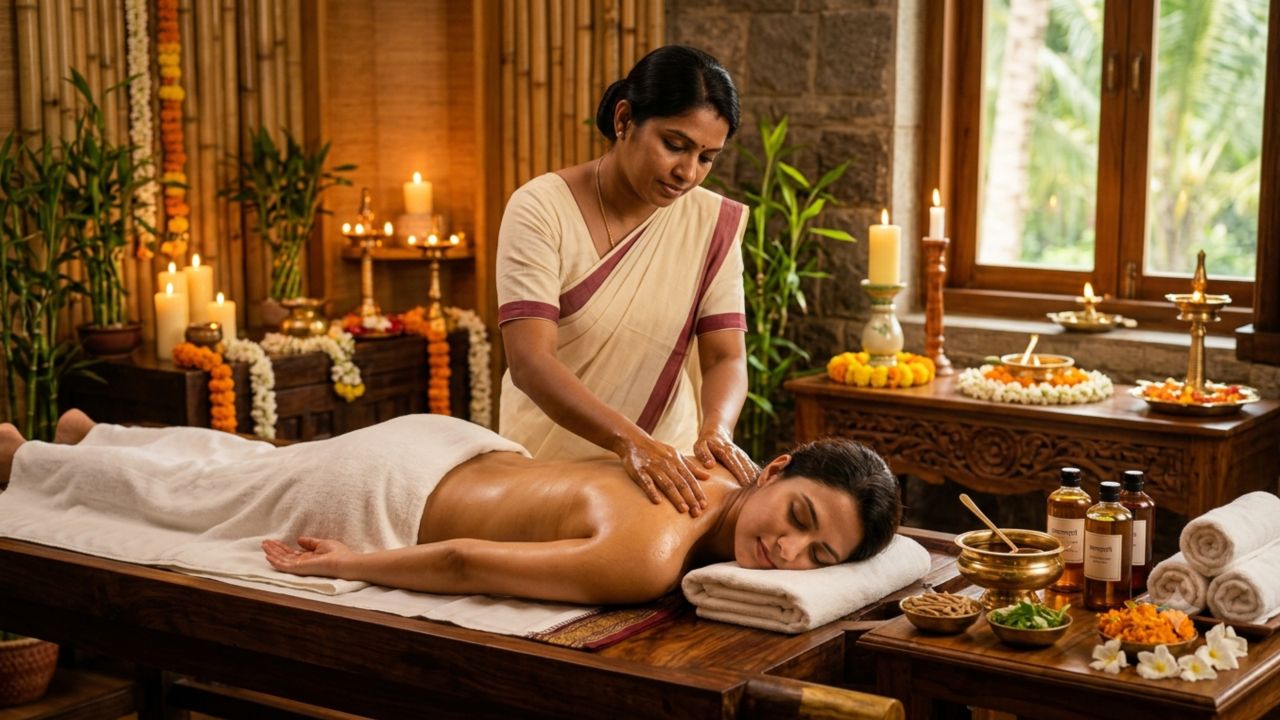 Rooted in the 5,000-year-old tradition of Ayurveda—often translated as the “Science of Life”—Indian massage is not merely a spa treatment designed for transient relaxation. It is a comprehensive, deeply therapeutic, and spiritual practice aimed at restoring balance to the body, mind, and spirit.
To understand the benefits of Indian massage, one must first understand that it operates on a fundamentally different paradigm than Western massage modalities like Swedish or Deep Tissue.
While Western massage primarily targets the musculoskeletal system—manipulating fascia, muscle knots, and physical tension—Indian massage views the physical body as a gateway to the energetic and subtle bodies.
It seeks to move prana (life force energy), clear subtle channels known as nadis, and balance the three doshas (Vata, Pitta, and Kapha), which are the bio-energetic forces that govern all physical and mental processes.
This article will delve deep into the multifaceted benefits of Indian massage, exploring its physical, mental, emotional, and spiritual advantages, while also examining the specific techniques that make it so uniquely transformative.
The Ayurvedic Foundation: Understanding Doshas and Prana
Before exploring the benefits, it is essential to grasp the Ayurvedic concepts that govern Indian massage. According to Ayurveda, every human being is born with a unique constitutional makeup, known as Prakriti, which is a specific combination of the three doshas:
- Vata (Air and Ether): Governs movement, circulation, breathing, and the nervous system. When out of balance, it causes anxiety, dry skin, joint pain, and insomnia.
- Pitta (Fire and Water): Governs digestion, metabolism, and intellect. An imbalance leads to inflammation, anger, acid reflux, and skin rashes.
- Kapha (Earth and Water): Governs structure, lubrication, and immunity. Imbalance manifests as lethargy, weight gain, congestion, and emotional attachment.
A skilled Ayurvedic practitioner does not give a “one-size-fits-all” massage. They assess the client’s dominant dosha and current imbalances (Vikriti) to customize the treatment.
The strokes, pressure, type of oil, and temperature are all adjusted. For instance, a Vata imbalance requires slow, deep, warming strokes with heavy oils like sesame, while a Pitta imbalance requires cooling, moderate strokes with coconut oil.
Furthermore, Indian massage is designed to nourish Ojas, the ultimate essence of immunity, vitality, and spiritual strength.
When Ojas is depleted through stress and poor lifestyle, the body becomes susceptible to disease. Massage is a primary tool for rebuilding Ojas.
The Primary Modalities of Indian Massage
Indian massage is an umbrella term encompassing several distinct techniques, each with its own specific focus and benefits:
- Abhyanga: The traditional full-body Ayurvedic oil massage. It involves liberal amounts of warm, herb-infused oil applied with long, rhythmic, sweeping strokes. It is often performed by two therapists working in synchronicity to create a deeply immersive experience that confuses the brain’s sensory processing, allowing for profound relaxation.
- Shirodhara: A deeply relaxing therapy where a steady, continuous stream of warm, medicated oil is gently poured over the forehead (the “third eye” region). It is renowned for calming the nervous system.
- Indian Head Massage (Champissage): Focusing on the upper back, shoulders, neck, scalp, and face, this practice is deeply rooted in the Indian tradition of daily grooming and family care.
- Marma Point Therapy: Similar to acupuncture or acupressure, Marma therapy involves stimulating 107 specific “vital points” on the body where muscles, veins, ligaments, bones, and joints intersect. These points are gateways to the body’s energetic channels.
- Udvartana: A specialized, stimulating massage using dry herbal powders or pastes, primarily used to reduce excess Kapha, break down fat deposits, and improve skin texture.
The Physical Benefits of Indian Massage
The physical benefits of Indian massage are vast and well-documented, stemming from the combination of tactile manipulation and the pharmacological properties of the medicinal oils used.
1. Profound Relief from Musculoskeletal Pain and Stiffness
Whether it is the deep tissue work of Abhyanga or the targeted pressure of Marma therapy, Indian massage effectively relieves chronic pain and promotes healing.
The warm oil penetrates deep tissues, reducing friction while allowing therapists to reach deeper muscle layers without causing unnecessary trauma or discomfort during treatment sessions.
It effectively treats arthritis, sciatica, frozen shoulder, and chronic lower back pain, restoring mobility, flexibility, improving fascia health and separating muscle fibers naturally over time.
2. Enhanced Blood Circulation and Cardiovascular Health
The rhythmic strokes of Abhyanga stimulate healthy blood circulation, improving oxygen delivery to tissues while supporting the efficient removal of toxins and metabolic waste from the body.
Warm herbal oils and massage techniques promote vasodilation, allowing blood vessels to widen naturally. This enhances nutrient transport, reduces muscle fatigue, and accelerates tissue repair and recovery.
Regular Indian massage may help lower resting blood pressure, improve cardiovascular function, and reduce strain on the heart, contributing to long-term circulatory health and overall well-being.
3. Lymphatic Drainage and Detoxification
Indian massage supports the lymphatic system by encouraging the natural movement of lymph fluid, helping the body eliminate waste, toxins, and excess fluids more efficiently.
The rhythmic pressure and massage strokes manually stimulate lymph flow, reducing water retention, relieving swelling, and promoting the removal of metabolic waste, known as ama in Ayurveda.
Regular treatments strengthen immune function by supporting healthy lymphatic circulation. Udvartana, a traditional herbal powder massage, is especially effective for lymphatic stimulation and natural
4. Improved Skin Health and Anti-Aging
Indian massage enhances skin health by nourishing the body from within, leaving the skin hydrated, radiant, and naturally rejuvenated through the use of warm, herb-infused oils.
Cold-pressed oils deeply moisturize the skin while gentle massage exfoliates dead skin cells, revealing a smoother, brighter complexion. Herbs like turmeric, sandalwood, and manjistha help soothe inflammation and support clearer skin.
Improved blood circulation stimulates collagen production, enhances skin elasticity, and reduces the appearance of fine lines and wrinkles, promoting a youthful, healthy glow over time.
5. Optimized Digestion and Gastrointestinal Health
Indian massage supports healthy digestion by stimulating abdominal muscles and encouraging the natural movement of food through the digestive system, improving overall gastrointestinal function.
Gentle abdominal massage enhances peristalsis, helping relieve constipation, bloating, and digestive discomfort. It may also benefit individuals experiencing symptoms associated with irritable bowel syndrome (IBS).
By activating the body’s parasympathetic “rest and digest” response, Indian massage reduces stress, improves nutrient absorption, and promotes a healthier, more balanced digestive system.
The Mental and Emotional Benefits
In Ayurveda, there is no separation between the mind and the body; they are viewed as two sides of the same coin. Therefore, treating the physical body inherently treats the mind.
1. Massive Reduction in Stress, Anxiety, and Depression
Indian massage is highly effective in reducing stress by calming the nervous system and shifting the body from a constant “fight or flight” state into a relaxed “rest and digest” mode.
The gentle touch and rhythmic massage techniques stimulate the release of serotonin and dopamine, promoting emotional balance, relaxation, and an improved sense of well-being while lowering stress hormone levels.
Regular sessions can reduce cortisol production, ease anxiety, improve mood, and encourage emotional healing. Its nurturing, grounding nature provides deep relaxation and supports overall mental and emotional wellness.
2. Deep, Restorative Sleep
Indian massage promotes deep, restorative sleep by calming the nervous system and balancing the body’s natural rhythms, making it especially beneficial for those experiencing insomnia or restless nights.
Abhyanga, particularly when focused on the scalp and soles of the feet, helps relax the mind and body before bedtime, encouraging faster sleep onset and improved sleep quality.
Warm herbal oils infused with calming ingredients such as Ashwagandha, Bhringraj, and Chamomile support relaxation, reduce mental fatigue, and promote uninterrupted, refreshing sleep throughout the night.
3. Enhanced Cognitive Function and Mental Clarity
Indian massage therapies such as Shirodhara and Indian Head Massage promote mental clarity by calming the mind, reducing stress, and supporting healthy brain function and emotional balance.
Shirodhara involves the gentle flow of warm herbal oil over the forehead, encouraging deep relaxation and helping regulate the body’s stress response, which may improve focus and reduce mental fatigue.
Regular treatments can enhance concentration, memory, and overall cognitive performance while promoting emotional stability, clearer thinking, and a greater sense of inner peace and well-being.
4. Emotional Release and Trauma Processing
Indian massage encourages deep emotional relaxation by easing physical tension and creating a calming environment that supports mental and emotional well-being.
Techniques that focus on muscles, connective tissues, and Marma points help release built-up stress and promote a sense of balance. Many people report feeling lighter, calmer, and more emotionally refreshed after treatment.
The deep state of relaxation created during Indian massage can help reduce emotional stress, improve self-awareness, and support overall mental wellness, leaving both the body and mind feeling renewed.
The Energetic and Spiritual Benefits
For those looking beyond the physical and psychological, Indian massage offers a gateway to subtle body healing and spiritual awakening.
1. Clearing Nadis and Balancing Chakras
According to Ayurveda and Yoga traditions, the body contains thousands of Nadis or energetic pathways through which Prana, the vital life force, flows. Indian massage is believed to support balance by working along these pathways and promoting a sense of harmony.
Through rhythmic strokes and Marma point therapy, Indian massage helps release physical tension, calm the mind, and encourage energetic balance within the body.
Many practitioners describe these treatments as a way to restore inner connection, improve vitality, and support overall spiritual and emotional well-being.
2. Cultivating Ojas and Deep Vitality
In Ayurveda, Ojas is considered the subtle essence of vitality, representing strength, nourishment, and inner resilience. It is associated with balanced digestion, emotional stability, and overall well-being.
Indian massage supports the cultivation of Ojas through the use of warm herbal oils, soothing techniques, and mindful touch that promote relaxation and rejuvenation.
Regular massage practices are believed to strengthen the body’s natural defenses, enhance energy levels, and create a deeper sense of calm, balance, and connection with oneself.
3. Mindfulness and the Present Moment
Traditional Indian massage creates a deeply immersive sensory experience that encourages relaxation, awareness, and a stronger connection with the present moment.
The aroma of herbal oils, the warmth of the treatment, and the gentle rhythm of massage help quiet mental distractions and bring attention away from past concerns and future worries.
In this way, an Indian massage session becomes a form of moving meditation, promoting mindfulness, inner calm, emotional balance, and a deeper awareness of the body and mind.
4. Reconnecting Mind, Body, and Spirit
Indian massage offers a holistic approach that views the body as an interconnected system of physical, mental, and emotional well-being rather than simply a machine to repair.
Through nurturing touch and mindful techniques, it helps bridge the connection between the mind, body, and inner self, encouraging relaxation, balance, and self-awareness.
This traditional practice reminds us to care for ourselves with greater awareness, fostering a deeper sense of harmony, connection, and overall wellness.
The Magic of the Medium: Ayurvedic Oils (Sneha)
It is impossible to discuss the benefits of Indian massage without dedicating significant attention to the oils used. In Sanskrit, the word for oil is Sneha, which also translates to “love” and “tenderness.” The oil is not just a lubricant; it is the primary medicine.
The base oils are carefully selected based on the dosha:
- Sesame Oil: Heavy, warming, and deeply grounding. The gold standard for Vata imbalances and general winter massage.
- Coconut Oil: Light, cooling, and soothing. Perfect for Pitta imbalances, overheated bodies, and summer months.
- Mustard Oil: Highly stimulating and heating. Used specifically for Kapha imbalances to break up mucous and stimulate stagnant circulation.
- Sunflower or Olive Oil: Good neutral oils for those with mixed constitutions.
These base oils are then decocted (slowly cooked) with dozens of medicinal herbs. For example, Bala oil (containing the Bala herb) is used for muscle weakness and joint pain.
Dhanwantharam oil is a famous formulation used for neurological conditions, post-partum care, and paralysis recovery.
Ksheerabala oil is highly prized for its ability to calm Vata, soothe the nerves, and treat insomnia. When these medicated oils are massaged into the skin.
The lipophilic (fat-soluble) nature of the skin easily absorbs the fat-soluble active compounds of the herbs, delivering medicine directly into the bloodstream and underlying tissues.
What to Expect: A Guide to Your First Session
If you are intrigued by the benefits of Indian massage, knowing what to expect can help you maximize the experience.
The Consultation: A true Ayurvedic massage begins with a pulse and tongue diagnosis. The practitioner will ask about your digestion, sleep, stress levels, and lifestyle to determine your dosha.
The Preparation: You will be asked to undress to your comfort level (underwear is usually kept on). Indian massage is typically done on a wooden massage table or a floor mat, allowing the therapist to use their body weight rather than just hand strength.
The Experience: Unlike Western massages that start face down, Abhyanga often starts with you sitting up, as the therapist works on your head, neck, and shoulders.
You will then lie down. The oil will be warm, and it will be applied generously—you will be thoroughly drenched in it. The strokes are generally long, sweeping, and symmetrical.
If you are receiving a four-hand massage, the synchronized rhythm is incredibly hypnotic.
The Aftercare: This is the most crucial part of an Ayurvedic massage. You will be instructed to let the oil stay on your skin for at least 30 to 60 minutes after the massage to allow the herbs to penetrate.
You will then take a warm (not hot) bath or shower to gently rinse off the excess oil. You are advised to rest, avoid heavy food, alcohol, and intense exercise for the remainder of the day to allow the body to integrate the healing.
Precautions and Contraindications
While Indian massage is incredibly safe and beneficial, it is not appropriate for everyone in every circumstance. You should avoid or heavily modify Indian massage if you are experiencing:
- Acute fever, cold, or flu (massage can push the illness deeper into the body).
- Acute inflammation, infections, or open wounds.
- Severe indigestion or immediately after a meal.
- Pregnancy (unless the practitioner is specifically trained in prenatal Ayurvedic massage, as certain Marma points can induce labor).
- Extreme exhaustion or debilitation (in this case, a very light touch or simply oil application without massage is preferred).
Indian massage is more than a luxury—it is a powerful form of preventive healthcare. Rooted in Ayurveda, it relieves pain, improves circulation, supports detoxification, and nourishes the skin. It also reduces stress, anxiety, and mental fatigue, promoting better sleep, emotional balance, and overall well-being.
References:
Charaka Samhita (Foundational text on daily massage/Abhyanga)
- Read Online for Free: https://www.wisdomlib.org/ayurvedic/book/charaka-samhita
Ashtanga Hridayam (Foundational text on Shirodhara and oil types)
- Read Online for Free: https://www.wisdomlib.org/ayurvedic/book/ashtanga-hridayam
Sushruta Samhita (Foundational text on Marma points/vital energy)
- Read Online for Free: https://www.wisdomlib.org/ayurvedic/book/sushruta-samhita
On Shirodhara & Brain Waves (EEG):
- Study: “The immediate effect of Shirodhara on the electroencephalogram (EEG)…”
- PMID: 19072457
- NIH Link: https://pubmed.ncbi.nlm.nih.gov/19072457/
On Shirodhara & Anxiety Reduction:
- Study: “Effectiveness of Shirodhara in management of anxiety neurosis.”
- PMID: 26124614
- NIH Link: https://pubmed.ncbi.nlm.nih.gov/26124614/
- (Note: If you want to read the full text of this specific study for free, use this stable PMC link: https://www.ncbi.nlm.nih.gov/pmc/articles/PMC4542541/ )
On Rheumatoid Arthritis & Ayurvedic Treatments (Abhyanga/Panchakarma):
- Study: “A randomized controlled trial of Ayurvedic treatments for rheumatoid arthritis.”
- PMID: 15599074
- NIH Link: https://pubmed.ncbi.nlm.nih.gov/15599074/
On Osteoarthritis Pain & Ayurvedic Massage:
- Study: “Ayurvedic treatment versus placebo for knee osteoarthritis…”
- PMID: 23642441
- NIH Link: https://pubmed.ncbi.nlm.nih.gov/23642441/
On Sleep/Insomnia & Ayurvedic Foot Massage (Padabhyanga):
- Study: Review on how oil application (Padabhyanga) induces sleep.
- PMC ID: PMC6315769
- NIH Full-Text Link: https://www.ncbi.nlm.nih.gov/pmc/articles/PMC6315769/
On General Massage, Depression, & Cortisol Reduction:
- Study: “Massage therapy effects on depressed pregnant women.”
- PMID: 15705369
- NIH Link: https://pubmed.ncbi.nlm.nih.gov/15705369/