What Is Asana Eladi Tailam? Benefits, Ingredients & Ayurvedic Uses

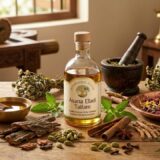
Ayurvedic oils serve as powerful healing vehicles, transporting deep herbal properties directly into bodily tissues. Among these classical formulas, Asana Eladi Tailam stands out as a versatile Kerala tradition remedy.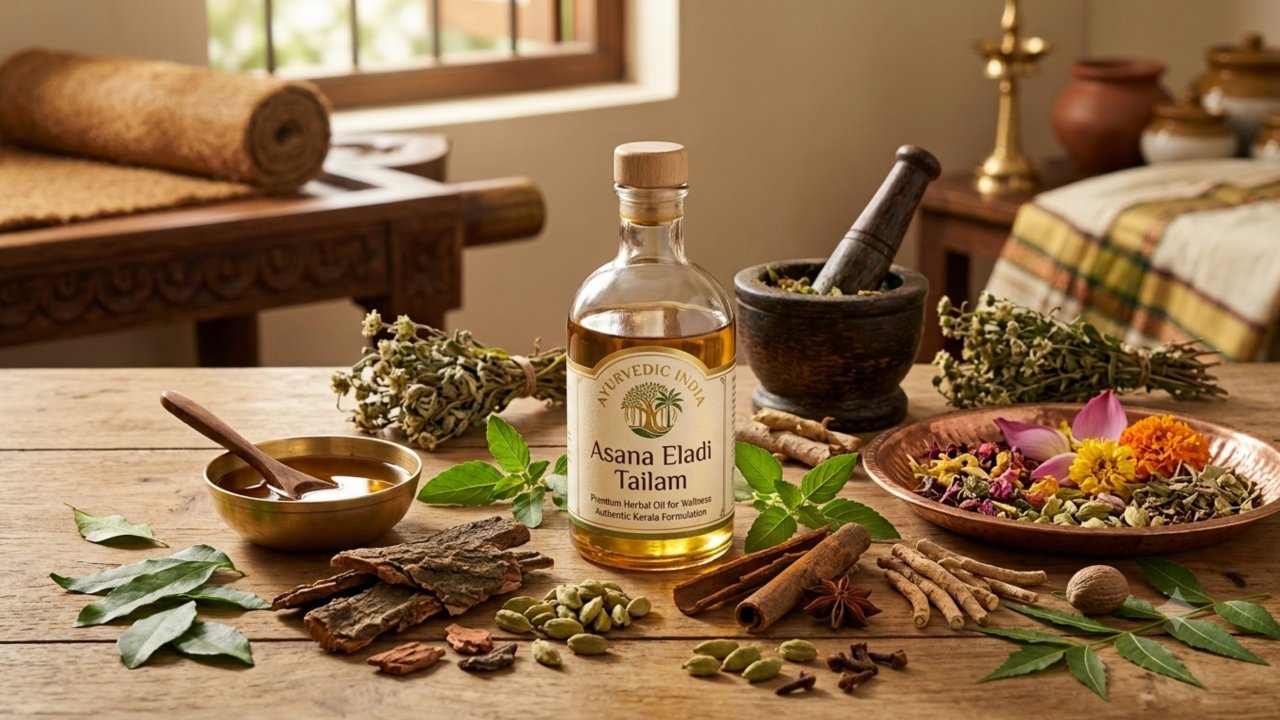 This celebrated herbal oil effectively treats everything from stubborn headaches and ear ailments to complex eye diseases and skin disorders by balancing the body’s internal bio-energies.
While typically prepared in a warming sesame oil base, practitioners also use a cooling coconut oil variation known as Asana Eladi Kera Tailam for specialized treatments.
This dual-base flexibility allows practitioners to precisely customize therapeutic applications according to an individual’s unique physical constitution and the specific nature of their underlying health condition.
The Pharmacological Principle of Asana Eladi Tailam
To truly appreciate the efficacy of Asana Eladi Tailam, one must understand the Ayurvedic principle behind the creation of herbal oils, a process known as Sneha Kalpana.
In modern herbalism, tinctures or capsules are common, but Ayurveda favors oil for external and internal therapies due to its unique ability to penetrate the dhatus (tissues). The skin is not viewed merely as a barrier but as a gateway to the systemic physiology.
The Method of Extraction
Asana Eladi Tailam is not a simple infusion of herbs in oil. It is a bi-phasic extraction process designed to capture the full spectrum of phyto-active principles. The preparation involves two primary components:
- Kashayam (Herbal Decoction): The herbs are boiled in water to extract their water-soluble active compounds. This creates a potent, liquid concentrate.
- Kalka (Herbal Paste): Fresh or dried herbs are ground into a fine paste.
These two components are then cooked together with a base oil (Sesame or Coconut) in a specific ratio. The mixture is heated until all the water from the decoction evaporates, leaving behind the medicated oil.
Why This Method is Superior
As described in the traditional texts, this process ensures that the final oil contains both oil-soluble and water-soluble phyto-active principles of the medicinal herbs.
- Water-Soluble Constituents: Many alkaloids, glycosides, and sugars are water-soluble. If herbs were only soaked in oil, these valuable compounds would be left behind.
- Oil-Soluble Constituents: Volatile oils, resins, and fat-soluble vitamins require the lipid medium to be extracted effectively.
By processing the decoction and paste within the oil, Asana Eladi Tailam becomes a comprehensive medicinal matrix.
The oil acts as a yogavahi—a carrier or vehicle—that transports these healing compounds deep into the tissues, crossing the lipid barriers of the skin and cell membranes.
Ingredient of Asana Eladi Tailam
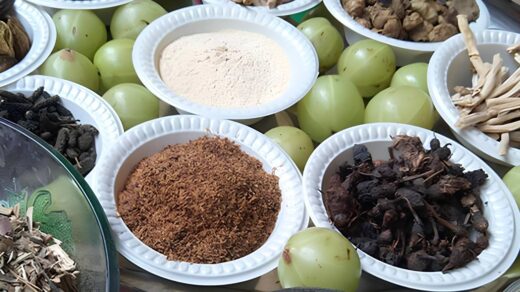
The potency of Asana Eladi Tailam lies in its intricate formulation. The reference text Sahasrayoga, Taila Yoga Prakarana, lists a diverse array of ingredients ranging from common kitchen spices to rare medicinal woods.
These ingredients can be categorized into two groups based on how they are introduced into the oil: the Kashayam (decoction) group and the Kalka (paste) group.
Group 1: The Kashayam Herbs (The Decoction Base)
These four herbs form the foundational liquid extract of the oil.
1. Asana (Pterocarpus marsupium): Known as the Indian Kino Tree, Asana is a cornerstone of Ayurvedic medicine. It is renowned for its astringent and anti-inflammatory properties.
In the context of this oil, its ability to purify the blood and address skin disorders is paramount. Historically, it has been used to manage bleeding disorders and support the healing of tissues, making it vital for treating ulcers or skin breakouts.
2. Bilvamoola (Aegle marmelos / Root of Bael): While the Bael fruit is famous for digestive health, the root (Moola) possesses specific therapeutic properties.
It is highly effective in managing edema (swelling) and pain. In Ayurvedic neurology, it is often used to address conditions related to the nervous system. Its inclusion aids in relieving the deep-seated pain associated with headaches and earaches.
3. Bala (Sida cordifolia): Bala translates to “strength.” This herb is a potent Rasayana (rejuvenative) known for its ability to enhance muscle mass and tone the nervous system.
It is Balya (strength provider) and Brmhana (nourishing). For conditions involving wasting or weakness, Bala provides the necessary nutritive support to the tissues.
4. Guduchi (Tinospora cordifolia): Often called “Amrita” or the root of immortality, Guduchi is one of the most valued immunomodulators in Ayurveda.
It is Tridoshahara, meaning it pacifies all three doshas (Vata, Pitta, Kapha). Its anti-pyretic (fever-reducing) and anti-inflammatory properties make it essential for treating the inflammatory heat associated with headaches and infections.
Group 2: The Kalka Herbs (The Paste Infusion)
The following herbs are ground into a paste and added to the oil. This group is extensive and includes aromatic spices, heavy resins, and medicinal roots.
- Ela (Elettaria cardamomum) & Sthoola Ela (Amomum Subulatum): Both varieties of cardamom are included. They are potent Vata and Kapha suppressors. Their aromatic nature improves the smell of the oil and acts as a stimulant, enhancing circulation and clearing blocked channels (Srotas).
- Turushka (Hydnocarpus laurifolia): This herb is historically significant in the treatment of skin conditions, including leprosy and other chronic dermatological issues. It acts as a powerful antimicrobial agent.
- Pushkaramoola (Inula racemosa): A strong respiratory herb. It is excellent for clearing congestion and catarrh, explaining the oil’s efficacy in preventing sinus-related headaches.
- Phalini (Callicarpa macrophylla): Traditionally used for its anti-septic and wound-healing properties.
- Brahmi (Bacopa monnieri): The premier brain tonic of Ayurveda. Brahmi enhances cognitive function, calms the nervous system, and reduces anxiety. Its presence makes this oil highly effective for stress-related headaches.
- Jala (Coleus zeylanicus): Known for its soothing properties on the skin.
- Dhyamaka (Cymbopogon martini): A variety of lemongrass, known for its fever-reducing and pain-relieving properties.
- Sprukka (Adenosma indiana): Used traditionally for respiratory support and clearing clogged nasal passages.
- Choraka (Curcuma zeodaria): A relative of turmeric, it possesses strong anti-inflammatory and detoxifying properties.
- Chocha (Cinnamomum zeylanicum): Cinnamon is a stimulant and vasodilator, improving blood flow to the scalp and brain.
- Tagara (Valeriana wallichii): Indian Valerian. It is a potent sedative and analgesic. It is crucial for calming the nervous system to treat insomnia and tension headaches.
- Sthouneya (Taxus baccata): Known for its neuroprotective qualities.
- Jati (Myristica fragrans): Nutmeg. It is a brain stimulant and digestive aid, useful in clearing “cloudiness” in the head.
- Rasa (Commiphora myrrha): Myrrh. A resin with incredible healing properties for wounds and ulcers. It promotes blood circulation and removes stagnant blood.
- Sukti (Ostrea edulis): Oyster shell ash (calcined). It provides calcium and acts as an antacid and coolant. In an oil, it helps balance the Pitta dosha (burning sensation).
- Vyaghra (Ipomoea pestizoides): A specific herb used for enhancing complexion and addressing skin ailments.
- Surahva (Cedrus deodara): Deodar Cedar. Highly effective for neurological disorders and wound healing.
- Ushira (Vetiveria zizanioides): Vetiver. A famous cooling oil. It is prized for its ability to balance Pitta, burning sensations, and thirst. It imparts a grounding, earthy aroma.
- Srivasaka (Pinus longifolia): Pine/Chir. Used for its analgesic and anti-inflammatory properties.
- Chanda (Costus speciosus): Used for its antiseptic and anti-inflammatory actions, particularly for skin diseases.
- Guggulu (Commiphora mukul): One of the most important herbs in Ayurveda. It is a Yogavahi (carrier) and a powerful anti-arthritic and anti-inflammatory agent. It penetrates deep into the tissues to clear toxins (Ama).
- Devadhoopa (Shorea robusta): Sal tree resin. It has astringent and stimulating properties.
- Khapura (Boswellia serrata): Frankincense. Famous for its anti-arthritic properties, it reduces inflammation and improves blood circulation to the joints and tissues.
- Punnaga (Calophyllum inophyllum): A heavy, cooling oil excellent for skin conditions like psoriasis and eczema.
- Nagahva (Mesua ferrea): Nagkesar. Known for its ability to stop bleeding and heal wounds.
- Kumkuma (Saffron – Crocus sativus): A luxury medicinal ingredient. It improves complexion, stimulates blood flow, and acts as a potent tonic for the skin and brain.
- Karpoora (Camphor – Cinnamomum camphora): Camphor provides a cooling sensation, acts as a local anesthetic (numbing pain), and is a strong antiseptic.
- Paya (Milk): Milk is often added to the cooking process to enhance the nourishing (Brimhana) and unctuous (Snigdha) qualities of the oil, making it suitable for dry, delicate tissues.
Therapeutic Benefits and Uses
The synergy of the above ingredients creates a product with a wide range of therapeutic applications. Asana Eladi Tailam is primarily a Shiro (head) and Twak (skin) remedy.
1. Management of Headache (Shiroroga)
Headaches in Ayurveda are often caused by an aggravation of Vata (air/ether) causing pain, or Pitta (fire) causing heat and inflammation, or Kapha (water/earth) causing congestion and heaviness.
Asana Eladi Tailam is unique because it is Tridoshahara—it balances all three.
- Vata: The sesame oil base and herbs like Bala and Tagara nourish the nervous system, calming tension headaches.
- Pitta: Herbs like Guduchi, Ushira, and Sukti provide a cooling effect, soothing migraines or heat-induced headaches.
- Kapha: The aromatic spices (Ela, Chocha, Pushkaramoola) act as decongestants, clearing sinuses and relieving heavy, dull headaches caused by catarrh.
2. Treatment of Eye and Ear Diseases
While the oil is generally for external application, its application on the head and the area surrounding the ears and eyes benefits these organs through the interconnected channels of the face.
- Eye Diseases: The oil is useful in conditions affecting the surrounding structures or those caused by systemic imbalances. Herbs like Guduchi and Triphala (implied in digestive health via spices) support ocular health. Application on the scalp helps soothe the optic nerves and reduces stress-induced eye strain.
- Ear Diseases: For earaches (Karna Shoola) and tinnitus, applying this oil around the ear and on the mastoid bone (behind the ear) can be beneficial. The anti-inflammatory properties of Asana and Guggulu reduce swelling, while the analgesic properties of Turushka and Tagara reduce pain. Note: Do not put the oil inside the ear canal unless directed by a physician.
3. Skin Diseases (Twak Vikara)
This is a primary indication for Asana Eladi Tailam. The oil is packed with Twachya (skin-benefiting) herbs.
- Infections: Ingredients like Turushka, Choraka, and Jati have antimicrobial properties that fight bacterial and fungal skin infections.
- Inflammation: Guggulu, Khapura, and Surahva reduce redness, swelling, and itching in conditions like eczema, psoriasis, and dermatitis.
- Complexion: Kumkuma (Saffron) and Nagahva improve skin texture and complexion, helping to fade scars and blemishes.
4. Prevention of Catarrh
Catarrh is the excessive build-up of mucus in the nose or throat, often leading to congestion and secondary headaches.
The inclusion of Kapha-hara (Kapha-reducing) herbs like Pushkaramoola, Sthoola Ela, and Dhyamaka makes this oil an excellent preventative remedy.
Regular application on the scalp and sinus points helps keep the respiratory passages clear and prevents the accumulation of mucus.
5. Hair Health
Although not the primary indication, the use of sesame oil, Bala, and Brahmi makes this oil excellent for hair growth and strength. It can prevent premature greying and hair fall when used as a hair oil.
How to Use Asana Eladi Tailam
Understanding the ingredients is only half the battle; proper application is crucial for achieving the desired therapeutic results.
Method of Application
- Head Massage (Shiro Abhyanga): This is the most common method. Warm the oil slightly (it should be comfortably warm, not scalding). Apply it to the scalp and massage gently with the fingertips. Move in circular motions to stimulate circulation.
- External Application: For skin diseases, apply the oil gently to the affected area. For ear pain, apply it behind the ear and on the surrounding area, avoiding the ear canal.
- Hair Oil: If using for hair health, apply it root to tip and leave it on as directed below.
Duration and Timing
- Frequency: It can be used daily or as directed by an Ayurvedic physician.
- Timing: Ideally, applying it in the evening before bed allows the oil to work overnight, calming the nervous system for restful sleep. Alternatively, applying it an hour before bathing is standard.
The Art of Washing Off the Oil
One of the most common questions regarding Ayurvedic hair oils is how to remove them without stripping the hair of its natural oils or leaving it greasy. The traditional method provides a sophisticated answer.
Waiting Period
You must wait for at least 30 minutes after application before washing your hair. In Ayurveda, “Longer the delay, better” is the general rule.
This allows the oil and its water-soluble constituents to penetrate the deeper layers of the skin (Dhatus). However, if you have naturally very oily hair, sticking to 30-60 minutes is sufficient to prevent clogging.
Herbal Hair Wash Powders
The prompt specifically recommends using herbal hair wash powders rather than commercial shampoos.
- Why? Most modern shampoos contain harsh surfactants (like SLS/SLES) that strip both the medicinal oil and the natural sebum from the scalp. This can lead to dryness and rebound oil production.
- The Traditional Way: Powders made from Shikakai (Acacia concinna), Amla (Emblica officinalis), or Reetha (Sapindus mukorossi) are natural surfactants. They clean the hair gently while conditioning it.
- Technique: Mix the herbal powder with water to form a paste. Apply it to the scalp and hair, massage well, and rinse off. One or two rounds are usually sufficient to remove the excess oil.
Water Temperature
There is often confusion about whether to use hot or cold water.
- Traditional Reference: Treatises like Ashtanga Sangraha, Sutrasthana, Dinacharya chapter mention cold water for washing hair and face to maintain elasticity and vitality.
- Practicality for Oily Hair: While cold water is ideal for general health, washing off heavy medicated sesame oil with cold water can be difficult.
- The Middle Path: Lukewarm water is acceptable and effective for removing the oil.
- Warning: Avoid very hot water. Hot water damages the hair shaft, dries out the scalp, and can aggravate Pitta dosha.
Residual Oiliness
It is perfectly fine, and even beneficial, if a slight amount of oiliness remains on the hair after washing. This acts as a protective layer and conditioner.
Do not scrub aggressively to achieve a “squeaky clean” feel, as this indicates the hair has been stripped of its moisture barrier.
Application on Feet and Safety Precautions
While Asana Eladi Tailam is primarily a head oil, Ayurveda recognizes the connection between the head and the feet (Pada).
Applying oil to the feet (especially the soles) can ground the nervous system and treat insomnia. However, specific precautions must be taken.
The Slip Hazard
If you choose to apply this oil to your feet:
- Wipe or Wash: Ensure you wash off the oil thoroughly with water or wipe it completely with a cloth before walking on smooth surfaces like tiles or wood.
- Floor Safety: Check the floor for oil spills immediately after application. Sesame oil is very slippery and can cause dangerous falls.
- Socks: After applying to feet and wiping the excess, wearing cotton socks can prevent slipping and help the oil absorb.
Side Effects and Contraindications
One of the major advantages of classical Ayurvedic formulations is their high safety profile when used correctly.
- General Safety: There are no known side effects of this oil when used externally as directed.
- Skin Sensitivity: Although rare, some individuals may be sensitive to specific herbs (like Camphor or Guggulu). It is always advisable to do a patch test on a small area of skin before applying it liberally to the scalp or body.
- Eye Contact: Take care to avoid getting the oil into the eyes. If this happens accidentally, rinse thoroughly with clean water. The presence of Camphor can cause irritation to the mucous membranes of the eye.
Pregnancy and Lactation
The use of herbal medicines during pregnancy requires careful consideration.
- Continued Use: If you were already using Asana Eladi Tailam before pregnancy without experiencing any allergic reactions, it is generally considered safe to continue using it. The oil’s ability to relieve stress and headaches can be very beneficial during pregnancy.
- New Users: If you have not used this product before and wish to start during pregnancy, consult a doctor first. While the oil is safe, the hormonal changes of pregnancy can make the skin more sensitive to potent herbs.
- Lactation: It is generally considered safe to use during breastfeeding. In fact, the stress-relieving properties can help new mothers cope with fatigue. However, always seek your doctor’s advice for the right dosage and frequency.
Steam Therapy and Procedure Order
A common question regarding Ayurvedic treatments is the sequence of oil application and steam therapy.
Can this product be applied after steam therapy? No.
According to basic Ayurvedic principles, the correct sequence is:
- Snehana (Oleation): First, apply the oil (Asana Eladi Tailam).
- Swedana (Fomentation/Steam): Then, apply steam.
The Reasoning: The purpose of the oil is to penetrate the tissues and loosen toxins (Ama). The purpose of the steam is to dilate the channels (Srotas) and induce sweating.
If you apply steam before the oil, the pores will open, but there is no medicinal medium to penetrate deeply. Furthermore, applying oil immediately after heavy steam can trap heat inside the body, potentially aggravating Pitta.
By applying oil first, the herbs are seated on the skin. The subsequent steam drives these medicinal compounds deeper into the tissues, maximizing the therapeutic effect.
Reference and Manufacturers
To ensure you are getting an authentic product that adheres to the classical recipe, look for oils manufactured by reputable companies that reference the classical texts.
- Classical Reference: Sahasrayoga, Taila Yoga Prakarana. This text is the “gold standard” for this formulation in the Kerala tradition.
Trusted Manufacturers: Several leading Ayurvedic pharmaceutical companies produce Asana Eladi Tailam. Purchasing from these brands ensures quality control and proper sourcing of herbs:
- AVN Ayurveda Formulations Pvt. Ltd.
- Arya Vaidya Pharmacy (Coimbatore)
- Arya Vaidya Sala (Kottakkal)
- Nagarjuna (Marketed as Asanelaadi Keram)
- Kakkanat Ayurveda
When purchasing, check the label for the base oil (Sesame vs. Coconut) to ensure it matches your needs.
Sesame oil is generally better for Vata/Kapha disorders (headaches, congestion), while Coconut oil is better for Pitta disorders (burning sensation, intense heat).
As with all Ayurvedic treatments, consistency is key. Regular use of Asana Eladi Tailam, guided by the principles of Dinacharya (daily routine), can lead to profound improvements in not just physical symptoms, but overall mental and physical well-being. Always consult with a qualified Ayurvedic practitioner to tailor the treatment to your specific constitution and health needs.
Disclaimer: This article is for informational purposes only and does not constitute medical advice. Always consult with a healthcare professional or Ayurvedic doctor before starting any new treatment, especially if you have underlying health conditions or are pregnant.
References
- Planet Ayurveda. Asana Eladi Thailam (Oil) – Benefits, Usage, Indications and Dosage. Planet Ayurveda. Planet Ayurveda
- Jayabharatham Ayurveda. Asanaeladi Thailam. Jayabharatham Ayurveda. Jayabharatham Ayurveda
- Koul, Shivani. Classical and Modern Review on Sneha Kalpana w.s.r to Ghrita Kalpana. International Journal of Ayurveda and Pharma Research, 2023; 11(8):98–104. International Journal of Ayurveda and Pharma Research
- Royal Botanic Gardens, Kew. Pterocarpus marsupium Roxb. Plants of the World Online. Kew – Plants of the World Online
- Royal Botanic Gardens, Kew. Pterocarpus marsupium subsp. marsupium. Plants of the World Online. Kew – Plants of the World Online
- Planet Ayurveda. Asana Vilwadi Thailam (Oil) – Benefits, Usage, Indications and Dosage. Planet Ayurveda. Planet Ayurveda
- Planet Ayurveda. Eladi Thailam (Oil) – Benefits, Usage, Indications and Dosage. Planet Ayurveda. Planet Ayurveda
- Arya Vaidya Pharmacy. Asana Eladi Coconut Oil. Ayurvedic product information. Arya Vaidya Pharmacy