The Ayurvedic Way to Detox: To Cleanse Your Body and Mind

Feeling perpetually sluggish, mentally foggy, or just plain “off”? Does your digestion feel like a constant battle, your energy levels perpetually low, and your skin lackluster? In our fast-paced, often overly processed modern world, it’s easy to accumulate a sense of internal heaviness and imbalance. We hear the term “detox” thrown around constantly – often associated with drastic juice fasts, restrictive regimens, and promises of rapid weight loss. But what if there was a gentler, wiser, and profoundly holistic approach to cleansing, one rooted in thousands of years of understanding the human body and its connection to nature?
Enter Ayurveda, the ancient “Science of Life” from India, offering a transformative path to internal renewal: the Ayurvedic Cleanse.
Unlike its modern counterparts, an Ayurvedic cleanse isn’t about punishment, deprivation, or merely flushing out toxins. It’s a comprehensive, personalized reset designed to:
- Remove “Ama”: The accumulated metabolic waste and toxins (physical and mental) that clog our systems.
- Reignite “Agni”: Our vital digestive fire, the cornerstone of health and vitality.
- Restore “Dosha” Balance: Harmonize the fundamental energies (Vata, Pitta, Kapha) that govern our unique physiology and mind.
- Reconnect: Bring us back into alignment with natural rhythms and our own innate wisdom.
This isn’t a quick fix; it’s a journey of self-care and profound rejuvenation. Let’s delve into the principles, preparation, practice, and integration of an authentic Ayurvedic cleanse.
Ayurveda Beyond the Modern “Detox”
It’s easy to see why quick detoxes are so popular. Many of us feel tired, bloated, foggy, or run-down and want a fast fix. But a lot of trendy detox plans can be too harsh.
They may actually do more harm than good, ignoring how smart and balanced the body already is. Ayurveda takes a very different approach.
In this ancient system, cleansing (called Shodhana, or more specifically Panchakarma for deeper treatments) is seen as a gentle, natural process.
It’s not just about removing toxins — it’s about clearing blockages in the body and mind so that your energy (prana) and vitality (ojas) can flow better. Instead of pushing the body, Ayurveda helps it reset and heal in a supportive way.
An Ayurvedic cleanse is characterized by:
- Gentleness: Prioritizing nourishment and support over harsh elimination.
- Holism: Addressing body, mind, emotions, and spirit simultaneously.
- Personalization: Tailored to your unique constitution (Prakriti) and current state of imbalance (Vikriti).
- Seasonality: Often best performed during seasonal transitions, particularly spring (Kapha season) and fall (Vata season).
- Emphasis on Digestion: Recognizing that robust digestion (Agni) is the key to preventing toxicity in the first place.
Understanding Ayurvedic Principles of Cleansing
To truly understand an Ayurvedic cleanse, we must grasp the fundamental concepts driving it:
1. Understanding Ama (Toxins): The Root Cause of Disease
Ama (literally meaning “uncooked” or “immature”) is the sticky, foul-smelling residue of improperly digested food, experiences, and emotions. It’s the primary cause of disease (sama) in Ayurveda.
Think of it as internal sludge – gumming up the intricate channels (srotas) responsible for transporting nutrients, fluids, waste, and energy.
Sources: Ama arises primarily from:
- Weak or Irregular Agni: The most common cause. When digestive fire is insufficient, food isn’t fully broken down.
- Incompatible Foods (Viruddha Ahara): Combining foods that fight each other in the gut (e.g., milk with fish or fruit, yogurt at night).
- Overeating or Eating Too Frequently: Overburdening Agni.
- Eating before the Previous Meal is digested: Creating a logjam.
- Processed, Refined, Artificial Foods: Difficult for the body to recognize and process optimally.
- Cold, Raw, Heavy Foods (especially for weak Agni): Dampening digestive fire.
- Emotional Eating: Stress, anxiety, anger, and grief directly impair Agni.
- Chronic Stress: Suppresses digestive function and generates metabolic waste.
- Environmental Toxins: Pollutants, pesticides, chemicals.
- Holding onto Emotions: Unprocessed feelings are considered a form of mental/emotional Ama.
Signs & Symptoms: Ama manifests in myriad ways, often starting subtly:
- Fatigue, lethargy, heaviness
- Bloating, gas, indigestion, constipation, or irregular bowel movements
- Coated tongue (especially thick white or yellow coating), bad breath
- Brain fog, difficulty concentrating, mental lethargy
- Dull skin, acne, rashes
- Stiffness, aches, and pains
- Poor immunity, frequent colds
- Feeling unrefreshed after sleep
- Low mood, irritability
- Food sensitivities
2. The Role of Agni (Digestive Fire)
Agni is the biological fire that drives all transformation in the body. It’s more than just stomach acid. Agni is the intelligence behind digestion, absorption, assimilation, and metabolism.
It also supports cellular transformation and sensory processing. Agni transforms food into usable nutrients, known as ahara rasa. It also transforms consciousness into understanding.
The Agni-Ama Axis: This is the core dynamic of health and disease:
- Balanced Agni (Sama Agni): Efficiently digests food, creates clear nutrients, minimal Ama, vibrant health.
- Weak Agni (Manda Agni): Slow, sluggish digestion. Leads to heavy, cold, damp Ama (common in Kapha imbalance). Causes weight gain, congestion, and lethargy.
- Erratic/Intense Agni (Tikshna Agni): Variable, sometimes too strong, sometimes weak. Burns food partially, creating sharp, hot, acidic Ama (common in Pitta imbalance). Causes heartburn, inflammation, loose stools, and irritability.
- Variable Agni (Vishama Agni): Irregular, unpredictable digestion, often accompanied by gas, bloating, constipation alternating with diarrhea (common in Vata imbalance). Creates dry, rough Ama.
Cleansing Goal: An Ayurvedic cleanse aims to eliminate Ama by gently loosening and removing it from the tissues and channels, while simultaneously nourishing and balancing Agni. It’s a two-pronged approach: clean the slate and strengthen the system to prevent future buildup.
3. The Importance of Dosha Balance
A you know, Ayurveda identifies three fundamental biological energies or principles, called Doshas, that govern all functions in the body and mind:
- Vata (Air & Space): Governs movement, circulation, breathing, nerve impulses, creativity, and enthusiasm. Qualities: Light, dry, cold, rough, mobile, subtle, clear.
- Pitta (Fire & Water): Governs digestion, metabolism, transformation, temperature, intelligence, and courage. Qualities: Hot, sharp, light, liquid, oily, spreading.
- Kapha (Water & Earth): Governs structure, stability, lubrication, strength, endurance, calmness, and love. Qualities: Heavy, slow/dull, cool, oily, smooth, dense, soft, static.
Personalization is Paramount: Everyone has a unique combination of these Doshas at birth (Prakriti – your constitution).
Life experiences, diet, lifestyle, seasons, and age can cause Doshas to become imbalanced (Vikriti – your current state). An effective cleanse MUST consider your Prakriti and Vikriti.
- Vata Imbalance: Needs a grounding, warming, nourishing, and very gentle cleanse. Harsh cleansing is destabilizing. Focus on calming Vata, removing dry Ama.
- Pitta Imbalance: Needs a cooling, soothing cleanse. Avoid excessive heat, intensity, or sour/spicy foods. Focus on reducing inflammation and hot, sharp Ama.
- Kapha Imbalance: Can tolerate a more stimulating, lighter, warming cleanse to break through stagnation and heavy, cold Ama. Focus on invigorating Agni.
General Cleansing Goal: Pacify the aggravated Dosha(s) while supporting the others, ultimately moving towards the balance of your Prakriti.
Preparation for (Purva Karma – The First Actions)
Jumping straight into a cleanse is like slamming on the brakes while driving fast – it’s jarring and potentially damaging.
Ayurveda emphasizes Purva Karma, the essential preparatory phase. This period (typically 3-7 days, sometimes longer) gently guides your body and mind towards the deeper cleansing phase
The loosening of Ama from deep tissues and preparing the channels for elimination. Skipping this risks releasing too many toxins too quickly (“healing crisis”) or simply being ineffective.
1. Mental & Emotional Prep
- Set Intentions: Why are you doing this? Connect with your deeper purpose – vitality, clarity, healing, self-connection. Write it down. Clear intentions provide focus and motivation.
- Cultivate Mindfulness: Practice observing your thoughts, feelings, and bodily sensations without judgment. This awareness is crucial during the cleanse.
- Practice Self-Compassion: This isn’t about perfection. Be kind to yourself. There will be moments of challenge.
- Reduce Stress Commitments: Clear your schedule as much as possible. Delegate tasks. Say no. Inform loved ones you need space. Stress directly counteracts cleansing.
- Create Sanctuary: Prepare your physical environment. Clean your home, especially your kitchen. Create a calming space for meditation and rest.
2. Dietary Prep: Snehana (Oleation) & Swedana (Heating)
This is the core physical preparation, often involving:
Snehana (Internal Oleation):
- Purpose: To lubricate the internal channels, loosen deeply embedded Ama (which is often dry and sticky, especially Vata-related), and prepare toxins for movement.
- Method: Gradually introducing increasing amounts of warm, high-quality Ghee (clarified butter). Ghee is revered in Ayurveda for its ability to penetrate deep tissues, carry medicinal properties, and kindle Agni without aggravating Pitta excessively.
Process (Example):
- Day 1: 1 tsp warm ghee on an empty stomach in the morning.
- Day 2: 2 tsp warm ghee.
- Gradually increase by 1/2 to 1 tsp daily until reaching a dose that causes slight loosening of the stools (usually 1-3 tbsp, but varies greatly). This signals that Ama is loosening.
- Crucially: Use only pure, organic, traditionally made ghee. Stop increasing if you feel nauseous or experience significant digestive upset.
Alternative: For those who cannot tolerate ghee, high-quality sesame oil or flaxseed oil might be used under guidance, but ghee is generally preferred.
3. Dietary Lightening (Reducing Ahar)
To gradually reduce the digestive load, allowing Agni to strengthen and begin processing accumulated Ama. This makes the transition to the core cleanse smooth.
Method: Systematically simplifying and lightening your diet while doing Snehana:
- Eliminate: Caffeine, alcohol, refined sugar, processed foods, junk food, red meat, pork, leftovers, cold drinks, ice cream.
- Greatly Reduce/Phase Out: Dairy (especially cheese, yogurt, cold milk), gluten (wheat, barley, rye), raw foods (especially salads, smoothies), heavy meats (chicken, turkey), fried foods, excessive salt, nightshades (tomatoes, potatoes, eggplant, peppers) if sensitive.
Focus On: Cooked, warm, easily digestible foods. Prioritize:
- Kitchari: The ultimate Ayurvedic cleansing and nourishing food (see below). Start incorporating it for one meal a day.
- Warm Soups & Stews: Lentil soups (dal), vegetable soups (well-cooked).
- Steamed or Sautéed Vegetables: Non-starchy veggies (greens, carrots, zucchini, green beans) cooked with digestion-enhancing spices (cumin, coriander, fennel, ginger, turmeric).
- Simple Grains: Basmati rice, quinoa, millet (cooked well, perhaps with ghee and spices).
- Warm Spiced Herbal Teas: Especially Ginger tea or CCF Tea (Cumin, Coriander, Fennel).
- Warm Water: Sipped throughout the day.
Eat Mindfully: Chew thoroughly. Eat only when truly hungry. Stop when 3/4 full. Stick to regular meal times. Finish dinner at least 3 hours before bed.
Lifestyle Integration: Start incorporating gentle lifestyle practices (next section).
4. Lifestyle Prep: Establishing Supportive Rhythms
Dinacharya (Daily Routine): Begin establishing a consistent daily rhythm. This is deeply stabilizing, especially for Vata.
- Wake up early (ideally before 6 AM).
- Morning Elimination: Encourage natural bowel movement upon waking.
- Oral Hygiene: Tongue Scraping (essential for removing overnight Ama) with a copper or stainless steel scraper. Follow with Oil Pulling (swishing 1 tbsp sesame or coconut oil in mouth for 5-20 mins, then spit out) to pull toxins from oral tissues.
Abhyanga (Self-Massage): Massage your entire body with warm, dosha-appropriate oil (Sesame for Vata, Coconut/Sunflower for Pitta, Sesame/Mustard for Kapha) before bathing. This nourishes tissues, calms the nervous system, and further loosens Ama. Allow oil to absorb for 10-20 mins before a warm (not hot) bath or shower.
- Gentle Movement: Incorporate gentle Yoga (focusing on twists and forward folds), Pranayama (breathwork – Nadi Shodhana/Alternate Nostril is excellent), or quiet walking in nature. Avoid intense workouts.
Prioritize Rest & Sleep: Aim for 7-8 hours of quality sleep. Go to bed by 10 PM. Create a calming bedtime ritual. Nap if needed, but avoid long daytime sleeps.
Minimize Sensory Input: Reduce screen time (especially before bed), loud noises, chaotic environments. Spend time in nature.
Journaling: Note your intentions, observations, feelings, and physical changes.
The Core Cleanse Process (Pradhana Karma – The Main Action)
Now that Ama is loosened and your system is prepared, you enter the core cleansing phase. This typically lasts 3-7 days, though shorter (1-2 days) or longer periods (up to 14+ days) may be recommended by a practitioner based on your needs and constitution. Listen to your body above all else.
1. Dietary Focus: The Monodiet (Often Kitchari)
The hallmark of the core cleanse is dietary simplification, most commonly a monodiet of Kitchari.
Why Kitchari? This simple dish of basmati rice and split mung beans is the cornerstone of Ayurvedic cleansing and healing for powerful reasons:
- Easily Digestible: Requires minimal Agni, allowing it to rest, reset, and strengthen.
- Highly Nourishing: Provides complete protein, complex carbohydrates, fiber, and essential nutrients.
- Tridoshic Balancing: When prepared properly with appropriate spices and ghee, it pacifies all three Doshas.
- Ama-Reducing: Mung beans are renowned for their detoxifying properties. Spices enhance digestion and elimination.
- Comforting & Sattvic: Promotes clarity and calmness of mind.
The Kitchari Cleanse Protocol:
- Diet: Eat only Kitchari for all meals (breakfast, lunch, dinner). Prepare it fresh daily. Consistency is key – it becomes a form of meditation.
Hydration: Sip warm water throughout the day. Drink ample warm herbal teas:
- Ginger Tea: (Fresh ginger slices boiled in water) – Excellent for kindling Agni.
- CCF Tea (Cumin, Coriander, Fennel): (1 tsp each seeds boiled in 1 quart water for 5-10 mins, strain) – The classic digestive and detoxifying tea. Balances all Doshas.
- Pitta-Soothing Teas: Mint, chamomile, licorice (use licorice sparingly/short-term).
Ghee: Continue moderate use of ghee in Kitchari (1-2 tsp per serving) or taken warm separately if needed for lubrication.
Timing: Eat only when genuinely hungry. Stick to regular meal times. Crucially: Finish dinner early – ideally by 6:00 or 7:00 PM, allowing maximum digestion time before sleep. Allow 12-14 hours between dinner and breakfast.
Kitchari Variations: While classic (rice + mung) is standard, slight modifications can personalize it:
- Vata: Use more rice than mung, add extra ghee and warming spices (ginger, cinnamon, clove), cook it soft and soupy. Include well-cooked root veggies like sweet potato or zucchini occasionally.
- Pitta: Use equal rice and mung, moderate ghee, cooling spices (coriander, fennel, cardamom, mint), avoid pungent spices like black pepper or excess garlic. Can add cooling veggies like cilantro or zucchini.
- Kapha: Use more mung beans than rice, minimal ghee, and stimulating spices (ginger, black pepper, turmeric, mustard seeds). Keep it drier. Add light veggies like leafy greens or green beans.
Key Lifestyle Practices During Cleanse: the Reset
Diet is only one pillar. Integrating supportive lifestyle practices amplifies the cleansing profoundly:
1. Maintain & Deepen Dinacharya:
- Tongue Scraping & Oil Pulling: Essential morning rituals.
- Abhyanga: Daily self-massage is highly recommended during the cleanse. Use warm oil appropriate for your Dosha. Focus on long, grounding strokes.
- Gentle Movement: Continue gentle yoga (emphasis on restorative poses, twists, inversions like legs-up-the-wall), walking in nature, Tai Chi, or Qi Gong. Avoid exertion. Sweating is good, but don’t push to exhaustion.
- Pranayama: 10-15 minutes daily. Nadi Shodhana (Alternate Nostril Breathing) is ideal for balancing. Kapalabhati (Skull Shining Breath) can be stimulating for Kapha but is generally avoided during deep Vata or Pitta cleansing.
Maximize Rest & Relaxation:
- Prioritize Sleep: Ensure 8 hours. Nap if genuinely tired.
- Digital Detox: Severely limit screen time (phone, computer, TV). Read uplifting books instead.
- Silence & Solitude: Spend significant time in quiet contemplation, meditation, or simply being. Nature immersion is powerful.
- Warm Baths: Epsom salt baths can be relaxing and support detoxification.
Mindfulness & Meditation: Dedicate at least 20-30 minutes daily to formal meditation. Practice mindfulness during eating, walking, and daily activities. This is mental/emotional detox.
Journaling: Continue noting experiences, insights, dreams, and physical sensations.
Supporting Therapies (Optional/Under Guidance)
For deeper cleansing, especially under practitioner guidance, these may be incorporated:
Herbal Support: Specific formulas aid detoxification and support organs. Common examples:
- Triphala: A gentle tridoshic formula (Amalaki, Bibhitaki, Haritaki) supporting digestion, elimination, and overall rejuvenation. Often taken at bedtime.
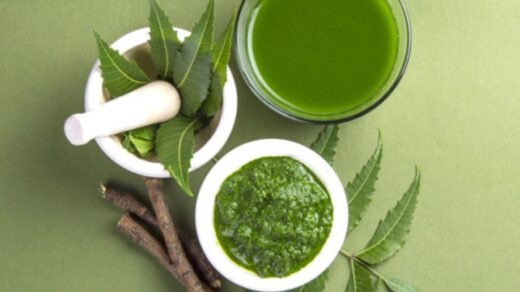
- Liver/Blood Cleansers: Herbs like Manjistha, Neem, Turmeric, Guduchi, Bhumyamalaki (personalized!).
- Digestive Stimulants: Ginger, Black Pepper, Pippali (Long Pepper) – used cautiously based on Dosha.
Swedana (Therapeutic Sweating): Using steam (e.g., sitting in a steam cabinet/tent, or simply a very warm bath/shower) after Abhyanga to further loosen and mobilize Ama. Contraindicated in high Pitta or certain conditions.
Mild Basti (Enema/Therapeutic Decoction): Considered the queen of Panchakarma for Vata. A gentle medicated enema (using herbal decoctions like Dashamoola tea or warm sesame oil) can be profoundly cleansing for the colon, the main seat of Vata. Crucial: This should ONLY be done under the direct guidance of a qualified Ayurvedic practitioner. Improper practice can be harmful.
Listening to Your Body: The Supreme Guide
This is non-negotiable. An Ayurvedic cleanse should leave you feeling progressively lighter, clearer, and more energized, though you may experience temporary detox symptoms (mild headache, fatigue, emotional release, changes in elimination). Warning signs to heed:
- Excessive weakness, dizziness, or lightheadedness.
- Severe nausea or vomiting.
- Intense, debilitating headaches.
- Extreme emotional distress or anxiety.
- Insomnia.
- Significant worsening of symptoms.
Note: If you experience any of these, STOP the core cleanse immediately. Return to the preparatory diet (cooked, light, easy-to-digest foods like soups and kitchari), hydrate well, rest, and seek guidance if needed. The cleanse should feel supportive, not punishing.
Final Cleanse (Paschat Karma – The After Actions)
This phase is arguably more critical than the cleanse itself. Your digestive system is now like a clean, sensitive slate. Reintroducing foods too quickly or carelessly can overwhelm Agni, recreate Ama, and negate all your hard work. Paschat Karma ensures benefits are sealed and integrated sustainably.
The Gradual Reintroduction Process (Typically 3-7 days minimum):
Days 1-2 Post-Cleanse: Continue eating Kitchari for most meals. Start introducing ONE simple, easily digestible new food at ONE meal per day. Excellent first choices:
- Well-cooked, non-starchy vegetables (e.g., steamed zucchini, carrots, green beans – start with small portions).
- Simple grains like quinoa or oats (plain, well-cooked).
Days 3-4: If the first foods are well-tolerated (no bloating, gas, indigestion, fatigue, mood shifts), you can introduce another simple food. Continue primarily Kitchari + these few additions. Maybe try:
- A small amount of well-cooked lentil soup (Dal).
- A little avocado.
- A different grain, like millet.
Days 5-7+: Slowly, methodically, continue adding one new food at a time, observing for 24-48 hours before adding another. Prioritize whole, unprocessed foods:
- Other cooked vegetables.
- Ripe, cooked fruits (e.g., stewed apples or pears).
- Small amounts of nuts/seeds (soaked and peeled almonds are good).
Hold Off (For Weeks/Months): Dairy (especially cheese, yogurt, cold milk), gluten-containing grains (wheat, barley, rye), eggs, red meat, pork, processed foods, sugar, caffeine, alcohol, raw salads/smoothies (introduce cautiously much later). These are the most common aggravators and should be reintroduced last and very mindfully, if at all.
Observing Reactions: Be a detective. Pay close attention to:
- Digestion (bloating, gas, pain, bowel movements)
- Energy levels
- Mental clarity and mood
- Skin condition
- Sleep quality
- Any new symptoms (headaches, congestion, etc.)
If a food causes a negative reaction, remove it immediately. You may have discovered a sensitivity.
Maintaining Key Habits: Don’t abandon the supportive routines! Continue as many as possible:
- Dinacharya: Wake early, tongue scrape, oil pull, Abhyanga (even if less frequent), gentle movement.
- Mindful Eating: Eat in a calm environment, chew thoroughly, stop before full.
- Warm, Cooked Foods: Continue to favor these as the basis of your diet.
- Hydration: Sip warm water/herbal teas.
- Regular Routine: Maintain consistent sleep and meal times.
Long-Term Integration: This is the true gift of the cleanse. Identify which aspects truly served you:
- Can you make Kitchari a weekly staple?
- Can you incorporate daily tongue scraping and oil pulling?
- Can you practice Abhyanga weekly?
- Can you commit to mindful eating?
- Can you minimize processed foods and sugar?
- Can you prioritize sleep and stress management?
Use the clarity gained during the cleanse to make conscious, sustainable choices that support your unique balance every day.
Benefits of an Ayurvedic Cleanse
When practiced correctly, an Ayurvedic cleanse offers profound and multidimensional benefits for both body and mind:
1. Sharpened Digestion & Elimination
An Ayurvedic cleanse helps reset your digestive system, reducing issues like bloating, gas, constipation, and heartburn. As digestion strengthens, bowel movements become regular and effortless. A balanced Agni (digestive fire) enhances nutrient absorption and toxin elimination, allowing the body to function more efficiently and with greater ease.
2. Increased Energy & Vitality
With toxins cleared and digestion optimized, many people experience a surge in natural, sustained energy. Chronic fatigue fades, replaced by a steady sense of vitality that lasts throughout the day. You’re less dependent on stimulants like caffeine, as your body’s prana (life force) begins to flow more freely, energizing you from within.
3. Enhanced Mental Clarity & Focus
Mental fog lifts as the mind becomes clearer and more focused. Cognitive functions such as memory, concentration, and decision-making improve. When digestion is balanced, the mind benefits too—promoting a more sattvic (pure and harmonious) mental state. You’ll find yourself more present and able to respond thoughtfully, rather than react impulsively.
4. Deeper, More Restful Sleep
Cleansing calms the nervous system and supports better sleep patterns. Many report falling asleep more easily, staying asleep longer, and waking up refreshed. As Vata dosha comes into balance, the body naturally shifts into deeper states of rest. Sleep becomes not just restful, but truly restorative.
5. Learner, Radiant Skin
Your skin reflects the state of your internal health. An Ayurvedic cleanse can reduce acne, rashes, dullness, and inflammation, revealing a natural, healthy glow. As Ama (toxins) are removed, the blood is purified and skin becomes clearer and brighter. Your complexion becomes a mirror of the harmony within.
6. Balanced Mood & Emotional Resilience
Emotional balance is one of the most cherished outcomes of an Ayurvedic cleanse. Anxiety, irritability, and overwhelm begin to subside, making way for calm, patience, and positivity. Just as physical toxins are eliminated, so too are emotional burdens. You’ll feel more grounded, stable, and connected to your emotional well-being.
7. Stronger Immunity
A well-functioning digestive and lymphatic system supports a resilient immune system. After cleansing, many people experience fewer colds and faster recovery times. As doshas return to balance and inflammation decreases, your body becomes more adaptable and resistant to seasonal and environmental stressors.
8. Heightened Sensory Awareness
One subtle but powerful benefit of cleansing is the awakening of your senses. Food tastes richer, smells are more vivid, and even sounds and colors seem more alive. This sensory clarity enhances your appreciation for the world around you, encouraging mindfulness in everyday experiences.
9. Reduced Inflammation
Inflammation often manifests as joint pain, stiffness, or general discomfort. Through a combination of anti-inflammatory herbs, a clean diet, and mindful lifestyle practices, an Ayurvedic cleanse helps soothe the tissues and calm systemic inflammation. You begin to feel lighter, more open, and physically at ease.
10. Natural Weight Balance
Weight regulation becomes a natural side effect rather than a forced goal. As Ama is reduced and metabolism improves, cravings diminish and appetite becomes more aligned with your body’s true needs. Rather than relying on willpower, you begin to listen to and trust your body’s wisdom.
11. Deeper Self-Connection
Ayurveda fosters a profound connection with the self. Cleansing creates the space to hear your body’s signals more clearly and to follow your intuition. As awareness grows, so does your ability to live in sync with your natural rhythms, cultivating trust in your body as a guide for balance and healing.
12. Renewed Appreciation for Simplicity & Nourishment
An Ayurvedic cleanse helps shift your perspective from consumption to conscious nourishment. You begin to savor simplicity—in food, routine, and daily life. Meals become sacred, routines feel grounding, and a deep sense of gratitude for the basics naturally arises. You remember that less can truly be more.
Important Considerations & Safety
While profoundly beneficial, an Ayurvedic cleanse is a significant undertaking. Safety and appropriateness are paramount:
Personalization is Non-Negotiable: This article provides a general framework. The ideal approach is designed for YOU by a qualified Ayurvedic practitioner. They will assess your Prakriti, Vikriti, Agni strength, any health conditions, and current life circumstances to determine the appropriate type, duration, and intensity of cleanse, including herbs and therapies.
Who Should Avoid
Exercise Extreme Caution (Consult Doctor AND Ayurvedic Practitioner First):
- Pregnancy and breastfeeding.
- Children and the very elderly/frail.
- Acute illness, fever, infection, or severe weakness/debility.
Significant chronic health conditions:
- Diabetes (blood sugar management is crucial)
- Heart disease
- Autoimmune disorders (e.g., Lupus, Rheumatoid Arthritis, MS)
- Inflammatory Bowel Disease (IBD – Crohn’s, Ulcerative Colitis)
- Cancer (current or history)
- Severe kidney or liver disease
- Eating disorders (anorexia, bulimia)
- Severe anemia
Significant Vata imbalance (anxiety, insomnia, underweight) – requires a very gentle, nourishing approach, often supervised.
- Recent surgery or significant medical procedures.
Listen to Your Body Relentlessly: It is your ultimate authority. If something doesn’t feel right, stop or modify. This is not about pushing through pain or discomfort.
Hydration & Rest are Essential: Never compromise on these during any phase.
It’s a Reset, Not a Cure-All: Address the cleanse as a powerful tool to jumpstart healthier habits and gain clarity, not as a magic bullet for deep-seated chronic issues requiring ongoing management.
Quality Matters: Use organic foods, pure ghee, filtered water, and high-quality herbs/oils whenever possible.
An Ayurvedic cleanse is far more than a dietary protocol; it’s an invitation to return to balance, vitality, and your essential nature. It’s a journey guided by the timeless wisdom of Ayurveda, emphasizing the removal of accumulated waste (Ama) and the rekindling of your vital digestive fire (Agni), all within the context of your unique Doshic blueprint.