
How to Treat Pimples and Scars with Ayurveda

For so many of us, the journey to clear skin can feel like an endless loop of hope and letdown. We spend a lot—on creams, serums, facials—only to get short-term relief before the next breakout shows up. That’s often because most modern skincare treats the surface issue—the pimple—without addressing what’s really going on underneath.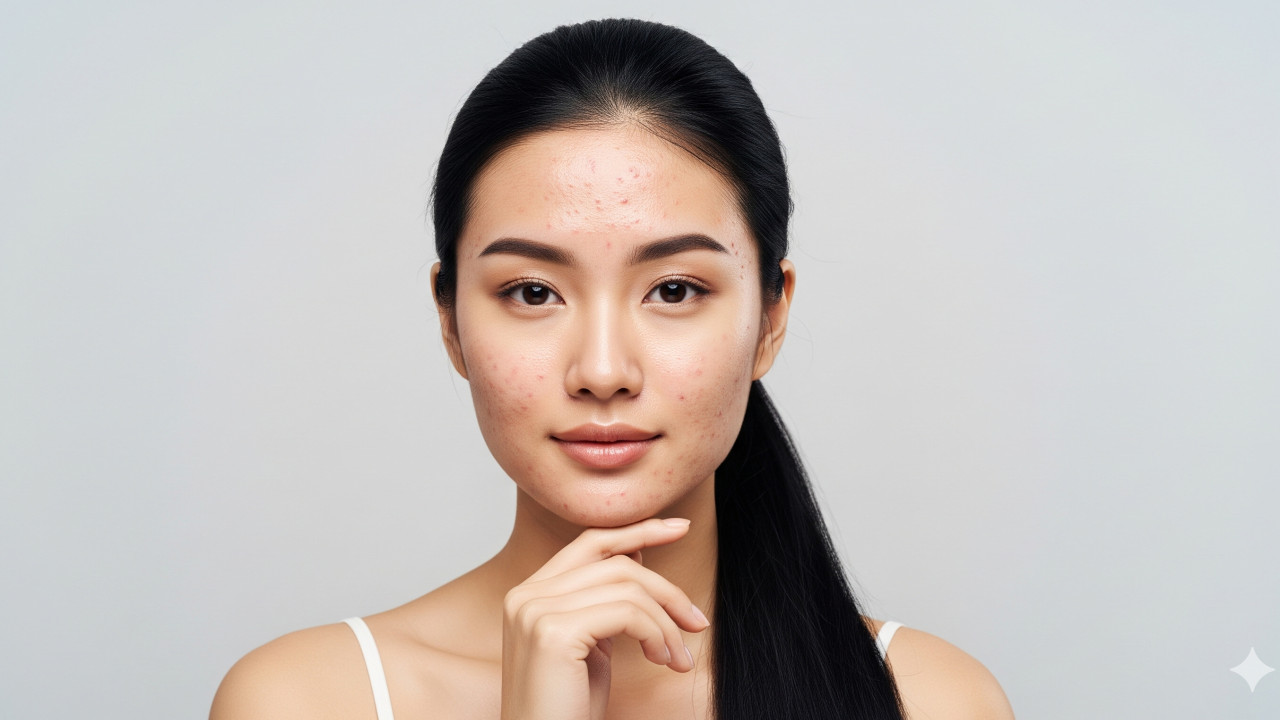 Ayurveda, the ancient healing system from India, takes a completely different approach. It sees the skin not just as something external, but as a mirror of your inner health. A breakout isn’t just a clogged pore—it’s your body’s way of signaling that something inside is out of balance, whether it’s digestion, toxins, or internal heat.
In this guide, we’ll go deeper. You’ll learn how to understand what your skin is trying to tell you—and how to work with your body, not against it. Using Ayurvedic principles, we’ll explore how to treat acne at its root, support long-term healing, and uncover the naturally healthy, glowing skin that’s already within you.
Ayurvedic View: The Root Causes of Acne and Skin Disorders
In Ayurveda, true health is a state of balance between the three fundamental biological energies known as doshas: Vata (Air & Space), Pitta (Fire & Water), and Kapha (Earth & Water). Every individual has a unique proportion of these three doshas, which defines their constitution (Prakriti). Imbalance (Vikriti) in these doshas is the root cause of disease, including skin disorders.
The skin is directly linked to the body’s largest detoxification organ—the digestive system. The strength of your digestive fire, or Agni, is paramount. When Agni is strong, food is digested completely, nourishing your tissues (dhatus) and leaving no waste. When Agni is weak, due to poor diet, stress, or lifestyle choices, food is not processed properly. It creates a sticky, toxic residue known as Ama.
Ama circulates throughout the body, clogging channels (srotas), including the micro-channels that supply the skin with nutrients and carry away waste. When this toxic waste, combined with a doshic imbalance, rises to the surface, it manifests as redness, inflammation, pus, and oiliness—what we commonly call acne.
Therefore, the Ayurvedic approach is twofold:
- Nidana Parivarjana: Remove the root cause of the imbalance (diet and lifestyle).
- Shodhana & Shamana: Purify the body of toxins and pacify the aggravated doshas using herbs, diet, and rituals.
Diagnosing Your Imbalance: The Dosha of Your Acne
The first step to healing is understanding your unique imbalance. Acne manifests differently based on the predominant dosha involved.
1. Pitta-Type Acne: The Fire Inflammation
Characteristics:
- Appearance: Red, inflamed, angry-looking pimples. Often with a yellow, pus-filled head. The surrounding skin is typically red and warm to the touch.
- Location: Predominantly on the cheeks, nose, forehead, and back—areas where Pitta is concentrated. Also common along the jawline due to hormonal influence (Pitta governs hormones).
- Sensations: Burning sensation, tenderness, and pain.
Root Cause: Excess internal heat (Pitta aggravation). This can be caused by a diet high in spicy, oily, fried, sour, or salty foods; excessive caffeine or alcohol; emotional stress, anger, and frustration; and hormonal fluctuations. Pitta-type acne often worsens in hot summer weather.
2. Kapha-Type Acne: The Congestion
Characteristics:
- Appearance: Large, cystic, and deep pimples that are often painful but not always visibly inflamed. Many blackheads and whiteheads. The skin is typically very oily, thick, and pale.
- Location: Chin, jawline, and the T-zone (forehead and nose), where Kapha is dominant.
- Sensations: Dull ache, heaviness, and a feeling of congestion under the skin.
Root Cause: Excess Kapha leads to sluggish digestion, fluid retention, and accumulation of heavy, sticky toxins. This is exacerbated by a diet high in dairy, sugar, processed foods, fried goods, and cold drinks. Lack of exercise and sedentary habits are major contributors.
3. Vata-Type Acnic: The Stress & Dryness
Characteristics:
- Appearance: Small, blackheads that are widespread. The skin is typically dry, thin, and flaky, with occasional deep, painful pimples that are hard and feel “underground.” Scars from past breakouts may be more evident.
- Location: Cheeks, hairline, and eyebrows.
- Sensations: Itchiness, extreme dryness, and sharp pain from deep pimples.
Root Cause: Vata imbalance is triggered by stress, anxiety, irregular routines, insufficient sleep, and a diet of dry, cold, or raw foods. The dryness causes the skin to produce oil erratically, leading to clogged pores.
Most people have a combination, like Pitta-Kapha (oily, inflamed skin with blackheads) or Vata-Pitta (dry, sensitive skin that is prone to redness and inflammation). Observe your skin closely to identify your primary pattern.
The Internal Purification: Healing from Within
This is the most critical part of the Ayurvedic protocol. Lasting change is impossible without addressing the internal environment.
1. The Ayurvedic Anti-Acne Diet (Ahar)
The goal is to balance Agni (digestion), reduce Ama (toxins), and pacify your aggravated dosha.
General Guidelines for All Types:
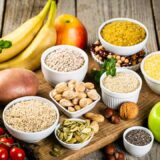
- Eat Warm, Cooked Foods: Easier to digest than cold, raw foods.
- Favor Whole Foods: Choose fresh, organic vegetables, fruits, whole grains, and legumes.
- Stay Hydrated: Sip warm water throughout the day. This is the simplest way to flush out toxins.
Avoid the Triggers: Dramatically reduce or eliminate:
- Processed, packaged, and canned foods
- Refined sugar and artificial sweeteners
- Excessive caffeine and alcohol
- Leftover and microwaved foods
2. Dosha-Specific Dietary Advice
1. To Pacify Pitta (Cool the Fire):
- Embrace: Sweet, bitter, and astringent tastes. Favor cooling foods like cucumber, zucchini, leafy greens (especially kale and spinach), coconut, sweet fruits (mangoes, pears, melons), and coriander.
- Avoid: Spicy, sour, and salty foods. Reduce tomatoes, chili peppers, garlic, onions, fermented foods, and sour citrus like lemons and grapefruit. Opt for cooling spices like fennel, coriander, and cardamom.
2. To Pacify Kapha (Reduce Congestion):
- Embrace: Light, warm, and dry foods with pungent, bitter, and astringent tastes. Enjoy steamed vegetables, apples, pears, legumes, quinoa, millet, and plenty of spices like ginger, black pepper, turmeric, and cinnamon.
- Avoid: Heavy, oily, and cold foods. Significantly reduce or eliminate dairy, wheat, sugar, fried foods, and processed meats. Avoid sweet, sour, and salty tastes.
3. To Pacify Vata (Nourish and Ground):
- Embrace: Warm, moist, and slightly oily foods with sweet, sour, and salty tastes. Cooked oats, rice, steamed veggies, ripe bananas, avocados, nuts (soaked), and healthy fats like ghee and sesame oil are excellent.
- Avoid: Dry, cold, and raw foods. Reduce raw salads, crackers, cold drinks, and excessive caffeine. Favor warming spices like ginger, cumin, and cinnamon.
Lifestyle Practices (Vihar) for Balanced Skin
1. Stress Management is Non-Negotiable: Stress raises cortisol, which inflames the skin and disrupts hormones.
- Yoga: Practice calming poses like Child’s Pose (Balasana), Forward Bends (Uttanasana), and gentle twists.
- Pranayama (Breathwork): Sheetali Pranayama (cooling breath) is miraculous for Pitta. Nadi Shodhana (alternate nostril breathing) balances all doshas and calms the mind.
- Meditation: Even 10 minutes a day can dramatically lower stress levels.
2. Prioritize Sleep: Aim for 7-8 hours of quality sleep, going to bed before 10 PM. This is crucial for Pitta balance, as the body detoxifies and repairs itself during sleep.
3. Move Your Body: Regular exercise improves circulation, boosts digestion, and reduces stress. Choose exercises that suit your dosha: cooling swims for Pitta, invigorating runs for Kapha, and gentle walks or yoga for Vata.
The External Healing: Topical Treatments and Rituals
Once you’ve begun to address the internal landscape, you can support the healing process with these powerful topical treatments. The key is consistency and using fresh, natural ingredients.
The Ayurvedic Skincare Ritual (Dinacharya)
1. Cleansing (Pratisarana): Avoid harsh, chemical-laden foaming cleansers that strip the skin’s natural oils. Instead, use gentle, natural powders mixed with water, rose water, or milk.
- For All Types: Besan (gram flour) is a superb, gentle cleanser that absorbs excess oil without overdrying.
- For Pitta/Vata: A paste of oatmeal or chickpea flour with a teaspoon of milk and a pinch of turmeric. Soothing and nourishing.
- For Kapha: A paste of masoor dal (red lentil) flour with a bit of neem powder and water. Excellent for cutting through oil.
2. Steaming (Swedana): Steaming once a week helps open pores and allows for deep cleansing. Caution: Those with intensely inflamed, red Pitta acne should avoid steaming as heat can aggravate it.
- How-to: Boil water, pour into a bowl, and add a handful of fresh herbs. Drape a towel over your head and steam your face for 5-7 minutes.
- Herbal Additions: Neem leaves (antibacterial), Tulsi (holy basil, purifying), or Rose petals (cooling).
3. Exfoliating (Udvartana): Exfoliate 1-2 times a week to remove dead skin cells and prevent clogged pores. Be extremely gentle—never scrub inflamed skin.
- Simple Scrub: Mix chickpea flour with a bit of raw milk or rose water into a paste.
- Healing Scrub: Mix 1 tsp sandalwood powder, ½ tsp turmeric, and 1 tsp of raw honey. Gently massage in circular motions and rinse.
4. Masking (Lepa) – The Heart of Treatment: This is where Ayurvedic herbs shine. Apply masks 2-3 times a week.
For Active, Inflamed Pimples (Pitta/Kapha):
- Neem & Turmeric Mask: 1 tsp neem powder, ½ tsp turmeric, mixed with rose water. Neem is a powerful blood purifier and antibacterial, while turmeric reduces inflammation.
- Sandalwood & Rose Mask: 1 tsp sandalwood powder, 1 tsp rose powder, mixed with rose water or aloe vera gel. Deeply cooling and soothing for red, angry skin.
For Healing, Scars, and Dryness (Vata/Pitta):
- Aloe Vera & Honey: Pure aloe vera gel mixed with a teaspoon of raw honey. Incredibly healing, moisturizing, and antibacterial.
- Saffron & Milk: Soak 2-3 strands of saffron in a tablespoon of raw milk for 30 minutes. Apply all over the face. Brilliant for brightening scars and nourishing the skin.
Moisturizing (Snehana): The myth that oily skin doesn’t need moisture is detrimental. You must balance the skin with appropriate oils.
- For Vata/Vata-Pitta: Organic, cold-pressed coconut oil is light and cooling.
- For Kapha/Kapha-Pitta: Jojoba oil most closely resembles the skin’s natural sebum and can help regulate oil production.
- The Royal Oil: Kumkumadi Tailam: This legendary blend of saffron and other herbs is a miracle worker for all skin types, especially for healing scars and hyperpigmentation. A few drops patted onto damp skin at night can transform your complexion.
Spot Treatment: For an emerging pimple, make a thick paste of turmeric and water or neem and water and apply directly. Its anti-inflammatory properties can often calm it down overnight.
Herbal Support: The Internal Warriors
While diet is primary, herbs can provide powerful targeted support. It is always best to consult an Ayurvedic practitioner for personalized formulas and dosages.
1. Blood Purifiers & Coolants (Raktashodhak)
These are essential for clearing the toxins causing inflammation.
- Manjistha: The premier herb for clear skin. It purifies the blood, clears stagnation, and is brilliant for healing pigmentation and scars. Often taken as a powder mixed with warm water.
- Neem: The most well-known Ayurvedic herb for skin disorders. It is a potent antibacterial, antifungal, and blood purifier. Bitter to taste, it is highly effective for Pitta and Kapha acne.
- Guduchi (Giloy): A powerful immunomodulator and detoxifier that helps the body eliminate Ama and reduces inflammation.
2. Digestive Support
- Triphala: A blend of three fruits (Amalaki, Bibhitaki, Haritaki). This is not a laxative but a digestive rejuvenator. Taken at night, it gently cleanses the digestive tract, improves elimination, and over time, purifies the entire system. It is suitable for all doshas.
- Ginger & Fennel: Chew a thin slice of fresh ginger with a pinch of rock salt before meals to ignite Agni. Sipping on fennel tea after meals aids digestion and prevents gas.
Treating Scars and Hyperpigmentation: Once active breakouts are under control, the focus shifts to healing the remnants: scars and dark spots.
Understanding Scarring:
- Post-Inflammatory Hyperpigmentation (PIH): Flat spots of pink, red, or brown discoloration left after a pimple heals. This is an excess of melanin and is treatable with consistent care.
- Atrophic Scars: Indentations or pits in the skin caused by the loss of collagen during the inflammatory process. These are more challenging and require deep nourishment and collagen stimulation.
3. Topical Applications for Scars
- Kumkumadi Tailam: This is your most powerful ally. Massage 4-5 drops into damp skin every night. Saffron, the primary ingredient, is renowned for its skin-lightening and rejuvenating properties. It evens out skin tone, reduces dark spots, and improves skin texture over time.
- Aloe Vera Gel: Pure, fresh aloe vera gel is packed with vitamins, minerals, and antioxidants that promote healing and regeneration. Apply daily.
- Honey & Lemon Mask: Raw honey moisturizes and heals, while lemon juice has natural bleaching properties. Use with caution: Lemon juice can be photosensitizing, so only use this mask in the evening and avoid if you have active breakouts or very sensitive skin.
- Regular Facial Massage (Abhyanga): A gentle, daily 5-minute massage with your chosen oil (e.g., Kumkumadi) increases blood flow to the area, bringing oxygen and nutrients to the skin cells, which helps break down scar tissue and promote healing.
Internal Support: Continue taking Manjistha to keep the blood clean and support the fading of pigmentation from within. A diet rich in Vitamin C (amla/Indian gooseberry is a great Ayurvedic source) is essential for collagen production.
Sample Regimens & Crucial Precautions
Sample Weekly Regimen for Pitta-Type Skin
- AM: Cleanse with oatmeal powder + milk. Pat on Kumkumadi oil mixed with a drop of aloe vera gel.
- PM: Cleanse with besan + rose water. Steam with rose petals (once a week). Apply sandalwood + rose mask (2-3 times a week). On other nights, massage in Kumkumadi oil.
- Internal: Take ½ tsp Manjistha with warm water twice daily. Sip on fennel or cumin-coriander-fennel (CCF) tea throughout the day.
Important Precautions
- Patience and Consistency: Ayurveda is not a quick fix. It is a journey of rebalancing your body. Commit to the practices for at least 3 months to see significant, lasting results.
- Consult a Professional: If your acne is severe, cystic, or causing you significant distress, please seek guidance. A qualified Ayurvedic doctor can provide a personalized plan (chikitsa), and it is always wise to rule out underlying medical conditions with a dermatologist.
- Patch Test: Always test new herbs or oils on a small area of your inner arm for 24 hours to check for any adverse reaction.
- Quality Matters: Source your herbs and oils from reputable companies that offer organic, pure products.
- Be Kind to Yourself: Stress is a major trigger. This journey is about healing, not perfection. Celebrate small victories and be compassionate with yourself.
True healing begins from within. Ayurveda teaches us that acne is not just a surface issue—it’s a reflection of deeper imbalances in the body, especially within our doshas and digestive fire (Agni). By understanding your unique constitution and identifying the type of acne you experience, you can take personalized steps to restore balance.

















Unfortunately, as many teens will testify, acne is one of the most common and troubling skin conditions that you face during adolescence.