
Cure All Types of Headache Naturally & Fast with Ayurveda

In today’s world, quick fixes and painkillers are often the first response to headaches. Ayurveda, however, teaches us to slow down and listen to our bodies, focusing on balance and root causes rather than just masking discomfort temporarily.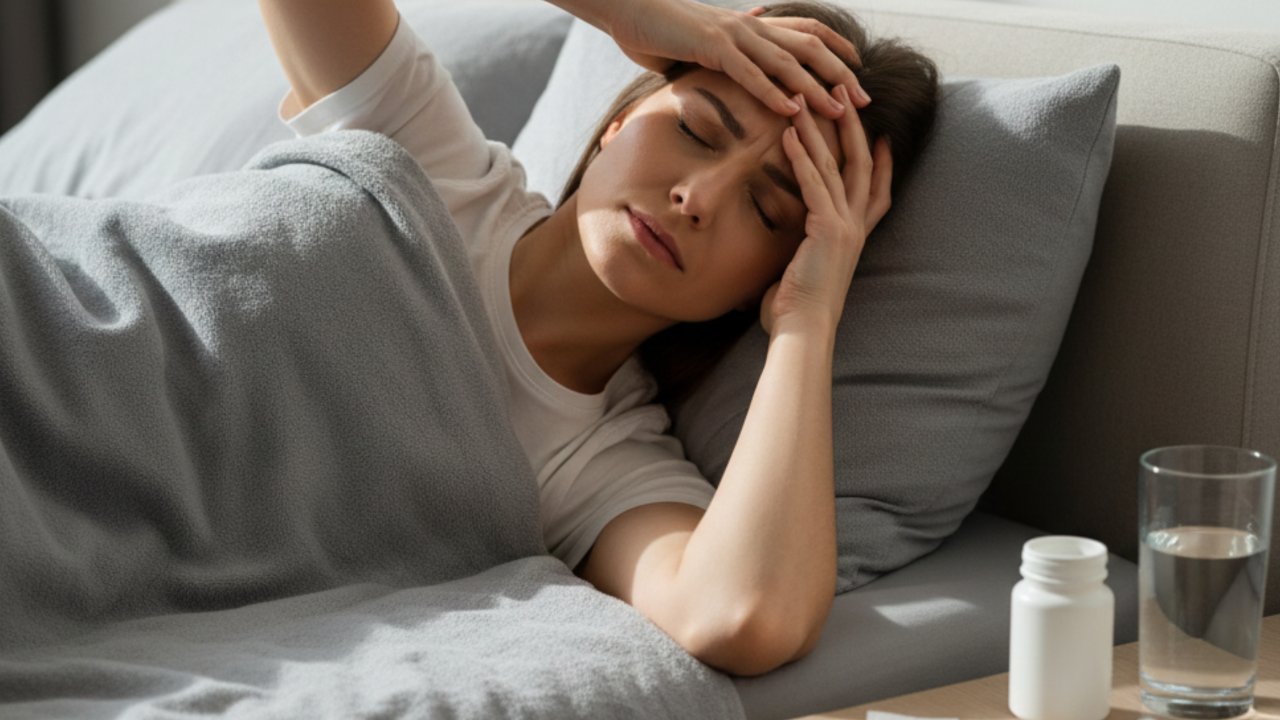 Headaches, in Ayurvedic understanding, are signals of deeper imbalances. They can arise from stress, poor diet, irregular routines, or emotional strain. By paying attention to these signs, Ayurveda guides us toward natural, lasting solutions instead of quick, short-term relief.
Treatment in Ayurveda is highly personalized. Through herbs, gentle therapies, breathing exercises, and lifestyle changes, it addresses the root of the problem. Each approach is tailored to the individual’s body type, promoting healing without harmful side effects or dependency.
Following Ayurvedic principles transforms more than just pain management. Mindful eating, regular routines, and stress reduction restore energy, clarity, and overall wellness. By treating the source of imbalance, Ayurveda helps maintain long-term health, vitality, and harmony in everyday life.
Understanding Doshas: The Ayurvedic Path to Health
To understand headaches in Ayurveda, one must first grasp its foundational framework. Ayurveda teaches that the universe, and thus the human body, is composed of five fundamental elements:
Space (Akasha), Air (Vayu), Fire (Agni), Water (Jala), and Earth (Prithvi). These combine to form three primary biological energies or humors, known as the Doshas: Vata, Pitta, and Kapha.
- Vata (Air + Space): The principle of movement. It governs breathing, circulation, nerve impulses, and all rhythmic motions in the body. When balanced, it promotes creativity and vitality. When imbalanced, it leads to dryness, anxiety, constipation, and erratic pain.
- Pitta (Fire + Water): The principle of transformation. It governs digestion, metabolism, hormone regulation, and body temperature. Balanced Pitta manifests as intelligence and courage. Imbalanced, it causes inflammation, acidity, anger, and burning sensations.
- Kapha (Water + Earth): The principle of structure and lubrication. It provides physical form, stability, strength, and immune function. In balance, it expresses as love and calm. Imbalance leads to congestion, heaviness, lethargy, and attachment.
Every individual possesses a unique constitution (Prakriti), a natural balance of these three doshas established at conception. Health, according to Ayurveda, is the dynamic state where one’s Prakriti is in harmony.
Disease, including headaches, arises when one or more doshas become vitiated (Vikriti) due to improper diet, lifestyle, stress, or environmental factors, leading to the accumulation of toxins (Ama).
Shiro Roga: Ayurveda’s Insight into Headaches
In Ayurvedic texts, headache is referred to as ‘Shiro Roga’ (Shira = Head, Roga = Disease). It is critically understood not as a singular disorder, but as a manifestation of various pathologies affecting the head, which is considered the seat of all senses and the intellect.
The ancient sage Sushruta describes headaches arising from multiple pathways: the vitiated doshas can travel through the blood vessels (Sira) or channels (Srotas) to lodge in the head region, causing pain, pressure, and dysfunction.
The classical texts, primarily the Charaka Samhita and Sushruta Samhita, meticulously classify headaches. While some sources mention 11 primary types, others elaborate on up to 28, based on the predominant dosha, the tissues involved, and the specific location and quality of pain. The most common clinical categorization aligns with the doshic model:
11 Primary Types of Shiroroga (Headaches) in Ayurveda
Below are the 11 primary types of Shiroroga, or headaches, as described in Ayurveda.
Each type has unique causes, symptoms, and treatments according to Ayurvedic principles
1. Vataja Shiroroga: Caused by aggravated Vata. Pain is throbbing, intermittent, cutting, or splitting in nature, often localized in the occipital region or moving rapidly. Associated with constipation, insomnia, anxiety, tinnitus, and dryness of the scalp. Aggravated by cold wind, excessive travel, irregular routine, and worry.
2. Pittaja Shiroroga: Caused by aggravated Pitta. Pain is intense, burning, piercing, or migraine-like, often felt in the temporal or frontal regions (around the eyes). Accompanied by photophobia, nausea, a feeling of heat in the head, redness in the eyes, and acidity. Aggravated by sun exposure, hot weather, spicy foods, and anger.
3. Kaphaja Shiroroga: Caused by aggravated Kapha. Pain is dull, heavy, constant, and congestive, typically felt in the frontal sinuses or crown of the head. Accompanied by nasal congestion, sinus pressure, excessive salivation, lethargy, and a feeling of cold. Aggravated by cold, damp weather, daytime sleep, and heavy, oily foods.
4. Tridoshaja Shiroroga: A complex condition caused by the simultaneous aggravation of all three doshas. Symptoms are mixed and severe, involving all the qualities mentioned above.
5. Raktaja Shiroroga (Blood-borne): Related to impurities in the blood (Rakta Dushti). Pain is often accompanied by a sensation of head fullness, flushing, and skin conditions. Linked to hypertension, liver disorders, and certain inflammatory conditions.
6. Kshayaja Shiroroga (Due to Depletion): Caused by depletion of tissues (Dhatu Kshaya), often from chronic illness, excessive bleeding, or mental exhaustion. Pain is associated with debility, dizziness, and emptiness.
7. Suryavarta Shiroroga (Sun-related): A classic description resembling modern-day migraines. Pain typically begins at sunrise, intensifies with the sun, peaks at noon, and subsides by sunset. Pitta and Vata are deeply involved.
8. Anantavaata Shiroroga: Described as severe pain along the nerves, possibly related to conditions like trigeminal neuralgia. Vata dosha is the primary culprit.
9. Krimija Shiroroga (Parasitic/Worm-induced): A rare type believed to be caused by parasitic infections, leading to intense, localized pain.
10. Ardhavabhedaka Shiroroga (Hemicrania): Literally “half-head splitting.” This is a precise description of a migraine, characterized by severe, debilitating pain on one side of the head. Vata and Pitta are key players.
11. Shankhaka Shiroroga (Temporal Pain): Pain is concentrated in the temporal regions (Shankha), often described as a tightening band. It closely mirrors tension-type headaches.
Furthermore, Ayurveda astutely recognizes that headaches can be secondary symptoms of other systemic issues, such as fever (Jwara), sinusitis (Peenasa), eye strain, dental problems, cervical spondylosis (Manyastambha), anemia (Pandu), and psychological factors like stress and unresolved emotions.
Ayurvedic Treatment for Headaches: Natural Relief That Works
Ayurvedic treatment (Chikitsa) for headaches is never monolithic. It is a sophisticated, staged process designed to first pacify the acute symptoms and then eliminate the root cause to prevent recurrence. The cornerstone is Nidana Parivarjana—avoidance of the causative factors.
1. Purification Therapies (Shodhana Chikitsa)
For chronic, severe headaches, Panchakarma—the five-fold detoxification therapy—is the gold standard. It is conducted under strict supervision and includes:
1. Nasya (Nasal Administration): The most critical therapy for Shiro Roga. Medicated oils or herbal powders (like Anu Taila or Shadbindu Taila) are administered into the nostrils. This clears the sinuses, pacifies aggravated Pranavata (governing the head), and directly nourishes the brain. Ideal for sinus (Kapha), migraine (Vata/Pitta), and tension headaches.
2. Shirodhara: A continuous stream of warm, medicated oil (or buttermilk for Pitta) is poured onto the forehead for 30-60 minutes. This induces a profound state of relaxation, balancing the nervous system and pacifying Vata and Pitta. Exceptionally effective for stress-related, tension, and migraine headaches.
3. Shiro Abhyanga & Murdha Taila: Scalp massage with specific oils (like Brahmi or Bhringaraj oil for Pitta/Vata; Sesame for Vata) followed by a warm towel wrap. It improves circulation, relieves muscle tension, and promotes sound sleep.
4. Virechana (Therapeutic Purgation): For Pitta-dominant headaches with symptoms like acidity, nausea, and burning eyes, a medicated purgative clears excess Pitta and toxins from the gastrointestinal tract.
5. Basti (Medicated Enema): Considered the prime treatment for Vata disorders. Herbal decoction and oil enemas pacify systemic Vata, which is often the underlying force carrying the imbalance upward to the head.
2. Palliative Therapies (Shamana Chikitsa) & Herbal Formulations
This involves the use of internal herbs, diets, and lifestyle routines to pacify the doshas without aggressive purification.
Herbs for Headache Relief:
1. For Vata Headaches:
- Ashwagandha (Withania somnifera): A potent adaptogen that calms the nervous system, reduces anxiety, and strengthens Ojas (vitality).
- Bala (Sida cordifolia): Nourishes the nervous tissue and muscles, relieving pain caused by depletion or strain.
- Dashamoola (Ten Roots): A classic compound for mitigating Vata, excellent for pain, inflammation, and stress.
- Formulations: Mahavatavidhwansana Rasa, Shirashooladi Vajra Rasa, Brahmi Vati.
2. For Pitta Headaches:
- Amla (Emblica officinalis): The premier rejuvenative (Rasayana) for Pitta, cooling and rich in Vitamin C.
- Brahmi (Bacopa monnieri): Cools the mind, enhances mental clarity, and reduces inflammatory heat.
- Shatavari (Asparagus racemosus): Nourishes and cools the neuro-endocrine system, particularly beneficial for hormonal headaches in women.
- Guduchi (Tinospora cordifolia): Detoxifies the blood and liver, reducing systemic Pitta.
- Formulations: Sutshekhar Rasa, Prachanna Sharangdhara, Amla Juice or Powder.
For Kapha Headaches:
- Pippali (Long Pepper): Clears sinus congestion and improves digestion without aggravating Pitta.
- Vacha (Acorus calamus): Clears channels, stimulates the mind, and reduces heaviness.
- Trikatu (Three Spices – Ginger, Black Pepper, Long Pepper): A powerful combination to ignite digestive fire (Agni) and dispel congestion.
- Formulations: Sitopaladi Churna, Talisadi Churna, Gajakesari Rasa.
Universal Headache Relievers:
- Ginger (Adrak): A powerful analgesic and anti-inflammatory. Juice applied to the temples or consumed with honey.
- Clove (Laung): Its analgesic and cooling properties soothe nerve pain. A paste with rock salt applied to the forehead or chewing a clove can offer quick relief.
- Coriander Seeds (Dhania): Soaking seeds overnight and drinking the water in the morning is an excellent cooling remedy for Pitta headaches.
- Peppermint Oil: While not classical Ayurveda, its Menthol effect aligns with Ayurvedic principles for cooling and clearing sinus congestion.
Diet and Lifestyle (Ahara & Vihara) for Headache Relief
Ayurveda asserts that healing begins at the dining table and in daily routine. This is where true, lasting balance is cultivated.
1. Dietary Guidelines (Ahar) for Headache Prevention:
- General Rule: Favor foods opposite in quality to the aggravated dosha.
- For Vata: Warm, moist, grounding foods. Regular meals. Favor cooked vegetables, whole grains like rice and oats, healthy fats (ghee, sesame oil), and sweet, sour, salty tastes. Avoid cold salads, dry crackers, and excessive raw foods.
- For Pitta: Cooling, slightly dry, and bitter foods. Favor sweet fruits (mango, coconut), leafy greens, basmati rice, and dairy (in moderation). Avoid spicy, sour, salty foods (chili, vinegar, chips), fermented foods, and excessive caffeine or alcohol.
- For Kapha: Light, warm, and stimulating foods. Favor steamed vegetables, legumes, millets like barley, and pungent, bitter, astringent tastes (ginger, leafy greens). Avoid cold, heavy, oily, and overly sweet foods (ice cream, fried food, excess wheat).
- Universal Tips: Eat your largest meal at noon when digestive fire is strongest. Sip warm water throughout the day. Never eat when stressed or on-the-go. Incorporate digestion-supporting spices like cumin, fennel, and turmeric.
2. Lifestyle Adjustments (Vihar) for a Balanced Head:
- Dinacharya (Daily Routine): Wake up before sunrise. Perform Abhyanga (self-massage) with appropriate oil. Practice Nasya with a drop of ghee or sesame oil. Engage in gentle exercise like yoga (avoid intense exertion during a headache).
- Yoga & Pranayama: Specific asanas alleviate headaches: Child’s Pose (Balasana), Forward Bends, Legs-Up-The-Wall (Viparita Karani). Pranayama is vital: Nadi Shodhana (alternate nostril breathing) balances the hemispheres; Sheetali (cooling breath) pacifies Pitta.
- Sleep (Nidra): Prioritize sleeping by 10 PM. Ensure 7-8 hours of quality sleep in a dark, cool room. Sleep is the primary healer for Vata and Pitta imbalances.
- Stress Management: Practice mindfulness, meditation (Dhyana), and spend time in nature. Cultivate Sattva—purity and clarity of mind—through reading, uplifting music, and positive company.
3. Integrating Ayurveda for Modern Headache Types
- Migraine (Ardhavabhedaka/Suryavarta): Focus on strict Pitta-pacifying diet, avoid triggers (aged cheese, wine, MSG). Regular Shirodhara and Nasya are transformative. Herbs: Brahmi, Guduchi.
- Tension Headache (Shankhaka/Vataja): Prioritize Vata-pacifying routine: regular meals, warm oil massages, grounding practices. Yoga for neck and shoulders. Herbs: Ashwagandha, Bala.
- Sinus Headache (Kaphaja): Avoid dairy and cold drinks. Use steam inhalation with eucalyptus or turmeric. Nasya with Anu Taila is paramount. Herbs: Pippali, Trikatu.
- Cluster Headache: Considered a severe Tridoshaja imbalance, requiring professional Panchakarma. Focus on deep detoxification and nervous system rehabilitation.
- Hormonal Headache: Balance Pitta and support the female reproductive system (Artava Dhatu) with Shatavari, Aloe Vera juice, and cooling diets.
Important Cautions
While Ayurveda offers profound natural solutions, it is crucial to seek guidance from a qualified Ayurvedic practitioner (Vaidya). They will provide an accurate constitutional and doshic diagnosis. Never self-prescribe strong herbal formulations or Panchakarma. Certain sudden, severe headaches could indicate a medical emergency (e.g., stroke, aneurysm) requiring immediate allopathic intervention.
FAQ,s
1. What are the best Ayurvedic remedies for headaches?
Ayurveda recommends herbs like Brahmi, Ashwagandha, Ginger, and Shatavari. Combined with oils for head massage (Abhyanga) and therapies like Shirodhara, these remedies help reduce pain naturally and restore balance.
2. How quickly can Ayurveda cure a headache?
Relief depends on headache type and dosha imbalance. Acute headaches may ease within hours using therapies and herbs, while chronic or recurring headaches require consistent lifestyle changes and treatment for long-term results.
3. Which herbs are effective for headache relief in Ayurveda?
Commonly used herbs include Brahmi (calms the nervous system), Ashwagandha (reduces stress), Ginger (anti-inflammatory), Licorice, and Tulsi. Herbal teas, powders, or oils are often used depending on headache type.
4. Can Ayurveda permanently cure migraines?
Ayurveda focuses on treating the root cause of migraines—stress, digestion issues, or dosha imbalance. While permanent elimination depends on lifestyle adherence, Ayurveda can significantly reduce frequency and severity naturally.
5. What foods should you avoid to prevent headaches in Ayurveda?
Avoid processed foods, excessive caffeine, fried foods, and cold dairy if prone to headaches. Instead, eat fresh, warm, easy-to-digest meals suited to your dosha to maintain balance.
6. How does Ayurveda treat different types of headaches?
Treatment varies by dosha:
- Vata headache: warm oil massage, relaxation, grounding foods
- Pitta headache: cooling herbs, avoid spicy foods, calm environment
- Kapha headache: light meals, gentle stimulation, detox therapies
7. Is Nasya therapy effective for headache relief?
Yes, Nasya therapy involves applying herbal oils or powders through the nose. It clears sinus congestion, balances doshas, and provides fast relief, especially for headaches related to sinus issues or Vata imbalance.
8. Can Ayurveda help migraine and cluster headaches?
Yes, Ayurveda addresses both chronic and severe headaches with herbal remedies, lifestyle adjustments, and therapies. It reduces recurrence, controls triggers, and strengthens the body’s natural resilience.
9. What lifestyle changes help prevent headaches in Ayurveda?
Key practices include: regular sleep, stress management, mindful eating, hydration, yoga, and meditation. Avoiding triggers and following a dosha-specific routine helps prevent headaches naturally.
10. Are Ayurvedic remedies safe to use daily for headaches?
Yes, when used correctly and according to dosha type, Ayurvedic herbs and therapies are generally safe for daily use. Consulting an Ayurvedic practitioner ensures correct dosages and combinations for individual needs.
Ayurveda offers a natural and effective way to treat all types of headaches by addressing their root causes. With personalized remedies, lifestyle changes, and herbal therapies, it provides fast relief while promoting long-term health and balance.
References
- Pilot clinical trial — Agnikarma + Pathyadi decoction for migraine (Ardhavabhedaka)
Brinda Kanakhara & Varsha Chaudhari (2018) — A clinical study showing significant relief in migraine symptoms with Ayurvedic treatments. PubMed / PMC link:(1) - Case report — Ayurvedic treatment (Shirsooladi vajra ras + Godanti bhasma + Pathyadi kwatha) in migraine. International Journal of AYUSH Case Reports (2021) — A case report with clinical improvement in headache symptoms. (2)
- Case study — Ayurvedic management of migraine (Shiroroga / Ardhavabhedaka)
Journal of Ayurveda and Integrated Medical Sciences — Reports therapeutic intervention using Nasya. (3) - Clinical trial — Panchakarma + Ayurvedic medicines in chronic/refractory migraine
International Journal of Innovative Research in Medical Science (2021) — Randomized controlled study on migraine patients comparing Ayurvedic protocol with conventional therapy. (4) - Review — Ayurvedic interventions in migraine: clinical and experimental evidence
International Journal of AYUSH (2025) — Review of multiple Ayurvedic therapies (Nasya, Shirodhara, herbal decoctions) and their effects on headache/migraine.(5)




















Two types of headaches that are the most common are the tension type of headache which are cause by muscle tension and headaches related to the blood vessels supplying blood to the brain.The usually culprits of causes of headaches include poor posture, stress, caffeine, eye tension, low blood sugar, allergies, sinusitis and being tired.
thanks it’s help :-D
Many have found relief and have learned to treat migraine headaches naturally by using the ancient ayurveda medicine and yoga.
I fail to understand at times, why do people go for Alopathy, if, and only if, the disease can be cured by Ayurveda treatment.
Does Ayurvedic have a cure for Manic Depression ? Pls reply.
The Traditional Ayurveda has no particular alike disorder for the diagnosis of bipolar disorder written in the classical Ayurvedic texts. In the ancient text Charaka Samhita termed it as “Unmada” (insanity). According to the author Charak, Insanity is “intellect, wandering about of mind, consciousness, memory, knowledge, inclination, activities, conduct and manners.” That are to be treated in different way
Dr. Ravishankar Polisetty Is One of The Best Ayurvedic Doctors In India .A Cardiovascular Surgeon cum Naturopath doctor developed many advanced methodologies through an integrative approach to manage diseases like IHD, arthritis, allergies, asthma, calculi in various organs and some forms of cancer.
This is such an amazing article as it outlines different types of headache and how effectively they can be treated with Ayurveda. Ayurveda is a boon to mankind and it is very useful in treating various ailments and disorders plus it minimizes the risk of side effects. Will definitely share this article to someone who is suffering headaches. Thanks for sharing this and educating the audience.
Ayurveda is slowly getting more awareness. Ayurveda has multiple solutions for Migraine. One of the practically tested solution is to apply 2-3 drop of fresh cow ghee on nose 3-4 times a day. What do you think?
Mehek