Ayurvedic Tips to Recognize Toxins in the Body Naturally

Many external factors expose our bodies to toxins that disrupt normal cell function and reduce energy production. When these substances accumulate beyond healthy limits, the body struggles to maintain balance, increasing vulnerability to inflammation, fatigue, and the development of disease.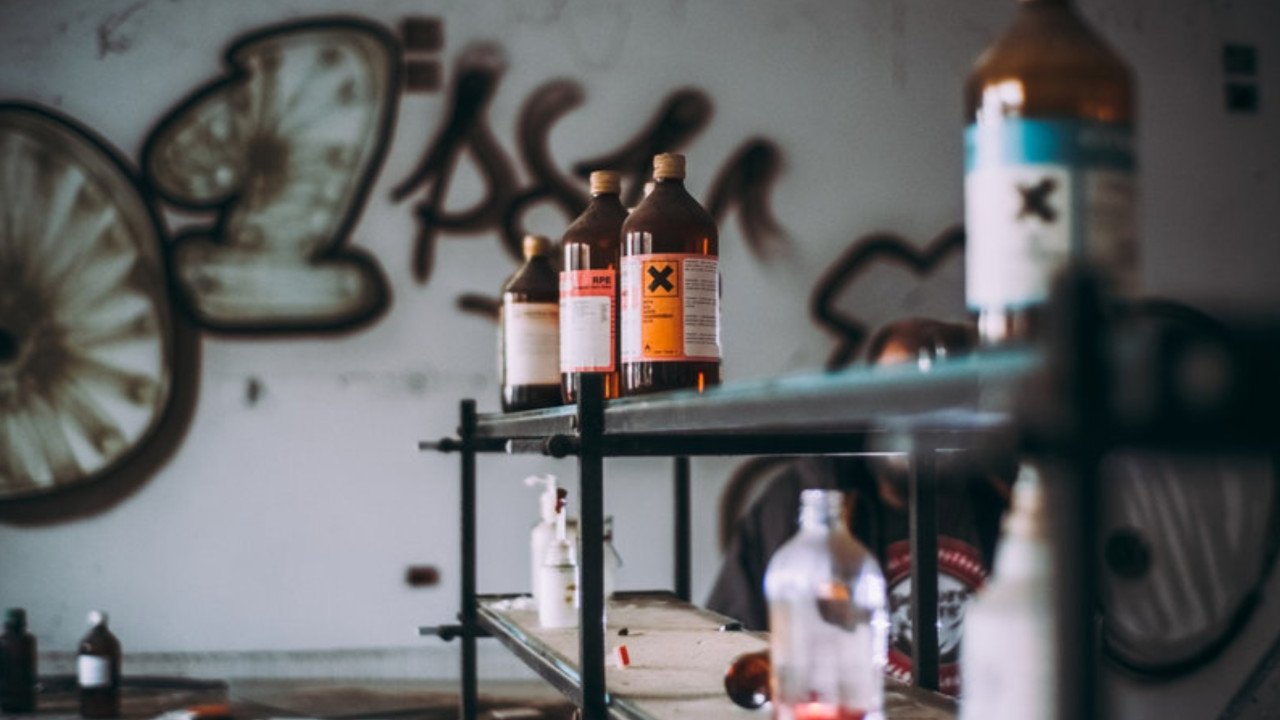 Toxins include proteins and lipopolysaccharides that affect the body after absorption. They exist in all foods, increasing with heat during cooking, and also enter through polluted air, medications, daily-contact materials, solar radiation, and internal stress responses within the human body.
Beyond direct exposure, lifestyle habits indirectly raise toxin levels significantly. Smoking, alcohol, drugs, excessive coffee, fried meals, junk food, and heavily processed products overwhelm natural defenses, causing toxins to accumulate over time and increasing the risk of long-term health consequences.
The body can eliminate toxins through the liver, an organ specialized in detoxification. It converts harmful compounds into water-soluble forms for excretion, yet overload may appear as warning signs, indicating the system is burdened and needs support to restore balance.
Signs That Indicate the Presence of Toxins in the Body (Āma)
Careful observation and conscious awareness of our body provide valuable keys to understanding how it is functioning. When we cultivate this awareness, we can recognize early signs of imbalance and take corrective measures before these imbalances manifest as disease or deeper disorganization.
Ayurveda teaches that the body constantly communicates with us, and by observing certain natural outputs and features, we can gain insight into our internal state.
Toxins (known in Ayurveda as āma) can be detected through various means of observation, particularly by examining purīṣa (feces), mūtra (urine), jihvā (tongue), and even speech and expression. Each of these reflects the quality of digestion, metabolism, and the balance of the doshas.
Observation of Feces (Purīṣa)
The state of the feces gives important clues about digestive strength and toxin accumulation:
- If feces sink in water, it is traditionally believed that toxins are present in the body.
- Healthy feces generally float, indicating proper digestion and minimal āma.
- Strong odor, excessive stickiness, or irregular elimination may also suggest digestive imbalance.
Observation of Urine (Mūtra)
Urine reflects metabolic processes and doshic balance:
- Urine with a particularly strong or foul odor may indicate the presence of toxins.
- Changes in color, turbidity, or consistency can point toward specific doshic disturbances.
Ayurvedic Urine Test (Taila Bindu Parīkṣā)
This traditional test is used to assess doshic imbalance and the severity of a disorder:
- Collect the first urine of the morning in a clean, transparent container.
- Observe the color, clarity, and smell.
- Gently place one drop of sesame oil on the surface of the urine.
- Observe how the oil drop behaves.
Interpretation:
- If the oil drop spreads immediately on the surface, the disorder is considered easy to treat.
- If the drop remains suspended in the middle, the condition is more difficult to cure.
- If the drop sinks to the bottom, the disorder is considered very difficult to heal.
| Dosha | Urine Color | Oil Drop Behavior (Taila Bindu Parīkṣā) |
|---|---|---|
| Vata | Brownish | The oil drop spreads on the surface with irregular, wavy movements |
| Pitta | Dark yellow | The surface displays multiple colors, resembling a rainbow |
| Kapha | Cloudy or milky | The oil drop forms pearl-like droplets, appearing split into several drops |
Observation of the Tongue (Jihvā Parīkṣā)
The tongue is one of the most important diagnostic tools in Ayurveda, offering insight into digestion, organ health, and toxin accumulation.
- A whitish coating on the tongue indicates the presence of toxins (āma).
- Discoloration, sensitivity, pain, or cracks in specific areas of the tongue may reflect imbalance or dysfunction in corresponding organs.
- A dry or dehydrated tongue suggests a decrease in rasa dhātu (plasma and fluids).
- A pale tongue indicates a deficiency in rakta dhātu (blood tissue).
The color, texture, moisture, and coating of the tongue also help determine whether the doshas—Vata, Pitta, or Kapha—are aggravated.
General Treatment for the Doshas
According to Ayurveda, health is maintained when the three doshas—Vata, Pitta, and Kapha—are in balance. Disease arises when one or more doshas become aggravated or depleted.
The fundamental principle of treatment is based on samanya and vishesha: like increases like, and opposites bring balance. Therefore, the most effective way to balance the doshas is to stabilize the body and mind through opposite qualities.
For example, a person with excess heat in their constitution or condition should be treated with cooling measures, while someone who is cold, dry, or depleted requires warmth, nourishment, and lubrication. Treatment aims to replenish what is deficient and reduce what is excessive.
By applying therapies, diets, and lifestyles that are antagonistic to the causative factors of imbalance, the body is gradually restored to its natural state of equilibrium.
As stated by Charaka, proper treatment restores the patient to normalcy by opposing the causes of disorder.
Vata Dosha Treatment
Vata is characterized by dryness, coldness, lightness, mobility, and subtlety. When Vata becomes aggravated, it manifests as anxiety, fear, restlessness, insomnia, dryness, constipation, pain, and nervous disorders.
To balance Vata, warmth and oiliness are essential, both internally and externally. Nourishing, grounding, and hydrating therapies calm Vata’s excessive movement and instability.
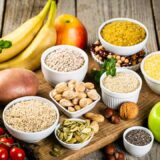
- Diet: Foods should be warm, moist, well-cooked, and nourishing. The flavors that pacify Vata are sweet, sour, and salty. Soups, stews, cooked grains, warm milk, ghee, oils, and root vegetables are highly beneficial. Cold, dry, raw, and light foods should be minimized.
- Lifestyle: Regular routines are very important for Vata. Adequate rest, gentle activities, and warmth help stabilize the mind and body.
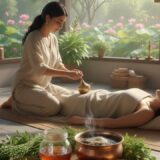
- Massage and Therapies: All kinds of oil massage (abhyanga) are highly recommended. Warm oil massages calm the nervous system and help relieve fear, anxiety, and excessive worry—emotions commonly associated with Vata imbalance. These treatments promote relaxation, grounding, and peace of mind.
- Purification: The most effective purification therapy for Vata is basti (enema), as Vata resides primarily in the colon. Medicated oil or decoction enemas nourish and regulate Vata at its main site.
Pitta Dosha Treatment
Pitta is hot, sharp, oily, intense, and penetrating in nature. When aggravated, it leads to anger, irritability, inflammation, acidity, ulcers, skin disorders, and excessive heat in the body and mind.
To balance Pitta, cooling, calming, and soothing measures are required, both physically and emotionally.
- Diet: The flavors that pacify Pitta are bitter, sweet, and astringent. Cooling, refreshing, and mildly heavy foods are ideal. Raw or lightly cooked foods such as fruits, salads, cucumbers, melons, coconut, milk, and grains like rice are beneficial. Very spicy, sour, salty, fried, and fermented foods should be reduced.
- Lifestyle and Environment: Pitta individuals benefit from staying in cool, temperate environments. Spending time near rivers, lakes, forests, fresh grass, and natural greenery helps cool the inner fire. Avoid excessive heat, sun exposure, and competitive or stressful situations.
- Massage and Therapies: Massages are helpful, but should use less oil than for Vata and be done with cooling or neutral oils. The pressure should be moderate and calming rather than stimulating.
- Purification: The primary purification therapy for Pitta is virechana (purgation), which eliminates excess heat and toxins from the liver and small intestine, the main seats of Pitta.
- Mind–Body Practices: Meditation, cooling pranayama, calming mantras, and soothing music are highly effective for balancing Pitta’s intense emotions and maintaining harmony of the inner fire.
Kapha Dosha Treatment
Kapha is heavy, cold, slow, oily, stable, and dense. When aggravated, it produces lethargy, heaviness, depression, congestion, obesity, edema, and attachment.
To balance Kapha, activity, stimulation, and lightness are essential, counteracting its tendency toward inertia and passivity.
- Diet: The most effective flavor for Kapha is spicy, followed by bitter and astringent. Food should be light, dry, and warm. Hot soups, legumes, steamed vegetables, spices, and herbal teas are beneficial. Sweet, oily, heavy, cold, and dairy-rich foods should be minimized.
- Lifestyle: Regular physical activity is crucial. Kapha benefits from an active routine, early rising, and avoiding daytime sleep.
- Massage and Therapies: Massages should be vigorous and stimulating, using little or no oil. Dry powder massages (udvartana) are especially beneficial to reduce heaviness, improve circulation, and stimulate metabolism. Hot baths and steam therapies also help liquefy and eliminate excess Kapha.
- Exercise: Strong, dynamic exercise such as brisk walking, yoga, dancing, or sports is very beneficial in overcoming Kapha’s sluggishness and restoring energy and enthusiasm.
FAQ’s
1: What are toxins according to Ayurveda?
In Ayurveda, toxins are called Ama, formed when food is not properly digested. Ama blocks body channels and disrupts normal metabolism.
2: What are the common signs of toxins in the body?
Signs include fatigue, bloating, poor digestion, coated tongue, bad breath, joint stiffness, dull skin, and frequent illness.
3: How does Ayurveda identify toxin accumulation?
Ayurveda assesses digestion strength, bowel habits, tongue coating, energy levels, and dosha imbalance to detect toxin buildup.
4: Can toxins be removed naturally from the body?
Yes, through proper diet, hydration, herbs, fasting, lifestyle correction, and Ayurvedic detox therapies.
5: Which foods increase toxins in the body?
Processed foods, fried items, junk food, excess sugar, alcohol, cold drinks, and incompatible food combinations increase toxins.
6: How does stress contribute to toxin buildup?
Stress weakens digestive fire, slows metabolism, and leads to incomplete digestion, causing toxin formation.
7: What role does the liver play in detoxification?
The liver converts toxins into water-soluble substances so they can be eliminated through urine and stool.
8: When should purification therapy be considered?
When toxins persist despite diet changes, or chronic symptoms like fatigue, skin issues, or digestive problems continue.
9: How does digestion affect toxin formation?
Strong digestion prevents toxin buildup, while weak digestion allows undigested food to form Ama.
10: What lifestyle habits help prevent toxin accumulation?
Regular meals, adequate sleep, exercise, stress management, and avoiding processed foods help prevent toxin buildup.
Toxins disrupt the body’s natural balance, leading to fatigue, poor digestion, and disease. Ayurveda helps identify and remove them naturally through diet, lifestyle, and purification therapies for better health.