Cancer in Ayurveda: Causes, Approach, and Treatment Options

Cancer is a pressing health issue in the modern world. It is observed to be more prevalent in developed and developing countries compared to underdeveloped nations, suggesting a strong connection between modern lifestyles, dietary habits, and the onset of this disease. However, this does not imply that cancer is a purely modern phenomenon. Ancient medical systems, such as Ayurveda, contain detailed references to conditions known as Arbuda or Karkatarbuda, which closely resemble modern descriptions of cancer.
A careful examination of the etiological factors and clinical features described in Ayurvedic texts reveals striking similarities to contemporary understandings of cancerous growths.
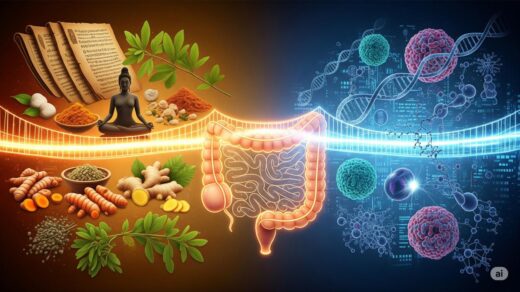
This historical insight offers a valuable perspective on the disease, bridging ancient wisdom with modern medical research. Integrating traditional knowledge with current advancements could open new avenues for cancer prevention and treatment.
Importance of Vata in Tumor (Arbuda) Management
In Ayurveda, the treatment of tumors (Arbuda) primarily focuses on controlling the Vata dosha because Vata is responsible for the proliferation of cells.
The ancient principle states “Vayur Vibhjyati”, meaning Vata causes dispersion or uncontrolled multiplication of cells. By managing Vata, the uncontrolled growth of tumor cells can be arrested.
Additionally, enhancing digestive fire (Agni) and eliminating toxins (Ama) is crucial, which involves increasing Pitta (“Tejo nampa chati”).
Strengthening the immune system, or Ojas, is another vital step in managing tumor growth. Ayurvedic herbs and formulations can also serve as supportive or adjuvant therapies alongside chemotherapy and radiotherapy.
How a Tumor Disease Begins and Progresses
When all three doshas (Vata, Pitta, and Kapha) become aggravated, they disturb the balance of tissues (Dhatus), especially Rakta (blood) and Mamsa (muscle).
This imbalance vitiates the digestive fire (Agni), leading to the production of Ama (toxins), which blocks the body’s channels (Srotas). This obstruction causes swelling and tumor formation, which may present as circular, deep-rooted, and rapidly growing masses characteristic of Arbuda.
A crucial pathological feature of Arbuda is the uncontrolled proliferation of cells. These abnormal cells can spread via the Rasvahasrotas (circulatory channels), lodging in various organs and causing diverse symptoms. Several Ayurvedic texts, including those by Acharya Sushruta, describe metastatic behavior in tumors:
- Adhyarbuda: Tumors growing over each other.
- Dwirarbuda: Two tumor groups growing simultaneously.
- Dwandwarbuda: Tumors appearing one after another.
Such patterns indicate metastasis or malignancy.
Causes and Risk Factors of Arbuda (Tumor)
Ayurveda acknowledges multiple causes of Arbuda, including karmic factors (past-life deeds). Common risk factors include aging, tobacco use, radiation, chemical exposure, family history, alcohol consumption, poor diet, physical inactivity, and obesity.
Additionally, unhealthy lifestyles, suppressed emotions, lack of spiritual purpose, and environmental pollutants such as pesticides and arsenic contribute to tumor development.
Each dosha impacts tumor pathology differently:
- Vata predominates in channels like Pranavaha and Asthivaha, causing symptoms such as unexplained weight loss, fatigue, and various types of pain. Vata aggravation leads to abnormal, rapidly proliferating tumor cells, disrupting bodily tissues.
- Pitta dominates Raktavaha channels, causing inflammation, disturbed tissue nutrition, fever, and abnormal bleeding.
- Kapha governsthe Mansavaha and Medovaha channels, contributing to indigestion and the excessive buildup of cellular mass with Ama accumulation.
7 Warning Signs of Arbuda (Tumor) and Their Significance
In Ayurveda, Arbuda refers to an abnormal, immovable, and growing mass—often equated with tumors in modern medicine.
Recognizing early warning signs can aid in timely diagnosis and better treatment outcomes. Below are seven key signs to watch for, along with their significance and recommended action.
1. Wart or Mole
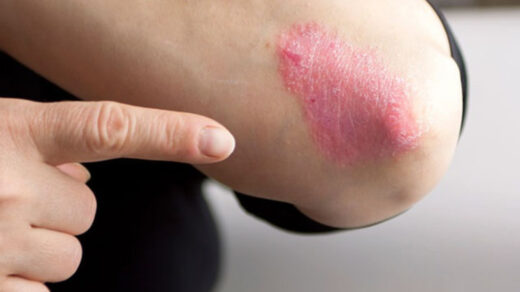
- Significance: Sudden changes in a wart or mole—such as rapid growth, irregular borders, bleeding, or color changes—may indicate abnormal cell proliferation, including skin cancer. These changes reflect disruption in normal cell regulation, which can lead to malignancy if untreated.
- What to do: Any suspicious skin growth should be examined by a healthcare professional without delay for early diagnosis and intervention.
2. Hoarseness of Voice & Chronic Cough
- Significance: Persistent hoarseness or a nagging cough lasting more than three weeks can suggest tumors in the throat, larynx, or lungs. These symptoms often arise because the tumor interferes with normal vocal cord or airway function.
- What to do: Seek medical evaluation, especially if symptoms are accompanied by difficulty breathing, speaking, or swallowing.
3. Lump in the Breast
- Significance: A new, painless lump or swelling in the breast can be an early sign of breast cancer or other abnormal growths. Such lumps represent abnormal tissue growth that may require biopsy to determine its nature.
- What to do: Conduct regular self-examinations and consult a doctor immediately if any lump, thickening, or change is noticed.
4. Difficulty Swallowing
- Significance: Persistent trouble swallowing (dysphagia) may point to tumors or inflammation in the throat or esophagus. This can indicate that the tumor is causing physical obstruction or irritation in the swallowing pathway.
- What to do: Report ongoing swallowing difficulties to a physician for further investigation.
5. Indigestion
- Significance: Chronic indigestion, bloating, or abdominal discomfort—especially when accompanied by weight loss or vomiting—may be linked to tumors in the stomach or intestines. Tumors can interfere with digestion and nutrient absorption, leading to these symptoms.
- What to do: Don’t ignore persistent digestive symptoms. Seek medical attention for accurate diagnosis and treatment.
6. Change in Bowel Habits
- Significance: Long-standing changes in bowel habits such as diarrhea, constipation, or blood in the stool can be warning signs of colorectal cancer. These symptoms suggest that the tumor might be affecting normal bowel function or causing bleeding.
- What to do: Monitor these changes closely and consult a healthcare provider for appropriate screening and evaluation.
7. Non-Healing Ulcers or Unusual Vaginal Discharge
- Significance: Sores or ulcers that do not heal, as well as unexplained vaginal discharge, may indicate malignancies or infections in the reproductive tract. Persistent symptoms often reflect underlying tissue damage or uncontrolled cellular growth.
- What to do: A prompt gynecological or medical examination is essential for early detection and treatment.
Arbuda Management: Ayurveda vs. Modern Medicine
Ayurveda classifies cancerous growths under the term Arbuda, which are further categorized based on the dominant dosha and tissue involved.
Each type of arbuda correlates to specific cancers recognized in modern medicine. Understanding both Ayurvedic and modern approaches to treatment provides a holistic view of managing these conditions.
1. Ras Arbuda (Epithelial Carcinoma, Lymphoma, Melanoma)
In Ayurveda, Ras Arbuda arises from imbalances in the Rasa (plasma) and Rakta (blood) tissues. The treatment focuses on detoxification through Panchakarma therapies such as blood purification and mild sudation. Herbal medicines like Triphala and Arogyavardhini Vati are used to strengthen immunity and cleanse toxins. Topical treatments and immunomodulators support healing.
- Modern medicine treats these cancers through a combination of surgery, chemotherapy, radiation, and increasingly, immunotherapy. These aim to remove or kill cancerous cells and prevent spread.
2. Rakta Arbuda (Leukemia)
Leukemia, affecting the blood and bone marrow, is managed in Ayurveda by therapies such as Raktamokshana (bloodletting) to remove vitiated blood, combined with blood-purifying herbs like Guduchi and Aragwadha. Detoxification and strengthening treatments are emphasized to restore balance.
- Modern treatment includes intensive chemotherapy, bone marrow transplantation, targeted drugs, and immunotherapies to eradicate abnormal blood cells and regenerate healthy ones.
3. Mamsa Arbuda (Myogenic Sarcoma)
This tumor affects muscular tissue. Ayurvedic management involves local application of herbal pastes and oils to reduce tumor size and inflammation, along with systemic detox and therapies to strengthen muscles. Diet and lifestyle adjustments support healing.
- In modern oncology, surgery is usually required to remove the tumor, often followed by chemotherapy and/or radiation to prevent recurrence.
4. Medo Arbuda (Lipoma, Myxosarcoma)
Tumors arising in fatty tissues are approached in Ayurveda with specific herbal formulations targeting adipose tissue, such as Langali and Karavira. Detoxification therapies and dietary regulation help reduce fatty tumor progression.
- Surgical excision is the primary modern treatment, with chemotherapy or radiation used if malignancy is present.
5. Asthi Arbuda (Osteosarcoma)
Bone tumors require therapies to nourish and strengthen bones in Ayurveda, often using herbs that support Majja (bone marrow). Detoxification and supportive diets are part of the regimen.
- Modern treatment combines surgery with chemotherapy and radiation to control the aggressive nature of osteosarcoma.
6. Majja Arbuda (Multiple Myeloma)
Ayurvedic treatment focuses on nourishing the bone marrow and enhancing immunity through herbal tonics and detoxification. Supportive care is crucial to maintain strength.
- Modern protocols include chemotherapy, stem cell transplantation, and targeted therapies aimed at controlling malignant plasma cells.
7. Shukra Arbuda (Testicular Carcinoma)
For cancers of the testicles, Ayurveda uses detoxifying treatments and tonics to balance reproductive tissues, along with local applications and dietary measures.
- Modern treatment primarily involves surgical removal, supplemented by chemotherapy or radiation depending on the stage.
8. Artava Arbuda (Ovarian Tumor)
Ayurvedic care focuses on balancing female reproductive doshas through Panchakarma detoxification, herbal therapies, and a supportive diet to regulate hormonal and immune function.
- Surgical intervention followed by chemotherapy and targeted therapies is standard modern care for ovarian tumors.
9. Stanya Arbuda (Breast Cancer)
Breast cancer management in Ayurveda includes local herbal applications to reduce tumor mass, detoxification therapies, and immunomodulatory herbs to enhance body resistance. Lifestyle and dietary modifications play an important role.
- Modern treatments consist of surgery, chemotherapy, radiation, and hormonal therapies tailored to the cancer type.
10. Non-suppuration of Arbuda
Acharya Sushruta explains the reasons for the non-suppuration (absence of pus formation) in Arbuda as follows:
“Due to the predominance of Kapha (phlegm) and Medas (adipose tissue), along with a significant aggravation of Doshas, the tumors formed are non-vulnerable. Additionally, the stable nature of the Doshas and the natural tendency of continuous cell duplication prevent suppuration in all types of Arbuda.” (Su. Ni. 11/21)
In other words, the excess Kapha and Meda, combined with the stability of aggravated Doshas and the nature of the tumor’s growth, prevent the formation of pus, resulting in a non-suppurative tumor.
Ayurvedic Treatment of Arbuda According to Acharyas
Ayurveda categorizes tumors (Arbuda) based on the predominant dosha involved—Vata, Pitta, Kapha, or Medo (fat tissue). Treatments are tailored accordingly to restore doshic balance and remove the tumor.
1. Vataja Arbuda (Tumor caused by Vata dosha)
- Apply warm poultices made from seeds of Karkaruka, Ervaruka, Narikela, Priyala, Panchangula, and poultices from Mamsa (muscle) or Vesavara (fat).
- Perform Nadisweda (local sudation) to induce sweating, followed by bloodletting using a sucking horn to remove excess blood.
- Administer Trivrit Sneha cooked repeatedly with decoctions of Vata-pacifying herbs, combined with milk and sour liquids for internal purification.
2. Pittaja Arbuda (Tumor caused by Pitta dosha)
- Use mild sudation and apply warm poultices along with gentle purgation.
- Rub the tumor with rough leaves of Udumbara, Saka, and Gojihva.
- Apply a fine paste made from herbs like Sarjras, Priyangu, Pattanga, Rodhra, Anjana, Yashtika, Aragvadha, Gojihwa, Soma, and Shyama mixed with honey.
- Internally administer medicated ghee prepared with juices of Syama, Girihva, Amjanaki, Draksha, and Saptalika mixed with paste of Klitaka.
3. Kaphaja Arbuda (Tumor caused by Kapha dosha)
- Begin with purificatory therapies such as emesis (Vamana) and purgation (Virechana).
- Follow with bloodletting (Raktamokshana) to balance the dosha.
- Apply warm poultices made from drugs that eliminate doshas via upward (emetics) and downward (purgatives) routes, or poultices made from the excreta of dove and pigeon, roots of Kakadani, and Gomutra (cow urine).
- Use caustic alkali, cautery (fire), and surgical methods as necessary, taking care not to weaken the patient.
- Clean wounds with decoctions of Asphota, Jati, and Karvira leaves.
- After cleaning, use oil boiled with Bharngi, Vidanga, Patha, and Triphala for healing.
4. Medo Arbuda (Tumor in adipose tissue)
- Initially, foment the affected area to ease the tissues.
- Surgically excise and thoroughly clean the tumor, then quickly suture the wound.
- Sprinkle the wound with powders of Haridra (turmeric), Rodhra, Manassila, and Ala.
- Apply Karanja taila (oil) mixed with honey for wound cleansing and healing.
5. Malignant Tumors (Severe Dosha Residue)
- Tumors where Dosha residues remain, indicating malignancy, must be completely excised without leaving any remnants.
- Any leftover residue can be life-threatening, much like fire spreading harm.
- Such malignant Arbuda closely corresponds to what modern medicine recognizes as cancer.
- Early and thorough surgical removal is emphasized to prevent further spread and complications.
Treatment for Cancerous Growths According to Acharya Sushruta
Acharya Sushruta prescribed treatments based on the dominant dosha involved in the cancerous growths:
1. Vatic Cancerous Growths
- Mild Sudation (Swedana): Gentle sweating therapy helps loosen and mobilize aggravated Vata dosha, reducing stiffness and dryness in tissues. Excessive sudation is avoided to prevent depletion of bodily fluids.
- Oil Swab Application with Bitter Oils: Bitter oils pacify Vata and nourish tissues, reducing pain and inflammation around the tumor. The oil also softens the affected area, facilitating healing.
- Bloodletting (Raktamokshana): Therapeutic bloodletting removes vitiated blood and toxins, balancing Vata and reducing symptoms like pain and swelling. It is performed cautiously to avoid excessive weakness.
2. Paittic Cancerous Growths
- Mild Sudation: Helps cool aggravated Pitta dosha and soften the tumor mass. Therapy is carefully controlled to avoid overheating or worsening inflammation.
- Purgation (Virechana): A potent detoxification method to cleanse excess Pitta from the body, especially the liver and gastrointestinal tract. This reduces burning sensations, inflammation, and redness around the tumor.
- Scraping with Teak Leaves: Mechanical scraping removes necrotic or dead tissue from the tumor’s surface, promoting healing and preventing secondary infections. This gentle debridement is an Ayurvedic technique.
- Application of Medicated Pastes: Herbal pastes made from Aragwadha (Cassia fistula), Gojihwa (Onosma bracteatum), and Trivrit (Operculina turpethum) possess anti-inflammatory, cooling, and healing properties. They soothe the affected area, reduce tumor size, and inhibit progression.
3. Kaphaja Cancerous Growths
- Emesis (Vamana): Induced vomiting removes excess Kapha dosha from the upper gastrointestinal tract, reducing heaviness, swelling, and mucus around the tumor.
- Purgation (Virechana): Cleansing the intestines eliminates accumulated Kapha toxins, improving circulation and tissue metabolism, which helps shrink the tumor and ease symptoms.
- Bloodletting (Raktamokshana): Helps break stagnation caused by Kapha in blood vessels and tissues, enhancing circulation and reducing swelling.
- Medicinal Pastes: Application of fine pastes made from Langali (Gloriosa superba) and Karavira (Nerium indicum) provides potent anti-tumor and detoxifying effects, helping reduce the size and hardness of the growth.
- Alkali Application, Cautery, and Surgery: In advanced cases, treatments such as alkali application (to destroy abnormal cells), cautery (to burn and remove growth), and surgical excision may be necessary. These methods physically remove or destroy tumor tissue when other therapies are insufficient.
Ayurvedic Herbal Formulations for Arbuda Treatment
Herbal remedies play a crucial role in managing Arbuda by balancing the aggravated doshas and supporting tissue healing. The following formulations are recommended based on the dominant dosha involved:
1. For Vatic Arbuda (Vata-dominant cancerous growths)
- Dashamoola Decoction: A blend of ten roots known for anti-inflammatory, analgesic, and Vata-pacifying properties. It helps reduce pain, stiffness, and swelling.
- Bala Taila: A medicated oil with Bala (Sida cordifolia) as the key ingredient, used externally to nourish muscles and nerves, soothe pain, and balance Vata.
- Chyawanprash: A classic rejuvenative and immunity-boosting formulation that supports overall strength and tissue healing.
2. For Paittic Arbuda (Pitta-dominant cancerous growths)
- Amalaki (Emblica officinalis): Rich in antioxidants and naturally cooling, it pacifies Pitta, reduces inflammation, and prevents tissue damage.
- Triphala: A mild laxative that supports digestion and detoxification, aiding in the elimination of excess Pitta and cleansing the system.
- Guduchi (Tinospora cordifolia): A potent immunomodulator and anti-inflammatory herb that protects tissues from oxidative stress and promotes healing.
- Aragwadha (Cassia fistula): Applied topically as a paste, it reduces swelling and supports tissue repair.
3. For Kaphaja Arbuda (Kapha-dominant cancerous growths)
- Trikatu: A combination of black pepper, long pepper, and ginger that stimulates digestion, reduces Kapha accumulation, and improves metabolism.
- Guggulu (Commiphora mukul): Known for its anti-inflammatory and lipid-lowering effects, it helps reduce swelling and fat deposits around tumors.
- Langali (Gloriosa superba): Applied as a paste, it has cytotoxic properties that help reduce tumor size.
- Karavira (Nerium indicum): Used topically for its tumor-reducing effects.
4. Additional Supportive Herbs for Arbuda
- Ashwagandha (Withania somnifera): An adaptogen and immunomodulator that supports overall strength and helps the body cope with disease stress.
- Turmeric (Curcuma longa): Contains curcumin, a potent anti-inflammatory and antioxidant compound with scientifically supported anti-cancer properties.
- Neem (Azadirachta indica): Exhibits anti-tumor, anti-inflammatory, and blood-purifying actions.
Single Drugs Useful in Cancer Treatment
- Devadaru (Cedrus deodara Roxb. Loud.): Known for its anti-inflammatory and analgesic properties, Devadaru helps reduce swelling and pain associated with tumors. It also promotes healing of affected tissues.
- Aragwadha (Cassia fistula Linn.): This herb is used for its anti-inflammatory, antimicrobial, and detoxifying effects. Aragwadha paste is traditionally applied to reduce tumor size and inflammation.
- Trivrit (Operculina turpathum Linn. Silva Manso.): Acts as a potent purgative helping to eliminate toxins and balance aggravated doshas, particularly useful in Paittic and Kaphaja types.
- Karanja (Pongamia pinnata L. Pierre): With strong antibacterial and anti-inflammatory properties, Karanja supports cleansing and healing of infected or inflamed tissues.
- Madanaphala (Catunaregam spinosa Thunb. Triveng.): Known for its cytotoxic effects, it helps inhibit abnormal cell growth and promotes natural detoxification.
- Langali (Gloriosa superba Linn.): Traditionally used as a topical application, Langali exhibits tumor-reducing and anti-cancer properties.
- Karavira (Nerium indicum Mill.): This herb is applied externally for its cytotoxic effects on tumors and for reducing inflammation.
- Haridra (Curcuma longa Linn.): Contains curcumin, a powerful antioxidant and anti-inflammatory compound with proven anti-cancer effects, supporting both prevention and management.
- Tankana (Borax, Sodium Borate): Used in controlled amounts, Tankana is believed to have cleansing and antimicrobial properties, often applied externally to cleanse lesions.
- Kshara (Alkalis): Alkalis are used therapeutically for cauterization and chemical ablation of tumor tissues, aiding in the destruction of abnormal growths.
Role of Single Herbs in Ayurvedic Cancer Treatment
Ayurvedic management of cancer (Arbuda) is a holistic approach aimed at balancing the aggravated doshas, detoxifying the body, controlling tumor growth, and improving the patient’s overall strength and immunity. The single drugs you listed are integral to this protocol because they serve specific therapeutic roles, often complementing the internal and external treatments prescribed by classical texts.
1. Balancing Doshas and Detoxification
Many of these herbs, such as Trivrit (Operculina turpathum) and Karanja (Pongamia pinnata), act as potent purgatives and detoxifiers. They help eliminate accumulated toxins (Ama) and balance aggravated Pitta and Kapha doshas, which are often involved in tumor formation and progression. Detoxification through purgation or bloodletting prepares the body for healing and reduces the systemic burden of disease.
2. Anti-inflammatory and Tissue Healing Effects
Herbs like Devadaru (Cedrus deodara), Aragwadha (Cassia fistula), and Haridra (Curcuma longa) possess anti-inflammatory and antioxidant properties. They reduce inflammation around the tumor site, relieve pain, and promote healing of damaged tissues. This reduces discomfort and helps stabilize the disease.
3. Direct Anti-tumor Activity
Certain plants, such as Langali (Gloriosa superba), Karavira (Nerium indicum), and Madanaphala (Catunaregam spinosa) have cytotoxic or tumor-reducing properties. They help control abnormal cell proliferation either when applied externally as pastes or taken internally as part of herbal formulations. These herbs can inhibit the growth of cancer cells and sometimes induce tumor regression.
4. Supportive and Rejuvenative Actions
Herbs like Haridra (Turmeric) are also adaptogens and immune boosters, enhancing the body’s natural defense mechanisms. Such herbs support the patient’s vitality and resilience, which is essential given the chronic and debilitating nature of cancer.
5. Topical Application and Tumor Ablation
Tankana (Borax) and Kshara (Alkalis) are used externally for their caustic properties to chemically cauterize and destroy tumor tissues. They are part of the therapeutic arsenal for local treatment, especially when surgical intervention is risky or contraindicated.
Integration in Treatment Protocol
- Initial Detoxification: Use of purgative and blood-purifying herbs to cleanse the system.
- Dosha-specific Management: Application of herbs that pacify the dominant dosha responsible for the tumor (Vata, Pitta, or Kapha).
- Tumor Control: Use of cytotoxic herbs to arrest or reduce tumor growth.
- Symptom Relief: Anti-inflammatory and analgesic herbs to ease pain and inflammation.
- External Therapy: Application of medicinal pastes and cauterization agents to treat the tumor locally.
- Rejuvenation and Immunity: Herbal tonics and adaptogens to strengthen the body and improve quality of life.
Gomutra Therapy in Arbuda
Gomutra (cow’s urine) holds a unique position in Ayurveda. Described in classics like Sushruta Samhita and Ashtanga Sangraha, it is considered “Amrita” or the elixir of life due to its detoxifying, anti-cancer, and rejuvenating properties.
Gomutra is one of the five components of Panchagavya (cow urine, milk, ghee, curd, and dung), all revered for their medicinal benefits. When used with appropriate herbs, Gomutra helps:
- Remove metabolic waste (Ama)
- Support liver function
- Modulate immunity
- Inhibit the growth of abnormal cells
It has shown potential as a supportive alternative therapy in cancer management when conventional treatment options are limited or as an adjunct.
Rasayana Therapy: Rejuvenation in Arbuda
Rasayana Chikitsa is one of the eight specialized branches of Ayurveda aimed at cellular rejuvenation, longevity, and prevention of degeneration. In cancer (Arbuda), it plays a vital role in:
- Delaying cellular ageing
- Enhancing cell vitality (Ojas)
- Regulating metabolism by maintaining balance of Agni and Pitta
- Acting as natural antioxidants to reduce oxidative stress
In modern terms, Rasayanas support anti-aging and immune modulation—essential in preventing tumor progression. Before administering Rasayana, preparatory therapies like Snehana (oleation) and Swedana (sudation) should be performed to open bodily channels and improve absorption.
Some beneficial Rasayana combinations include:
- Pippali (long pepper) with black pepper, Guduchi, and Triphala
- Local application of turmeric in skin tumors
- Use of herbal Rasayana tailored to the doshic nature of the tumor
Post-Rasayana, Panchakarma therapies (purificatory procedures) enhance the therapeutic effects by thoroughly detoxifying the system, allowing Rasayanas to saturate bodily tissues and optimize resistance.
Ayurvedic Cancer Treatments: Key Formulations
- Arogyavardhini Vati: A classic detoxifying formulation that helps in liver function improvement, blood purification, and balancing Pitta and Kapha doshas. It supports the body’s natural healing and helps in controlling abnormal tissue growth.
- Triphala Guggulu: Combines the antioxidant and detoxifying effects of Triphala with the anti-inflammatory and lipid-lowering properties of Guggulu. Useful in reducing inflammation, swelling, and promoting tissue repair.
- Panchatikta Ghanavati: A concentrated herbal extract made from five bitter herbs (tikta rasa) that helps detoxify blood, balance doshas, and support immune function. It aids in reducing toxicity and inflammation associated with tumors.
- Guduchi Satwa: A purified starch extract from Guduchi (Tinospora cordifolia), known for its immunomodulatory, anti-inflammatory, and rejuvenating properties. It enhances the body’s defense system against disease progression.
- Bhadradarvadi Kashaya: A bitter herbal decoction used to detoxify blood and reduce inflammation. It balances doshas and helps in managing chronic inflammatory conditions including tumor growth.
- Gojihwadi Kashaya: Traditionally used to treat skin and tissue disorders, this decoction aids in reducing swelling and promoting wound healing, making it helpful for external tumor management.
- Aragwadhadi Kashaya: Contains Aragwadha and other bitter herbs; used for its detoxifying and anti-inflammatory effects, helping to control the growth and symptoms of tumors.
- Shivakshara Pachana Choorna: A digestive powder that helps in improving metabolism and clearing toxins, thus indirectly supporting the body’s ability to manage abnormal growths.
- Pancha Valkala Kwatha: Made from the bark of five trees, this decoction has anti-inflammatory and wound-healing properties. It is useful for external application on ulcers and tumors to reduce inflammation and support healing.
Medicine from Sahasra Yoga Textbook
- Panchatiktaka Guggulu Ghrita: A medicated ghee preparation combining five bitter herbs and Guggulu, known for its detoxifying, anti-inflammatory, and rejuvenating effects. It is used internally to support systemic cleansing and strengthen tissues during cancer treatment.
These formulations are generally used in combination with detox therapies, local applications, and lifestyle adjustments as part of a comprehensive Ayurvedic cancer treatment plan.
Healthy Diet and Habits for Cancer Management
- Light Food: Easily digestible foods reduce strain on the digestive system and help maintain energy without aggravating doshas.
- Supernatant Part of Curd or Buttermilk: These fermented dairy products aid digestion and balance Pitta and Kapha doshas when consumed in moderation.
- Liquid Diet: Helps keep the body hydrated and supports detoxification, making digestion easier during treatment.
- Red Rice: A wholesome grain rich in fiber and nutrients, it supports digestion and provides sustained energy.
- Green Gram Soup: Light and protein-rich, this helps build strength without heaviness or toxin buildup.
- Pepper: Enhances digestion and circulation, and has mild detoxifying properties.
- Turmeric: Known for its powerful anti-inflammatory and antioxidant effects, it supports immunity and tissue repair.
- Cow’s Urine: Traditionally used in Ayurveda for its detoxifying and antimicrobial properties, often as part of specific formulations.
- Organic Food (Chemical-Free Food): Reduces exposure to harmful pesticides and chemicals, supporting overall health and detoxification.
Unwholesome Diet and Habits to Avoid
- Heavy Food: Difficult to digest, leading to toxin accumulation and aggravation of doshas.
- Spicy Food: Can increase Pitta dosha and cause inflammation and discomfort.
- Penetrative Food: Foods that are too sharp or penetrating may aggravate Vata and Pitta doshas, worsening symptoms.
- Non-Vegetarian Diet: Often considered harder to digest and may increase toxins or inflammation in the body.
- Tobacco: Strongly harmful, it aggravates all doshas, causes tissue damage, and is a known carcinogen.
- Fried and Oily Food: Heavy and sticky, these foods increase Kapha dosha and promote toxin accumulation.
- Fatty Food: Difficult to digest and can worsen metabolic imbalances and inflammation.
- Junk Food: Contains artificial additives and preservatives that increase toxin load and disrupt digestion and metabolism.
Following these dietary and lifestyle guidelines can help balance the doshas, reduce inflammation, and support the body’s natural healing process during cancer treatment.
Herbs, Diet, and Habits to Avoid During Cancer Care
- Milk and Milk Products (Improperly Processed): While fresh cow’s milk is wholesome, spoiled or improperly processed milk and dairy can aggravate Kapha dosha and cause mucus formation, which may worsen tumor-related conditions.
- Sugarcane Juice and Its Products: Although natural, sugarcane juice is heavy and sweet, which can increase Kapha and Pitta doshas, leading to excess mucus and metabolic disturbances.
- Meat of Animals from Marshy Lands: Such meats are considered impure and heavy, prone to causing toxin accumulation and aggravating doshas, especially Kapha and Pitta, which may exacerbate disease.
- Food Items Prepared from Flour (Refined Flour): These are often heavy, difficult to digest, and may contribute to toxin buildup and obstruction in bodily channels (Srotas).
- Sour Foods: Sour tastes increase Pitta dosha and can cause inflammation and irritation in the body tissues.
- Sweet Foods (Excessive): Overconsumption of sweet foods increases Kapha and can lead to heaviness, sluggish metabolism, and toxin accumulation.
- Heavy to Digest Foods: Foods that take longer to digest burden the digestive fire (Agni) and cause stagnation of doshas and toxins in the body.
- Foods Causing Obstruction in Circulatory Channels: Any food that causes congestion, thickening of blood, or sluggish circulation leads to obstruction in the channels (Srotas), impairing nutrient flow and waste elimination, which is detrimental during cancer treatment.
Avoiding these unwholesome substances supports the clearing of doshas and toxins, maintaining healthy circulation and metabolism, which is vital in managing cancer according to Ayurvedic principles.
References:
- S. Waghe, Critical analysis of hepatic cancer in Ayurveda W.S.R. to Yakritodara & Yakrit Gulma. Journal of Ayurveda and Holistic Medicine (JAHM). Published 2023. jahm.co.in
- Ayurvedic approaches to cancer management: A comprehensive overview. Ayush Journal of Integrative Oncology (AJIO). 2025. Lippincott Journals
- Ayurvedic medicinal plants for cancer treatment: current perspectives. Ayush Journal of Integrative Oncology 2(2):68‑76, Apr‑Jun 2025. DOI: 10.4103/ajio.ajio_14_25. Ovid
- “Ayurvedic perspective on Cancer: Conceptualization and Treatment” — Mohamed Muzzammel S. et al. in Journal of Ayurveda and Integrated Medical Sciences. Jaims
- Critical analysis of malignancies in Ayurveda. Subhash Waghe, JAHM. jahm.co.in
Disclaimer:
The content provided in this post is intended for informational and educational purposes only. It does not constitute medical advice, diagnosis, or treatment. Ayurveda is a traditional system of medicine, and while it may offer complementary support, it should not replace conventional cancer treatment. Always consult a qualified healthcare professional or oncologist before starting any new treatment or therapy. The views expressed are not a substitute for professional medical guidance.