Saindhava Lavana (Rock Salt): Benefits & Side Effects

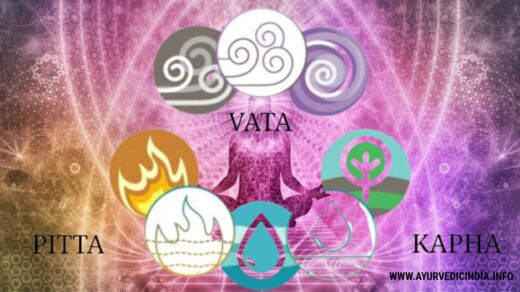
In the world of Ayurveda, few natural substances hold as much importance as Saindhava Lavana, more commonly known today as Himalayan pink salt or rock salt. While many people recognize it for its distinctive color and use in cooking, Ayurveda views this mineral salt as much more than a kitchen staple.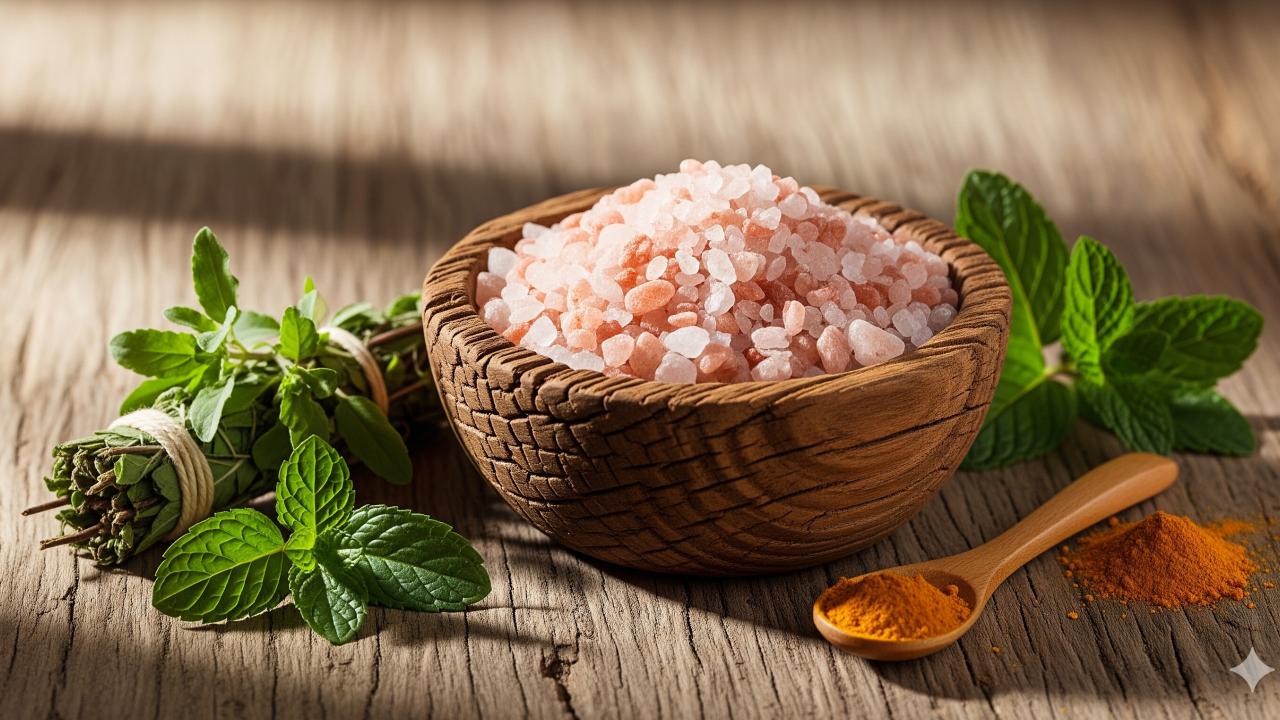 Formed from ancient sea beds and rich in essential minerals, Saindhava Lavana is considered a pure, sattvic substance that supports balance in the body and mind. It has been used for thousands of years not just to enhance flavor, but to aid digestion, support detoxification, and bring harmony to the body’s three Doshas—Vata, Pitta, and Kapha.
What sets Saindhava Lavana apart in Ayurvedic tradition is its versatility and therapeutic potential. It appears in classical texts not only as a dietary ingredient but also as an important element in various medicinal formulations and purification processes.
From daily use in cooking to its role in complex procedures like Parada Shodhana (purification of mercury), this salt is deeply woven into the Ayurvedic way of life. Modern wellness trends may have only recently caught on to its benefits, but Ayurveda has long revered Saindhava Lavana as both food and medicine—a mineral gift from the earth that supports holistic well-being.
What is Saindhava Lavana?
Saindhava Lavana is the Sanskrit term for rock salt, commonly known as Sendha Namak or halite. It is a naturally occurring crystalline salt formed from the evaporation of ancient seas, with Himalayan pink salt being a well-known example. Though primarily composed of sodium chloride, it also contains trace minerals, enhancing its value in Ayurveda.
In Ayurvedic texts, salt (Lavana) plays a vital role in both culinary and therapeutic contexts. Saindhava Lavana is especially esteemed for its purity (sattvic nature) and its ability to balance all three Doshas—Vata, Pitta, and Kapha. It is used in cooking, food preservation, and numerous medicinal preparations.
Among various salts mentioned in Ayurveda—such as Sauvarchala, Vida, Samudra, and Audbhida—Saindhava is considered superior. It is also used in purification rituals like the Ashtasamskara of Parada (mercury processing) and in Lavana Kalpana, a category of salt-based formulations.
Vernacular Names of Saindhava Lavana (Rock Salt)
| Language | Name |
|---|---|
| English | Himalayan Salt, Himalayan Rock Salt, Pink Salt, Halite |
| Hindi | Sendha Namak, Sendha Lon, Pakistani Namak |
| Sanskrit | Saindhava Lavana (सैन्धव लवण) |
| Marathi | Shende Lon (शेंडे लों) |
| Gujarati | Sindhalun (સિંધળૂણ) |
| Bengali | Saindhava Lavan (সৈন্ধব লবণ) |
| Tamil | Intuppu (இந்து உப்பு) |
| Kannada | Saindhava Uppu (ಸೈಂಧವ ಉಪ್ಪು), Saindhava Lavana |
| Telugu | Saindhava Lavanam (సైంధవ లవణం) |
| Malayalam | Induppu (ഇന്ദുപ്പ്) |
| Punjabi | Sendha Namak (ਸਿੰਧਾ ਨਮਕ) |
| Urdu | Namak-e-Saindhav (نمکِ سِندھو), Lahori Namak |
| Odia (Oriya) | Saindhava Loon (ସୈନ୍ଧବ ଲୁଣ) |
| Nepali | Saindha Noon (सैंध नून) |
Ayurvedic Profile: Understanding Its Energetics
Ayurveda’s genius lies in its system of classification. Every substance is understood through the lens of the Pancha Mahabhutas (Five Great Elements) and its specific Gunas (qualities) or properties. This system allows a practitioner to predict exactly how a substance will interact with an individual’s unique constitution, or Prakriti.
Let’s break down the Ayurvedic profile of Saindhava Lavana:
1. Rasa (Taste): The primary taste is, unsurprisingly, Lavana (Salty). The salty taste is known to stimulate digestion, lubricate tissues, soften hard masses, and promote electrolyte balance. It has a water and fire element dominance.
2. Virya (Potency): This is where Saindhava reveals its uniqueness. While most salts have a heating potency (Ushna Virya), Saindhava Lavana possesses a cooling potency (Sheeta Virya). This critical difference is what makes it balancing for all doshas, particularly for the fiery Pitta dosha. It provides the benefits of the salty taste without the aggravating heat.
3. Vipaka (Post-Digestive Effect): After digestion, the ultimate effect it has on the body is Sweet (Madhura). A sweet Vipaka is nourishing, grounding, and building. It helps strengthen the body’s tissues (dhatus) and promotes a sense of stability.
Effect on Doshas (Tridoshic Shamaka)
This is its most celebrated property.
- Vata Dosha (Air + Ether): The salty taste and moistening quality help counteract Vata’s dry, light, and rough nature. It alleviates gas, bloating, and constipation.
- Pitta Dosha (Fire + Water): Its cooling Virya and sweet Vipaka are perfectly designed to pacify Pitta’s heat and intensity. It helps cool the body, soothe acidity and heartburn, and calm irritability.
- Kapha Dosha (Earth + Water): Although salty and moist, its lightness and mineral-scraping action (lekhana) prevent it from aggravating Kapha excessively when used in moderation. It helps clear mucus (kapha) from the channels.
This rare combination of a salty taste with a cooling energy and a sweet post-digestive effect makes Saindhava Lavana the most balanced and the only truly tridoshic salt.
The Uses and Benefits of Saindhava Lavana (Rock Salt) According to Ayurveda
Referenced from Charaka Samhita Sutrasthana 5/12, Saindhava Lavana is classified as a Pathya—a substance that is universally wholesome and can be consumed daily to maintain health. This is the highest praise in Ayurveda, signifying its perfect balance and compatibility with the human body.
1. Rochana – Improves Taste
The salty taste (Lavana Rasa) naturally stimulates taste buds and increases salivation, initiating digestion. This initial stimulation is essential as it activates the digestive process (Pranavaha Srotas), helping the body prepare for effective breakdown and absorption of food.
- Practical Use: A pinch of Saindhava Lavana in buttermilk, lemon water, or even sprinkled on fruits can enhance their flavor and make them more appetizing, especially for those with a weak appetite (agnimandya).
2. Dipana – Ignites Digestive Fire (Agni)
Unlike common salt, which can be overly heating and aggravating, Saindhava salt possesses a unique cooling potency (Sheeta Virya). It gently kindles the digestive fire (Agni) without causing inflammation or excess heat (Pitta), making it soothing and balancing for the digestive system.
Practical Use:
- Before meals: Taking a pinch of rock salt with a slice of ginger 10 minutes before a meal prepares the stomach for digestion.
- With heavy foods: Adding it to lentil soups (dal) or bean dishes makes them less gas-forming (vata-shamak).
3. Vrushya – Acts as an Aphrodisiac
This property is linked to its sweet post-digestive effect (Madhura Vipaka) and its ability to balance Vata dosha. Vata imbalance can cause anxiety, dryness, and instability, which are detrimental to reproductive health. By nourishing the tissues and providing stability, it supports the reproductive system (Shukra Dhatu).
- Practical Use: Its mineral content supports overall vitality and energy. Consuming it in moderation as part of a balanced diet contributes to general well-being, which is the basis of healthy sexual function.
4. Chakshushya – Good for the Eyes
This benefit is two-fold: first, Saindhava’s cooling nature (Sheeta Virya) soothes Pitta-related inflammation, especially in the eyes. Second, its scraping quality (Lekhana) helps clear Kapha-related mucus and congestion, promoting clearer respiratory function and overall balance in the body’s doshas.
Practical Use:
- Eye Wash: A thoroughly filtered and cooled solution of Saindhava Lavana in pure water can be used as an eyewash (Netra Prakshalana) to relieve conjunctivitis, strain, or dryness.
- Dietary: Regular consumption of food is believed to strengthen eyesight.
5. Avidahi – Does Not Cause a Burning Sensation
This is its most critical differentiating property. Regular salt (and most other types of salt) has a hot potency (Ushna Virya), which aggravates Pitta, leading to acid reflux, heartburn, and inflammation. Saindhava’s cooling potency (Sheeta Virya) makes it the only salt safe for Pitta-dominated individuals and those with conditions like hyperacidity.
- Practical Use: It is the ideal salt for anyone suffering from acid reflux, gastritis, or ulcers. A pinch in a glass of cool water can provide immediate relief from a burning sensation in the stomach.
6. Hrudya – Good for the Heart
In Ayurveda, “Hrudya” means more than just the physical heart; it refers to what is pleasing and beneficial to the entire cardiovascular system and mind. Its balance of electrolytes, particularly potassium and magnesium, supports healthy muscle function, including the heart muscle. Its ability to pacify Vata prevents spasms and irregularity, while its cooling nature protects against Pitta-related inflammation.
- Practical Use: Maintaining electrolyte balance with natural minerals supports healthy blood pressure and heart rhythm when used in moderation as part of a healthy lifestyle.
7. Hikkanashana – Useful in Hiccups
Hiccups (Hikka) are primarily caused by an aggravated Vata dosha in the diaphragm and esophagus. The strong, salty taste and slightly stimulating properties of Saindhava Lavana help to immediately pacify this spasm and restore normal nerve function.
Practical Use:
- Classic Remedy: Slowly sucking on a few crystals of rock salt is a time-tested home remedy for stopping hiccups.
- Drink: Mixing a pinch in warm water and sipping slowly can also be effective.
8. Srotoshodhana – Cleanses the Body Channels (Srotamsi)
The body is viewed as a network of channels (srotamsi) responsible for transporting nutrients, fluids, and energy. Over time, these can become clogged with impurities (ama) or excess dosha. Saindhava Lavana, due to its slightly scraping quality (lekhana), helps to gently cleanse and clear these micro-channels, ensuring the smooth flow of biological processes.
Practical Use:
- Detoxifying Bath: Adding 1-2 cups of Saindhava Lavana to a warm bath helps draw out toxins through the skin, the body’s largest organ. This is especially beneficial for relieving muscle soreness, skin conditions, and general fatigue.
- Internal Cleansing: Used in traditional cleansing therapies like vamana (therapeutic emesis) and virechana (therapeutic purgation) to help loosen and evacuate toxins from the system.
9. Shophahara – Reduces Swelling and Inflammation
Swelling (shopha) is often a result of impaired water metabolism and aggravated Vata or Kapha. Despite being a salt, Saindhava’s unique cooling property (Sheeta Virya) and its ability to balance electrolytes help regulate fluid balance in the tissues, thereby reducing edema and inflammatory swelling without the Pitta-aggravating effects of common salt.
Practical Use:
- Topical Paste: Making a thick paste with Saindhava Lavana and water or coconut oil and applying it to sprains, inflamed joints, or insect bites can help draw out excess fluid and reduce swelling.
- Internal Use for Edema: In cases of mild edema, consuming it in moderation with warm water can help balance fluids under the guidance of an Ayurvedic practitioner.
10. Vatakaphahara – Pacifies Vata and Kapha Doshas
While we previously noted it is Tridoshic, this property deserves its own highlight. The salty taste is inherently warming and heavy, which directly soothes Vata’s cold, light, and mobile qualities. Simultaneously, its subtle scraping action (lekhana) and lightness help to counteract Kapha’s oily, heavy, and stagnant nature. This makes it an exceptionally versatile salt for balancing the two most common doshic combinations.
Practical Use:
- For Vata Imbalance (e.g., bloating, constipation, dryness): Cooking with Saindhava Lavana helps retain moisture in food, lubricates the intestines, and relieves gas.
- For Kapha Imbalance (e.g., congestion, lethargy, sluggish digestion): Its light, penetrating quality helps break up mucus (phlegm) and stimulate a slow metabolism. A drink of ginger, lemon, honey, and a pinch of Saindhava is excellent for Kapha-related colds.
Saindhava Lavana Described by Acharyas
| Property | Charaka Samhita 🔵 | Sushruta Samhita 🟢 | Vagbhata Samhita 🔴 |
|---|---|---|---|
| Rank Among Salts | 🥇 Best of all salts | 🥇 Best of all salts | 🥇 Best of all salts |
| Effect on Body | ❄️ Cooling | ❄️ Cooling | ❄️ Cooling |
| Taste / Rasa | 🍬 Slightly sweet | 🍬 Slightly sweet | 🍬 Slightly sweet |
| Digestive Qualities | 🔥 Digestive stimulant | 🍃 Light | 🔥 Digestive |
| Effect on Doshas | ⚖️ Alleviates all three doshas | ⚖️ Alleviates all three doshas | ⚖️ Alleviates all three doshas |
| Unctuousness | — | 🛢️ Unctuous | — |
| Relish / Taste Enhancer | 😋 Relish-giving | 😋 Relish-giving | — |
| Wholesome for Eyes | 👁️ Wholesome for the eyes | 👁️ Beneficial for the eyes | 👁️ Wholesome for the eyes |
| Virilific / Aphrodisiac | ❤️ Aphrodisiac | — | 💪 Virilific |
| Other Properties | — | — | 💗 Cordial |
How to Use Rock Salt for Fomentation
This method is helpful for joint disorders or conditions with excess Kapha, such as sinusitis.
- For stiff joints, first apply the oil prescribed by your doctor and leave it on for 10–15 minutes.
- Take a cup of Saindhava (Sendha) salt inside a cloth and make a pack.
- Heat the pack in a pan and check the temperature on your skin for tolerance.
- Once comfortable, gently apply the warm salt pack to the affected joint for 4–5 minutes. You can reheat and reapply as needed.
For Nasya therapy, after massaging with the recommended oil, apply hot fomentation using the same salt pack technique before using Anu taila nasal drops. This helps liquefy mucus and relieve sinusitis, migraines, and related symptoms.
The Modern Perspective: Science Meets Tradition
Saindhava salt has gotten a lot of attention lately, and science is taking a closer look at the old claims.
1. Mineral Content: Saindhava contains many trace minerals, but their amounts are quite low besides sodium chloride. Its true benefit lies in the combined effect of these minerals working together, a synergy modern science is starting to appreciate.
2. Sodium Content: Saindhava salt has a sodium level similar to table salt, so it’s not a low-sodium option. Its unique processing and mineral complexity give it a richer flavor, which might let you use slightly less in cooking.
3. Iodine: Saindhava is naturally low in iodine, essential for thyroid health. If you switch to it fully, ensure other dietary iodine sources like seafood, dairy, eggs, or seaweed to avoid iodine deficiency and maintain proper thyroid function.
4. Heavy Metals: Concerns exist about heavy metals like lead in some salts. To stay safe, always buy Saindhava from reputable, certified suppliers who provide food-grade, lab-tested products to avoid contamination risks.
The modern verdict aligns beautifully with Ayurvedic wisdom: Saindhava Lavana is a healthier choice due to its natural state and trace mineral content, but it is not a magic bullet. It should be used consciously and in moderation as part of a balanced diet.
Incorporating Saindhava into Your Daily Dinacharya (Routine)
Integrating this wisdom into your life is simple and profoundly effective.
- The Primary Cooking Salt: Make Saindhava your go-to salt for all cooking and seasoning. Its subtle, complex flavor enhances food without overpowering it.
- The Finishing Touch: Sprinkle a few crystals over salads, roasted vegetables, or even chocolate desserts to elevate the flavor profile.
- The Morning Elixir: Start your day with a glass of warm water, a squeeze of lemon, and a pinch of Saindhava. This ritual kick-starts digestion, hydrates the system, and balances electrolytes.
- The Post-Workout Drink: Add a pinch to your water or coconut water after a workout to replenish naturally.
- The Wind-Down Bath: Once a week, indulge in a detoxifying bath. Add 1-2 cups of Saindhava and a ¼ cup of Epsom salts to a warm bath. Soak for 20 minutes to relieve stress, ease aches, and promote deep sleep.
Saindhava lavana salt side effects
While Saindhava Lavana (Himalayan rock salt) is generally considered the most balanced and least aggravating type of salt in Ayurveda, excessive or inappropriate use—like any substance—can lead to side effects. Here are some potential side effects or concerns:
Potential Side Effects of Saindhava Lavana (Himalayan Rock Salt)
1. Water Retention & Bloating: High sodium intake can cause the body to retain water, leading to puffiness, bloating, or mild swelling—especially in people sensitive to salt.
2. Increased Blood Pressure (in sensitive individuals): Although it’s often considered gentler than processed table salt, it still contains sodium. Overconsumption may contribute to elevated blood pressure, particularly in people with hypertension or cardiovascular issues.
3. Electrolyte Imbalance (if overused): While it contains trace minerals, taking too much can disrupt the body’s electrolyte balance, especially without adequate water intake.
4. Exacerbation of Pitta Disorders (in excess): According to Ayurveda, excessive salt can aggravate Pitta, leading to symptoms like heat in the body, inflammation, acidity, or skin issues.
5. Kidney Stress: Consistent high intake of salt can burden the kidneys, potentially contributing to kidney stones or other renal issues over time.
Safe Usage Tips (According to Ayurveda)
- Use Saindhava Lavana in moderation—Ayurveda emphasizes balance.
- Avoid using it in excessively salty or preserved foods.
- People with hypertension, edema, or kidney disease should consult a healthcare provider before regular use.
- It’s best used cooked into food, rather than consumed raw or in large quantities.
FAQ’s
1. What are the health benefits of Saindhava Lavana?
Answer: Saindhava Lavana is rich in natural minerals and helps balance the body’s three Doshas (Vata, Pitta, Kapha). It aids digestion, supports hydration, improves electrolyte balance, and has detoxifying properties. It’s also considered gentle on the system compared to regular table salt.
2. How does Saindhava Lavana differ from regular table salt?
Answer: Unlike processed table salt, Saindhava Lavana is unrefined and contains essential trace minerals like magnesium, calcium, and potassium. It does not have additives such as anti-caking agents and is considered more natural and beneficial in Ayurveda.
3. Is Saindhava Lavana safe? Are there any side effects?
Answer: Generally, Saindhava Lavana is safe when used in moderation. However, excessive intake may lead to water retention, increased blood pressure, or aggravation of Pitta-related conditions. Those with hypertension or kidney issues should consult a healthcare professional.
4. Can Saindhava Lavana help with digestion, gas, or acidity?
Answer: Yes, Ayurveda considers Saindhava Lavana helpful in stimulating digestive fire (Agni), reducing gas, and balancing stomach acidity, making it useful for improving digestion and relieving bloating.
5. How much Saindhava Lavana should one use daily?
Answer: There is no strict daily limit, but Ayurveda recommends moderation to avoid imbalance. Typically, a pinch or small quantity in meals is sufficient. Overuse should be avoided, especially for those sensitive to salt.
6. What minerals are found in Himalayan rock salt?
Answer: Himalayan rock salt contains sodium chloride along with trace amounts of minerals like magnesium, calcium, potassium, iron, and zinc, which contribute to its pink color and potential health benefits.
7. Can Saindhava Lavana help balance Doshas in Ayurveda?
Answer: Yes, it is considered a sattvic salt that helps balance all three Doshas—Vata, Pitta, and Kapha—making it ideal for maintaining overall bodily harmony.
8. Is Saindhava Lavana good for skin, hair, or external uses?
Answer: Saindhava Lavana is often used in Ayurvedic therapies such as salt scrubs, detox baths, and gargles. It helps cleanse the skin, reduce inflammation, and promote circulation.
9. Where does Saindhava Lavana come from?
Answer: Saindhava Lavana originates from the salt deposits in the Himalayan region, formed from ancient sea beds. It is traditionally harvested in parts of northern India and Pakistan.
10. Can using too much Saindhava Lavana raise blood pressure or cause water retention?
Answer: Yes, excessive consumption of any salt, including Saindhava Lavana, can lead to water retention and elevated blood pressure, especially in salt-sensitive individuals.
Saindhava Lavana is a beautiful bridge between the ancient and the modern, between taste and therapy, between the earth and our body. It is a testament to Ayurveda’s timeless wisdom, which recognized the healing power of nature long before modern science could analyze it.
References”