Top 10 Ayurvedic Medicines for Burning Sensation in Feet

Burning Feet Syndrome, known as Padadaha in Ayurveda, is a condition characterized by intense burning sensations, heaviness, and excessive sweating in the feet and lower extremities. Modern medicine attributes this syndrome to sensory neuropathy.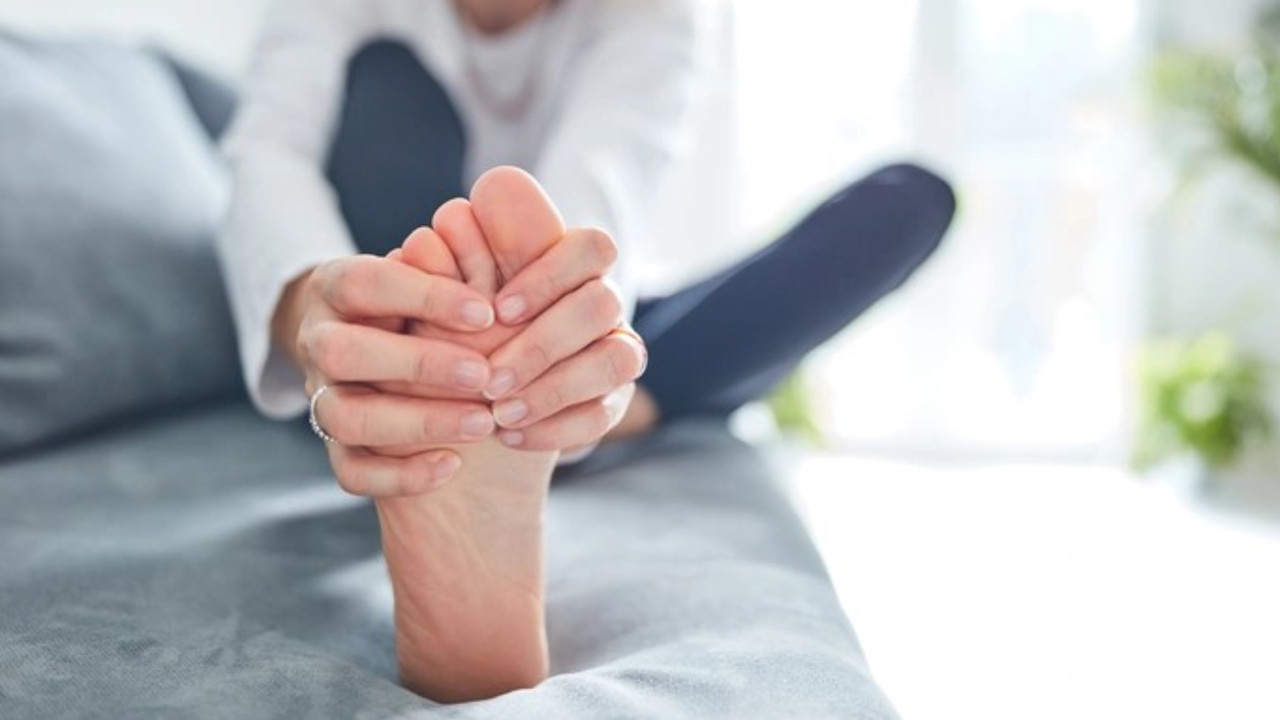 At the same time, Ayurveda correlates it with the vitiation of Pitta and Rakta (blood), aggravated by Vata due to factors like excessive walking or occupational stress. This article explores the Ayurvedic perspective, etiology, and therapeutic interventions for managing Padadaha, with a focus on Siravedha (venesection therapy).
Ayurvedic View of (Padadaha) Burning Feet Syndrome
In Ayurveda, burning feet syndrome can be correlated with a condition known as Padadaha, described in the ancient text Sushruta Samhita under the category of Vatavyadhi (neurological disorders).
According to Ayurvedic principles, Padadaha arises due to the aggravation of Vata caused by excessive physical activity, particularly excessive walking.
It involves an interaction between Pitta and Rakta (blood), leading to a burning sensation in the feet. This condition is also classified under Pittaja Nanatmaja Vyadhi, which refers to diseases primarily caused by the Pitta dosha.
Additionally, it may be associated with Pittarakta Aavrita Vata, where aggravated Pitta and Rakta obstruct the normal movement of Vata, resulting in pain and burning sensations in the lower limbs.
Epidemiology in Ayurvedic Context
Recent observations suggest that around 7% of the population may experience symptoms similar to those of Padadaha, with a rising incidence attributed to modern urban lifestyles, increased physical activity, stress, and dietary factors that aggravate Pitta.
Ayurvedic Perspective on (Padadaha)Burning Feet Syndrome
Etiology (Nidana – Causes), In Ayurveda, the development of Padadaha (burning feet) is attributed to the vitiation of Vata, Pitta, and Rakta. Contributing factors include:
1. Excessive Walking or Standing (Chankramanādi): Prolonged physical activity, especially on hard surfaces, aggravates Vata, particularly in the lower limbs.
2. Vitiation of Pitta and Rakta: Aggravated by causes such as:
- Alcohol consumption
- Exposure to heat or fire
- Frequent intake of spicy, sour, or salty foods
3. Occupational Stress: Professions involving prolonged foot pressure and heat exposure (e.g., driving, factory work, or standing for long hours) increase susceptibility.
4. Systemic Imbalances: Chronic health conditions like:
- Diabetes mellitus
- Thyroid dysfunction
- Nutritional deficiencies (especially B vitamins or iron) are considered contributing systemic factors that lead to Dosha imbalance.
5. Pathogenesis (Samprapti – Disease Process)
The Pitta and Rakta doshas accumulate in the feet due to Vata’s downward movement (Adhogati). These vitiated doshas obstruct the microchannels (Srotas), particularly Raktavaha and Swedavaha Srotas, leading to:
- Burning sensation
- Hyperesthesia (increased sensitivity)
- Excessive sweating (Swedapravritti)
This imbalance creates a localized inflammatory and sensory response, manifesting clinically as Padadaha or burning feet syndrome.
Clinical Features (Lakṣaṇa) of (Padadaha)Burning Feet Syndrome
Patients suffering from Padadaha, as described in Ayurvedic texts and resembling modern burning feet syndrome, commonly present with the following signs and symptoms:
1. Severe Burning Sensation
- Most commonly felt in the soles of the feet, but may radiate to the ankles, dorsum of the feet, and lower legs.
- Described as an intense internal heat, as if walking on hot surfaces.
- Often accompanied by restlessness and the urge to cool the feet, such as placing them in cold water or under a fan.
- May cause difficulty in walking, especially after prolonged standing or during nighttime.
2. Excessive Sweating and Heaviness (Swedapravṛtti and Gaurava)
- Localized sweating of the feet, especially during flare-ups, indicates involvement of Pitta and Swedavaha Srotas.
- Patients may report a feeling of heaviness or pressure in the feet, especially toward the end of the day.
- Heaviness may be aggravated by heat, tight footwear, or prolonged immobility.
- Dampness in footwear due to sweating may lead to secondary fungal infections.
3. Aggravation at Night or in Hot Weather
- Symptoms typically worsen during the evening and nighttime hours, consistent with Pitta’s peak activity period.
- Warm temperatures or hot environments can trigger or intensify burning sensations.
- Patients may report interrupted sleep due to discomfort.
- Cool environments or water often provide temporary relief.
4. Tingling or Pins-and-Needles Sensation (Toda or Spandana)
- Often described as prickling, tingling, or electric-shock-like sensations.
- Indicates the involvement of Vata dosha, especially in Rasa and Majja Dhatus.
- May alternate with numbness, particularly after long periods of standing or walking.
- Associated with neural involvement, and can occur even when no visible changes are observed on physical examination.
Ayurvedic Therapies for Padadaha (Burning Feet Syndrome)
In Ayurveda, treatment of Padadaha aims to balance the vitiated Doshas — primarily Pitta, Rakta, and Vata — by eliminating the causative factors, pacifying the doshas, and restoring normal function through Shodhana (detoxification) and Shamana (palliative) therapies.
1. Siravedha (Bloodletting Therapy)
- Indication: Directly mentioned in Sushruta Samhita for conditions involving Pitta and Rakta vitiation, including Padadaha, Chippa, and other localized burning disorders.
- Mechanism: Removes vitiated blood, reducing local inflammation, heat, and congestion in the affected region.
- Method: Venesection is performed under sterile conditions, generally in a vein near the affected foot.
- Effect: Relieves burning sensation, reduces swelling, and improves local circulation.
Note: Contraindicated in patients with anemia, hypotension, or bleeding disorders.
2. Basti (Medicated Enema Therapy)
Indication: Considered the best treatment for Vata disorders, especially when Vata aggravation contributes to sensory disturbances.
Types Used:
- Anuvasana Basti (Oil enema) using Panchatikta Ghrita or Ashwagandha Taila for nourishment.
- Niruha Basti (Decoction enema) with herbs like Dashamoola, Triphala, or Guduchi to detoxify and pacify Vata-Pitta.
Effect: Alleviates neuropathic pain, tingling, and burning, and improves systemic regulation of doshas.
3. Lepa (Medicated Herbal Paste Application)
Indication: Useful for localized burning sensations, inflammation, and sweating.
Common Ingredients:
- Chandan (Sandalwood) – cooling and Pitta-pacifying
- Manjistha – blood purifier
- Shatavari – anti-inflammatory
- Yashtimadhu (Licorice) – soothing and demulcent
Application: Fresh paste is applied over the soles and feet for 20–30 minutes.
- Effect: Provides immediate cooling relief, reduces hyperesthesia, and improves skin health.
4. Padabhyanga (Foot Massage with Medicated Oils)
Oils Used: Ksheerabala Taila, Chandanadi Taila, or Jatyadi Taila
Benefits:
- Enhances circulation and nerve function
- Calms the nervous system
- Reduces heat and pain
- Promotes restful sleep
5. Sheeta Jala Avagaha (Cold Herbal Foot Soaks)
- Herbs: Chandan, Usheera (Vetiver), Mustaka
- Procedure: Feet are soaked in medicated cold water for 10–15 minutes.
- Effect: Soothes burning, draws out excess Pitta and heat, and refreshes the tissues.
6. General Principles of Chikitsa (Treatment Approach)
- Nidana Parivarjana (Avoiding causative factors): Control of diet, heat exposure, alcohol, and over-exertion.
- Pitta and Rakta Shamana: Through cooling herbs, panchakarma, and dietary modifications.
- Rasayana therapy: For nerve rejuvenation using herbs like Ashwagandha, Shatavari, and Guduchi.
Herbal Formulations for Managing Padadaha (Burning Feet Syndrome)
Ayurvedic management of Padadaha incorporates various internal herbal medicines (Aushadhis) that help pacify aggravated Doshas, improve nerve function, and detoxify blood and tissues.
1. Guduchi (Tinospora cordifolia)
- Known as “Amrita” (the nectar) in Ayurveda.
- Properties: Bitter, cooling, anti-inflammatory, immunomodulatory, and detoxifying.
- Use: Reduces Pitta and Rakta vitiation, supports blood purification, and improves tissue health.
- Common Preparations: Guduchi Satva, Guduchi Ghana (concentrate), or Guduchi Kwath (decoction).
2. Ashwagandha (Withania somnifera)
- Properties: Nervine tonic, anti-inflammatory, rejuvenating (Rasayana).
- Use: Supports nerve regeneration, reduces Vata-related tingling and numbness, and strengthens the body’s resilience.
- Common Preparations: Ashwagandha churna, Ashwagandha ghrita (medicated ghee).
3. Shatavari (Asparagus racemosus)
- Properties: Cooling, soothing, anti-inflammatory, and nutritive.
- Use: Helps balance Pitta, soothes burning sensations, and supports nerve and tissue healing.
- Often combined with Ashwagandha for synergistic effects.
4. Manjistha (Rubia cordifolia)
- Properties: Blood purifier, anti-inflammatory, and detoxifying.
- Use: Clears Rakta dushti (blood impurities) contributing to burning and inflammation.
- Often used in formulations targeting skin and blood disorders.
5. Triphala
- Combination of Amalaki (Emblica officinalis), Haritaki (Terminalia chebula), and Bibhitaki (Terminalia bellirica).
- Properties: Mild laxative, detoxifier, anti-inflammatory, and antioxidant.
- Use: Supports digestive health, detoxification, and overall systemic balance, which indirectly helps reduce nerve and vascular inflammation.
6. Panchatikta Ghrita
- A medicated ghee preparation containing five bitter herbs (Guduchi, Patola, Nimba, Vasa, and Khadira).
- Use: Administered internally or used for Basti (medicated enema), it pacifies Pitta and detoxifies blood.
- Nourishes nerve tissues and reduces burning and pain.
7. Pittari Vati
- A classical Ayurvedic tablet formulation designed to reduce Pitta and manage skin and inflammatory conditions.
- Use: Useful in reducing burning sensations caused by Pitta imbalance.
8. Ksheerabala Taila
- A medicated oil prepared with Bala (Sida cordifolia) and milk (Ksheera).
- Properties: Nourishing, Vata-pacifying, anti-inflammatory, and analgesic.
- Use: Applied externally through Padabhyanga (foot massage) and used in Basti therapy to relieve nerve pain, burning sensations, and improve circulation in the feet.
9. Nirgundi (Vitex negundo)
- Properties: Anti-inflammatory, analgesic, and nervine tonic.
- Use: Often included in oils or decoctions, it helps reduce burning, inflammation, and pain by pacifying aggravated Vata and Pitta doshas.
- Effective in neuropathic pain and chronic inflammatory conditions affecting the lower limbs.
10. Haridra (Curcuma longa – Turmeric)
- Properties: Potent anti-inflammatory, antioxidant, and blood purifier.
- Use: Helps reduce inflammation and oxidative stress contributing to nerve damage and burning sensations.
- Can be taken internally as powder or decoction and applied externally as a lepa (paste) mixed with cooling herbs for localized relief.
Top 10 Ayurvedic Medicines for Burning Sensation in Feet
Padadaha, also known as burning feet syndrome, is a condition characterized by intense burning sensations, hyperesthesia, and discomfort in the feet.
Ayurveda approaches its treatment by balancing the aggravated doshas—primarily Pitta, Vata, and Rakta—through internal medications that detoxify, nourish nerve tissues, and alleviate inflammation and pain.
Below are some of the key Internal Medications and Formulations Commonly Used in managing Padadaha (Burning Feet Syndrome), widely employed in managing Padadaha:
1. Guduchi Ghrita
Guduchi (Tinospora cordifolia), often called the “nectar of immortality,” is renowned for its detoxifying and immunomodulatory properties. When prepared as a medicated ghee (ghrita), it effectively nourishes nerve tissues, pacifies Pitta and Rakta dosha, and supports systemic cleansing. Guduchi Ghrita is considered beneficial for reducing burning sensations and improving overall vitality.
2. Triphala Guggulu
Triphala Guggulu combines the blood-purifying and anti-inflammatory benefits of Triphala with Guggulu’s (Commiphora mukul) detoxifying action. This formulation aids in improving circulation, removing toxins from the blood, and reducing inflammation, making it valuable in managing the discomfort and burning associated with Padadaha.
3. Pittari Vati
A classical Ayurvedic tablet specifically designed to balance Pitta dosha, Pittari Vati helps alleviate burning sensations and inflammation. It works by pacifying excess heat and purifying the blood, thus addressing two primary pathogenic factors in burning feet syndrome.
4. Ashwagandha Churna / Ghrita
Ashwagandha (Withania somnifera) is a potent nervine tonic that strengthens the nervous system, reduces pain, and calms aggravated Vata dosha. Available in powdered form (churna) or as medicated ghee (ghrita), Ashwagandha is often used to combat tingling, numbness, and neuropathic pain in the lower limbs.
5. Shatavari Churna
Shatavari (Asparagus racemosus) is cooling and anti-inflammatory, ideal for soothing burning sensations and balancing Pitta dosha. Its nutritive properties support tissue healing and maintain nerve health, often complementing Ashwagandha in therapeutic regimens.
6. Mahamanjistadi Kwath
Mahamanjistadi Kwath is a decoction renowned for its blood-purifying qualities. It helps reduce Rakta and Pitta vitiation that contribute to burning sensations and inflammation in the feet. This preparation is commonly prescribed in conditions involving skin and blood disorders, including Padadaha.
7. Guduchi Satva
Guduchi Satva is a refined extract of Guduchi, offering potent blood purification and anti-inflammatory effects. It helps strengthen immunity and cleanse tissues, thereby reducing the severity of burning and discomfort in the feet.
8. Dashamoola Kwath
Dashamoola, a blend of ten roots, forms a decoction widely used for its anti-inflammatory and analgesic properties. It effectively calms Vata and Pitta doshas and is frequently administered to reduce pain and swelling in neurological conditions like burning feet syndrome.
9. Chandraprabha Vati
Chandraprabha Vati is a classical Ayurvedic tablet used primarily for urinary and metabolic health but is also valued for its ability to support systemic balance. It complements other therapies by improving the body’s detoxification processes and alleviating symptoms caused by metabolic imbalances contributing to Padadaha.
10. Kalyanaka Ghrita
Kalyanaka Ghrita is a rejuvenative formulation used as a Rasayana for the nervous system. It helps reduce burning sensations, enhances nerve function, and promotes overall vitality. This medicated ghee is often prescribed to support long-term healing and neurological health.
Dosage Commonly Used in Padadaha (Burning Feet Syndrome)
Padadaha, also known as burning feet syndrome, is characterized by intense burning sensations, hyperesthesia, and discomfort in the feet. Ayurveda treats this condition by balancing aggravated doshas—primarily Pitta, Vata, and Rakta—using internal medicines that detoxify, nourish nerves, and reduce inflammation and pain.
Below are key internal medications and classical formulations widely employed in managing Padadaha, along with typical dosage guidelines.
1. Guduchi Ghrita
- Benefits: Detoxifies blood, pacifies Pitta and Rakta, nourishes nerve tissues.
- Dosage: 5-10 ml twice daily, preferably with warm milk after meals.
- Reference: Charaka Samhita, Sutrasthana 28/41-42
2. Triphala Guggulu
- Benefits: Blood purifier, anti-inflammatory, improves circulation.
- Dosage: 1-2 grams (2-4 tablets) twice daily after meals with warm water.
- Reference: Ashtanga Hridaya, Chikitsasthana 17/12
3. Pittari Vati
- Benefits: Balances Pitta, reduces burning and inflammation.
- Dosage: 250-500 mg (1-2 tablets) twice daily after meals.
- Reference: Rasaratnasamuccaya
4. Ashwagandha Churna / Ghrita
- Benefits: Nervine tonic, reduces neuropathic pain and Vata imbalance.
- Dosage:
- Churna: 3-6 grams twice daily with warm milk or honey.
- Ghrita: 5-10 ml twice daily with warm milk.
- Reference: Charaka Samhita, Sutrasthana 11/28
5. Shatavari Churna
- Benefits: Cooling, anti-inflammatory, balances Pitta, supports nerve healing.
- Dosage: 3-6 grams twice daily with warm water or milk.
- Reference: Bhavaprakasha Nighantu
6. Mahamanjistadi Kwath
- Benefits: Blood purifier, reduces Rakta and Pitta vitiation.
- Dosage: 40-50 ml decoction twice daily before meals.
- Reference: Sahasrayogam
7. Guduchi Satva
- Benefits: Blood purifier, anti-inflammatory, immune booster.
- Dosage: 1-3 grams twice daily with water or honey.
- Reference: Sharangadhara Samhita
8. Dashamoola Kwath
- Benefits: Anti-inflammatory, analgesic, pacifies Vata and Pitta.
- Dosage: 40-50 ml decoction twice daily.
- Reference: Ashtanga Hridaya, Chikitsasthana 28/18
9. Chandraprabha Vati
- Benefits: Supports metabolic and urinary health, aids systemic balance.
- Dosage: 250-500 mg (1-2 tablets) twice daily after meals.
- Reference: Rasatarangini
10. Kalyanaka Ghrita
- Benefits: Nervine Rasayana reduces burning, supports nerve function.
- Dosage: 5-10 ml twice daily with warm milk.
- Reference: Bhavaprakasha Nighantu
Important Notes on Dosage and Use
- Dosages mentioned are general guidelines and may vary based on patient age, severity, and constitution.
- Medications should ideally be administered under professional Ayurvedic supervision.
- Monitoring for any adverse reactions or contraindications is essential, especially in patients with comorbidities.
- Internal medicines are often combined with external treatments such as Siravedha (bloodletting), Basti (medicated enema), and Lepa (herbal paste) for enhanced effect.
Padadaha (burning feet syndrome) is a painful condition marked by burning, tingling, and discomfort in the feet. In Ayurveda, it is linked to aggravated Pitta, Vata, and Rakta doshas, often caused by factors like excessive walking, heat, systemic disorders, or poor nutrition.
- INTERNATIONAL JOURNAL OF AYUSH CASE REPORTS (IJA-CARE) Siravedha (venesection therapy) in the management of Burning Feet Syndrome-A Single Case Study(1)
- Burning Feet Syndrome(2)
- Burning feet syndrome. A clinical review(3)
- Siravedha (venesection therapy) in the management of Burning Feet Syndrome-A Single Case Study(4)