What Is Vatatapika Rasayana? Benefits and How It Works

Ayurveda, the ancient Indian system of holistic healing, offers a treasure trove of therapies aimed at enhancing health, vitality, and longevity. Among its many time-tested practices is Rasayana, a specialized branch focused on rejuvenation and tissue regeneration. One of the key methods in this category is Vatatapika Rasayana—a unique and accessible form of Rasayana therapy that harmonizes the body through the power of natural elements. This article examines its meaning, indications, benefits, and advantages compared to other Rasayana therapies.
Meaning of Vatatapika Rasayana
Vatatapika Rasayana is a type of Ayurvedic rejuvenation therapy designed to be performed in open-air conditions, exposed to “Vata” (wind) and “Tap” (sunlight or heat)—hence the name. The term Rasayana means “path of essence,” signifying a rejuvenating approach that nourishes the body’s tissues (dhatus), improves immunity, and promotes longevity.
Unlike Kutipraveshika Rasayana, which is carried out in isolation within a specially designed hut or chamber, Vatatapika is practiced in a more accessible, natural environment. This method combines lifestyle modifications, herbal formulations, dietary guidelines, and routine exposure to the elements to bring about holistic health and wellness.
Who Should Undergo Vatatapika Rasayana? (Indications)
Vatatapika Rasayana is an Ayurvedic rejuvenation therapy that offers a practical path to vitality, especially for individuals seeking to enhance health without withdrawing from daily life. While it is broadly beneficial, it is particularly suited to specific groups and situations.
Ideal Candidates
- Healthy Individuals Seeking Preventive Rejuvenation: People with good overall health who wish to maintain vitality, strengthen immunity, and slow the aging process are ideal candidates.
- Those with Mild Vata Imbalances: Individuals experiencing early signs of Vata-related concerns, such as fatigue, dryness, mild anxiety, or joint discomfort, can benefit from this therapy’s balancing effects.
- Middle-Aged Adults: Those beginning to feel the subtle effects of aging but who are still physically active and mentally alert.
- Post-Illness Recovery: People who have recently recovered from illness and are looking to rebuild strength and resilience.
Contraindications
- Severe Degenerative Conditions: Individuals with advanced degenerative diseases, such as late-stage arthritis or neurological decline, may not benefit adequately from this mild form of Rasayana and may require more intensive therapies like Kutipraveshika Rasayana.
- Pitta-Dominant Individuals: Due to the exposure to heat (sunlight), those with a Pitta-predominant constitution or heat-sensitive conditions (e.g., inflammation, acidity, skin rashes) should approach with caution or undergo the therapy under Ayurvedic guidance.
Relevance in Modern Life
- Busy Professionals and Urban Dwellers: This therapy is ideal for people who cannot afford to take long breaks for secluded treatments but still wish to invest in preventive and restorative health.
- Participants in Ayurvedic Wellness Programs: Frequently included in wellness retreats, spas, and Panchakarma follow-up programs, Vatatapika Rasayana offers a structured yet flexible approach to holistic well-being.
Kutipraveshika Rasayana vs Vatatapika Rasayana
Kutipraveshika Rasayana and Vatatapika Rasayana are two classical modes of administering Rasayana therapy (rejuvenation therapy) in Ayurveda, primarily aimed at promoting longevity, youthfulness, and immunity.
Here’s a detailed comparison:
1. Kutipraveshika Rasayana (“Indoor Rejuvenation”)
Definition:
- A highly specialized, intensive, and controlled form of Rasayana therapy done in complete seclusion.
- “Kuti” = cottage or hermitage, “Praveshika” = entering.
Procedure:
- The individual enters a specially constructed three-layered, air-tight cottage (Kuti), isolated from external influences like weather, noise, pollution.
- Strict dietary control, lifestyle discipline, mental calmness, and specific Rasayana drugs are administered.
- The environment is designed to minimize aging factors and maximize rejuvenation.
Duration:
- Several months (commonly 3–6 months or more).
Best for:
- People seeking maximum anti-aging benefits, increased lifespan, improved cognitive functions, and long-term immunity.
- Traditionally for royals, sages, and dedicated spiritual seekers.
Limitations:
- Highly impractical in modern life due to time, cost, and lifestyle constraints.
2. Vatatapika Rasayana (“Open Environment Rejuvenation”)
Definition:
- A more practical and accessible form of Rasayana conducted in normal living conditions (open to air and sunlight).
- “Vata” = air, “Tap” = heat (sunlight), referring to exposure to natural elements.
Procedure:
- Rasayana herbs, diet, and lifestyle modifications are followed without isolating the person.
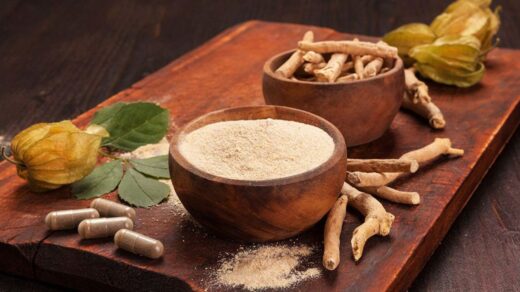
- Emphasizes regular intake of rejuvenating herbs like Chyawanprash, Amalaki, Ashwagandha, etc.
- The person continues with their day-to-day activities.
Duration:
- Flexible – can be done periodically or long-term as part of daily routine.
Best for:
- General public looking for moderate rejuvenation, improved health, and disease prevention.
Limitations:
- Less potent than Kutipraveshika due to environmental exposure and lifestyle stressors.
Summary Table:
| Feature | Kutipraveshika Rasayana | Vatatapika Rasayana |
|---|---|---|
| Environment | Controlled, secluded (hermitage) | Normal, open to environment |
| Effectiveness | Very high (intensive therapy) | Moderate |
| Duration | Long-term (months) | Flexible |
| Lifestyle Restrictions | Very strict | Relatively relaxed |
| Feasibility | Impractical in modern life | Highly practical |
| Aim | Maximum rejuvenation & longevity | Health maintenance & wellness |
10 Key Benefits of Vatatapika Rasayana
Vatatapika Rasayana offers a practical and accessible route to rejuvenation in Ayurveda, especially suited for those who cannot commit to secluded therapies like Kutipraveshika Rasayana.
Its benefits extend across physical, mental, and emotional well-being, making it an ideal therapy for preventive care and vitality enhancement. Below are the ten key benefits of this powerful yet lifestyle-friendly approach.
1. Balances Vata Dosha
- Effectively pacifies Vata-related disorders such as joint pain, dryness, anxiety, and nervous system imbalances.
- Restores stability to body tissues and helps regulate physiological functions disrupted by excess Vata.
2. Promotes Longevity and Anti-Aging
- Slows the aging process by minimizing cellular degeneration—an effect referred to in Ayurveda as Vayasthapana.
- Enhances nourishment of body tissues (Dhatu Poshan), helping maintain youthful vitality and physical strength.
3. Boosts Immunity (Ojas Enhancement)
- Strengthens the body’s natural defense mechanisms, increasing resistance to infections and chronic conditions.
- Builds Ojas—the essence of immunity—making the body more resilient to seasonal fluctuations and environmental stressors.
4. Supports Mental Clarity and Cognitive Health
- Acts as a Medhya Rasayana (nootropic), improving memory, concentration, and cognitive sharpness.
- Reduces mental fatigue, brain fog, and stress-induced imbalances, promoting emotional and neurological stability.
5. Improves Digestion and Metabolism
- Regulates Agni (digestive fire), leading to more efficient digestion and better nutrient absorption.
- Helps alleviate digestive disturbances such as bloating, constipation, and erratic appetite.
6. Enhances Energy and Stamina
- Replenishes physical energy and combats chronic fatigue.
- Naturally boosts stamina and endurance, making day-to-day activity more sustainable and balanced.
7. Relieves Stress and Promotes Emotional Balance
- Calms the nervous system through its Vata-pacifying nature.
- Promotes deeper relaxation, sound sleep, and emotional resilience.
8. Facilitates Gentle Detoxification
- Supports the body’s natural detox mechanisms without the intensity of purgative therapies.
- Helps cleanse the Srotas (subtle bodily channels), improving internal circulation and energy flow.
9. Accessible and Lifestyle-Friendly
- Unlike Kutipraveshika, it doesn’t require isolation or intensive supervision.
- Easily fits into daily routines, making it ideal for working professionals and urban dwellers.
10. Cost-Effective Rejuvenation
- Utilizes commonly available Rasayana herbs and the healing properties of sunlight and fresh air.
- Far more affordable than intensive Panchakarma or long-term inpatient Ayurvedic therapies.
Why These Benefits Matter
Vatatapika Rasayana represents a balanced, sustainable approach to rejuvenation. It is especially valuable for:
- Busy individuals seeking preventive health support without major lifestyle disruption.
- People with mild Vata imbalances can benefit from daily Rasayana without seclusion.
- Anyone looking for a natural, affordable anti-aging solution integrated with modern living.
Tip: For optimal results, combine Vatatapika Rasayana with Achara Rasayana (ethical lifestyle practices) and Ritucharya (seasonal routines) to align body and mind with nature’s rhythms.
Advantages Over Kutipraveshika Rasayana
While Kutipraveshika Rasayana is often regarded as more intense and secluded, Vatatapika Rasayana offers several practical and therapeutic advantages:
- More Accessible and Practical: It can be practiced without the need for elaborate facilities or complete withdrawal from daily life.
- Cost-Effective: Does not require specialized infrastructure or round-the-clock supervision.
- Flexible in Application: It can be adapted according to personal schedules, climatic conditions, and regional practices.
- Eco-Therapeutic Effect: Natural exposure helps realign the body with the rhythms of nature, supporting physical and mental harmony.
- Easier Integration into Modern Lifestyles: Especially suited for individuals with professional and family commitments who still wish to pursue holistic health.
Principles & Guidelines for Effective Practice
To gain the full benefits of Vatatapika Rasayana, it’s important to follow certain Ayurvedic principles and preparatory measures. These practices not only optimize absorption of the Rasayana substances but also ensure long-term, sustainable health benefits.
1. Pre-Rasayana Preparation (Shodhana)
- Undergo Panchakarma Detox: Ayurvedic purification therapies such as Vamana (therapeutic emesis) and Virechana (therapeutic purgation) help cleanse the body and prepare the tissues for rejuvenation.
- Adopt a Light, Digestive-Friendly Diet: A Laghu Ahara (easily digestible diet) is recommended before starting Rasayana therapy to ensure a clean digestive system and efficient absorption of herbal nutrients.
2. Lifestyle & Behavioral Discipline (Achara Rasayana)
- Follow Dinacharya and Ritucharya: Adhering to daily routines (Dinacharya) and seasonal practices (Ritucharya) helps maintain balance in the body’s natural rhythms.
- Respect Natural Urges: Avoid suppression of natural bodily urges (such as sneezing, hunger, sleep, or urination), known in Ayurveda as Adharaniya Vegas, as this can disturb Vata and weaken the system.
3. Diet and Herbal Support
- Use Authentic Rasayana Herbs: Herbal formulations like Chyawanprash, Ashwagandha, Amalaki, and Guduchi are commonly used during Vatatapika Rasayana. These should be taken with warm water or milk for optimal absorption.
- Avoid Aggravating Substances: Refrain from processed foods, alcohol, smoking, and excessive travel or stress, as these disrupt the subtle energy channels (Srotas) and reduce the effectiveness of the therapy.
Principles to Be Followed While Consuming Vatatapika Rasayana
To maximize the benefits of Vatatapika Rasayana and ensure safety, it is important to follow certain Ayurvedic principles during its consumption and practice:
1. Proper Preparation (Purva Karma)
- Undergo appropriate detoxification procedures (Shodhana), such as Panchakarma therapies, to cleanse the body before starting Rasayana.
- Follow a light and easily digestible diet (Laghu Ahara) to optimize digestion and absorption.
2. Timely and Consistent Intake
- Take the Rasayana herbs at regular times daily, preferably during morning or evening hours when digestion and assimilation are optimal.
- Maintain consistency for a minimum duration as advised by an Ayurvedic practitioner, usually several weeks to months.
3. Use Supporting Lifestyle Practices
- Adhere to Dinacharya (daily routine) and Ritucharya (seasonal regimen) to harmonize the body’s internal rhythms.
- Avoid suppressing natural urges (Adharaniya Vegas) such as sneezing, yawning, hunger, and sleep.
4. Dietary Guidelines
- Consume Rasayana with appropriate carriers like warm water, milk, or honey to enhance efficacy.
- Avoid processed foods, alcohol, tobacco, and heavy or incompatible foods that may interfere with healing.
5. Sunlight and Air Exposure
- Spend adequate time outdoors in fresh air and moderate sunlight as prescribed, balancing exposure to avoid heat aggravation.
- Practice Vatatapika Rasayana in natural surroundings to harness the healing effects of sunlight (Atapa) and wind (Vata).
Monitoring and Adaptation
- Regularly monitor your body’s responses and consult an Ayurvedic practitioner to adjust the regimen as needed.
- Discontinue or modify therapy if adverse symptoms arise, especially in individuals with Pitta dominance or skin sensitivities.
FAQ’s
1. What is Vatatapika Rasayana?
Vatatapika Rasayana is a type of rejuvenation therapy administered in a natural, open environment (exposed to air and sunlight). It is less restrictive than Kutipraveshika and suitable for those unable to follow intensive regimens.
2. What is the difference between Kutipraveshika and Vatatapika Rasayana?
- Kutipraveshika Rasayana is a more intensive, classical form where the patient stays in a specially constructed, isolated hut for a prolonged period.
- Vatatapika Rasayana is practiced in the open environment, more practical but generally considered less potent.
3. Which is the best Rasayana drug in Ayurveda?
Amalaki (Indian Gooseberry) is often considered the best Rasayana due to its powerful antioxidant, anti-aging, and immunity-boosting properties. Others include Ashwagandha, Guduchi, and Shilajit.
4. Can I take Madiphala Rasayana daily?
Yes, Madiphala Rasayana (a fruit-based formulation) can be taken daily, especially for digestive issues. However, it’s best to consult an Ayurvedic practitioner for appropriate dosage.
5. Does Rasayana increase weight?
Rasayana may support healthy weight gain in undernourished individuals due to its nourishing and strengthening effects, but it does not typically cause obesity when used properly.
6. Is Ashwagandha a Rasayan?
Yes, Ashwagandha is a prominent Rasayana herb, known for enhancing vitality, strength, mental clarity, and stress resilience.
7. What are the effects of Rasayana?
Rasayana therapy aims to:
- Rejuvenate tissues
- Enhance immunity
- Slow aging
- Improve memory, complexion, and strength
- Promote longevity
8. Is Brahma Rasayan safe?
Brahma Rasayana is generally safe when taken under medical supervision. It is particularly beneficial for cognitive functions, respiratory health, and general rejuvenation.
9. What are the benefits of Amalaki Rasayana?
Amalaki Rasayana improves:
- Digestion
- Immunity
- Skin health
- Vision
- Hair quality
It also slows down aging and supports detoxification.
10. How many types of Rasayana are there?
There are several types, broadly categorized as:
- Kutipraveshika (intensive, secluded)
- Vatatapika (general use)
- Aushadha Rasayana (herbal-based)
- Achara Rasayana (behavioral/ethical conduct)
11. When to take Amalaki Rasayan?
Best taken early morning on an empty stomach or as advised by an Ayurvedic physician, depending on your constitution and purpose of use.
12. What is the difference between Rasa and Rasayana?
- Rasa means essence, taste, or plasma (one of the seven dhatus or body tissues).
- Rasayana refers to rejuvenation therapy that nourishes Rasa and all subsequent tissues.
13. What are the ingredients in Rasayana?
Common ingredients include:
- Amalaki (Emblica officinalis)
- Ashwagandha (Withania somnifera)
- Guduchi (Tinospora cordifolia)
- Shilajit
- Brahmi (Bacopa monnieri)
Formulas vary based on the specific Rasayana preparation.
14. Which drug comes under the Rasayan Tantra?
Many herbs and formulations fall under Rasayan Tantra, including:
- Amalaki
- Ashwagandha
- Haritaki
- Shilajit
- Chyawanprash
These support rejuvenation, immunity, and longevity.
Vatatapika Rasayana is a powerful, practical, and holistic approach to rejuvenation rooted in the wisdom of Ayurveda. By leveraging the healing elements of nature—air and sunlight—alongside Rasayana herbs, lifestyle discipline, and dietary practices, it offers a sustainable path to vitality and wellness.