
Top 10 Amazing Health Benefits & Uses of Marigold Leaves

In Indian culture, the vibrant orange and yellow marigold holds profound reverence. Beyond its presence in weddings and Diwali festivities, this revered flower, locally known as Genda, serves as a powerful Ayurvedic medicinal herb. A key distinction exists between Western medicinal Calendula officinalis and the Indian Genda (Tagetes erecta). While Calendula dominates global herbalism, Tagetes species remain deeply rooted in traditional Ayurvedic, Unani, and regional folk medicine.
Ayurveda values Genda for its unique therapeutic properties. Rich in bioactive compounds, the flower, leaves, and essential oils work together to balance internal bio-energies, cleanse bodily channels, and support natural healing mechanisms.
Modern pharmacological research increasingly validates this ancient wisdom. Scientists are confirming that Indian Genda possesses significant antimicrobial, anti-inflammatory, and antioxidant properties, transforming a festive bloom into a respected botanical remedy.
The Ayurvedic Profile of Marigold (Genda)
To understand a herb in Ayurveda, one must look beyond its physical form and understand its Prabhava (special action), Rasa (taste), Guna (qualities), Virya (potency), and Vipaka (post-digestive effect). These parameters dictate how the herb interacts with the human body and mind.
- Rasa (Taste): Marigold possesses a combination of Tikta (bitter) and Katu (pungent) tastes. The bitterness is crucial for detoxifying the blood and liver, while the pungency stimulates digestion and breaks down stagnant toxins.
- Guna (Qualities): It is Laghu (light to digest) and Ruksha (dry). These qualities make it excellent for absorbing excess moisture, oil, and pus from the body, particularly in skin conditions.
- Virya (Potency): Marigold is Sheeta (cooling) in potency. Despite its fiery appearance, its internal action cools the body, making it highly effective for pacifying inflammatory conditions.
- Vipaka (Post-digestive Effect): It has a Katu Vipaka, meaning that after digestion, its residual effect is pungent. This helps in the long-term metabolic clearance of toxins and supports respiratory health.
- Dosha Karma (Effect on Doshas): Because of its bitter, pungent, light, dry, and cooling qualities, marigold is a powerhouse for pacifying Pitta (the bio-energy of heat, inflammation, and transformation) and Kapha (the bio-energy of heaviness, moisture, and stagnation). It must be used cautiously with Vata (the bio-energy of air and movement) as its dry and light qualities can exacerbate Vata imbalances if used in excess.
Ayurveda and Modern Phytochemistry
Ayurveda’s classification of herbs is increasingly being validated by modern phytochemistry. The marigold is a treasure trove of active compounds:
- Lutein: A powerful carotenoid antioxidant highly concentrated in the petals, renowned for eye health.
- Flavonoids and Polyphenols: Compounds like quercetin and luteolin that provide potent anti-inflammatory, antiviral, and anti-allergic effects.
- Thiophenes: Especially prevalent in Tagetes species, these are sulfur-containing compounds known for their strong nematocidal (anti-parasitic) and antimicrobial properties.
- Essential Oils: Containing ocimene, limonene, and tagetone, which give the flower its distinct aroma and contribute to its antifungal and insecticidal uses.
- Triterpenoids and Saponins: These compounds are largely responsible for the flower’s remarkable wound-healing and tissue-regeneration capabilities.
Health Benefits and Ayurvedic Applications
Below are the key health benefits and Ayurvedic applications of marigold (Genda), based on traditional uses and available scientific research.
1. Skin Health and Wound Healing (Twacha Roga Chikitsa)
In Ayurveda, the skin is considered a secondary tissue (Upadhatu) derived from blood (Rakta Dhatu). Therefore, skin diseases are almost always treated by purifying the blood. Marigold is classified as a Rakta Shodhaka (blood purifier) and a Vranaropaka (wound healer).
- Burns, Cuts, and Abrasions: The application of marigold paste or oil on wounds creates a protective barrier, prevents infection, and dramatically speeds up tissue regeneration (Ropana). It promotes granulation, the process by which new connective tissue and microscopic blood vessels form to heal wounds.
- Eczema, Dermatitis, and Psoriasis: These conditions are often rooted in aggravated Pitta and Kapha, manifesting as red, itchy, weeping, or scaly skin. Marigold’s Sheeta Virya (cooling potency) soothes the Pitta-induced redness and heat, while its Ruksha (dry) quality absorbs the Kapha-induced weeping and discharge.
- Acne and Pimples: Caused by an imbalance of all three doshas but primarily Pitta (inflammation) and Kapha (excess sebum), acne responds exceptionally well to marigold. A decoction used as a facial steam or a paste applied as a spot treatment reduces bacterial growth, calms redness, and dries out the pimple without stripping the skin of its natural oils.
The Tikta (bitter) and Katu (pungent) tastes of the marigold make it an excellent stimulant for the digestive fire (Agni). In Ayurveda, weak Agni is the root cause of most diseases, as it leads to the formation of Ama (undigested metabolic toxins).
- Stimulating Digestion: Marigold promotes the secretion of gastric juices and bile, aiding in the breakdown of heavy, fatty foods. It is highly beneficial for sluggish digestion and a feeling of heaviness after meals.
- Expelling Intestinal Worms (Krimi): The thiophenes present in marigold, combined with its Katu Vipaka, make it a traditional remedy for intestinal parasites. A decoction of the leaves and flowers has historically been used to expel roundworms and hookworms, particularly in children.
- Relieving Colic and Flatulence: By regulating Vayu (air) in the lower digestive tract, marigold helps alleviate bloating, gas, and intestinal cramps.
3. Eye Health (Drishti Prasadaka)
Ayurveda classifies herbs that benefit the eyes as Chakshushya. Marigold is a prime example, primarily due to its high concentration of lutein.
- Preventing Macular Degeneration: Lutein is a carotenoid that accumulates in the macula (the center of the retina) of the eye. It acts as a natural sunblock, filtering out harmful blue light and protecting the eye from oxidative stress.
- Conjunctivitis and Eye Infections: In traditional Indian households, a cooled, strained decoction of marigold petals is used as an eye wash to treat conjunctivitis (commonly known as “pink eye”). Its antimicrobial and cooling properties reduce the itching, redness, and discharge associated with this Pitta-Kapha disorder.
- Reducing Eye Strain: For individuals who spend hours in front of screens, consuming marigold tea or applying a gentle infusion over closed eyelids can help relax the ocular muscles and reduce dryness.
4. Women’s Health and Menstrual Support (Artava Vikara)
The female reproductive system is governed by Artavavaha Srotas. Marigold offers profound benefits for women’s health, particularly concerning the menstrual cycle.
- Painful Periods (Kashtartava): Marigold acts as an emmenagogue (a substance that stimulates blood flow in the pelvic area and uterus). Its antispasmodic properties relax the uterine muscles, significantly reducing the severity of menstrual cramps.
- Regulating Menstruation: For women with irregular or delayed periods—often caused by Vata or Kapha blockages—marigold helps unblock the channels and promote a healthy, timely flow.
- Fungal Infections: Vaginal yeast infections, characterized by white discharge (Shweta Pradara) and itching, are a classic Kapha imbalance. Marigold’s potent antifungal properties make it highly effective when used as a sitz bath or localized wash to eliminate Candida overgrowth.
Respiratory ailments like coughs, colds, bronchitis, and excess mucus production are primarily Kapha disorders.
- Expectorant Action: The Katu (pungent) nature of marigold helps to thin and expel thick, sticky mucus (Kapha) from the lungs and respiratory tract.
- Treating Colds and Coughs: Drinking warm marigold tea helps clear congested nasal passages and soothes a sore throat. In some rural Indian traditions, the smoke of dried marigold leaves is inhaled to relieve severe nasal congestion (though this must be done cautiously to avoid irritating the lungs).
6. Pain and Inflammation (Shotha and Shula Chikitsa)
Inflammation is the body’s response to injury or toxin accumulation, viewed in Ayurveda as a Pitta imbalance. Marigold is a supreme anti-inflammatory.
- Joint Pain and Arthritis: While osteoarthritis is primarily a Vata disorder, rheumatoid arthritis involves a significant Pitta component (heat, swelling, redness). Topical application of marigold oil or paste over inflamed joints provides a cooling, analgesic effect, reducing swelling and improving mobility.
- Muscle Sprains and Swellings: Applying a poultice of crushed marigold leaves and flowers draws out heat and fluid from sprained muscles, ligaments, or insect bites, providing rapid relief.
7. Oral Health (Mukha Roga)
The mouth is the gateway to the digestive system and a site where Kapha naturally resides.
- Gum Health: Marigold’s astringent and antimicrobial properties make it excellent for bleeding gums, gingivitis, and oral thrush. Gargling with a strong marigold decoction (Gandusha) tightens the gum tissues and kills off pathogenic bacteria in the oral microbiome.
- Toothaches and Mouth Ulcers: Its cooling nature provides immediate relief from the burning sensation of mouth ulcers (canker sores), which are a classic Pitta manifestation.
8. Immunity and Detoxification (Vyadhi Kshamatva and Ama Pachana)
A strong immune system in Ayurveda relies on clean tissues (Srotas) and balanced Agni. Because marigold stimulates digestion, purifies the blood, and fights off microbes, it acts as a comprehensive immune booster.
- Lymphatic Support: The lymphatic system is closely related to Rasa Dhatu (plasma). Marigold helps drain swollen lymph nodes, clearing out infection and trapped toxins.
- Fever Reduction (Jwara): In cases of fever accompanied by a burning sensation (Pitta fever), marigold’s cooling diaphoretic properties induce gentle sweating, helping to lower the body temperature while fighting the underlying infection.
Traditional Ayurvedic Preparations and Home Remedies
To harness the benefits of marigold, Ayurveda utilizes various methods of extraction and application. Here are several practical ways to use this golden healer at home.
1. Genda Taila (Marigold Infused Oil)
This is one of the most versatile preparations, excellent for skin, hair, and joint pain.
- Method: Take a cup of dried marigold petals (drying removes excess water, preventing the oil from spoiling). Place them in a clean, dry glass jar. Pour one cup of cold-pressed sesame oil or coconut oil over the petals. Seal the jar and place it in a sunny spot for 2 to 3 weeks, shaking it gently every day. The sun will gently extract the fat-soluble compounds (like lutein and essential oils) into the base oil. Strain the oil through a cheesecloth and store it in a dark bottle.
- Use: Apply topically to wounds, rashes, acne, or inflamed joints. Massaging this oil into the scalp can also help soothe dandruff and itchy scalp conditions.
2. Genda Kwatha (Marigold Decoction)
A water-based extract used for internal consumption and external washes.
- Method: Boil one tablespoon of dried marigold petals (or two tablespoons of fresh petals) in two cups of water. Let it simmer until the water reduces to half a cup. Strain and let it cool.
- Use: Drink a quarter cup of this decoction twice a day for digestive issues, menstrual cramps, or respiratory congestion. Externally, it can be used as an eye wash (ensure it is perfectly clear and sterile) or as a skin toner.
4. Genda Lepa (Marigold Paste)
Used for localized skin issues, bites, and swelling.
- Method: Crush a handful of fresh marigold petals (and a few leaves if available) into a fine paste using a mortar and pestle. If needed, add a few drops of rose water or raw honey to bind it.
- Use: Apply the paste directly to boils, acne, psoriatic plaques, or insect bites. Cover with a loose bandage and leave it on for a few hours before washing it off.
5. Genda Phanta (Marigold Hot Infusion / Tea)
A gentler extraction method compared to a decoction, ideal for daily immune support.
- Method: Pour one cup of boiling water over one teaspoon of dried marigold petals. Cover and let it steep for 10 to 15 minutes. Strain and add raw honey or lemon to taste.
- Use: Drink this tea daily during the winter months to ward off colds, or sip it slowly to ease menstrual cramps and digestive sluggishness.
6. Genda Arka (Marigold Distillate)
This is a more complex preparation requiring distillation. The water that distills over contains the delicate, volatile components of the flower.
- Use: Marigold water is an exquisite facial mist. It acts as a natural astringent, balances the skin’s pH, and offers a subtle, mood-uplifting aroma that calms Pitta-related stress and irritability.
Spiritual and Psychological Benefits (Manas Vikara)
Ayurveda is a science that does not separate the mind from the body (Mano Doshas). The mind is governed by Sattva (purity, harmony), Rajas (activity, passion), and Tamas (inertia, darkness).
In Ayurvedic psychology, the bright orange and yellow colors of the marigold are associated with the Manipura (Solar Plexus) Chakra, the seat of personal power, self-esteem, and digestive fire.
- Uplifting the Mind: The aroma of marigold is subtly grounding and uplifting. It helps dispel Tamas (lethargy and depressive thoughts) and promotes Sattva (clarity and joy). This is why marigolds are ubiquitous in Indian temples—they are believed to open the heart and mind to divine energy.
- Calming Pitta Emotions: While the color is fiery, the flower’s Virya (potency) is cooling. Marigold essential oil or flower water can be used in aromatherapy to soothe anger, irritability, and frustration—classic Pitta imbalances in the mind.
- Energetic Cleansing: In Vastu Shastra and traditional spiritual practices, marigold garlands are hung at doorways not just for decoration, but because the essential oils released into the air act as natural air purifiers, keeping insects and negative energetic influences at bay.
Safety, Precautions, and Contraindications
While marigold is generally incredibly safe, Ayurveda always emphasizes the principle of Prakriti (individual constitution) and Pariksha (examination) before prescribing any herb.
- Vata Aggravation: Because marigold is Ruksha (dry) and Laghu (light), excessive internal consumption can aggravate Vata dosha. This might lead to dry skin, constipation, joint cracking, or anxiety in individuals who already have a Vata-dominant constitution or are suffering from a Vata imbalance.
- Pregnancy: Marigold is an emmenagogue (stimulates menstrual flow). While it is excellent for regulating periods, it is strictly contraindicated during pregnancy as it could potentially stimulate uterine contractions.
- Allergies: Individuals who are allergic to plants in the Asteraceae family (which includes daisies, chrysanthemums, ragweed, and echinacea) may experience cross-reactivity with marigold. If using it topically for the first time, perform a patch test on the inner arm and wait 24 hours to ensure there is no redness or itching.
- Medication Interactions: While rare, if you are on sedative medications or blood pressure-lowering drugs, consult an Ayurvedic practitioner before taking marigold internally, as it may potentiate the effects of these drugs.
- Purity of Source: If you are making oils or teas, ensure the marigolds are organically grown. Commercially sold ornamental marigolds are often heavily sprayed with pesticides and chemical fertilizers. Using these for medicinal purposes will introduce more toxins (Ama) into the body rather than removing them.
FAQ’s
1. What are the health benefits of marigold leaves?
Marigold leaves, particularly from Tagetes species, contain aromatic compounds and plant antioxidants. Traditionally, they have been used in herbal preparations for their potential digestive, antimicrobial, and soothing properties. However, strong clinical evidence for specific health benefits is still limited.
2. Can marigold leaves be eaten?
Some Tagetes species have edible leaves and are used as herbs or flavoring in traditional cuisines. However, not every marigold plant is suitable for eating, and ornamental plants may have been exposed to pesticides or chemicals. Always identify the species correctly before consuming the leaves.
3. Are marigold leaves good for digestion?
Traditionally, preparations made from certain Tagetes leaves have been used to support digestion and relieve mild digestive discomfort. More scientific research is needed to confirm these effects in humans.
4. Can marigold leaves help with inflammation?
Marigold leaves contain various plant compounds that show antioxidant and anti-inflammatory activity in laboratory research. This does not necessarily mean that eating or applying the leaves will treat inflammatory conditions in people.
5. Do marigold leaves have antimicrobial properties?
Yes, extracts from some Tagetes species have demonstrated antimicrobial activity in laboratory studies. These findings are promising, but marigold leaves should not be considered a replacement for medically recommended treatment of infections.
6. Can marigold leaves be used for skin care?
Traditionally, marigold preparations have been used in herbal skin-care practices. Leaf extracts may contain antioxidant and aromatic compounds, but evidence for specific skin benefits is limited. A small patch test is advisable before applying any homemade preparation to the skin.
7. How are marigold leaves traditionally used?
Depending on the species and tradition, leaves may be used as a culinary herb, in herbal preparations, infused preparations, or for their aromatic properties. Traditional uses vary considerably between regions.
8. Can marigold leaves be used to make tea?
Some edible Tagetes varieties are traditionally used in herbal infusions. Only correctly identified, pesticide-free leaves should be considered for this purpose, and excessive consumption should be avoided because safety data are limited.
9. Are marigold leaves the same as calendula leaves?
No. Marigold commonly refers to Tagetes species, while calendula (Calendula officinalis) is a different plant, although it is sometimes called pot marigold. Their traditional uses and chemical profiles are different, so they should not automatically be treated as the same herb.
10. Are there any precautions when using marigold leaves?
Yes. Avoid consuming leaves from plants that have been treated with pesticides or other garden chemicals. People with plant allergies may develop skin irritation or other allergic reactions. Pregnant or breastfeeding individuals, children, and people taking medicines should consult a qualified healthcare professional before using concentrated marigold preparations.
11. Can marigold leaves be used directly on wounds?
It is better not to apply raw leaves or homemade preparations directly to open wounds. Although marigold plants have traditional topical uses, sterile and appropriately formulated products are safer for wound care.
12. What is the best way to use marigold leaves?
For culinary use, correctly identified edible varieties can be used in small amounts as a herb or garnish. For medicinal purposes, it is preferable to use properly prepared products and seek professional advice rather than relying on homemade concentrated extracts.
From purifying the blood (Rakta Shodhana) to soothing inflamed skin, from protecting our delicate eyesight to easing the monthly burdens of a woman’s cycle, the marigold operates on all levels of human physiology. It bridges the gap between the kitchen, the temple, and the pharmacy.
References
- Royal Botanic Gardens, Kew. Tagetes erecta L. Plants of the World Online. Kew – Plants of the World Online
- Indian Medicinal Plants, Phytochemistry and Therapeutics (IMPPAT). Tagetes erecta. CSIR–Institute of Mathematical Sciences, Chennai. IMPPAT – Tagetes erecta
- Vaz, C. R., Benvenutti, L., Goldoni, F. C., et al. Tagetes erecta L.: A traditional medicine effective in inflammatory process treatment. Journal of Ethnopharmacology. 2024;334:118558. PubMed
- Salehi, B., Valussi, M., Morais-Braga, M. F. B., et al. Tagetes spp. Essential Oils and Other Extracts: Chemical Characterization and Biological Activity. Molecules. 2018;23(11):2847. PubMed
- Meurer, M. C., Mees, M., Mariano, L. N. B., et al. Hydroalcoholic extract of Tagetes erecta L. flowers, rich in the carotenoid lutein, attenuates inflammatory cytokine secretion and improves the oxidative stress in an animal model of ulcerative colitis. Nutrition Research. 2019;66:95–106. PubMed
- Gómez, R., Goñi, F. M., & Macarulla, J. M. Carotenoids from marigold (Tagetes erecta) petals and their esterified fatty acids. Revista Española de Fisiología. 1978;34(3):253–256. PubMed
- Saani, M., Lawrence, R., & Lawrence, K. Evaluation of pigments from methanolic extract of Tagetes erecta and Beta vulgaris as antioxidant and antibacterial agent. Natural Product Research. 2018;32(10):1208–1211. PubMed
- Givol, O., Kornhaber, R., Visentin, D., et al. A systematic review of Calendula officinalis extract for wound healing. Wound Repair and Regeneration. 2019;27(5):548–561. PubMed
- European Medicines Agency. Calendulae flos – Herbal medicinal product. European Medicines Agency. European Medicines Agency
- World Health Organization. WHO Benchmarks for the Practice of Ayurveda. World Health Organization. World Health Organization
- World Health Organization. Traditional Medicine – Questions and Answers. World Health Organization. World Health Organization
- U.S. Food and Drug Administration. What You Should Know About Eye Drops. U.S. Food and Drug Administration. U.S. Food and Drug Administration

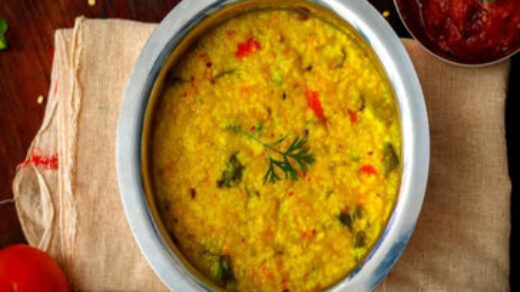



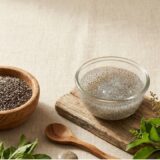
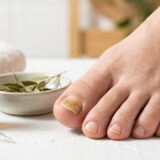











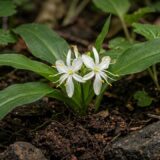





Ancient Greeks commonly marigolds to create makeup due to their strong coloring ability, besides this as a dye for both food and clothing. It has also been used as edible in cooking for centuries. In addition, marigold leaves were used for medicinal purposes, in fact, even today it is used.
Marigold leaves has a stronger aroma is it more active and are there different effects/benefits from the flowers?