7-Day Meal Plan for Fatty Liver: Indian Diet Plan

In today’s fast-paced world, a silent health crisis is steadily growing—Fatty Liver Disease, or Medojakara Yakrit Vikar in Ayurveda. Unlike modern medicine, which often treats this as a stand-alone condition, Ayurveda—India’s timeless “science of life”—sees it as a deeper imbalance in the body’s core energies, known as the Doshas.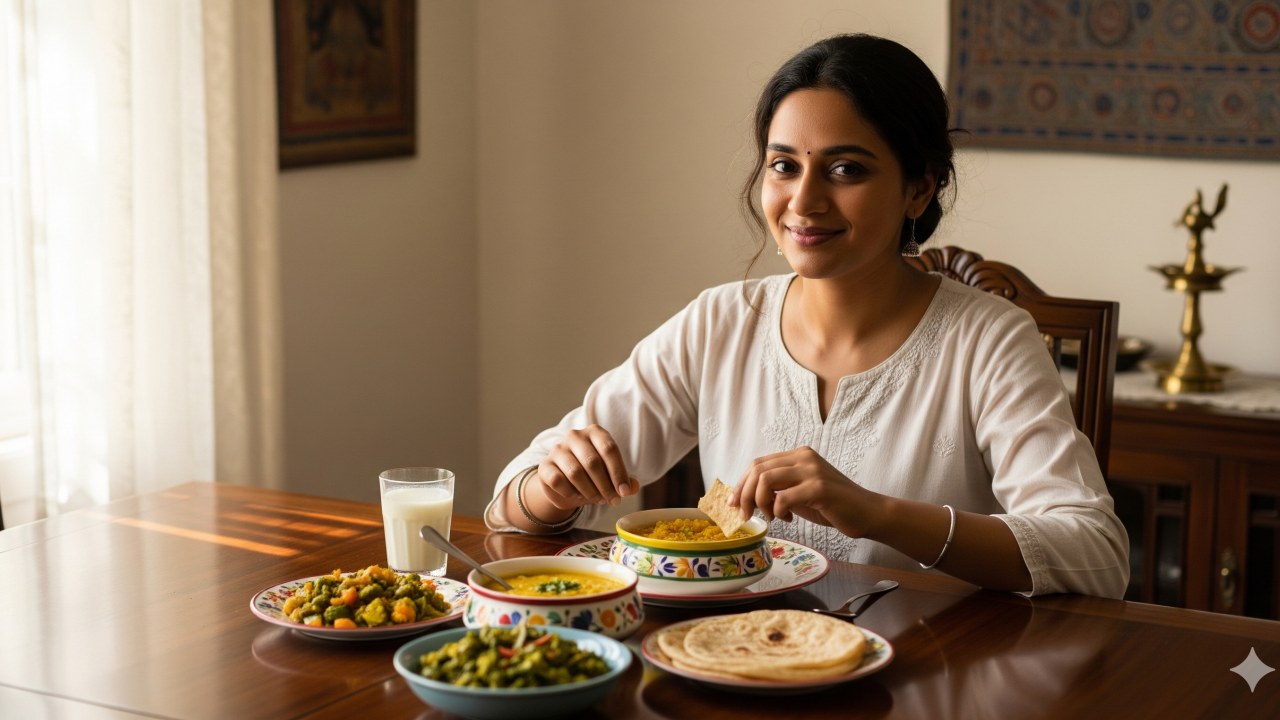 According to Ayurvedic wisdom, the liver (Yakrit) is the seat of Pitta Dosha, which governs digestion, metabolism, and transformation—what we call Agni, or the digestive fire. When our eating habits and lifestyle choices overload this fire, it leads to the formation of Ama—a sticky, toxic residue of undigested material that clogs the body’s internal channels (Srotas).
This toxic buildup, when combined with an excess of Kapha Dosha—which controls structure, lubrication, and fat—results in the accumulation of Medas (fat) in the liver. Over time, this causes the liver to become sluggish, enlarged, and unable to function properly.
But healing doesn’t have to mean giving up delicious food or following extreme diets. Ayurveda approaches recovery by rekindling the digestive fire (Sama Agni), eliminating toxins (Ama), and bringing the body back into balance—especially Pitta and Kapha.
This is achieved through Ahara (mindful eating), Vihara (balanced daily routine), and the gentle power of herbs and spices—many of which already live in your kitchen.
Ayurvedic Foundations for a Healthy Liver (Yakrit)
In Ayurveda, true healing means moving from a state of imbalance (Vikriti) back to your natural state of harmony (Prakriti). When it comes to fatty liver, this involves resetting the body’s core systems through diet, lifestyle, and awareness.
Here’s how Ayurvedic principles can gently guide you on that path:
1. Rekindle Your Agni (Digestive Fire)
In Ayurveda, Agni is the cornerstone of health. When it’s strong, we digest well and nourish our tissues. When it’s weak, toxins (Ama) build up and lead to disease.
What to do:
- Start your day with warm, Agni-boosting drinks like ginger tea or cumin-coriander-fennel tea.
- Make lunch your biggest meal—it’s when digestion is at its peak.
- Avoid overeating, snacking all day, or consuming cold/raw foods, as they weaken Agni.
2. Eliminate Ama (Toxic Buildup)
Ama is the sticky residue of poor digestion. It clogs the liver’s channels and slows detoxification.
What to do:
- Favor light, easy-to-digest (Laghu) foods like soups, khichdi, and steamed veggies.
- Use liver-cleansing spices like turmeric, ginger, black pepper, and cumin in your cooking.
- Choose warm, cooked meals over heavy or raw dishes.
3. Balance Kapha and Pitta Doshas
Fatty liver often reflects an excess of Kapha (weight, fluid retention, sluggishness), sometimes alongside aggravated Pitta (inflammation, heat).
To pacify Kapha:
- Cut back on heavy, oily, cold, and overly sweet foods.
- Favor warm, light, dry, and mildly spicy meals.
To pacify Pitta:
- Avoid overly spicy, sour, salty, or fried foods.
- Include more cooling, bitter, and astringent tastes in your meals.
4. Eat with the Six Tastes in Mind (Shadrasa)
Ayurveda categorizes all foods into six tastes (Rasas). For fatty liver, focus on those that cleanse and support digestion:
Emphasize:
- Bitter – kale, bitter gourd, turmeric, fenugreek (cleanses liver, reduces Ama)
- Astringent – lentils, green beans, pomegranate, okra (absorbs excess fluids, tones tissues)
- Pungent – ginger, cumin, black pepper, mustard seeds (stimulates Agni)
Reduce:
- Sweet – sugar, refined carbs, excess rice or wheat
- Sour – vinegar, fermented foods, excess citrus
- Salty – processed foods, extra salt, pickles in large amounts
By aligning your meals with these time-tested principles, you’re not just supporting your liver—you’re bringing your whole system back to balance. And the best part? You can do this with familiar Indian ingredients, flavors, and routines that feel good and taste even better.
The Power of Ayurvedic Herbs and Spices (Dravyas)
In Ayurveda, everyday herbs and spices aren’t just flavor enhancers—they’re powerful medicines (Dravyas) that support digestion, detoxification, and overall vitality. When it comes to liver health, certain ingredients truly shine:
- Turmeric (Haldi) – Known as a Yakritottejaka (liver stimulant) and Raktashodhaka (blood purifier), turmeric is a potent anti-inflammatory that helps break down Ama and supports liver detox.
- Ginger (Adrak) – A strong Deepana (appetizer) and Pachana (digestive), ginger boosts Agni and improves the breakdown and absorption of food.
- Cumin (Jeera) – Enhances digestion, supports nutrient assimilation, and balances both Pitta and Kapha doshas.
- Fenugreek (Methi) – Bitter in taste (Tikta Rasa), fenugreek is particularly effective in reducing Kapha and Medas (fat).
- Indian Gooseberry (Amla) – One of the richest sources of natural Vitamin C, Amla is a powerful Rasayana (rejuvenator) that nourishes and protects the liver.
- Guduchi (Giloy) – A revered Ayurvedic herb with Rasayana and detoxifying properties. It supports immune balance and promotes liver regeneration.
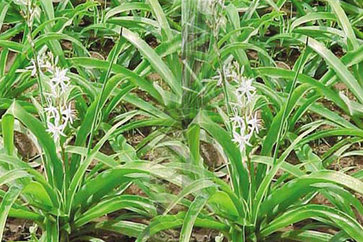
- Bhumi Amla (Phyllanthus niruri) – A classical liver-specific herb known for its hepatoprotective and rejuvenating effects, often used in managing fatty liver, hepatitis, and liver congestion.
Ritucharya: Eating with the Seasons and Daily Rhythms
Ayurveda teaches us that health isn’t just about what we eat—but when and how we eat it. This wisdom is known as Ritucharya (seasonal routine) and Dinacharya (daily routine).
In Spring (Vasanta): Focus on Kapha-pacifying foods—light, dry, warm, and mildly spicy to clear heaviness and sluggishness.
In Summer (Grishma): Shift to Pitta-pacifying choices—cooling, hydrating, and mildly sweet or bitter foods to calm heat and inflammation.
Daily Rhythm Tips:
- Eat a light breakfast to gently awaken digestion.
- Make lunch your main meal, when Agni (digestive fire) is strongest.
- Keep dinner very light and early, to allow the liver to rest and detox overnight.
By aligning your herbs, meals, and routines with nature’s rhythms, you support not just your liver—but your whole being. These small, intentional choices add up to profound, long-term healing.
The 7-Day Ayurvedic Meal Plan for Fatty Liver (Yakrit)
This plan blends ancient Ayurvedic wisdom with the comfort of everyday Indian cuisine. Each day is thoughtfully designed to kindle Agni, reduce Ama, and balance Pitta and Kapha doshas, supporting the liver’s natural detox and rejuvenation.
Daily Ayurvedic Rituals (Dinacharya) to Support Digestion & Detox
Start each day with these simple yet powerful rituals:
- Upon Waking: Scrape your tongue (Jihwa Nirlekhana) to remove overnight toxins.
- Morning Drink: Sip warm water—ideally stored overnight in a copper vessel (Tamra Jal)—with lemon or 1 tsp of Amla juice.
- Abhyanga (Oil Massage): Self-massage with warm sesame or coconut oil (5–20 mins) before your bath. It improves circulation, supports detox, and calms the mind.
How to Use This Plan
- Eat mindfully and without distraction. Sit down to eat in a calm space.
- Chew thoroughly—digestion starts in the mouth.
- Eat until 75% full. Leave space for Agni to do its work.
- Favor freshly prepared, warm, and cooked meals. Avoid leftovers, cold, or raw foods.
Day 1: Monday – Kindle Agni & Reduce Kapha
Morning: Warm water with lemon and a pinch of turmeric.
Breakfast: Spiced Vegetable Dalia→ Temper with cumin, mustard seeds, hing. Add bitter gourd and seasonal veggies.
Mid-Morning: Cumin-Coriander-Fennel (CCF) Tea
Lunch:
- 1–2 Jowar Rotis
- Moong Dal Tadka
- Lauki (bottle gourd) Sabzi with turmeric and cumin
- Green salad with lemon
Evening Snack: Handful of roasted chickpeas with turmeric and black pepper
Dinner: Light Lentil & Spinach Soup → Finish with a tadka of ghee, cumin, and kasuri methi.
Day 2: Tuesday – Embrace Bitter & Astringent Tastes
Morning: Warm water with 1 tsp Amla juice
Breakfast: 1 Methi Paratha with fresh yogurt
Mid-Morning: Stewed apple with cinnamon
Lunch:
- Small bowl of quinoa or brown rice
- Karela (bitter gourd) sabzi
- Masoor Dal (red lentils)
Evening: Green tea with a slice of fresh ginger
Dinner: 2 Moong Dal Chillas with mint-coriander chutney
Day 3: Wednesday – Deep Detox with Herbs
Morning: Warm Guduchi or Bhumi Amla tea (consult your Ayurvedic practitioner)
Breakfast: Ragi porridge with cardamom, soaked almonds, and ghee
Mid-Morning: Buttermilk (Chaas) with roasted cumin and rock salt
Lunch:
- 2 Bajra Rotis
- Kale/Spinach Sabzi
- Pumpkin Raita
Evening: Pomegranate seeds
Dinner: Khichdi (Basmati + Moong Dal with ghee, cumin, turmeric, coriander, ginger)→ A mono-meal to rest digestion and aid detox.
Day 4: Thursday – Cooling & Pitta-Pacifying
Morning: Fresh coconut water
Breakfast: Coconut Poha → Use grated coconut, mustard seeds, curry leaves, turmeric
Mid-Morning: Fennel tea
Lunch:
- 1–2 Chapatis
- Yellow Moong Dal with Spinach
- Bhindi (Okra) Bhurji
Evening: Sweet, ripe melon
Dinner: Kerala-style Vegetable Stew with coconut milk, turmeric, and mild spices
Day 5: Friday – Lightness & Rasayana (Rejuvenation)
Morning: Warm water with raw honey (never heat honey)
Breakfast: Steamed Modak-style Dumplings → Stuffed with coconut, jaggery, cardamom in rice or wheat flour dough
Mid-Morning: Amla murabba or raw Amla
Lunch:
- 1 Jowar Roti
- Ridge Gourd (Turai) Sabzi
- Cucumber-Pomegranate Salad
Evening: Soaked, peeled almonds
Dinner: Lauki Dal (Bottle Gourd + Moong Dal) Soup
Day 6: Saturday – Balancing All Six Tastes
Morning: Warm water with ginger
Breakfast: 2–3 Vegetable Idlis with Sambar → Use drumsticks, pumpkin, and mild spices. Limit tamarind.
Mid-Morning: Aloe Vera juice (¼ cup, pure)
Lunch:
- Brown Rice
- Bitter Melon Dal
- Beetroot Salad
Evening: Golden Milk (Haldi Doodh)
Dinner: Vegetable Upma → More veggies than semolina; temper with mustard seeds and curry leaves
Day 7: Sunday – Rest, Sattva & Simplicity
- Morning: Herbal tea with tulsi and ginger
- Breakfast: Seasonal fresh fruits (pomegranate, pear, apple)
- Mid-Morning: Date and nut ball (dates, figs, almonds)
- Lunch: A warm bowl of Khichdi with ghee
- Evening: Peppermint or chamomile tea
- Dinner: Light vegetable or pumpkin soup
Final Thoughts
This 7-day plan is more than just a diet—it’s a gentle reset that brings your body, mind, and liver back into rhythm with nature. Use it as a foundation to cultivate long-term habits of mindful eating, seasonal living, and self-care the Ayurvedic way.
The Ayurvedic Lifestyle for Fatty Liver (Yakrit) Health
Yoga and Pranayama: Certain practices work wonders for liver detox and balance:
- Asanas: Twisting poses like Ardha Matsyendrasana (Half Lord of the Fishes) and Marichyasana gently massage and stimulate the liver. Bhujangasana (Cobra Pose) and Dhanurasana (Bow Pose) also activate the abdominal area, aiding digestion and detoxification.
- Pranayama: Kapalbhati (Skull Shining Breath) fires up the digestive Agni and clears toxins, while Nadi Shodhana (Alternate Nostril Breathing) balances the doshas and calms the nervous system.
Mindful Eating (Ahara Vidhi Vidhana): Ayurveda stresses how we eat as much as what we eat:
- Eat only when truly hungry—wait until the previous meal is fully digested.
- Enjoy meals in a calm, peaceful environment; avoid distractions like TV or work.
- Chew your food slowly and thoroughly to support digestion.
Sleep (Nidra): Prioritize early sleep and wake times—ideally, sleep before 10 PM and rise before 6 AM (Brahma Muhurta). This aligns with the natural Kapha phase of the day, supporting restful sleep and allowing the liver to perform optimal detoxification during the night.
This 7-day meal plan isn’t a quick fix, but a gentle invitation to return to harmony—through nourishing foods, mindful rituals, and seasonal wisdom. By kindling your Agni, reducing Ama, and pacifying aggravated Kapha and Pitta, you create the internal space for your liver to rest, reset, and regenerate.
Disclaimer
Ayurveda is a personalized science. The recommendations here are general. For a plan tailored to your unique Prakriti (constitution) and Vikriti (imbalance), please consult a qualified Ayurvedic practitioner (Vaidya).