
Ayurvedic Ways to Detox and Cleanse Your Digestive System

In today’s fast-paced world—where processed foods, environmental toxins, and constant stress are part of daily life—our digestive systems often end up overwhelmed. Bloating, fatigue, brain fog, irregular bowel movements, and that sluggish, heavy feeling become all too common. The typical quick fixes—detox teas, juice cleanses, or trendy “cleansing” products—promise fast results. But more often than not, they leave us feeling drained and do little to address what’s actually going on inside.
Ayurveda, the ancient “Science of Life” from India, offers a completely different approach—one that’s gentle, nourishing, and deeply rooted in balance. An Ayurvedic cleanse isn’t about starving yourself or forcing your body through extreme detox methods. Instead, it’s a holistic process of resetting your digestive system, kindling your internal fire (known as Agni), and gently clearing out built-up toxins (Ama), all while supporting your body, mind, and spirit.
In this guide, we’ll explore how to cleanse your digestive system the Ayurvedic way—sharing time-tested principles, practical steps, and simple daily rituals to help you feel lighter, clearer, and more energized from the inside out.
The Digestive System: Understanding Agni, Ama, and Doshas
Before diving into the “how-to,” it’s essential to understand the “why.” Ayurvedic medicine is built on a few core concepts that define its unique approach to digestion.
1. Agni: Your Digestive Fire
In Ayurveda, the entire universe, including our bodies, is composed of five elements: Space, Air, Fire, Water, and Earth. The principle of Agni represents the fire element within us. It is our metabolic intelligence, the biological fire that governs digestion, absorption, assimilation, and transformation of food into energy, tissues, and consciousness.
- Strong Agni (Tikshna Agni): When your digestive fire is robust, you can eat a variety of foods with ease. You experience regular elimination, high energy, clear thinking, strong immunity, and a healthy glow.
- Weak or Low Agni (Manda Agni): When your fire is dim, food is not properly digested. This leads to the production of toxins, poor nutrient absorption, low energy, and a weakened immune system.
The ultimate goal of any Ayurvedic cleanse is not just to remove waste but to strengthen and balance Agni above all else.
2. Ama: The Root of Toxicity
When Agni is weak, food undergoes incomplete digestion. This undigested material ferments and putrefies in the digestive tract, forming a sticky, toxic, foul-smelling substance called Ama.
Think of Ama as the sludge that gums up the works. It clogs the subtle channels of the body (known as Srotas), impairing the flow of nutrients, energy, and information. Ama is the root cause of most disease, according to Ayurveda. Common signs of Ama accumulation include:
- A heavy, bloated feeling after eating
- Chronic fatigue and lethargy
- Brain fog, lack of mental clarity
- A coated tongue, especially in the morning
- Stiffness in the body and joints
- Bad breath and body odor
- Low immunity and frequent illnesses
- Digestive irregularities (constipation or diarrhea)
A cleanse, therefore, is a process of systematically digesting and eliminating this accumulated Ama.
3. The Doshas: Your Unique Mind-Body Constitution
Ayurveda recognizes three fundamental biological energies or humors, called Doshas, that govern all physical and mental processes. They are Vata (Air & Ether), Pitta (Fire & Water), and Kapha (Earth & Water). Every person has a unique proportion of these three doshas, known as their Prakriti (constitution).
Understanding your dominant dosha is crucial because it determines:
- Your natural digestive tendencies.
- The specific ways your Agni might become imbalanced.
- The ideal cleanse and dietary approach for you.
We will explore dosha-specific guidance later in the article.
The Daily Rituals for a Clean Digestive System
The most powerful Ayurvedic cleanse is the one you do every day. Incorporating these simple rituals into your routine prevents the accumulation of Ama, making deeper cleanses less frequent and more effective.
Start Your Day with Rituals (Dinacharya)
Start your day with Dinacharya, the ancient Ayurvedic routine designed to align your body and mind with nature. These simple daily rituals promote lasting health, balance, and overall well-being.
1. Wake Up Early
Rise before sunrise, during the Vata time (2–6 AM), when the mind is calm and the environment is still. Waking early aligns your body with nature’s rhythm, supports mental clarity, and sets a peaceful tone for the day. This habit balances circadian cycles and enhances energy, digestion, and emotional well-being.
2. Scrape Your Tongue (Jihwa Prakshalana)
Use a copper or stainless-steel tongue scraper immediately after waking. Gently scrape from back to front 5–7 times to remove toxins (Ama), bacteria, and dead cells. This prevents reabsorption, enhances taste, improves oral hygiene, and stimulates internal organs through tongue reflex points. Rinse your mouth well afterward for a fresh, clean start.
3. Drink Warm Lemon/Ginger Water
Hydrate your system by sipping warm water with fresh lemon juice or ginger slices. This morning tonic stimulates digestion, awakens Agni (digestive fire), flushes the kidneys, and supports liver detoxification. It’s a gentle, Ayurvedic way to energize the body, reduce sluggishness, and encourage regular elimination first thing in the morning.
4. Oil Pulling (Gandusha/Kavala)
Swish 1–2 tablespoons of sesame or coconut oil in your mouth for 5–20 minutes. This pulls toxins from oral tissues, improves gum health, whitens teeth, and boosts immunity. Spit into the trash, rinse with warm water, and brush if needed. A powerful detox ritual to support overall health and clarity.
Eat to Stoke Your Digestive Fire
Eat in a way that fuels your digestive fire (Agni), the cornerstone of strong metabolism and overall health in Ayurveda. Mindful eating habits can enhance digestion, boost energy, and support long-term wellness.
1. Make Lunch Your Largest Meal
According to Ayurveda, digestion peaks between 10 a.m. and 2 p.m., when the sun is highest. Plan your largest, most nourishing meal during this time. A heavier lunch supports optimal nutrient absorption and energy for the day. Eating light at dinner allows the digestive system to rest and detoxify overnight.
2. Eat Mindfully
Disconnect from screens and sit peacefully while eating. Take deep breaths before your first bite, and chew thoroughly until your food is almost liquid. Mindful eating engages your senses, activates saliva enzymes, and helps your body shift into “rest and digest” mode. This simple habit enhances nutrient absorption and prevents overeating.
3. Favor Warm, Cooked Foods
Warm, moist, and cooked foods are easier to digest and gentler on your Agni (digestive fire). Stews, soups, steamed vegetables, and lightly spiced grains promote balance and nourishment. Avoid cold, raw, or dry foods—like iced drinks and heavy salads—which can weaken digestion and lead to bloating, gas, or sluggish metabolism.
4. Incorporate Digestive Spices
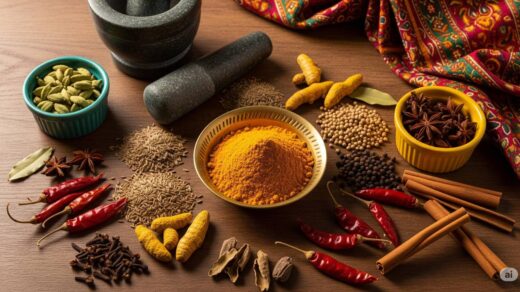
Spices like ginger, cumin, fennel, coriander, and turmeric enhance digestion, kindle Agni, and prevent toxin buildup (Ama). Far beyond flavor, they act as Ayurvedic medicine in your kitchen. Add spices during cooking to activate their therapeutic benefits and make your meals more satisfying, energizing, and easier for the body to process.
- Cumin: Digests proteins, reduces bloating and gas.
- Coriander: A cooling spice that soothes the digestive tract.
- Fennel: A natural carminative that relieves intestinal spasms and freshens breath.
- Ginger: The ultimate Agni-kindler. Use fresh in cooking or tea.
- Turmeric: A powerful anti-inflammatory that protects the intestinal lining.
- Black Pepper: Enhances the bioavailability of other spices and nutrients.
5. Sip Warm Water
Keep a thermos of warm or hot water nearby and sip it throughout the day. This simple Ayurvedic practice hydrates tissues, supports digestion, and flushes toxins from the system. Avoid cold drinks, which weaken Agni and slow metabolism. Warm water keeps digestive channels open and promotes ongoing internal cleansing.
Embrace a Sattvic Lifestyle
Ayurveda classifies food and activities by their qualities (Gunas). For cleansing, we aim for Sattva – the quality of purity, clarity, harmony, and balance.
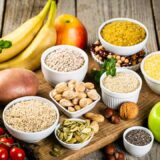
Sattvic Foods: Fresh, organic, seasonal fruits and vegetables; whole grains like basmati rice and quinoa; legumes like mung beans; nuts and seeds (soaked); healthy fats like ghee; and mild spices.
Minimize Tamasic and Rajasic Foods:
- Tamasic (inert, dulling): Processed foods, canned foods, leftovers (older than 24-36 hours), alcohol, red meat, mushrooms, garlic, and onions (in excess).
- Rajasic (over-stimulating): Excessive caffeine, very spicy food, refined sugar, chocolate, and stimulants.
The Kitchari Cleanse: A Practical Step-by-Step Guide
When you feel the need for a deeper reset—perhaps during seasonal changes, after a period of indulgence, or when experiencing strong signs of Ama—a short Kitchari Cleanse is the perfect Ayurvedic solution.
Kitchari (or Khichadi) is a simple, nourishing dish made from basmati rice and split mung beans, cooked with digestive spices and ghee. It is tridoshic, meaning it helps balance all three doshas.
Why Kitchari is the Ideal Cleanse Food
- Easy to Digest: The combination of rice and mung beans provides a complete protein profile that is incredibly easy on Agni.
- Nourishing: It provides steady energy and vital nutrients, so you don’t feel starved or depleted.
- Cleansing: The spices and ghee help loosen Ama from the tissues and move it toward the digestive tract for elimination.
- Gives the System a Rest: By eating the same simple food for every meal, your digestive system gets a vacation from the complex task of processing a wide variety of foods.
How to Do a 3-5 Day Kitchari Cleanse
Preparation (1-2 Days Before):
- Gradually reduce heavy foods: meat, dairy, processed foods, sugar, caffeine, and alcohol.
- Increase intake of light, cooked vegetables and simple grains.
- Shop for your ingredients: organic basmati rice, split yellow mung beans (washed and soaked), fresh ginger, turmeric, coriander, cumin, mustard seeds, fennel seeds, and high-quality ghee.
- Prepare your mindset. This is a retreat for your body, not a punishment.
The Cleanse (3-5 Days):
- Upon Waking: Drink warm lemon/ginger water.
- Breakfast: A bowl of kitchari. Yes, it’s for breakfast too!
- Lunch: Your main meal of kitchari. Eat until you are satisfied.
- Dinner: A slightly smaller portion of kitchari, ideally finished before 7 p.m.
- Throughout the Day: Sip warm water, CCF tea (cumin, coriander, fennel), or ginger tea.
- Triphala: Take ½ to 1 tsp of Triphala powder in warm water at bedtime to support gentle elimination overnight.
Classic Kitchari Recipe
Ingredients:
- 1 cup white basmati rice
- 1 cup split yellow mung beans (washed and soaked for 4+ hours)
- 2 tbsp ghee
- 1 tsp cumin seeds
- 1 tsp coriander seeds
- 1 tsp mustard seeds
- ½ tsp fennel seeds
- 1 tbsp fresh grated ginger
- 1 tsp turmeric powder
- A pinch of asafoetida (hing) – excellent for reducing gas
- 6 cups water (or more for a soupy consistency)
- Salt to taste (rock salt or sea salt)
- Fresh cilantro for garnish
Instructions:
- In a medium pot, warm the ghee over medium heat.
- Add the cumin, mustard, coriander, and fennel seeds. Sauté until the mustard seeds pop.
- Add the grated ginger, turmeric, and asafoetida. Stir for 30 seconds.
- Drain the mung beans and add them to the pot with the rice. Stir to coat with the spiced ghee for 1-2 minutes.
- Add water and bring to a boil.
- Reduce heat to low, cover, and simmer for 25-30 minutes, stirring occasionally, until it reaches a soft, porridge-like consistency. Add more water if needed.
- Add salt to taste and garnish with fresh cilantro.
Post-Cleanse Reintroduction (1-2 Days):
- Do not break your cleanse with a pizza! This is a critical phase.
- On the first day, you might have kitchari for two meals and introduce a simple, easily digestible food for the third, like steamed vegetables or a lentil soup.
- Gradually reintroduce other foods over the next few days: dairy, raw foods, wheat, etc. Pay attention to how your body responds.
Key Ayurvedic Herbs for Digestion and Healthy Gut
Good digestion is at the heart of good health—this is a core principle of Ayurveda, the ancient healing system of India. According to Ayurvedic wisdom, a strong Agni (digestive fire) is essential for absorbing nutrients, eliminating waste, and maintaining overall well-being.
Rather than relying on harsh cleanses or over-the-counter remedies, Ayurveda turns to time-tested herbs that gently support and rejuvenate the digestive system.
In this post, we’ll explore five key Ayurvedic herbs that can help you build a strong, balanced, and resilient digestive system.
1. Triphala: The Gentle Cleanser
Triphala is one of the most revered formulas in Ayurveda. Its name means “three fruits”—a blend of:
- Amalaki (Emblica officinalis) – cooling and rich in Vitamin C
- Bibhitaki (Terminalia bellirica) – detoxifying and astringent
- Haritaki (Terminalia chebula) – rejuvenating and mildly laxative
Together, these three fruits form a rasayana, or rejuvenative formula, that gently tones the entire digestive tract. Triphala supports regular bowel movements, reduces bloating, and helps remove toxins (ama) from the system—all without creating dependency.
Best Time to Take: Before bedtime, with warm water.
2. Ginger: The Universal Remedy
Ginger is known in Ayurveda as vishwa-bheshaja, or “the universal medicine”—and for good reason. It stimulates Agni, improves circulation, and helps relieve gas, nausea, and sluggish digestion.
- Fresh ginger is slightly milder and ideal in cooking or as a tea before meals.
- Dry ginger (known as Shunti in Sanskrit) is more heating and especially good for Kapha-related digestive sluggishness.
How to Use: Add slices of fresh ginger with lemon before meals, or use dry ginger powder in teas and cooking.
3. Turmeric: Gut-Healing and Anti-Inflammatory
Turmeric (Curcuma longa) is much more than a trendy spice. In Ayurveda, it’s a revered herb for its ability to reduce inflammation, heal the gut lining, and support liver function—which is vital for digestion and detoxification.
It balances all three doshas (especially Pitta), and is often used to manage conditions like acid reflux, leaky gut, and indigestion.
Tip: Combine turmeric with a pinch of black pepper and healthy fat (like ghee or coconut oil) to enhance absorption.
4. Aloe Vera: Cooling Digestive Soother
For those dealing with Pitta imbalances like acidity, heartburn, or inflammation in the digestive tract, aloe vera is a cooling and bitter tonic. It soothes internal heat, promotes regular elimination, and helps regenerate the mucous lining of the intestines.
Look for organic, food-grade aloe vera gel or juice, free of added sugars or artificial preservatives.
When to Take: Early morning or between meals, on an empty stomach (unless advised otherwise by your practitioner).
5. Licorice (Yashtimadhu): Sweet Support for the Stomach
Licorice root, known as Yashtimadhu in Ayurveda, is a naturally sweet herb that soothes the stomach lining, reduces acid, and supports Vata digestion (which often suffers from dryness, gas, and irregularity).
It’s also an adaptogen, meaning it helps the body manage stress—a key factor in digestive health.
Caution: Avoid large doses if you have high blood pressure; consult a practitioner if unsure.
Final Thoughts: Listen to Your Body
Ayurveda teaches that no single herb is right for everyone at all times. Always consider your dosha (body constitution), current imbalances, and the season when choosing herbs.
These five Ayurvedic herbs offer gentle, holistic support for your digestive system—without harsh side effects or short-term fixes.
Important: Always consult an Ayurvedic practitioner before starting any new herbal regimen, especially if you are on medication or have health conditions.
Panchakarma: The Ultimate Ayurvedic Detox
For a complete and deep reset, there is no substitute for Panchakarma (PK). PK is a multi-step, clinical, and residential cleansing process that must be performed under the strict supervision of experienced practitioners. It is tailored to your individual doshic imbalance and involves three phases:
1. Purvakarma (Preparation): The body is prepared for toxin release through Snehana (internal and external oleation with medicated oils/ghee) and Swedana (herbal steam therapy to loosen toxins).
2. Pradhanakarma (Main Therapies): This is the “five actions” for eliminating toxins.
- Vamana: Therapeutic emesis for Kapha-related toxins.
- Virechana: Purgation therapy for Pitta-related toxins via the intestines.
- Basti: Medicated enema therapy, considered the most important treatment, for Vata-related toxins lodged in the colon.
- Nasya: Administration of medicated oils through the nose to cleanse the sinuses and head.
- Raktamokshana: Bloodletting (rarely used in modern times).
3. Paschatkarma (Post-Therapy): A crucial period of gradual rejuvenation, specific diet, and lifestyle guidance to restore strength and ensure the benefits of the treatment are locked in.
Panchakarma is a profound investment in your long-term health, offering not just physical cleansing but also mental clarity and emotional release.
Cleansing Tips for Your Dosha
While the general principles apply to everyone, you can enhance your cleanse by considering your dominant dosha.
For Vata Dominant Types:
- Tendency: Irregular appetite and digestion, prone to gas, bloating, and constipation.
- Cleanse Focus: Grounding, hydration, and warmth. Avoid raw foods completely during a cleanse.
- Kitchari Tips: Use more ghee and warming spices like ginger, cumin, and asafoetida (hing). Ensure the kitchari is well-cooked and soupy.
- Lifestyle: Stick to a very regular routine for meals and sleep. Favor gentle, grounding exercises like walking in nature and restorative yoga.
For Pitta Dominant Types:
- Tendency: Strong Agni, but can become excessive, leading to acid reflux, inflammation, and loose stools.
- Cleanse Focus: Cooling, calming, and moderation. Avoid spicy, sour, and fermented foods.
- Kitchari Tips: Use cooling spices like coriander, fennel, and cardamom. Add fresh cilantro. Aloe vera juice is excellent.
- Lifestyle: Avoid excessive heat. Eat in a calm environment to avoid “angry” digestion. Favor cooling practices like moon bathing and swimming.
For Kapha Dominant Types:
- Tendency: Slow, steady Agni that can easily become sluggish, leading to weight gain, lethargy, and mucus formation.
- Cleanse Focus: Stimulating, lightening, and warming. Avoid dairy, heavy fats, and sweets.
- Kitchari Tips: Use less ghee and more pungent spices like black pepper, dry ginger, and a small amount of chili. Keep portions modest.
- Lifestyle: This is the dosha that benefits most from a regular cleanse. Incorporate vigorous, energizing exercise every day. Wake up early and avoid daytime naps.
Cleansing your digestive system with Ayurveda is a sacred act of self-care—nourishing your body with simplicity, strengthening Agni, reducing Ama, and realigning with your natural vitality.
























Vary nice and knoledgable article on “Ayurvedic Ways To Improve Digestion” good and keep it up.
Thanks