How to Treat Child’s Stomach Pain Naturally with Ayurveda

The sharp cry of “My tummy hurts!” is a universal refrain echoing through countless homes. Abdominal pain, a frequent and often distressing complaint in childhood, can stem from a bewildering array of causes – fleeting gas bubbles, transient indigestion, viral invaders, constipation, stress, or occasionally, signals of something more serious. While conventional medicine offers vital diagnostic tools and treatments, Ayurveda, India’s ancient science of life and longevity, provides a profoundly holistic and gentle perspective. It doesn’t just aim to silence the symptom; it seeks to understand the unique constitution of the child.
Identifying the root imbalance disrupting their inner harmony and restoring natural digestive health and overall well-being through natural means. This comprehensive approach makes Ayurveda an invaluable ally in navigating the often-turbulent waters of pediatric abdominal discomfort.
Ayurveda in Child Health: A Natural Approach to Care
Ayurveda’s approach to pediatric care, known as Kumara Tantra, is inherently gentle and preventative. It recognizes children (Balas) as inherently delicate, possessing a predominance of Kapha Dosha, rapidly developing tissues, and highly sensitive physiological systems.
Their Agni is naturally variable – sometimes strong, sometimes weak. Therefore, treatments focus on non-invasive methods, dietary regulation, lifestyle adjustments, and herbal formulations designed to gently correct imbalances.
To strengthen Agni, eliminate Ama, and support the child’s inherent resilience without harsh interventions. This makes it particularly suited for common functional complaints like recurrent abdominal pain.
Abdominal Pain in Ayurveda: The Role of Agni and Doshas
Ayurveda diagnoses abdominal pain not as a single entity, but by identifying the specific Doshic imbalance underlying the discomfort. Each Dosha, when aggravated, manifests distinct characteristics:
1. Vata-Dominant Pain: Vata, composed of Air and Ether elements, governs all movement, including peristalsis (intestinal contractions), gas formation, and nerve impulses. When aggravated (often by cold, dry, light foods, irregular eating, stress, or anxiety), Vata disrupts the downward flow (Apana Vayu), leading to:
- Colicky, spasmodic, or cramping pain that shifts location.
- Pronounced bloating and excessive gas (flatulence).
- Constipation with dry, hard stools or irregular bowel movements.
- Accompanying symptoms: Anxiety, restlessness, dry skin, feeling cold.
Think: The child clutching their belly, unable to sit still, pain coming in waves, gurgling sounds.
2. Pitta-Dominant Pain: Pitta, formed of Fire and Water elements, governs digestion, metabolism, and body temperature. When aggravated (by spicy, sour, fried foods, excessive heat, anger, or skipped meals), Pitta inflames the digestive tract, leading to:
- Burning pain or intense discomfort in the upper abdomen or around the navel.
- Acid reflux, heartburn, or sour burps.
- Loose stools or diarrhea, often yellowish, foul-smelling, or containing mucus.
- Excessive thirst, feverishness, irritability, and flushed skin.
Think: The child complaining of a “hot” or “burning” stomach, feeling nauseous, possibly vomiting acidic contents.
3. Kapha-Dominant Pain: Kapha, made of Earth and Water elements, provides stability and lubrication. When aggravated (by heavy, cold, sweet, oily foods, overeating, inactivity, or cold/damp weather), Kapha slows down digestion and increases mucus production, leading to:
- Dull, heavy, aching pain is often localized in the lower abdomen.
- Feeling of fullness or nausea even after small meals.
- Sluggish digestion, lethargy, excessive salivation, or mucus production.
- Constipation with sticky, heavy stools or diarrhea with mucus.
Think: The child feels lethargic, complaining of a “heavy” stomach, perhaps coughing with mucus, moving slowly.
The Role of Agni (Digestive Fire) in Abdominal Pain
Regardless of the primary Dosha involved, impaired Agni is almost always a central player in abdominal pain.
- Mandagni (weak Agni) fails to properly digest food, leading to Ama formation, stagnation, bloating, and discomfort.
- Vishamagni (irregular Agni) – often linked to Vata imbalance – causes erratic digestion, alternating constipation and diarrhea, and variable appetite.
- Tikshnagni (sharp Agni) – associated with Pitta – can lead to hyperacidity, inflammation, and a burning sensation. Restoring balanced Agni (Samagni) is paramount for resolving abdominal pain and preventing recurrence.
Other Contributing Factors: Ayurveda recognizes that imbalances are rarely caused by diet alone. Contributing factors include:
- Poor Diet: As emphasized, incompatible foods, overeating, under-eating, irregular meals, excessive junk food, and cold drinks.
- Lack of Sleep: Disrupts natural rhythms and weakens Agni.
- Stress & Anxiety: Particularly significant in older children and teens; emotional turmoil directly impacts gut function (the gut-brain axis is a modern confirmation of Ayurvedic principles).
- Physical Inactivity: Slows down metabolism and Kapha.
- Exposure to Cold/Damp: Aggravates Vata and Kapha.
- Seasonal Changes: Transitions between seasons can destabilize Doshas.
Ayurvedic View on Children’s Abdominal Pain Causes
Building on the understanding of Doshas and Agni, Ayurveda identifies specific causative factors:
1. Dietary Imbalances (Aharaja Hetu)
- Incompatible Foods (Viruddha Ahara): Combining foods that disrupt digestion (e.g., milk with fish or sour fruits, yogurt at night).
- Excessive Quantity (Atimatrata): Overloading the digestive system.
- Poor Quality (Dushta Ahara): Stale, processed, chemically-laden foods.
- Wrong Timing (Akala Bhojana): Eating when not hungry, skipping meals, eating too close to bedtime.
- Specific Aggravators: Excessive cold foods/drinks (aggravate Vata/Kapha), spicy/sour/fermented foods (aggravate Pitta), heavy/greasy/sweet foods (aggravate Kapha), raw vegetables in excess (difficult to digest).
2. Digestive Issues (Annadrava Shula)
- Adhmana (Gas/Bloating): Primarily Vata imbalance.
- Vibandha (Constipation): Often Vata (dryness) or Kapha (sluggishness).
- Ajirna (Indigestion): Weak Agni leading to undigested food (Ama), heaviness, nausea. Can involve any Dosha.
- Grahani (Malabsorption/Irritable Bowel tendencies): Chronic condition often stemming from persistent Agni imbalance and Ama.
3. Infections or Inflammation (Ama/Jwara/Shotha)
- Ama: Toxins formed from improperly digested food are a breeding ground for pathogens and cause inflammation.
- Jwara (Fever/Infection): Viral or bacterial infections affecting the gut (gastroenteritis) are seen as Pitta/Kapha imbalances with Ama.
- Shotha (Inflammation): Pitta aggravation leading to inflammatory conditions.
4. Emotional Stress (Manasika Hetu)
- Fear, anxiety, stress, insecurity, and excessive mental exertion disturb Vata Dosha significantly.
- Anger, frustration, and jealousy aggravate Pitta.
- These disturbances directly impact the gut via the nervous system, causing spasms, altered motility, and pain – often termed “butterflies in the stomach” or manifesting as Irritable Bowel Syndrome (IBS) in older children.
Ayurvedic Treatments for Children
Ayurvedic management focuses on pacifying the aggravated Dosha(s), restoring Agni, eliminating Ama, and strengthening digestion, using gentle, natural methods suitable for children:
1. Dietary Recommendations (Pathya Ahara)
General Principles: Warm, freshly cooked, easily digestible foods. Small, frequent meals if Agni is weak. Avoid incompatible combinations.
Emphasize taste according to Dosha: Sweet (soothing for Pitta/Vata, aggravating for Kapha), Sour (stimulates weak Agni but aggravates Pitta), Salty (in moderation, pacifies Vata), Pungent (stimulates Agni/Kapha, aggravates Pitta/Vata), Bitter (detoxifying, good for Pitta/Kapha), Astringent (drying, good for Pitta/Kapha).
Specific Foods to Emphasize:
- Vata: Warm soups/stews, well-cooked grains (rice, oats), mung dal (split yellow lentils), cooked root vegetables, ripe sweet fruits, ghee (clarified butter – in moderation), warm milk with ginger/cardamom.
- Pitta: Cooling foods – sweet fruits (grapes, melons, pears), cucumber, zucchini, leafy greens (cooked), coconut water, ghee, milk, basmati rice. Avoid sour/spicy/hot.
- Kapha: Light, warming, drying foods – barley, millet, quinoa, mung beans, lentils, steamed leafy greens, apples, pomegranates, ginger, honey (never cooked), light soups. Avoid heavy/dairy/sweets/cold.
Universal Soothers: Khichdi (mung dal and rice cooked with cumin, coriander, turmeric, and ghee) is the quintessential Ayurvedic digestive reset meal. Warm vegetable soups. Ginger tea (small sips). Cumin-Coriander-Fennel (CCF) tea.
Key Herbal Supports:
- Triphala: A classic blend of Amalaki, Bibhitaki, and Haritaki. Gentle, non-habit forming, supports digestion, regular elimination, and detoxification. Can be given as a very mild decoction or powder mixed with warm water or honey (for children over 1 year) before bed. Dose is crucial – consult an Ayurvedic practitioner.
- Ghee (Clarified Butter): Medicated ghee (Ghrita) is highly valued. Regular ghee, used moderately in cooking, pacifies Vata and Pitta, lubricates the gut, and enhances Agni without increasing Pitta excessively. Sparsha (Anu) Tailam is a specific medicated ghee for abdominal issues.
Foods to Avoid: Cold foods/drinks, ice cream, carbonated beverages, heavy fried foods, excessive raw vegetables/salads (especially for Vata/Kapha), processed/junk food, refined sugar, excessive dairy (especially cheese/yogurt for Kapha/Pitta), leftovers, incompatible combinations.
Home Remedies for Stomach Pain in Children
These natural remedies are rooted in traditional practices and can help soothe common digestive issues like bloating, gas, and indigestion in kids. Always consult a pediatrician before introducing anything new to young children.
1. Pudina (Mint)
Benefits: Calms indigestion, gas, acidity and reduces anxiety.
How to use:
- Boil a few chopped mint leaves in water (5–10 minutes).
- Strain and serve as mild mint tea.
- Or chew raw leaves or add as chutney.
2. Ajwain (Carom Seeds)
Benefits: Reduces abdominal bloating, gas, pain, and swelling.
How to use:
- Soak 1 tsp ajwain in a glass of warm water overnight.
- Strain and drink in the morning or during discomfort.
3. Lemon & Honey
Benefits: Lemon aids digestion and breaks down food; honey soothes cramps with its antibacterial properties.
How to use:
- Mix 1 tsp lemon juice + 1 tsp honey in 1 glass of lukewarm water.
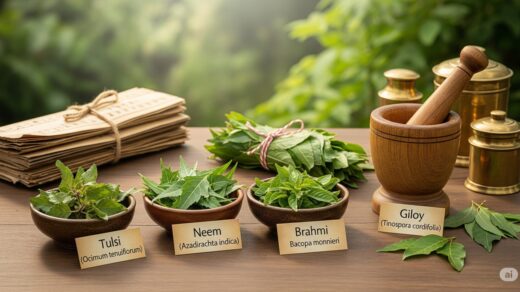
- Optionally, add Tulsi (holy basil) leaves.
- Drink after meals.
4. Jeera (Cumin Seeds)
Benefits: Helps with gas, bloating, acidity, and improves digestion.
How to use:
- Boil 1 tsp cumin seeds in 2 cups of water.
- Cool, strain, and drink after meals.
- For quick relief from acidity: mix cumin powder in lukewarm water.
5. Triphala
Benefits: Supports digestion, detoxification, and bowel health.
How to use:
- Mix 1 tsp Triphala powder in 1 glass of lukewarm or boiled water.
- Drink regularly, preferably at night.
6. Haridra (Turmeric)
Benefits: Anti-inflammatory and digestive healing agent.
How to use:
- Mix 1 tsp turmeric powder + 1 tsp cinnamon in 100–150 ml lukewarm water.
- Drink twice daily after meals.
7. Hing (Asafoetida)
Benefits: Reduces gas, bloating, and flatulence.
How to use:
- Add 1 tsp hing to 1 glass of warm water.
- Optional: Add a little sugar to improve taste.
- Drink on an empty stomach.
8. Saunf (Fennel Seeds)
Benefits: Relieves gas, indigestion, flatulence, and relaxes GI muscles.
How to use:
- Boil 1 tsp fennel seeds + 1 tsp ajwain in 1 liter of water.
- Strain and sip warm throughout the day.
9. Banana
Benefits: Bananas are gentle on the stomach, rich in potassium, and help restore electrolytes. They’re great for children with mild stomach upset, diarrhea, or nausea.
How to use:
- Give a ripe banana to your child as is, mashed if preferred.
- Combine with rice or toast (part of the BRAT diet: Bananas, Rice, Applesauce, Toast) for a gentle meal.
Note: Avoid unripe bananas, which can be harder to digest.
10. Warm Rice Pack
Benefits: Acts as a natural heating pad to soothe cramps, gas pain, or bloating.
How to use:
- Fill a clean cotton sock or cloth pouch with uncooked rice.
- Heat it in the microwave for 30–60 seconds (make sure it’s warm, not hot).
- Place it gently on the child’s abdomen for 10–15 minutes under supervision.
Note: Always check the temperature to avoid burns.
Herbal Remedies (Aushadha) for Stomach Pain in Children
Natural Ayurvedic herbs can gently ease gas, bloating, colic, and indigestion in children—when used correctly and in small, age-appropriate doses. Below are some commonly used remedies.
1. Safoof-e-Baiza
A classical powdered blend made from roasted cumin seeds (Jeera), coriander seeds (Dhaniya), and fennel seeds (Saunf).
- Benefits: Helps calm Vata-related issues like gas, bloating, and mild colic.
- How to Use: A small pinch (1/16 to 1/8 tsp) can be mixed into warm water or given directly before or after meals or feeds.
2. Ajwain (Carom Seeds / Trachyspermum ammi)
A powerful remedy for indigestion, gas, and colic.
- Ajwain Water: Crush 1 tsp ajwain, boil in 1 cup of water for 5 mins, strain, and cool to lukewarm. Give 1–2 teaspoons as needed.
- Ajwain + Jaggery: Mix a tiny amount of ajwain with jaggery (gur) for a sweet digestive aid.
- Ajwain + Rock Salt: Roast ajwain, grind it with rock salt—an age-old remedy for gas and stomach upset.
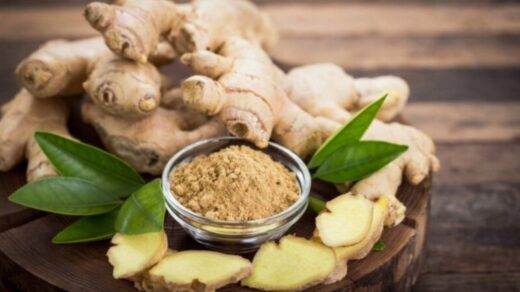
3. Ginger (Adrak / Zingiber officinale)
A warming herb known for its digestive and anti-nausea properties.
- Ginger Tea: Boil fresh ginger slices in water. Add a drop of honey (only if the child is over 1 year). You can combine with fennel or mint.
- Ginger Juice: A few drops of ginger juice mixed with honey work well for nausea or sluggish digestion.
4. Fennel (Saunf / Foeniculum vulgare)
Soothes gas, cramps, and nausea.
- Can be chewed after meals.
- Make a mild fennel tea for gentle digestion.
5. Coriander (Dhaniya / Coriandrum sativum)
A cooling herb, great for Pitta-related issues like acidity or burning sensations.
- Use coriander seeds in tea or include fresh leaves in the child’s meals.
6. Pudina (Mint / Mentha spicata)
Cooling and aromatic, it relieves gas and nausea.
- Mint Tea is an excellent remedy for children experiencing digestive discomfort from heat or inflammation (Pitta aggravation).
7. Hing (Asafoetida / Ferula assa-foetida)
A potent Vata-pacifier and gas reliever.
- Just a tiny pinch added to warm water, butter, or foods like lentils can help reduce bloating and flatulence.
8. Classical Ayurvedic Formulations
These are best used under the guidance of a qualified Ayurvedic pediatrician:
- Hingvastak Churna – For gas, bloating, and Vata digestion issues
- Chitrakadi Vati – A digestive stimulant
- Kumaryasava – Supports digestion and the liver in Pitta-related conditions
- Dadimashtaka Churna – For Kapha-related indigestion
Important Note:
Always consult a qualified Ayurvedic pediatrician before giving any herbs or formulations. Dosage depends on the child’s age, body constitution (Prakriti), and digestive imbalance (Vikriti).
Abhyanga (Therapeutic Oil Massage)
Benefits: Calms Vata and Pitta, improves circulation, promotes relaxation, enhances digestion, strengthens muscles and bones, improves sleep. Regular Abhyanga builds Ojas (immunity).
Oils: Sesame oil (warming, good for Vata), Coconut oil (cooling, good for Pitta), Mustard oil (warming, good for Kapha/Vata in cold climates). Can be plain or medicated (e.g., Bala Tailam, Ksheerabala Tailam for Vata pain).
Method: Warm the oil slightly. Gently massage the child’s entire body using long strokes on limbs and circular strokes on joints and abdomen. Gentle clockwise circles on the abdomen are specifically soothing for digestion and gas. Duration: 5-15 minutes. Best followed by a warm bath. The ideal time is morning before bath or evening before bed.
Ayurvedic Basti (Medicated Enema)
- Role: Primarily used for Vata imbalance, severe constipation, chronic gas, and pain. Administered rectally, it helps lubricate the colon, promote downward movement of Vata, expel accumulated waste and toxins, and soothe the intestinal lining.
- Types: Anuvasana Basti (oil enema) and Niruha/Asthapana Basti (decoction enema). For children, mild oil enemas (e.g., plain sesame oil or medicated oils like Shatapushpadi Tailam) are more common for Vata issues.
Crucial Note: Basti should ONLY be administered under the strict guidance and prescription of a qualified Ayurvedic physician. It requires precise diagnosis, formulation, dosage, and technique, especially for children. Self-administration is strongly discouraged.
Yogasanas (Gentle Yoga Poses)
- Child’s Pose (Balasana): Gently compresses the abdomen, aiding digestion and relieving gas cramps. Very calming.
- Wind-Relieving Pose (Pawanmuktasana): Lying on the back, bring one knee at a time towards the chest, hugging it. Excellent for releasing trapped gas.
- Cat-Cow Pose (Marjaryasana-Bitilasana): Gentle spinal flexion and extension massages abdominal organs and improve digestion.
- Supine Twist (Supta Matsyendrasana): Gentle twisting motion stimulates digestion and relieves bloating.
- Deep Breathing (Pranayama): Simple belly breathing (diaphragmatic breathing) calms the nervous system (Vata), reduces stress, and massages internal organs. Teach the child to breathe in slowly through the nose, letting the belly rise, and exhale slowly through the nose, letting the belly fall. Even 1-2 minutes can help.
Lifestyle Recommendations for Prevention
Ayurveda emphasizes prevention (Swasthavritta) as the highest form of medicine. Incorporating these practices can significantly reduce the frequency and severity of abdominal pain:
1. Establish Routine (Dinacharya)
- Regular Meal Times: Eat meals at consistent times each day to train Agni. Avoid constant snacking.
- Mindful Eating: Create a calm environment. Encourage sitting down to eat, chewing food thoroughly (digestion starts in the mouth!), and avoiding screens/distractions. Teach gratitude for food.
- Avoid Overeating: Encourage listening to hunger/fullness cues. The stomach should ideally be 1/2 full with food, 1/4 with liquid, and 1/4 empty for digestive action.
- Early, Light Dinner: Dinner should be the lightest meal, ideally 2-3 hours before bedtime to allow for digestion before sleep.
2. Hydration and Rest
- Warm Fluids: Encourage sipping warm or room temperature water throughout the day. Herbal teas like CCF, ginger, or mint are excellent. Avoid ice-cold drinks.
- Adequate Sleep: Ensure age-appropriate, restful sleep. Maintain consistent bedtimes and wake-up times. Sleep is vital for Agni regulation and tissue repair.
3. Managing Stress and Emotional Health
- Calm Environment: Foster a loving, secure, and low-stress home atmosphere.
- Open Communication: Encourage children to express their feelings and worries.
- Calming Activities: Incorporate storytelling, gentle music, coloring, nature walks, simple meditation or breathing exercises, and unstructured playtime.
- Limit Overstimulation: Reduce excessive screen time, overwhelming schedules, and exposure to violent or stressful media.
4. Proper Hygiene
- Washing hands thoroughly with soap before eating and after using the toilet.
- Washing fruits and vegetables.
- Drinking clean, safe water.
- Basic food safety (avoiding contaminated/spoiled food).
When to Seek Medical Attention
While Ayurveda offers powerful tools for common abdominal pain, vigilance is essential. Always consult a pediatrician immediately if the child experiences:
- Severe or Persistent Pain: Pain that is intense, unrelenting, or worsening despite home care/Ayurvedic measures.
- Pain Localized to One Area: Especially pain in the lower right abdomen (possible appendicitis).
Signs of Infection or Serious Condition:
- High fever (>102°F or 39°C).
- Persistent vomiting, especially if bile (green) or blood is present.
- Severe or bloody diarrhea.
- Significant abdominal distension or rigidity (“board-like” abdomen).
- Pain that wakes the child from sleep.
- Signs of dehydration (sunken eyes, dry mouth, no tears, decreased urination, lethargy).
- Unexplained weight loss.
- Pain associated with urination or difficulty urinating.
- Pain in the groin or testicles (boys).
Failure of Ayurvedic Remedies: If carefully implemented Ayurvedic dietary and lifestyle changes and appropriate remedies do not bring relief within a reasonable timeframe (e.g., 24-48 hours for acute pain, or as advised by your Ayurvedic practitioner for recurring issues), conventional medical evaluation is necessary.
Concerns about Underlying Conditions: If there is suspicion of conditions like inflammatory bowel disease (IBD), celiac disease, intestinal obstruction, urinary tract infection, or other serious pathologies.
The true power of Ayurveda lies in its focus on prevention. By cultivating regular routines, mindful eating, proper hydration, restful sleep, emotional balance, and good hygiene, we foster an internal environment where Agni (digestive fire) thrives, the Doshas remain in harmony, and the accumulation of Ama (toxins) is minimized.