
Ayurvedic Medicines for Anemia: Top 10 Natural Ways

In today’s age of renewed interest in natural healing, Ayurveda, the timeless science of life, offers deep wisdom for maintaining balance and vitality. Rooted in harmony between body, mind, and spirit, it addresses health as a holistic, interconnected journey.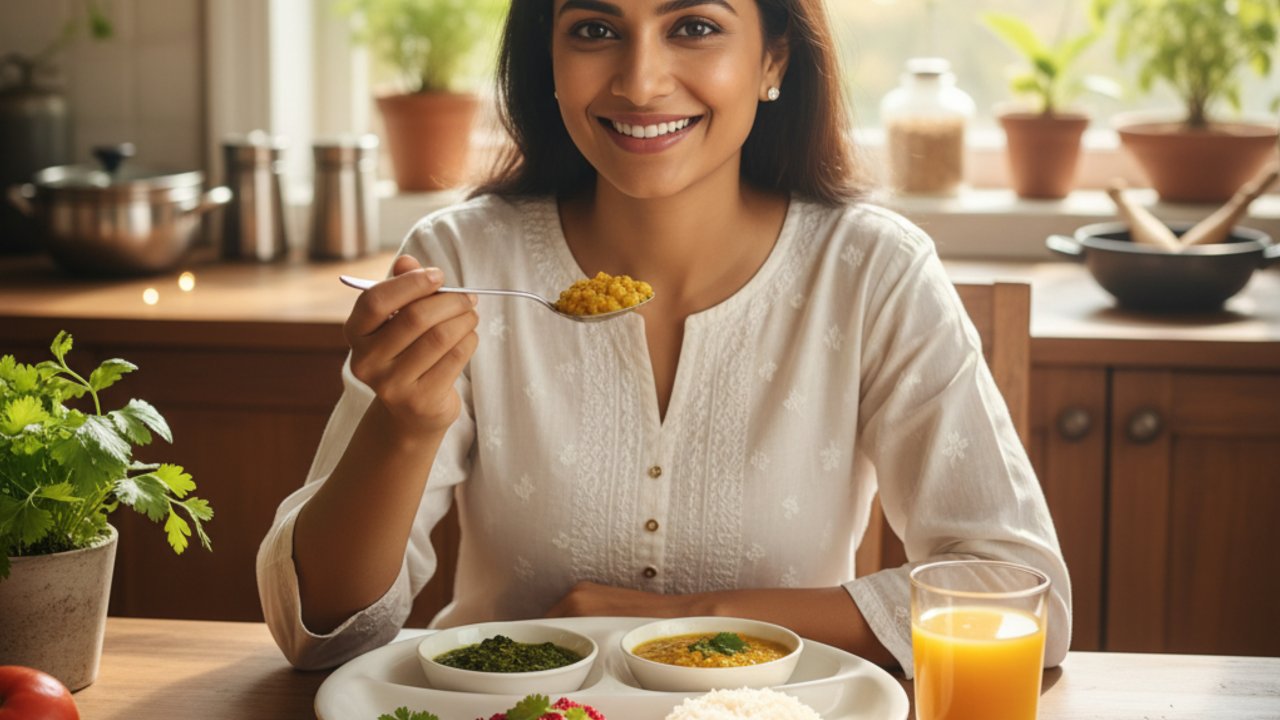 Among numerous global health concerns, iron deficiency and anemia occupy a crucial space. Ayurveda views Pandu Roga (anemia) not merely as a lack of iron but as an imbalance in Rakta Dhatu and Agni—the body’s inner fire of transformation.
Rather than focusing only on iron supplementation, Ayurveda restores equilibrium through Rasayana (rejuvenation), Ahara (diet), and Aushadhi (herbal medicine). This article explores these principles, revealing ten time-tested Ayurvedic medicines and holistic remedies designed to naturally uplift energy and vitality.
Anemia in Ayurveda
In Ayurveda, health is defined as a state of equilibrium between the three fundamental bio-energies or doshas—Vata (air & ether), Pitta (fire & water), and Kapha (earth & water)—and a vibrant state of the body’s tissues (dhatus), digestion (agni), and waste elimination (malas). Anemia is primarily correlated with a condition known as Pandu Roga.
The Causes of Pandu Roga
Ayurvedic texts describe Pandu Roga as a disorder originating from a vitiation of the Pitta dosha, which subsequently impairs the other doshas and the body’s fundamental tissues.
1. The Role of Agni (Digestive Fire): The journey often begins with a weakened agni. When our digestive fire is low, food is not processed completely, leading to the accumulation of a toxic, undigested residue called ama. This ama clogs the channels of the body (srotas), including those responsible for nutrient absorption.
2. Pitta Aggravation: The consumption of Pitta-aggravating foods—excessively spicy, sour, salty, or fermented items, and alcohol—further disrupts the balance. Pitta, responsible for metabolic transformations, becomes impaired.
3. The Impact on Rasa Dhatu: The first and most crucial tissue to be formed from digested food is Rasa Dhatu (plasma). It nourishes all subsequent tissues. When agni is low and Pitta is vitiated, the production of Rasa Dhatu is of poor quality and quantity. Healthy Rasa is said to be red in color and nourishing; in Pandu, it becomes pale and thin.
4. Manifestation of Symptoms: This impoverished Rasa Dhatu leads to the classic pale appearance of the skin, lips, tongue, and eyes (Pandutva). As it fails to nourish the subsequent Rakta Dhatu (blood tissue), the quality and quantity of blood itself diminish, leading to low hemoglobin, fatigue, weakness, shortness of breath, and palpitations.
Vata and Kapha doshas also play a role. A Vata imbalance can cause irregular digestion and poor assimilation, while a Kapha imbalance can lead to congestion in the channels, further hindering nutrient delivery.
Therefore, the Ayurvedic goal is not merely to dump iron into the system, but to:
- Kindle Agni: Improve digestive power to create a foundation for proper nutrition.
- Pacify Pitta: Restore the balance of the transformative energies.
- Clear Ama: Detoxify the channels for optimal nutrient flow.
- Nourish Rasa and Rakta Dhatu: Directly build the quality of plasma and blood tissues.
Top 10 Ayurvedic Herbs to Increase Iron & Hemoglobin Naturally
Ayurvedic management of anemia is a symphony of herbal medicine, dietary wisdom, and lifestyle adjustments, each element reinforcing the other.
The Power of Ayurvedic Herbs (Dravyaguna)
Ayurvedic pharmacology is rich with herbs that have a raktashodaka (blood purifying) and raktaprasadana (blood nourishing) effect.
Ayurveda views anemia (Pandu Roga) as a disorder of Rakta Dhatu (the blood tissue), caused by imbalances in Pitta and Vata doshas, poor digestion, and inadequate nutrition. Rather than simply focusing on iron intake, Ayurveda works holistically — strengthening digestion (Agni), cleansing the liver, nourishing the blood, and revitalizing the body.
Below are ten powerful Ayurvedic herbs and foods traditionally used to restore healthy hemoglobin levels and energy naturally.
1. Ashwagandha (Withania somnifera)
Ashwagandha, known as Indian Ginseng, is a potent Ayurvedic Rasayana that strengthens the body, reduces fatigue, and restores vitality often diminished by chronic anemia conditions.
Though not an iron source, Ashwagandha aids red blood cell formation by supporting bone marrow health and strengthening the body’s hematological function for sustained energy.
It improves sleep, reduces stress, and stabilizes hormones, enabling consistent energy levels while supporting overall wellness vital for maintaining long-term physical balance and enhanced resilience.
How to Use:
- Take ½–1 teaspoon of Ashwagandha powder mixed with warm milk or ghee once or twice daily.
- Alternatively, take 500 mg Ashwagandha capsules or tablets twice daily after meals.
- For added nourishment, mix with a small amount of jaggery or honey.
Tip: Combine Ashwagandha with Amalaki for a potent rejuvenating and blood-nourishing tonic.
2. Shatavari (Asparagus racemosus)
Shatavari, honored as the Queen of Herbs for women, nourishes Rasa and Rakta Dhatus, supports hormonal balance, and strengthens the reproductive system, especially in anemia from heavy bleeding.
It deeply soothes aggravated Pitta, hydrates internal tissues, and enhances natural endurance, making Shatavari highly beneficial for individuals experiencing heat-related fatigue, inflammation, or overall bodily depletion.
With its cooling, rejuvenating qualities, Shatavari restores vitality, stabilizes energy, and nurtures long-term wellness, offering comprehensive support for women dealing with weakness, menstrual imbalance, or chronic blood deficiency.
How to Use:
- Take 1 teaspoon Shatavari powder with warm milk once daily, preferably at night.
- Or take 500 mg capsules twice a day after meals.
- You can also prepare Shatavari ghee, a nourishing formula often prescribed for women with chronic fatigue or anemia.
Tip: Combine Shatavari with Ashwagandha for a gentle yet effective tonic for both men and women.
3. Amalaki (Emblica officinalis)
Amalaki or Indian Gooseberry provides abundant natural Vitamin C that enhances non-heme iron absorption, rejuvenates tissues, strengthens immunity, and supports healthy liver function for vitality.
Amalaki balances Pitta, cools inflammation, and strengthens digestion, ensuring nutrients are absorbed effectively while supporting calm metabolism, improved comfort, and stable energy throughout daily routines.
As a central ingredient in Chyawanprash, Amalaki delivers deep rejuvenation, building strength, vitality, and resilience while nourishing tissues and supporting balanced immunity for sustained wellness.
How to Use:
- Consume one fresh Amla fruit daily or take 1 teaspoon Amla powder mixed with honey or warm water.
- Take 1 tablespoon of Chyawanprash every morning for long-term energy and immune support.
- For iron absorption, pair Amla with iron-rich foods like spinach or jaggery.
Tip: Drinking Amla juice daily can significantly improve hemoglobin and skin glow.
Punarnava, meaning “the renewer,” revitalizes the entire system. It acts as a potent liver tonic and diuretic supporting detoxification, kidney health, and overall systemic rejuvenation.
By purifying blood and eliminating toxins, Punarnava enhances nutrient absorption, strengthens metabolic efficiency, and supports the body’s ability to generate healthy red blood cells naturally.
It reduces water retention and bloating, promotes balanced fluid metabolism, enhances comfort, and supports individuals experiencing anemia-related swelling, heaviness, or general bodily sluggishness and improved.
How to Use:
- Take ½ teaspoon Punarnava powder with warm water twice daily.
- Or use 500 mg Punarnava tablets/capsules twice daily after meals.
- A simple decoction (tea) made from Punarnava roots can be taken once daily to support liver health.
Tip: Pair with Guduchi and Manjistha for a powerful detox and blood-purifying combination.
5. Manjistha (Rubia cordifolia)
Manjistha is revered in Ayurveda as a powerful blood purifier that removes deep toxins, enhances complexion, and supports healthy liver function alongside lymphatic system balance.
By supporting efficient liver activity, Manjistha enhances natural detoxification, aids proper iron metabolism, and strengthens the body’s cleansing pathways essential for balanced energy and wellness.
Its cooling nature pacifies aggravated Pitta, reduces heat and inflammation, and benefits individuals struggling with skin issues or discomfort associated with anemia and blood-related imbalances.
How to Use:
- Take ½ teaspoon Manjistha powder with warm water once or twice daily.
- Or 500 mg capsule/tablet twice daily after meals.
- You can also make a decoction by boiling 1 teaspoon of the herb in 2 cups of water until it is reduced by half.
Tip: Combine Manjistha with Triphala for deep cleansing and rejuvenation.
6. Guduchi (Tinospora cordifolia)
Guduchi, also called Giloy, is a versatile Ayurvedic herb that strengthens immunity, supports liver detoxification, enhances nutrient assimilation, and promotes steady vitality across the system.
Guduchi supports individuals with chronic anemia by cleansing toxins, strengthening digestion, improving metabolic fire, rebuilding internal vitality, and promoting steady energy essential for long-term wellness.
Balancing all three doshas, Guduchi is widely used in Rasayana therapy, offering rejuvenation, immune support, digestive strength, and systemic harmony for individuals seeking deeper restoration.
How to Use:
- Take ½ teaspoon Guduchi powder with warm water or milk once daily.
- Or 500 mg capsule/tablet twice daily after meals.
- Guduchi juice (10–15 ml) with Amla juice is a powerful blood and liver tonic.
Tip: Combine Guduchi with Punarnava for enhanced liver cleansing and improved hemoglobin levels.
7. Beetroot and Pomegranate
Though not classical Ayurvedic herbs, beetroot and pomegranate are valued for strong Rakta-vardhaka properties, supporting blood building, digestive strength, and essential micronutrient nourishment in diets.
Beetroot provides folate, iron, potassium, and antioxidants that strengthen blood, enhance hemoglobin formation, support stamina, and promote cleansing while improving energy and metabolic vitality overall.
Pomegranate nourishes blood, tones digestive fire, improves circulation, and supports oxygen delivery throughout the body, promoting clearer skin, balanced strength, and sustained daily vitality levels.
How to Use:
- Drink ½ glass of fresh beetroot juice daily, optionally mixed with carrot or apple juice.
- Drink 1 glass of fresh pomegranate juice daily, ideally mid-morning.
- You can also eat a small bowl of pomegranate seeds with black salt and lemon.
Tip: Add a few drops of Amla juice to pomegranate juice for improved iron absorption.
8. Sesame Seeds (Til)
Black sesame seeds are revered in Ayurveda for enriching Rakta Dhatu, offering abundant iron, calcium, magnesium, and zinc to support strong blood formation and systemic nourishment.
Their regular intake promotes healthy hemoglobin levels, strengthens bones, enhances reproductive vitality, and provides deep nourishment essential for maintaining balanced energy and long-term wellness.
Sesame seeds also lubricate tissues, improving skin tone and hair quality, both commonly affected by anemia, while supporting overall vitality through their grounding and nourishing properties.
How to Use:
- Soak 1 tablespoon of black sesame seeds overnight, grind in the morning, and mix with honey or jaggery.
- Sprinkle roasted sesame seeds on salads, porridges, or smoothies.
- For extra nourishment, take Til laddoo (sesame-jaggery balls) regularly.
Tip: Consuming sesame with jaggery enhances iron absorption naturally.
9. Jaggery (Gur)
Jaggery is a widely accessible natural iron source that energizes the body, stimulates digestion, supports liver cleansing, and provides minerals essential for healthy hemoglobin production.
Unlike refined sugar, jaggery contains trace minerals that reduce fatigue, strengthen vitality, and support steady energy levels through improved iron absorption and balanced nourishment pathways.
In Ayurveda, jaggery is traditionally paired with ghee or sesame seeds to enhance absorption, boost strength, nourish tissues, and promote long-term wellness and vitality daily.
How to Use:
- Eat a small piece of organic jaggery after meals to aid digestion and add iron.
- Mix 1 teaspoon of jaggery with ghee and consume daily for energy.
- Add jaggery to herbal teas or warm milk instead of sugar.
Tip: Choose dark, unrefined jaggery — it contains the most minerals and nutrients.
10. Draksha (Raisins / Grapes)
Raisins are rich in iron, potassium, and antioxidants, gently improving hemoglobin levels while supporting digestion and relieving constipation commonly associated with low iron conditions.
Their natural sweetness balances Vata and Pitta, nourishes blood and tissues, and provides grounding energy essential for maintaining internal stability and sustained daily vitality.
Regular consumption increases energy, enhances skin tone, prevents dryness, and reduces dullness caused by iron deficiency, supporting overall wellbeing through steady nourishment and improved circulation.
How to Use:
- Soak 8–10 raisins (preferably black) overnight in water. Eat them the next morning on an empty stomach.
- Drink the soaked water along with the raisins.
- Add raisins to porridges, smoothies, or warm milk for a natural sweetener and energy boost.
Tip: Combine raisins with dates and figs for a delicious and iron-rich Ayurvedic snack mix.
Ahara (Diet) as Medicine
An Ayurvedic diet for anemia is designed to be easily digestible, nourishing, and Pitta-pacifying.
1. Iron-Rich Foods: Emphasize naturally iron-abundant foods like:
- Leafy Greens: Spinach, kale, Swiss chard, and mustard greens. (Note: Lightly cooking greens improves iron bioavailability and makes them easier to digest.)
- Legumes: Lentils (masoor dal), mung beans, chickpeas, and black gram.
- Grains: Amaranth, quinoa, and red rice.
- Nuts and Seeds: Sesame seeds (soaked or as tahini), almonds (soaked and peeled), and pumpkin seeds.
- Jaggery: A traditional, unrefined sugar, jaggery is an excellent source of iron and is often recommended over white sugar.
2. Vitamin C Synergy: Always combine iron-rich meals with Vitamin C sources to drastically enhance absorption. This includes squirts of lemon juice on dal and vegetables, consuming amla (Indian gooseberry) powder, or having a small glass of orange or pomegranate juice with your meal.
Foods to Avoid (or Minimize)
- Iron Blockers: Avoid drinking coffee, tea, or calcium-rich foods within an hour of iron-rich meals, as they can inhibit absorption.
- Pitta Aggravators: Reduce excessive spicy, sour, and fermented foods.
- Hard-to-Digest Foods: Minimize processed foods, cold drinks, and heavy meats, which dampen agni and create ama.
The Framework for Well-being: Vihara (Lifestyle)
Lifestyle practices are integral to supporting digestion, reducing stress, and improving overall vitality.
- Yoga and Pranayama: Gentle yoga postures like Balasana (Child’s Pose), Viparita Karani (Legs-Up-the-Wall), and Supta Baddha Konasana (Reclining Bound Angle Pose) can help improve circulation and combat fatigue. Pranayama (breathing exercises) like Nadi Shodhana (Alternate Nostril Breathing) calms the nervous system and balances the doshas, while Kapalabhati (Skull Shining Breath) can help kindle agni.
- Meditation and Stress Management: Chronic stress is a known contributor to poor digestion and nutrient absorption. Daily meditation, even for 15-20 minutes, can significantly lower cortisol levels, creating a more favorable internal environment for healing.
- Adequate Rest: The body rebuilds and repairs during rest. Ensuring 7-8 hours of quality sleep is non-negotiable for recovering from anemia.
Ayurvedic Medicines for Iron Deficiency & Anemia
Here is an expanded look at the ten Ayurvedic formulations, exploring their compositions, mechanisms, and ideal use cases.
This is one of the most classical and powerful formulations specifically for Pandu Roga. It is a combination of Punarnava (the renewer) and Mandoor Bhasma (a calcined iron oxide ash). The beauty of this formulation lies in its synergistic action.
- Key Ingredients & Mechanism: Punarnava helps flush out excess fluids and toxins, clearing the channels (srotas) so that the deeply bioavailable iron from Mandoor Bhasma can be effectively delivered and absorbed. It often contains other digestive and liver-supporting herbs like Chitraka, Pippali, and Ginger to strongly kindle agni.
- Ideal For: Individuals with anemia accompanied by swelling (edema), poor digestion, sluggish metabolism, and a feeling of heaviness. It is particularly effective when there is a significant Kapha and Vata imbalance alongside Pitta.
- Curoveda Insight: A high-quality Punarnavadi Mandoor acts as a Rasayana for the blood, not only raising hemoglobin but also improving the overall quality and “intelligence” of the Rakta Dhatu.
2. Baidyanath Lohasava Syrup: The Fermented Elixir for the Family
Asavas and Arishtas are unique Ayurvedic preparations where herbs are fermented in a base of sugar or honey. This fermentation process creates a self-generated alcohol that acts as a natural preservative and, more importantly, enhances the bioavailability and potency of the herbal extracts.
- Key Ingredients & Mechanism: Lohasava contains Loha Bhasma (iron ash) along with a plethora of herbs like Triphala, Amalaki, and Draksha (raisins). The fermentation makes the iron extremely easy to assimilate, even for those with weak digestion. It works as a general tonic (Rasayana) that strengthens the liver, supports respiratory health, and enhances immunity while directly targeting anemia.
- Ideal For: General debility, family use for maintaining iron levels, and for those who have difficulty swallowing tablets. Its liquid form is easily adjustable for dosage.
3. Patanjali Nutrela Complex: The Modern-Natural Blend
This product represents a bridge between traditional Ayurvedic knowledge and modern nutritional science. It is formulated to provide iron in a natural matrix that supports its absorption and utilization.
- Key Ingredients & Mechanism: It combines Mandoor Bhasma with extracts of Spinach (a well-known source of iron) and Rose Hip (a rich source of Vitamin C). This intelligent formulation ensures that the iron is presented alongside the co-factors needed for its absorption, directly addressing a key pitfall of many isolated supplements.
- Ideal For: Health-conscious individuals looking for a scientifically-backed, natural iron supplement that is convenient (capsule form) and effective at combating fatigue and supporting RBC production.
4. Maharishi Ayurveda Raktda Iron Tablet: The Nano-Iron Advantage
This formulation leverages the ancient science of Bhasma preparation, where metals and minerals are incinerated and processed with herbal juices to create ultra-microscopic, therapeutically active particles.
- Key Ingredients & Mechanism: It contains Mandur Bhasma and Kant Lauh Bhasma, both forms of iron rendered into a highly bioavailable, non-irritating form. The addition of Varatika (conch shell ash) and Shankh Bhasma (other calcined marine products) provides calcium and other trace minerals, creating a comprehensive mineral supplement. These bhasmas are believed to work at a deep, cellular level to nourish the Rasa and Rakta Dhatus.
- Ideal For: Those with chronic, stubborn iron deficiency who may not have responded well to other supplements. The nanoparticle nature of the iron makes it gentle on the stomach and highly absorbable.
5. Kerala Ayurveda Draksharishta Tonic: The Gentle Blood Nourisher
Draksharishta is a classic fermented tonic where the primary ingredient is Draksha (grapes/raisins), which are inherently sweet, cooling, and nourishing to the blood.
- Key Ingredients & Mechanism: Its base of raisins provides natural sugars, iron, and antioxidants. The addition of herbs like Nagakesara, Vidanga, and Tvak (cinnamon) helps stimulate digestion without aggravating Pitta, ensuring that the nourishment is effectively processed. A key benefit is that it is non-constipating and non-nauseating, a common side effect of synthetic iron pills.
- Ideal For: Individuals with sensitive digestion, those experiencing constipation from other iron supplements, and for a gentle, long-term approach to building blood quality. It is excellent for pacifying Pitta and Vata in the context of anemia.
6. Ferrum Forte Iron Tonic: The Comprehensive Nutritional Support
While sometimes positioned as an Ayurvedic product, Ferrum Forte often aligns more closely with a Western nutritional supplement, but its formulation is holistic in intent.
- Key Ingredients & Mechanism: It typically contains Iron in a well-absorbed form (e.g., ferrous gluconate), combined with Vitamin C, B-Complex vitamins (especially B12 and Folic Acid), and sometimes liver extract. This covers all bases: iron for hemoglobin, Vitamin C for absorption, and B vitamins for energy production and healthy nerve function, which is crucial as anemia can cause neurological symptoms.
- Ideal For: Pregnant women, athletes, and anyone with a pronounced deficiency that requires a broad-spectrum nutritional approach. Its liquid form is easy to take and adjust for dosage.
7. Maha Herbals Animo Peace Tablets: The Stress-Reducing Hematinic
This formulation recognizes the connection between stress and nutrient depletion. The name “Animo Peace” itself suggests an action on both the physical (anemia) and mental (peace) spheres.
- Key Ingredients & Mechanism: Key components like Yashtimadhu (Licorice) and Amalaki work synergistically. Licorice is an adaptogen that supports adrenal function (often taxed in chronic stress and fatigue), while Amalaki provides Vitamin C. Together, they help the body better manage stress, which in turn improves digestion and nutrient utilization, creating a positive feedback loop for overcoming anemia.
- Ideal For: Individuals whose anemia is exacerbated or caused by high-stress lifestyles, anxiety, or adrenal fatigue. It is also well-suited for meeting increased iron demands during pregnancy and lactation.
8. Xerfer Capsules: The Holistic Energy Revitalizer
Xerfer is formulated as a comprehensive solution that targets both the deficiency and its symptomatic expression—fatigue and low energy.
- Key Ingredients & Mechanism: While the exact proprietary blend varies, it typically includes a range of herbs and mineral bhasmas known to support hemoglobin synthesis, enhance iron absorption, and boost overall energy levels (ojas). The focus is on a holistic revival of vitality, not just a numerical increase in hemoglobin.
- Ideal For: Active individuals, students, and working professionals experiencing burnout, chronic fatigue, and low energy levels linked to iron deficiency. It aims to restore a sense of vibrancy and well-being.
9. Hemiglow Syrup: The Multi-Purpose Hematinic Tonic
As the name suggests, Hemiglow aims not only to correct anemia but to impart a healthy “glow” that comes from well-nourished blood and robust health.
- Key Ingredients & Mechanism: It positions itself as a rich, natural source of iron combined with other blood-nourishing herbs. It often emphasizes its role in supporting a healthy pregnancy, strengthening the immune system, and promoting the health of vital organs like the liver and spleen, which are central to blood quality in Ayurveda.
- Ideal For: Women planning for pregnancy, those who are pregnant or postpartum, and individuals looking for a general health tonic that focuses on blood health and immunity.
10. Maharishi Ayurveda Iron Rasayana: The Rejuvenating Iron Manager
The term Rasayana signifies that this is not just a medicine but a rejuvenative therapy. The goal is to enhance the body’s own capacity to manage and absorb iron sustainably.
- Key Ingredients & Mechanism: It uses a synergistic blend of herbs and mineral bhasmas that work on the agni and the dhatu agni (tissue-level metabolism) of the Rasa and Rakta Dhatus. By improving the fundamental metabolic processes, the body becomes more efficient at extracting and utilizing iron from food, making it less dependent on external supplementation over time. It also supports calcium absorption, highlighting its holistic mineral-balancing effect.
- Ideal For: Long-term management of iron levels, for individuals seeking a truly Rasayana (rejuvenating) effect, and for those who wish to address the underlying metabolic causes of their deficiency.
Research Summary on Ayurvedic Medicines for Anemia
| # | Study / Source | Herb / Formulation | Study Type / Population | Key Findings | Reference URL |
|---|---|---|---|---|---|
| 1 | PubMed (2013) | Trikatrayadi Lauha | RCT, children with IDA | Hb ↑ ~1.94 g/dL (5 weeks), 3.33 g/dL (10 weeks), no adverse effects | Link |
| 2 | JAHM (2023) | Various classical herbomineral formulations | Review of clinical studies | Improved hemoglobin, reduced pallor & fatigue | Link |
| 3 | PubMed / PMC | Amalaki Rasayana | Clinical trial, children vs ferrous fumarate + folate | Symptom improvement; some hematological improvement | Link |
| 4 | IJCP | Sangfer (poly-herbal) | Pregnant women, 12 weeks | Hb ↑ 8.08→11.19 g/dL; improved symptoms; no side effects | Link |
| 5 | Ovid / IJCF | 17 Ayurvedic formulations | Systematic review | Most studies showed Hb improvement & symptom relief; no serious adverse events | Link |
| 7 | ArXiv (2022) | Lauha Bhasma | Analytical study | Properly prepared bhasma converts to magnetite nanoparticles; potential bioavailability | Link |
| 8 | PMC (2016) | Herbal Rasayanas (Ashwagandha, Guduchi, Amalaki) | Review | Improves digestion, detox, antioxidant support, may enhance iron utilization | Link |
FAQ’s
1. What are the best Ayurvedic herbs for increasing hemoglobin naturally?
Ayurvedic herbs like Punarnavadi Mandura, Lauha Bhasma, Ashwagandha, Shatavari, and Guduchi help naturally boost hemoglobin and improve overall blood health.
2. Are Ayurvedic iron-rich remedies safe compared to conventional iron supplements?
Yes, when taken correctly. They are generally gentle on the stomach, improve nutrient absorption, and balance doshas, but consulting an Ayurveda practitioner is recommended.
3. How long does it take for Ayurvedic treatment to improve hemoglobin levels?
Typically, improvement can be seen in 4–8 weeks, depending on severity, diet, lifestyle, and adherence to the prescribed herbal remedies.
4. What diet and lifestyle changes should accompany Ayurvedic medicine for anemia?
Include iron-rich foods like black sesame, jaggery, amla, dates, beetroot, and leafy greens. Avoid processed foods, acidic or excessively spicy foods, and maintain regular sleep and light exercise.
5. Can Ayurvedic medicines help with anemia caused by heavy menstrual bleeding?
Yes, certain herbs and formulations help strengthen the reproductive system, replenish blood, and improve hemoglobin levels, which can be particularly beneficial for women with heavy periods.
6. Which Ayurvedic formulations are most effective for severe anemia?
Classical remedies like Punarnavadi Mandura, Trikatrayadi Lauha, Dhatrarishta, and Draksharishta are used in severe cases under professional supervision.
7. Are there natural side effects or precautions to consider when using Ayurvedic iron tonics?
Some formulations may cause digestive discomfort or mild constipation. Pregnant women, children, or people with certain health conditions should consult a practitioner before use.
8. How do Ayurvedic herbs improve iron absorption compared to dietary iron or iron salts?
Herbs enhance digestion (Agni), detoxify the body (Ama removal), and balance doshas, which improves the body’s ability to absorb and utilize iron efficiently.
9. Can Ayurvedic remedies improve energy, immunity, and overall vitality along with blood health?
Yes, many herbs like Ashwagandha, Guduchi, and Amalaki provide holistic benefits, boosting energy, immunity, and systemic rejuvenation along with hemoglobin improvement.
10. Who should avoid Ayurvedic iron medicines?
People with severe digestive issues, certain chronic conditions, or specific age groups like infants should avoid or take under strict supervision. Pregnant and lactating women should consult a qualified practitioner.
Ayurveda’s approach to iron deficiency and anemia is a testament to its profound understanding of the human body as an interconnected whole. It moves beyond the simplistic “iron-in, hemoglobin-up” model to address the very ecosystem within which blood is created. By focusing on digestion, detoxification, doshic balance, and tissue nourishment, it offers a path to recovery that is deep, sustainable, and side-effect-free.
Disclaimer: This article is for informational purposes only and is not a substitute for professional medical advice, diagnosis, or treatment. Always seek the advice of your physician or another qualified health provider with any questions you may have regarding a medical condition. Do not disregard professional medical advice or delay in seeking it because of something you have read in this article.





















Good blog! I truly love how it is simple on my eyes and the data are well written. I am wondering how I might be notified whenever a new post has been made. I have subscribed to your feed which must do the trick! Have a great day!
Nearly every person believes that anemia is caused by iron deficiency in the bloodstream but in reality, anemia is indicated by insufficiency in the hemoglobin of the red blood cells ebbing before the ability of the blood to transport oxygen to our cells and to strike out carbon dioxide.
Ayurveda is a popular alternative therapy which has cure for many ailments including the chronic ones and also anemia. Ayurveda highly recommends the consumption of fruits like banana, honey, oranges and beetroot juice.