Bhumi Amla: Health Benefits, Uses & Side Effects

In the rich and ancient world of Ayurveda, few herbs are as quietly powerful—and as scientifically fascinating—as Bhumi Amla. Known botanically as Phyllanthus niruri, this modest, ground-hugging plant often lives in the shadow of its more well-known counterpart, Amalaki (Emblica officinalis).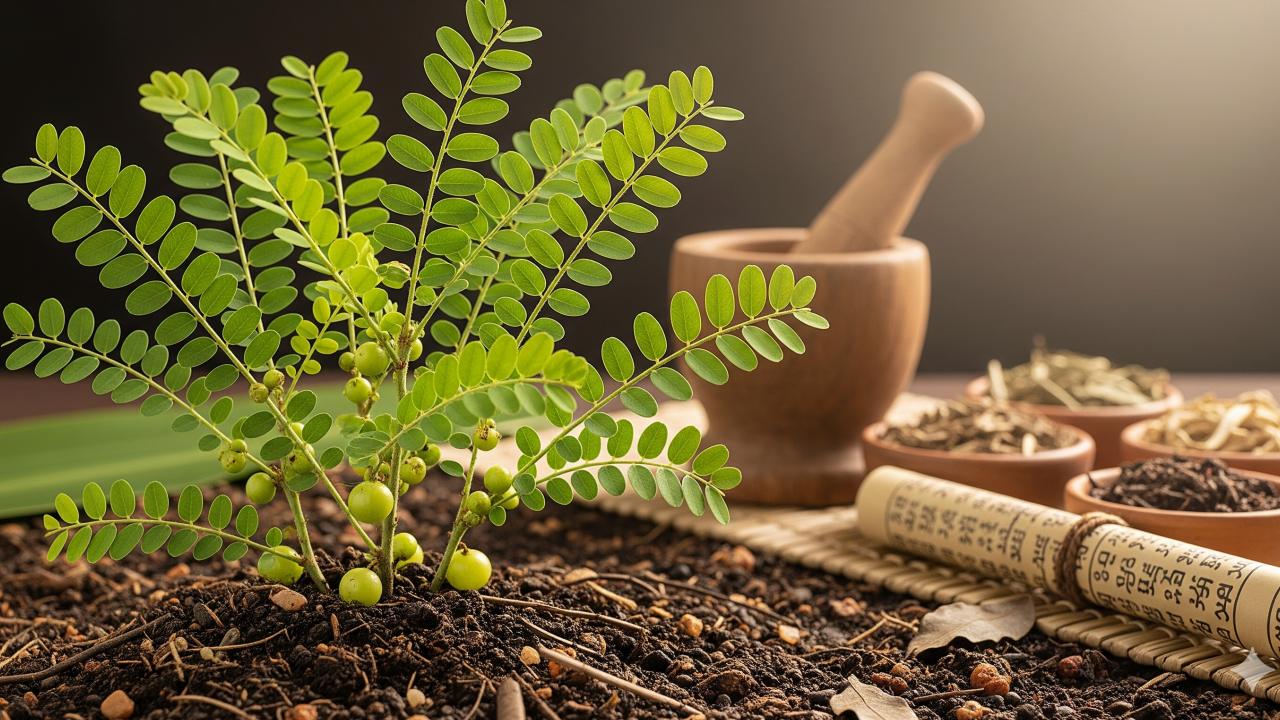 But its Sanskrit name, Bhumi Amla—which means “Amla of the Earth”—hints at something deeper: a plant that carries the same potent, restorative energy as Amla, yet expresses it in a more subtle, grounded way.
For centuries, Ayurvedic practitioners have turned to Bhumi Amla for its remarkable ability to support two of the body’s most vital systems—the liver and the kidneys. Now, as modern research catches up, science is beginning to confirm what Ayurveda has long known: that this humble herb is packed with therapeutic potential.
What is Bhumi Amla?
Bhumi Amla, botanically known as Phyllanthus niruri, is a small, annual herb belonging to the Euphorbiaceae family. It thrives in tropical and subtropical regions across the globe, particularly in the plains of India, the Amazon rainforest, and the Bahamas.
To the untrained eye, it appears as an unassuming weed. Its most distinguishing feature is its slender, pinnate branches that bear numerous small, oblong leaves arranged in two rows.
These leaves are so small and dense that from a distance, the branch itself looks like a compound leaf. The flowers, and subsequently the tiny, ribbed fruits, are hidden neatly beneath these leaf branches, giving rise to another common name, “Seed-under-leaf.”
Vernacular Names of Bhumi Amla
Bhumi Amla (Phyllanthus niruri), also known as “Stonebreaker” in English, is recognized by various names across different languages and regions.
In Ayurveda, it is primarily known as Tamalaki in classical texts like the Charaka Samhita and Sushruta Samhita, where it is classified based on its diverse therapeutic actions. These names often reflect their appearance, medicinal properties, or cultural significance.
Common Names
- English: Stonebreaker, Seed-under-leaf, Gale of Wind
(“Gale of wind” hints at its fast-growing, annual nature) - Spanish: Chanca Piedra (literally “stone breaker”)
Indian Vernacular Names of Bhumi Amla (Phyllanthus niruri)
| Language / Region | Name(s) |
|---|---|
| Sanskrit | Bhumi Amla, Tamalaki, Bahupatra, Shiva, Ajata, Bhudhatri |
| Hindi | Bhui Amla, Jangli Amla |
| Marathi | Bhui Aavla, Bhui Amla |
| Kannada | Bhu Nelli, Nelanelli, Kirunelli, Kirganelli, Kempukiranelli |
| Tamil | Keezhanelli |
| Telugu | Nela Usiri, Nela Usiraka |
| Urdu | Bhumi Amla |
| Bengali | Noar, Hazarmani, Vuiamla, Chhatudana |
| Gujarati | Bhoen Awali, Bhoi Amali, Bhonyamali |
| Malayalam | Kilarnelli, Kizhanelli, Nellipuli, Chukannakizhanelli |
| Odia (Oriya) | Narakoli, Badi Aonla |
| Assamese | Holpholi, Poram-lokhi |
| Nepali | Bhui Awala, Kanthad |
| Punjabi | Lodhar |
| Kashmiri | Kath |
Ayurvedic Properties (Dravyaguna Vignan)
The true genius of Ayurveda lies in its system of classifying herbs not by their biochemical constituents, but by their inherent energetic qualities. This system, known as Dravyaguna Vignan, allows a practitioner to match the property of the herb to the unique imbalance (Vikriti) of the patient.
1. Rasa (Taste): Bhumi Amla is primarily Tikta (Bitter) and Kashaya (Astringent), with a secondary Madhura (Sweet) taste. The bitterness is responsible for its detoxifying, antipyretic (fever-reducing), and liver-stimulating properties. The astringency gives it a tightening, drying quality, useful for healing wounds and binding fluids. The subtle sweet taste hints at its nourishing and rejuvenating potential.
2. Guna (Qualities): It possesses Laghu (Light) and Ruksha (Dry) qualities. This makes it easy to digest but also means it can increase dryness in the body.
3. Virya (Potency): Its potency is Sheeta (Cooling). This is a critical property. A cooling herb is indispensable for pacifying the fiery, metabolic Pitta dosha. This makes Bhumi Amla a go-to herb for conditions involving inflammation, heat, acidity, and excess Pitta in the liver and blood.
4. Vipaka (Post-Digestive Effect): After digestion, its ultimate effect is Madhura (Sweet). This suggests that while its initial taste is sharp and cleansing, its deep, long-term effect is actually nourishing and stabilizing, particularly for the tissues (dhatus).
5. Prabhava (Unique Special Potency): This is the concept of an herb’s inexplicable, profound effect that cannot be predicted by its Rasa, Guna, Virya, and Vipaka alone. Bhumi Amla’s Prabhava is its specific, targeted action on the
6. Mutravaha Srotas: (urinary channel system) as a Ashmari Bhedana (stone-breaker) and on the Yakrit (liver) as a hepatoprotective and rejuvenative agent.
7. Dosha Karma (Effect on the Humors):
- Pacifies: Pitta and Kapha. Its bitter, astringent, light, dry, and cooling properties are perfectly suited to reduce the hot, oily, and heavy qualities of Pitta and Kapha.
- Aggravates: Vata. Due to its light, dry, and rough qualities, it can aggravate Vata dosha if used in isolation, in high doses, or for prolonged periods without proper supportive herbs or anointing (snehana) therapies.
Therapeutic Actions (Karma)
Based on its energetics, Bhumi Amla performs a symphony of therapeutic actions:
1. Mutrala: Diuretic. It promotes the production and flow of urine, helping to flush out toxins and small calculi from the urinary system.
2. Ashmari Bhedana: Lithotriptic. Its most famous action—breaking apart and preventing the formation of stones (renal and biliary).
3. Yakrituttejaka / Rasayana: Liver stimulant and rejuvenative. It protects liver cells from damage, stimulates regeneration, and promotes optimal liver function.
4. Shothahara: Anti-inflammatory. Reduces swelling and inflammation throughout the body, particularly in the urinary tract and liver.
5. Jvaraghna: Antipyretic. Effectively reduces fever, especially fevers of Pitta origin or those related to liver dysfunction.
6. Raktashodhaka: Blood purifier. Cleanses the blood of toxins, which is why it is used for skin disorders.
7. Deepana/Pachana: Digestive stimulant and carminative. Kindles the digestive fire (Agni) and helps in the proper assimilation of food.
8. Kashahara: Antitussive. Suppresses cough.
9. Analgesic: Pain-relieving, particularly for colicky pain associated with stones.
10. Vishaghna: Anti-toxic. Counters the effects of both endogenous and exogenous toxins.
Traditional and Modern Therapeutic Uses (Rogaghna Karma)
The actions listed above translate into a wide array of applications for specific health conditions.
1. The Guardian of the Liver (Yakrit)
The liver, or Yakrit, is the seat of Pachaka Pitta and is central to metabolism, digestion, and detoxification. Bhumi Amla is arguably one of Ayurveda’s most important liver herbs.
- Kamala (Jaundice): It is a first-line therapeutic for all types of jaundice, a condition characterized by elevated Pitta, leading to yellow discoloration of the eyes, skin, and urine. Its Tikta (bitter) and Sheeta (cooling) properties directly pacify the excess Pitta in the liver and Rakta (blood) dhatu. It helps restore normal bilirubin metabolism and liver function.
- Hepatitis (Viral and Alcoholic): Traditional use and modern research support its role in managing hepatitis B. Compounds like Phyllanthin are believed to inhibit the replication of the virus while protecting hepatocytes (liver cells) from damage. It is equally effective against the oxidative stress caused by alcohol consumption.
- Liver Cirrhosis and Fatty Liver: Its hepatoprotective and regenerative (Rasayana) properties help slow the progression of scarring (fibrosis) in cirrhosis and aid in reducing fat accumulation in the liver (non-alcoholic fatty liver disease – NAFLD).
- General Hepatoprotection: It is used as a prophylactic to shield the liver from the damaging effects of pharmaceuticals, environmental toxins, and unhealthy diets.
2. The Stonebreaker of the Urinary System (Mutravaha Srotas)
This is the domain where Bhumi Amla earns its English name.
Ashmari (Kidney Stones): Its Ashmari Bhedana action is multifaceted. It does not simply “flush” stones. It is believed to:
- Inhibit crystallization: Prevent minerals like calcium oxalate from aggregating into stones.
- Relax the ureter: Help ease the painful passage of existing stones.
- Dissolve stones: Gradually break down the structure of smaller stones.
- Prevent recurrence: Alter the urine chemistry to make it less hospitable for stone formation.
Urinary Tract Infections (UTIs): Its diuretic (Mutrala), anti-inflammatory (Shothahara), and antimicrobial properties make it excellent for managing UTIs, providing relief from burning micturition (daha), frequency, and pain.
3. The Coolant for Fevers (Jwara)
Bhumi Amla is a key herb in managing fevers, particularly those where Pitta is involved. Its Tikta and Sheeta properties help dispel heat from the body. It is specifically indicated in:
- Intermittent Fevers
- Fevers associated with liver disorders (like hepatitis)
- Chronic fevers with debility
4. The Blood Purifier for Skin Health (Raktavaha Srotas)
In Ayurveda, most skin diseases (Kushtha) are rooted in impurities in the blood (Rakta dushti) and impaired digestion. Bhumi Amla’s Raktashodhaka (blood-purifying) and Deepana (digestive) actions make it a valuable adjunct therapy for:
- Acne
- Eczema
- Psoriasis
- Boils and skin eruptions
5. The Metabolic Regulator
- Diabetes (Madhumeha): Studies have shown that Phyllanthus niruri can have a hypoglycemic effect, helping to lower blood sugar levels. Its Tikta taste is known to mediate this action.
- Hyperacidity (Amlapitta) and Indigestion: Its cooling and digestive stimulant properties help balance stomach acid and improve overall digestion.
Bhumi Amla: What Modern Science Says
Modern science has started to uncover the powerful chemistry behind Bhumi Amla’s healing abilities. The plant contains a diverse range of bioactive compounds that work together to produce its well-known therapeutic effects—validating what Ayurveda has known for centuries.
Some of the key compounds in Bhumi Amla include:
- Lignans like Phyllanthin, Hypophyllanthin, Nirphyllin, and Niranthin, which are known for their antioxidant and liver-protective properties.
- Flavonoids such as Quercetin, Rutin, and Kaempferol, which contribute to reducing inflammation and fighting free radicals.
- Tannins, powerful antioxidants that aid in tissue healing and protect the body from oxidative stress.
- Alkaloids, compounds with antiviral and anti-inflammatory effects that help combat infections and inflammation.
- Terpenes, aromatic molecules that offer antimicrobial and anti-inflammatory benefits.
- Vitamin C, a vital antioxidant that boosts immunity and helps the body fight oxidative damage.
- Gallic Acid, known for its strong antioxidant and anti-inflammatory activities, which support liver health and cellular protection.
Together, these compounds make Bhumi Amla a potent herbal ally, bridging ancient wisdom with modern scientific understanding.
Here’s how science explains its traditional uses:
1. Hepatoprotection: Phyllanthin and Hypophyllanthin are the most studied lignans. They demonstrate significant ability to protect the liver from toxins like carbon tetrachloride, paracetamol (acetaminophen), and aflatoxin. They work by stabilizing cell membranes, reducing oxidative stress, and enhancing liver regeneration.
2. Antiviral Activity: Numerous in vitro studies have shown its extract, particularly a standardized fraction called “Niruri,” to be highly effective against the Hepatitis B virus (HBV), preventing the virus from binding to and entering hepatocytes. Research is ongoing for its effects on other viruses like HIV.
3. Antiurolithiatic Effect: Scientific studies confirm that Bhumi Amla extract inhibits the formation of calcium oxalate crystals (the most common type of kidney stone). It does this by altering the urine’s pH and by containing compounds that act as crystallization inhibitors. It also reduces the excretion of urinary oxalate, a key risk factor for stones.
4. Antioxidant: The flavonoids and tannins present are potent scavengers of free radicals, protecting cells from oxidative damage, which is a root cause of chronic disease and aging.
5. Anti-inflammatory and Analgesic: Extracts have been shown to significantly reduce inflammation in standard lab models and to exhibit pain-relieving properties comparable to some standard drugs.
6. Antidiabetic: Studies on diabetic animal models have shown that the herb can significantly lower blood glucose levels, improve lipid profiles, and protect pancreatic beta-cells.
Ayurvedic Medicines Containing Bhumi Amla (Bhumyamlaki)
Bhumi Amla is a key ingredient in many Ayurvedic formulations, especially those aimed at supporting liver health, immunity, and detoxification. It appears in both traditional classical preparations and modern proprietary formulas. Below is a list of notable Ayurvedic medicines that include Bhumyamlaki as a main ingredient:
Proprietary Ayurvedic Medicines
- Clearliv Syrup: A liver-protective formulation that helps prevent liver damage and improves overall liver function.
- A3 Forte Capsule: Known for its antipyretic, analgesic, and antibacterial actions. Often used in fever and inflammatory conditions.
- Avir Tablet: Designed to manage allergic conditions, such as sneezing, urticaria (hives), and other hypersensitivity reactions.
- Livplus Capsule: A liver tonic that supports the treatment of hepatic disorders, hyperacidity, and helps strengthen immunity.
- Vasuliv Tablet: Used in the treatment of liver-related disorders, particularly in promoting healthy liver function.
- Beliv Tablet: Formulated for the management of liver fibrosis and to support the regeneration of hepatic cells.
How to Use Bhumi Amla?
Bhumi Amla can be used in various forms, from simple home remedies to complex classical formulations.
Common Forms:
- Powder (Churna): The dried whole plant is ground into a fine powder. Typical dose: 1-3 grams, twice daily, mixed with honey or warm water.
- Decoction (Kashayam/Kwath): Made by boiling the herb in water (typically a ratio of 1 part herb to 16 parts water, reduced to ¼). Dose: 50-100 ml, twice daily. This is a potent method for kidney and liver issues.
- Fresh Juice (Swarasa): The fresh plant is crushed and the juice is extracted. This is considered very potent, especially for jaundice. Dose: 10-20 ml, mixed with a little honey.
- Capsules/Tablets: Modern, convenient dosage forms of standardized extracts.
Classical Ayurvedic Formulations:
Bhumi Amla is a key ingredient in many polyherbal compounds designed to enhance its effects and balance its Vata-aggravating potential. These include:
- Phyllanthus niruri Compound Tablets: A common proprietary medicine.
- Liver Tonics: Often combined with other hepatoprotective herbs like Guduchi, Kutki, and Kalmegh.
- Diuretic Formulations: Blended with Gokshura, Varuna, and Punarnava for urinary health.
Bhumi Amla Side Effects
Despite its immense benefits, Bhumi Amla is a potent medicine and must be used with knowledge and caution.
- Pregnancy and Lactation: It is strictly contraindicated during pregnancy due to its potential emmenagogue (menstruation-stimulating) effects. Safety during breastfeeding is not established.
- Hypoglycemia: Due to its blood sugar-lowering effects, individuals with low blood sugar or those on diabetes medication should use it with extreme caution and under medical supervision to avoid dangerous hypoglycemic episodes.
- Hypotension: It may cause a further drop in blood pressure in individuals who already have low BP.
- Vata Imbalance: Individuals with pronounced Vata imbalance (e.g., suffering from severe dryness, anxiety, insomnia, weight loss, or constipation) should use it cautiously. It is often combined with Vata-pacifying herbs like Ginger or Licorice in formulations.
- Auto-immune Diseases: Because it stimulates the immune system, there is a theoretical risk that it could increase symptoms of auto-immune diseases (e.g., multiple sclerosis, lupus, rheumatoid arthritis). It is best avoided in such conditions.
- Surgery: Discontinue use at least two weeks before any scheduled surgery due to its effects on blood sugar and blood pressure.
Drug-Herb Interactions: Potential interactions exist with:
- Diabetes medications (risk of hypoglycemia).
- Blood pressure medications (risk of hypotension).
- Diuretic drugs (additive effect).
- Medications metabolized by the liver.
The golden rule: Consultation with a qualified Ayurvedic practitioner or integrative physician is non-negotiable. They can provide a proper diagnosis, determine the correct dosage for your constitution (Prakriti) and imbalance (Vikriti), and avoid any potential contraindications.
FAQ’s
1. Is Bhumi Amla good for the liver?
A: Yes, Bhumi Amla is widely known for its liver-protective properties and is often used in Ayurveda to support liver health and detoxification.
2. What is the English name of Bhumi Amla?
A: Bhumi Amla is commonly known as Stonebreaker or Gale of Wind in English.
3. Which is better, Amla or Bhumi Amla?
A: Both have unique benefits—Amla (Indian gooseberry) is rich in vitamin C and antioxidants, while Bhumi Amla is prized for liver support and kidney health. Choice depends on your health needs.
4. Who should avoid Bhumi Amla?
A: Pregnant or breastfeeding women and individuals with certain medical conditions should consult a healthcare professional before using Bhumi Amla.
5. Can I take Bhumi Amla daily?
A: Generally, yes, but it’s best to follow recommended dosages or consult an Ayurvedic practitioner for personalized advice.
6. How much time does Bhumi Amla take to work?
A: Results vary, but improvements in liver function or digestion typically appear after a few weeks of consistent use.
7. Does Bhumi Amla reduce cholesterol?
A: Some studies suggest Bhumi Amla may help lower cholesterol levels, but more research is needed for conclusive evidence.
8. Is there vitamin C in Bhumi Amla?
A: Yes, Bhumi Amla contains vitamin C, though in smaller amounts compared to regular Amla.
9. What is the price of Bhumi Amla?
A: Prices vary depending on form (powder, capsules, etc.) and brand. Generally, it is affordable and widely available in Ayurvedic stores.
10. What does Bhumi Amla taste like?
A: Bhumi Amla has a slightly bitter and astringent taste, typical of many medicinal herbs.
Bhumi Amla, often called the humble “Amla of the Earth,” is a powerful reminder of the wisdom embedded in Ayurvedic tradition. It beautifully reflects how ancient Rishis (seers) deeply understood the subtle energies of plants—and how those energies could support and heal the human body.
References:
- Anti-hepatitis B viral activity of Phyllanthus niruri L (Phyllanthaceae) in HepG2/C3A and SK-HEP-1 cells(1)
- Effects of an extract from Phyllanthus niruri on hepatitis B and woodchuck hepatitis viruses: in vitro and in vivo studies(2)
- Gastroprotective effect of Phyllanthus niruri leaf extract against ethanol-induced gastric mucosal injury in rats.(3)
- Evaluation of anti-inflammatory and gastric anti-ulcer activity of Phyllanthus niruri L. (Euphorbiaceae) leaves in experimental rats(4)
- Evaluation of hair growth promoting activity of Phyllanthus niruri(5)
- An Ayurvedic Drug review of Bhoo-Aamalaki (Phyllanthus Niruri)(6)
- Electrochemical Medicinal Analysis of Bhumi Amla(7)