Gum Boils (Danta Pupputa) in Ayurveda: Causes & Symptoms

Gum boil is called Dantapupputa in Ayurveda. It is a disease caused by imbalanced Kapha dosha and Rakta dhatu (blood tissue) in the gums, wherein there is a big swelling in the gums which goes on to get suppurated in due course of time. The accumulation of toxins (ama) and improper oral hygiene further aggravates the condition.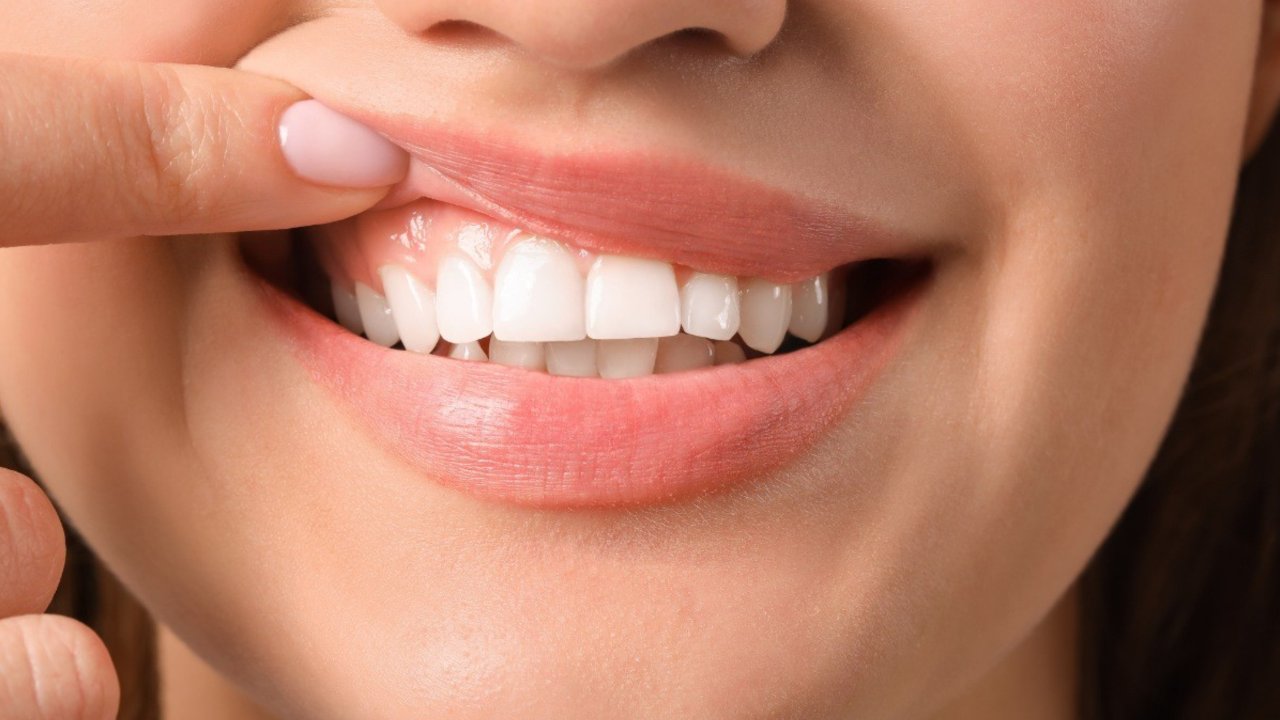
The swelling may be painful, tender, and filled with pus, indicating a deep-seated infection that affects not only the gums but may also involve the underlying bone and surrounding oral tissues. In Ayurveda, such conditions are often seen as a manifestation of poor digestion and the accumulation of waste products in the body.
Management includes balancing the doshas through internal detoxification (shodhana), herbal remedies, and local treatments like gandusha (oil pulling) and kavala (gargling with medicated decoctions). Herbs like Triphala, Turmeric (Haridra), and Neem (Nimba) are traditionally used to reduce inflammation, fight infection, and promote healing of the gums.
Disease Classification: Category, Pathology, and Symptoms
Category:
Dantapupputa is classified under the following categories in Ayurveda:
- Mukhagata Rogas – These are diseases that affect the oral cavity, including the lips, tongue, teeth, gums, and throat.
- Dantamula Gata Rogas – This is a sub-category of Mukhagata Rogas, which specifically refers to disorders involving the gums and alveolar processes—the root of the teeth and the supporting structures.
This classification helps in determining the appropriate line of treatment, which is tailored to the anatomical location and doshic involvement.
Pathology (Samprapti)
Dantapupputa is caused by the vitiation of Kapha dosha and Rakta dhatu (blood tissue), leading to localized pathology in the gums.
Contributing Factors:
- Poor oral hygiene
- Consumption of Kapha-aggravating foods (e.g., cold, heavy, sweet, oily items)
- Weak digestion and metabolism (Agnimandya) causing Ama (toxic metabolic waste) accumulation
These factors disturb the balance of doshas, particularly Kapha and Rakta, and initiate a pathological process.
Disease Progression:
- Vitiated Kapha leads to swelling, heaviness, and stagnation in the gum tissues.
- Vitiated Rakta introduces heat, inflammation, and a tendency for suppuration.
The interaction of these disturbed elements causes:
- Formation of a painful, pus-filled swelling (gum boil)
- Disruption of gum tissue, potentially affecting nearby teeth and alveolar bone
- Possible systemic effects like malaise if the infection is extensive
Symptoms of Dantapupputa Gum Disorder
According to Ayurvedic texts, Dantapupputa presents with the following classical symptoms:
- Dantayoh trishu vā mahān śvayathuḥ jāyate – A prominent swelling arises in the gums, typically affecting the root area of two or three adjacent teeth. This swelling is often large, painful, and may cause discomfort while chewing or speaking.
- Pāka – Suppuration, or the formation of pus, is a key feature of this disorder. As the condition progresses, the inflamed swelling softens and may discharge pus, indicating an underlying infection and tissue breakdown.
In addition to these, other commonly observed symptoms may include:
- Raktasrava (bleeding) from the gums
- Daurgandhya (foul smell) from the mouth
- Vedana (pain or tenderness) in the affected area
- Looseness of teeth near the site of swelling, if the infection progresses
- Difficulty in mastication and sometimes mild fever, if systemic involvement occurs
These symptoms reflect the aggravated state of Kapha (which causes swelling and heaviness) and Rakta (which leads to inflammation and bleeding), leading to the manifestation of Dantapupputa.
Modern view on Dantapupputa
Dantapupputa, as described in Ayurveda, can be closely correlated with the condition known in modern medicine as a Gum Boil, medically referred to as a periodontal abscess or gingival abscess.
This condition arises due to a bacterial infection in the gums, often resulting from poor oral hygiene, plaque accumulation, food impaction, or periodontal disease.
The infection leads to a localized collection of pus in the soft gum tissue, causing painful swelling in the affected area, typically around one or more teeth.
Initially, the abscess presents as a small, painful lump, but if untreated, the infection may spread, causing the swelling to extend throughout the surrounding gum tissues and sometimes even into the jawbone.
Additional symptoms may include bleeding, foul taste, bad breath, and loosening of teeth, mirroring the classical symptoms of Dantapupputa. In severe cases, the infection may become systemic, leading to fever or lymph node enlargement.
While the pathogenesis differs in framework—Ayurveda explaining it through doshic imbalance and dhatu vitiation, and modern medicine through microbial etiology—the clinical presentation and progression are remarkably similar.
Types of Gum Boils and Their Causes
A Gum Boil is a painful, swollen bump that appears on the gum tissue, typically as a result of an underlying infection. Medically known as a dental abscess, it is the body’s attempt to expel pus and infection from the gum or tooth. Gum boils should not be ignored, as they often indicate a deeper issue involving the teeth, gums, or jawbone.
Causes of Gum Boil
The most common cause of a gum boil is bacterial infection, but several factors can contribute to its development:
Primary Causes
- Tooth and gum infection – Infections beneath the gum line due to untreated cavities, gum disease, or deep periodontal pockets can lead to abscess formation.
- Impacted food particles – Food stuck between teeth and gums can rot and harbor bacteria, triggering localized infection.
- Poor oral hygiene – Inadequate brushing and flossing can lead to plaque and tartar buildup, which are breeding grounds for harmful bacteria.
- Dental plaque and tartar – Hardened plaque (tartar) irritates gums and may lead to abscess formation if left untreated.
Other Contributing Causes
- Oral cancer – In rare cases, a gum boil may be a symptom of oral malignancy.
- Pre-existing gum diseases – Conditions like gingivitis, periodontitis, or ulcerative gingivitis can predispose a person to abscess formation.
- Tooth abscess – Infection starting in the tooth pulp can extend to the surrounding gum.
- Diseases of the root canal – Bacterial invasion of the dental pulp can eventually affect surrounding tissues.
- Poorly fitting dentures – Can cause trauma and open the door for infection.
- Tooth decay – Cavities left untreated can lead to infection spreading to the root or gums.
- Weakened immune system – Conditions like diabetes or immunosuppressive therapies increase susceptibility to infections.
Types of Gum Boils
Depending on the location and origin of the abscess, gum boils can be categorized into three primary types:
1. Gingival Abscess
- Occurs on the surface of the gums, usually along the gum line.
- Typically caused by the presence of foreign objects or plaque buildup irritating the gum tissue.
2. Periapical Abscess
- Forms at the root tip of a tooth.
- Often the result of deep dental caries or trauma that allows bacteria to reach the pulp and surrounding bone.
3. Periodontal Abscess
- Occurs in the supporting tissues of the tooth, including ligaments and alveolar bone.
- Typically associated with chronic gum disease, it can cause significant damage if not treated promptly.
Gum boils can range from mildly uncomfortable to severely painful and may be associated with systemic symptoms like fever, swelling of lymph nodes, or difficulty chewing. Early diagnosis and appropriate treatment are crucial for preventing complications.
Common Symptoms of Gum Boils
A gum boil typically presents with a variety of symptoms that indicate infection or inflammation in the gum tissues. While some individuals may experience only mild discomfort, others may notice more severe signs. The common symptoms include:
1. Pain:
Most gum boils are associated with pain, which can vary in intensity. The pain is usually sharp, throbbing, and localized at the site of the boil. However, in some cases, the gum boil may not be painful, especially in the early stages or in mild cases.
2. Bump / Lump / Boil:
The hallmark sign of a gum boil is the appearance of a painful bump on the gum tissue. This lump can be felt with the tongue or by gently palpating the area with a finger. It may be reddened and swollen, and it often feels soft or fluctuating if filled with pus.
3. Swelling of the Gums:
The surrounding gum tissue may appear inflamed and swollen, often in the vicinity of the boil. The swelling can extend to the adjacent teeth and cause discomfort when chewing or brushing.
4. Discharge of Pus:
If the infection is more severe, pus may begin to drain from the boil. The discharge may be foul-smelling and yellowish or greenish, indicating bacterial infection.
5. Bleeding from the Boil:
In some cases, the gum boil can cause the surrounding gum tissue to bleed, especially when touched or irritated. This can be painful and may make the infection worse.
6. Sensitivity to Hot and Cold:
A gum boil can cause heightened sensitivity to temperature changes, such as hot beverages or cold food. This occurs due to the inflammation of the gum tissue and the underlying infection.
7. Bad Breath (Halitosis):
The infection and pus buildup can lead to bad breath or a foul taste in the mouth, often indicating the presence of bacteria and infection.
8. Fever:
A fever may develop as the body’s immune system reacts to the infection. This is a sign that the infection is affecting the body more broadly.
9. Pain in the Ear:
In more severe cases, the pain from the gum boil can radiate to the ear due to shared nerve pathways, making the ear feel sore.
10. Sense of Vomiting:
Sometimes, severe pain or infection can make a person feel nauseous or induce a sense of vomiting, especially if the infection is advanced.
Treatment of Dantapupputa (Gum Boil)
In Ayurveda, the treatment of Dantapupputa focuses on eliminating the vitiated Kapha and Rakta, draining the suppuration, and restoring the health of the gums. The line of treatment includes bloodletting (Raktamokshana), local applications, surgical procedures, and dietary regulation.
1. Raktamokshana (Bloodletting)
Bloodletting is considered the primary and most effective treatment for gum boils, as it helps relieve swelling, reduce inflammation, and eliminate vitiated Rakta.
Recommended methods of bloodletting include:
- Jalauka (Leech Therapy) – Especially useful in cases with severe inflammation and tenderness; leeches gently draw out the vitiated blood without trauma.
- Alabu (Application of Hollowed Gourd) – A method of suction bloodletting using a dried gourd to create negative pressure.
- Shrunga (Application of Horn) – Suction using a hollow animal horn; effective in localized swellings with stagnation.
2. Panchalavana Kshara Pratisarana
A special alkali preparation made from five types of salts is mixed with honey and applied directly to the gums. This Pratisarana (rubbing application) helps to:
- Reduce pus formation
- Cleanse the infected area
- Promote healing of the gum tissues
3. Bhedana (Incision)
Once the swelling has ripened (become soft and fluctuant), it should be surgically incised to drain the pus. This is followed by application of medicinal pastes or powders as mentioned above to ensure complete evacuation and healing.
4. Snigdha Bhojana (Unctuous Diet)
During the recovery phase, a diet rich in unctuous foods such as ghee, sesame oil, and fatty preparations is recommended. These foods help pacify Vata, support tissue repair, and improve overall strength and immunity.
Treatment Line as per Master Vagbhata
The classical text Ashtanga Hridaya, authored by Acharya Vagbhata, outlines a specific sequence of treatment for Dantapupputa:
1. Swedana (Fomentation) – Local application of heat helps soften the swelling, open up channels, and promote ripening of the abscess.
2. Chedana (Incision) – Once ripe, the boil should be carefully incised to release pus and relieve pressure.
3. Bhedana / Lekhana (Separation / Scraping) – The wound or cavity is then gently divided or scraped to remove any remaining infectious material.
4. Pratisarana (Topical Application) – A paste or powder made from the following ingredients is applied to disinfect and heal the affected area:
- Shunthi (Ginger) – Anti-inflammatory and antimicrobial
- Saindhava Lavana (Rock Salt) – Cleansing and decongestant
- Sarjika Kshara (Sodium Carbonate) – A strong alkali with antiseptic and debriding action
This comprehensive approach not only targets the symptoms and infection, but also addresses the underlying doshic imbalance, supporting long-term oral health.
Effective Home Remedies for Gum Boils
While medical intervention is often necessary, several home remedies can help alleviate the pain, reduce swelling, and manage mild infections until professional treatment is sought. These remedies focus on soothing the gums, reducing inflammation, and promoting drainage of the pus.
1. Salt Water Gargle
- Method: Dissolve 1 teaspoon of salt in a glass of warm water and use it to gargle your mouth.
- Benefits: This simple remedy helps to reduce pain, swelling, and irritation. It also loosens trapped food particles and bacteria and may help promote pus drainage. If the infection is severe, however, it may provide only temporary relief and should prompt a visit to the dentist.
2. Clove Oil
- Method: Apply 1-2 drops of clove oil directly to the gum boil with a cotton ball or clean fingertip.
- Benefits: Clove oil contains eugenol, which has antiseptic, analgesic, and anti-inflammatory properties. It helps to numb the pain and reduce inflammation, offering almost immediate relief for mild to moderate cases.
3. Garlic Juice
- Method: Swish garlic juice in your mouth or apply it directly to the affected area.
- Benefits: Garlic is known for its antiseptic and anti-inflammatory properties. It can help kill bacteria, reduce swelling, and relieve pain. However, garlic’s strong taste may be overwhelming for some, so it can be diluted or replaced with other alternatives if needed.
4. Peppermint Oil
- Method: Apply 1 drop of peppermint oil to the painful gum boil.
- Benefits: Peppermint oil has a cooling effect, which can help soothe pain and reduce discomfort. It also has antibacterial properties that help in controlling infection.
5. Oil Pulling
- Method: Take 1-2 tablespoons of coconut or sesame oil and swish it in your mouth for 10-15 minutes.
- Benefits: This ancient Ayurvedic remedy helps to remove toxins, reduce bacteria, and promote gum health. It can provide mild relief from pain and swelling.
6. Tea Tree Oil
- Method: Dilute tea tree oil with a carrier oil (like coconut oil) and apply it to the gum boil.
- Benefits: Tea tree oil has strong antibacterial and antiseptic properties, which can help reduce infection and soothe inflamed gum tissue.
7. Hydrogen Peroxide Rinse
- Method: Mix 1 part hydrogen peroxide (3%) with 2 parts water and use it as a mouth rinse.
- Benefits: Hydrogen peroxide is an antiseptic that helps to cleanse the area, kill bacteria, and promote healing.
8. Turmeric
- Method: Make a paste using turmeric powder and water or honey, and apply it to the gum boil.
- Benefits: Turmeric contains curcumin, known for its anti-inflammatory and antibacterial properties. It helps to reduce swelling and fight infection.
9. Exposing the Boil to Fumes of Turmeric
- Method: Hold the boil near the smoke or fumes produced from burning turmeric root or turmeric powder.
- Benefits: The antibacterial nature of turmeric can help to disinfect and reduce the growth of bacteria, promoting quicker healing.
While these home remedies can provide temporary relief for mild cases, persistent or severe gum boils should be treated by a dentist or healthcare provider.
If you experience worsening symptoms, it is essential to seek professional care to avoid complications such as spreading infection, tooth loss, or deeper gum damage.
In Ayurveda, gum boils (Danta Pupputa) are attributed to imbalances in the doshas—primarily Pitta and Rakta—often aggravated by poor oral hygiene or an improper diet. Treatment involves a holistic approach that integrates herbal remedies, detoxification practices, and lifestyle modifications.