Kansa Vatki (Bowl) Foot Massage – It’s Benefits & Technique

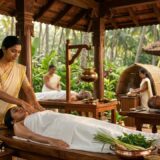
In the world of Ayurvedic healing, the Kansa Vatki Foot Massage stands out as a deeply rejuvenating and balancing therapy. Using a special bronze alloy bowl known as the Kansa, this traditional Indian technique stimulates vital marma points on the feet, helping to detoxify the body, improve circulation, and calm the nervous system.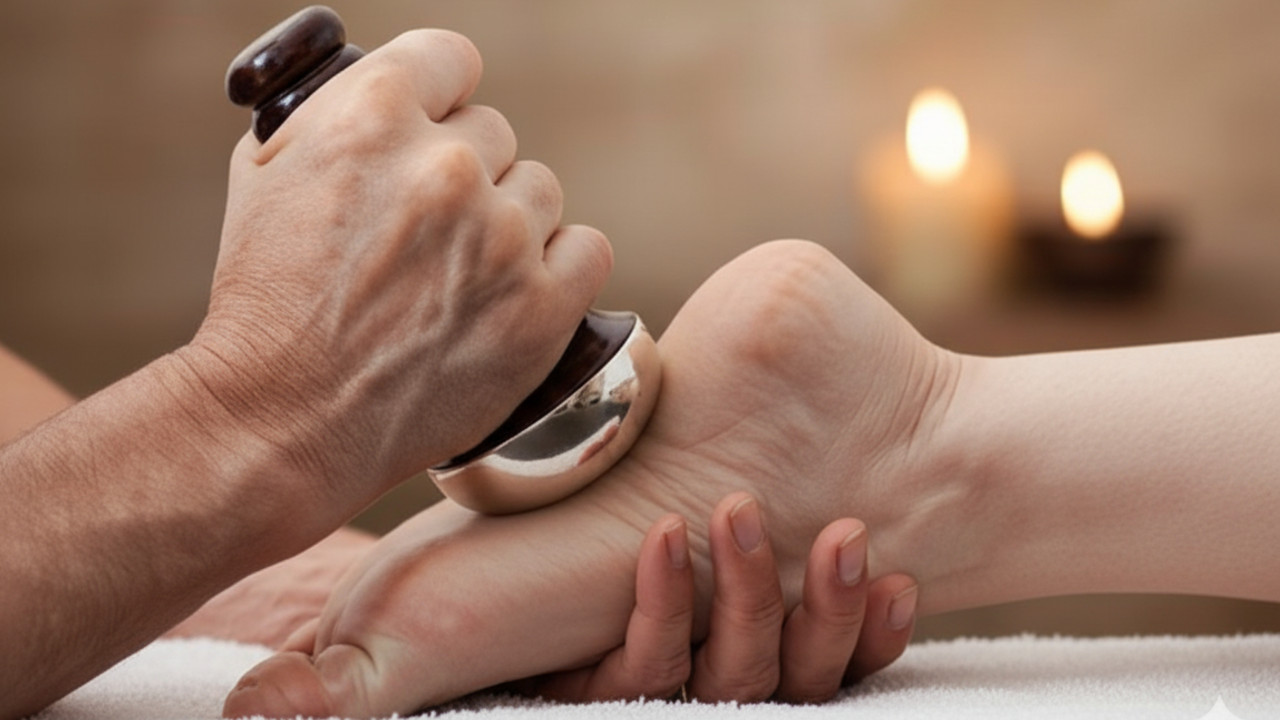 More than just a foot massage, Kansa Vatki therapy is rooted in the ancient principles of Ayurveda, where the feet are believed to be gateways to the body’s internal organs and energy systems. By massaging these reflex zones with the Kansa bowl, practitioners aim to restore harmony between the body’s three doshas — Vata, Pitta, and Kapha — and promote holistic well-being.
The unique metal composition of the Kansa bowl (a blend of copper, tin, and zinc) is said to have healing and detoxifying properties. When applied to the skin, it not only enhances circulation but may also help reduce inflammation, balance the pH level of the skin, and release excess heat and toxins from the body.
Whether you’re seeking natural stress relief, a way to ground your energy after a long day, or a non-invasive method to support detoxification, this ancient practice offers a gentle yet powerful solution.
What is a Kansa Vatki Massage?
A Kansa Vatki Foot Massage is an ancient Ayurvedic treatment that detoxifies and rejuvenates the body. It involves massaging the feet with a specially designed bowl—the Kansa Vatki—made from a specific bronze alloy, using a generous amount of herbalized oil (Taila).
The word “Kansa” (or Kamsa) refers to the bell metal alloy itself, a blend primarily of copper and tin, while “Vatki” means a small bowl or cup.
The ritual is systematic, working on the entire foot, including the soles, tops, ankles, and toes, to stimulate energy points, improve circulation, and draw out metabolic toxins.
Origin: Rooted in Ancient Wisdom
This practice is not a modern wellness trend but a tradition rooted in the ancient Indian medical system of Ayurveda, which dates back over 5,000 years. Ayurveda, meaning “the science of life,” focuses on achieving harmony within the body’s three vital energies or doshas—Vata (air/space), Pitta (fire/water), and Kapha (earth/water).
Balance among these doshas is believed to be key to maintaining health and well-being. Ayurvedic practices aim to support this balance through diet, lifestyle, and therapeutic techniques.
In Ayurveda, the feet are considered especially important. They are viewed as the physical and energetic foundation of the body, deserving of regular care and attention.
Feet also contain many Marma points—vital energy centers—and are connected to the entire body via reflexology pathways. Nurturing the feet is thus seen as a way to support the health of the entire being.
Core Concepts of Kansa Massage
The core philosophy behind the Kansa massage is twofold: grounding and purification.
1. Kansa Metal Tool (Kansa Wand)
- Kansa massage is performed using a dome-shaped wand crafted from the Kansa alloy (a blend of copper and tin).
- In Ayurveda, Kansa is revered as a healing metal, believed to help balance the three doshas: Vata, Pitta, and Kapha.
- The wand is typically used with natural oils such as coconut, sesame, or traditional Ayurvedic herbal oils to aid in massage and absorption.
2. Balancing Energies (Doshas)
Ayurveda maintains that optimal health depends on the balance of three vital energies:
- Vata – air & space
- Pitta – fire & water
- Kapha – earth & water
Kansa massage is particularly effective in calming Pitta and Vata imbalances, helping to restore equilibrium in the body and mind.
3. Detoxification
- The Kansa metal is believed to draw out toxins (known as ama in Ayurveda) from the skin and deeper tissues.
- A gray or black discoloration on the skin or wand may appear during treatment, which is considered a sign of detoxification.
4. Lymphatic Drainage & Circulation
Kansa massage encourages:
- Lymphatic drainage to eliminate waste
- Improved blood circulation
- Stimulation of facial muscles, reducing puffiness, and enhancing natural glow
- Facial & Body Application
5. Facial Kansa Massage
- Tones the skin
- Reduces signs of aging
- Relaxes facial muscles
6. Body Kansa Massage
- Relieves muscular tension
- Alleviates fatigue
- Eases chronic stress symptoms
7. Mind-Body Relaxation
- This therapy promotes deep relaxation, offering benefits for both mental clarity and emotional balance.
- Regular practice can help reduce anxiety, alleviate stress, and support better sleep quality.
Kansa Vatki Foot Massage Benefits
The benefits of a regular Kansa Vatki massage are extensive, impacting the physical, mental, and energetic layers of one’s being.
1. Stimulates Reflexology Points
The soles of the feet are a microcosm of the entire body. Every organ, gland, and system has a corresponding reflex point on the feet. The precise pressure from the Kansa bowl’s edge stimulates these points, promoting healing, relieving tension, and improving function in the corresponding areas. A massage isn’t just for the feet; it’s a massage for your entire internal ecosystem.
2. Dramatically Improves Circulation
The combination of manual stimulation and the unique properties of the metal enhances blood flow and lymphatic drainage. This improved circulation aids in the oxygenation of tissues, the delivery of nutrients, and the more efficient removal of metabolic waste, reducing swelling and heaviness in the feet and legs.
3. Powerful Detoxification
This is a hallmark benefit. Practitioners often observe a change in the oil’s consistency on the skin and bowl during the massage. Initially, it may appear cloudy or form a sticky, whitish residue, which is interpreted as the drawing out of ama. As the massage continues, the oil typically becomes clear again, signaling a cleaner system. This palpable evidence of detoxification is a unique aspect of the treatment.
4. Calms the Entire Nervous System
The foot is rich in nerve endings. The rhythmic, soothing strokes of the massage stimulate these nerves in a way that triggers the parasympathetic nervous system—the “rest and digest” state. This induces a deep, meditative relaxation, lowers cortisol levels (the stress hormone), and can significantly reduce feelings of anxiety and overwhelm. It is a powerful antidote to the hyper-stimulated “fight or flight” mode of modern life.
5. Effective Pain Relief
The massage can provide significant relief from common foot ailments like plantar fasciitis, heel spurs, and general achiness from standing all day. Improving circulation, reducing inflammation, and releasing tension in the plantar fascia promote healing and comfort. It can also ease discomfort from arthritis by loosening stiff joints.
6. Deep Grounding and Centering
In an age of digital distraction and mental overload, the Kansa massage offers a rare opportunity to truly “come down to earth.” The practice is deeply grounding, helping to dissolve mental chatter and create a tangible connection between the body and the earth, fostering a sense of security and presence.
7. Balances the Doshas
As mentioned, it is supremely effective in pacifying Vata dosha. However, by calming the nervous system (affecting Pitta-related heat and intensity) and promoting movement and circulation (addressing Kapha-related stagnation), it has a harmonizing effect on all three constitutional energies, promoting overall systemic balance.
8. Enhances Mental Clarity and Sleep Quality
The deep relaxation achieved during the massage doesn’t end when the session does. By alleviating stress and anxiety, it clears mental fog and paves the way for a night of deeper, more restorative sleep. Many recipients report falling asleep more easily and waking up feeling more refreshed.
9. Boosts Immunity and Vitality
By enhancing lymphatic flow and circulation, the Kansa foot massage supports the body’s natural detox pathways and immune response. Stimulating lymph movement helps transport white blood cells more efficiently, strengthening resistance to illness. Over time, this contributes to higher energy levels, vitality, and overall resilience.
10. Revitalizes Energetic Pathways (Marma Points Activation)
The feet contain numerous marma points—vital energy centers in Ayurvedic medicine. The Kansa bowl gently stimulates these points, clearing blockages and restoring the flow of prana (life force). This energetic balancing uplifts emotional well-being, calms the mind, and aligns the subtle body with physical health.
What is a Kansa Bowl?
A Kansa bowl is a traditional metal bowl made from Kansa, which is an Indian name for a type of bronze, an alloy primarily composed of copper (about 78%) and tin (about 22%). Kansa has been used in India for centuries in Ayurvedic medicine and cooking due to its purported health benefits.
Kansa Bowl Composition
An authentic Kansa bowl is not just any piece of metal. It is crafted from a traditional alloy of approximately 78% copper and 22% tin. This specific ratio is crucial.
Copper is known in Ayurveda for its anti-inflammatory and purifying properties, while tin adds strength and a specific energetic quality. This combination is believed to create the ideal galvanic response with the body’s natural energies.
Kansa Bowl Design
The bowl is designed with intention. It is ergonomically shaped to fit comfortably in the practitioner’s hand. Its most important feature is the perfectly smooth, rounded, and rolled edge.
This edge is what glides over the contours of the foot, applying firm but gentle pressure to the Marma and reflex points without causing discomfort. A well-made bowl will have a beautiful luster and a solid, balanced feel.
Ayurvedic Healing Oils (Taila) Used in Massage
The oil is not merely a lubricant; it is an active, therapeutic component of the treatment.
Base oils: The base is typically a warming, nourishing oil like organic sesame oil or coconut oil. Sesame oil is particularly valued in Ayurveda for its ability to penetrate deeply, nourish the tissues, and pacify Vata.
Herbalized Oils (Taila): For a truly authentic and potent experience, herbalized oils are used. These are base oils that have been medicated through a slow, careful process of infusion with specific Ayurvedic herbs. Common choices include:
- Mahanarayan Taila: A classic, powerful blend for relieving joint and muscle pain, inflammation, and nervous system disorders.
- Bala Taila: Excellent for strengthening muscles, bones, and nerves, and for pacifying Vata.
- Dhanwantharam Taila: A renowned formula for rejuvenation, particularly effective for neurological conditions and deep nourishment.
The choice of oil can be tailored to the individual’s doshic imbalance or health concerns.
Supporting Items: Setting the Stage
- Comfortable Seating: The recipient should be able to lie supine (on their back) or recline comfortably on a massage table or comfortable couch. The practitioner should have a low stool or chair to sit on, ensuring they are comfortable and can maintain good posture throughout.
- Foot Soak Basin: A basin for a warm pre-soak is essential. Adding Epsom salts (magnesium sulfate) or a handful of dried ginger powder to the warm water can enhance relaxation, reduce inflammation, and soften the skin before the massage.
- Towels: Several towels are needed—one for drying the feet after the soak, one to place under the feet during the massage to catch drips, and a warm, damp cloth for wiping the feet at the end.
- Soft Cloth: A dedicated, soft cloth (like flannel or muslin) is used for cleaning and polishing the Kansa bowl before and after use.
Pre-Treatment Preparation: The Ritual Begins
The preparation is a vital part of the ritual, setting the tone for a sacred healing experience.
The Consultation: A brief, mindful check-in is important. Ask the recipient about their general well-being, any specific areas of pain or discomfort in their feet or body, and any known health conditions (refer to contraindications later). This ensures the massage is safe and can be adapted to their needs.
Creating the Ambiance: The environment is key to inducing deep relaxation. Dim the lights, ensure the room is warm and draft-free, and play soft, calming music or nature sounds. Some practitioners may light a candle or use essential oil diffusers with grounding scents like sandalwood, frankincense, or lavender. The goal is to create a sanctuary away from external stimuli.
Preparing the Recipient:
- The Foot Soak: Offer a warm (not hot) foot soak for 5-10 minutes. This is not just about cleanliness; it’s a symbolic washing away of the day’s stresses and a physical preparation of the tissues. It warms the muscles, softens the skin, and begins the process of relaxation. Gently dry the feet thoroughly afterward.
Preparing the Tools:
- Warm the Oil: Place the bottle of oil in a bowl of hot water for a few minutes to gently warm it. Warm oil is more soothing and penetrates more effectively than cold oil.
- Clean the Bowl: Even a new bowl should be cleaned. Use a small amount of oil and the soft cloth to gently polish the inside and edge of the Kansa bowl. This removes any residue and prepares the metal for its therapeutic work.
The Step-by-Step Massage Kansa Vatki Procedure
The massage itself follows a logical and therapeutic sequence. The entire process should be performed with mindful presence and loving intention.
Starting Position: The recipient lies on their back. The practitioner sits comfortably at their feet, ensuring their own back is straight and relaxed.
Application of Oil: Pour a generous amount of warm oil into your palm and apply it to one foot at a time. Massage the oil over the entire foot—sole, top, ankle, heel, and toes—with your hands. This initial contact is important for connecting with the recipient and ensuring the foot is well-lubricated.
The Massage Technique – A Detailed Sequence of Strokes
Hold the Kansa bowl comfortably in your dominant hand, with your fingers resting inside the bowl and your thumb supporting it on the outside. The curved edge is the point of contact.
1. Long, Gliding Strokes (The Foundation):
- Action: Using firm but gentle pressure, glide the edge of the bowl from the heel all the way to the tip of each toe. Follow the natural contour of the foot.
- Repetition: Perform these strokes 7 to 14 times on the first foot. The number can be based on intuition or the recipient’s need.
- Purpose: This warms the foot, spreads the oil, begins the process of stimulating circulation, and grounds the energy.
2. Circular Strokes (Targeted Stimulation):
- Action: After the gliding strokes, use the edge of the bowl to make small, firm, clockwise circular motions over the entire sole of the foot. Pay particular attention to the arch, which corresponds to the spine and internal organs. Spend extra time on any areas that feel granular, tight, or tender—these are likely reflex points needing attention.
- Purpose: This provides deep stimulation to specific reflexology points, helping to release blockages and promote energy flow to corresponding body parts.
3. Focus on the Arch and Heel:
- The arch is a crucial area. Use a series of short, back-and-forth strokes or deep circular motions along the entire length of the arch. For the heel, use circular motions to break up tension.
4. The Top of the Foot and Ankles:
- Action: Use the bowl gently or use your thumbs to massage the top of the foot, working into the spaces between the metatarsal bones. Circle the ankle bones gently with the bowl or your fingers.
- Purpose: This ensures comprehensive coverage, releases tension in the often-neglected top of the foot, and promotes flexibility in the ankle joint.
5. Toe Work:
- Action: Gently grasp each toe between your thumb and the side of the Kansa bowl (or use your fingers). Gently massage and pull each toe, giving it a slight traction.
- Purpose: The toes contain nerve endings connected to the head, sinuses, and neck. This stimulation can relieve headaches and sinus congestion.
6. Observation and Intuition:
- Throughout the massage, observe the oil on the foot and the bowl. A sticky, white residue may form, which is believed to be drawn-out toxins. Wipe the bowl with your cloth as needed and continue. Let your intuition guide you to spend more time where it feels needed.
7. Completion:
- Once you have completed the sequence on one foot (typically taking 10-15 minutes per foot), gently wipe the foot with a warm, damp cloth to remove excess oil and any residue.
- Cover the finished foot with a towel to keep it warm.
- Repeat the entire sequence on the second foot.
- When both feet are complete, they should feel incredibly warm, relaxed, and may appear slightly pink—a healthy sign of increased circulation.
Post-Treatment Advice and Aftercare
The care given after the massage is vital for maximizing its benefits and ensuring well-being.
For the Recipient:
- Rest: Encourage the recipient to rest quietly for at least 10-15 minutes after the massage. This allows the body to integrate the treatment and maintain the state of deep relaxation. Offering a warm blanket enhances this experience.
- Hydrate: Drink a large glass of warm water or herbal tea (like ginger or cumin-coriander-fennel tea) after the session. This is crucial to help the body flush out the toxins that have been mobilized during the massage.
- Diet: Avoid cold drinks, processed foods, or a heavy meal immediately afterward. Opt for something light, warm, and easily digestible to allow the body’s energy to focus on healing rather than digestion.
- Notice the Effects: Pay attention to the deep, restful sleep that often follows a treatment, as well as the feeling of groundedness and calm that can last for days.
For the Practitioner:
- Bowl Care: Clean the Kansa bowl immediately after use. Use a dry or slightly oiled soft cloth to wipe it thoroughly, polishing it until it shines. Proper care prevents oxidation and maintains the bowl’s energetic integrity for years to come. Store it in a dry place.
Contraindications and Precautions
While generally very safe, there are situations where the massage should be avoided or modified.
Absolute Contraindications (When to Avoid):
- Open Wounds, Cuts, or Infections: Do not massage over any broken skin, blisters, warts, athlete’s foot, or other contagious skin conditions on the feet.
- Deep Vein Thrombosis (DVT) or Severe Vascular Disease: Massage could dislodge a blood clot, which is extremely dangerous.
- High Fever: The body is already under stress and fighting infection; massage can overtax it.
- Immediately After Surgery: Wait until cleared by a doctor, especially for surgeries involving the feet, legs, or heart.
Use with Caution and Modification:
- Pregnancy: While generally beneficial for reducing swelling and anxiety, it should only be performed by a trained practitioner. Certain reflexology points on the feet (e.g., points linked to the uterus) are to be avoided, and pressure should be much lighter.
- Diabetes: Due to potential reduced sensation (neuropathy) and poor circulation, extreme care must be taken. Use very light pressure and avoid any areas with compromised skin integrity. Always get permission from a healthcare provider first.
- Recent Sprains or Fractures: Avoid massaging directly over the injured area. Massage can be done on other parts of the foot to support circulation, but only after the acute phase has passed and with medical approval.
- Severe Osteoporosis: Use very light pressure to avoid injury.
Kansa Vatki Foot Massage Side Effects
Kansa Vatki foot massage is a traditional Ayurvedic therapy that uses a bowl made of Kansa (a metal alloy of copper, tin, and sometimes zinc) to massage the feet. It’s generally considered safe and beneficial, but like any treatment, it may have some side effects or precautions depending on individual health conditions.
Possible Side Effects or Concerns:
Detox Reactions
- Kansa massage is believed to draw out toxins, which might cause mild detox symptoms like fatigue, headaches, or slight nausea in sensitive individuals after a session.
Skin Reactions
- Some people may experience skin irritation or rashes, especially if they are allergic to metals like copper or if improper oils are used during the massage.
Aggravation of Certain Conditions
- If someone has varicose veins, open wounds, fractures, or severe foot inflammation, the massage may aggravate the condition and should be avoided.
Discomfort from Pressure
- If done with too much pressure or by an inexperienced practitioner, it may cause soreness, bruising, or discomfort, especially in elderly or sensitive individuals.
Who Should Avoid or Use Caution:
- People with metal allergies (especially to copper or tin)
- Individuals with severe circulatory issues or foot injuries
- Those with neuropathy or diabetic foot complications
- Pregnant women (especially in the first trimester) should consult a doctor before getting any kind of massage
Kansa Vatki Therapy Research Paper
| Study/Practice | Description | Key Findings | Reference |
|---|---|---|---|
| 1. Ayurvedic Abhyanga Massage and Stress Reduction | A pilot study investigated the effects of Abhyanga, a traditional Ayurvedic oil massage, on subjective stress experiences. The study involved 20 healthy participants who underwent a 1-hour Abhyanga session. | Significant reduction in stress levels post-massage, suggesting beneficial effects on stress reduction. | PubMed |
| 2. Padabhyanga (Foot Massage) in Indian Medicine | Research on Padabhyanga, the practice of foot massage in Indian medicine, highlights its various health benefits, such as inducing sleep, relieving tiredness, improving visual power, and promoting overall well-being. This practice is essential in Ayurvedic routines. | Foot massage offers multiple health benefits and is an essential part of daily Ayurveda health routines. | traditional-medicine-conferences.magnusgroup.org |
| 3. Ayurvedic Massage for Chronic Low Back Pain | A randomized controlled trial assessed the effectiveness of Ayurvedic massage with Sahacharadi Taila in patients with chronic low back pain. The study compared it with standard thermal therapy. | Significant improvements in pain and quality of life, indicating that Ayurvedic massage is effective for chronic pain. | PubMed |
FAQ’s
Q1: What is Kansa Vatki foot massage?
A: Kansa Vatki foot massage is a traditional Ayurvedic therapy using a small bowl made from Kansa (a copper-tin alloy) to gently massage the feet. It aims to balance energy, improve circulation, and relax the body and mind.
Q2: What are the benefits of Kansa Vatki?
A: The massage promotes deep relaxation, detoxifies the body, improves lymphatic drainage, enhances sleep, reduces stress, and balances the body’s doshas (Vata, Pitta, and Kapha).
Q3: Are there any side effects of Kansa Vatki?
A: While generally safe, some may experience mild skin irritation, fatigue, or detox symptoms like slight headaches. It’s best avoided if you have open wounds, infections, or certain medical conditions.
Q4: How often should I do Kansa Vatki foot massage?
A: For general wellness, 2–3 times a week is ideal. However, you can adjust based on your body’s needs and personal goals, or follow a practitioner’s recommendation.
Q5: Which oils are best to use with Kansa Vatki?
A: Ayurvedic oils like sesame, coconut, or medicated oils such as Brahmi or Ashwagandha oil are commonly used. Choose oil based on your dosha type or the season.
Q6: Is Kansa Vatki safe for people with diabetes or sensitive feet?
A: It can be beneficial, but those with diabetes, neuropathy, or sensitive skin should consult a healthcare provider first. Gentle pressure is key, and hygiene must be ensured.
Q7: Can Kansa Vatki help with sleep or insomnia?
A: Yes, the calming effect of the massage can promote better sleep by reducing stress and calming the nervous system. Regular sessions may support deeper, more restful sleep.
Q8: How long does a typical session last?
A: A standard session lasts between 20 to 45 minutes. It can be customized depending on your needs, with some treatments including a foot soak or leg massage.
Q9: What does Kansa Vatki massage cost?
A: The cost varies by location and service provider. A single session at a spa may range from ₹500 to ₹2,000, while a quality Kansa bowl costs ₹800–₹2,500 for home use.
Q10: How do I choose a good Kansa Vatki tool or practitioner?
A: Look for authentic Kansa metal (not just bronze or copper), smooth craftsmanship, and Ayurvedic certifications. When choosing a practitioner, check reviews, credentials, and hygiene standards.
Kansa Vatki foot massage is an ancient Ayurvedic practice known for its healing and balancing effects. While generally safe, it may cause mild side effects such as skin irritation or fatigue in sensitive individuals. To ensure safety and effectiveness, it should be performed by a trained professional.