Ayurvedic Diet: How India’s Traditional Foods Heal & Nourish

These days, with so many fad diets and processed meals around, more of us are looking for food that truly nourishes us. We want more than just fuel — we want meals that support our health, lift our mood, and connect us to something deeper and lasting.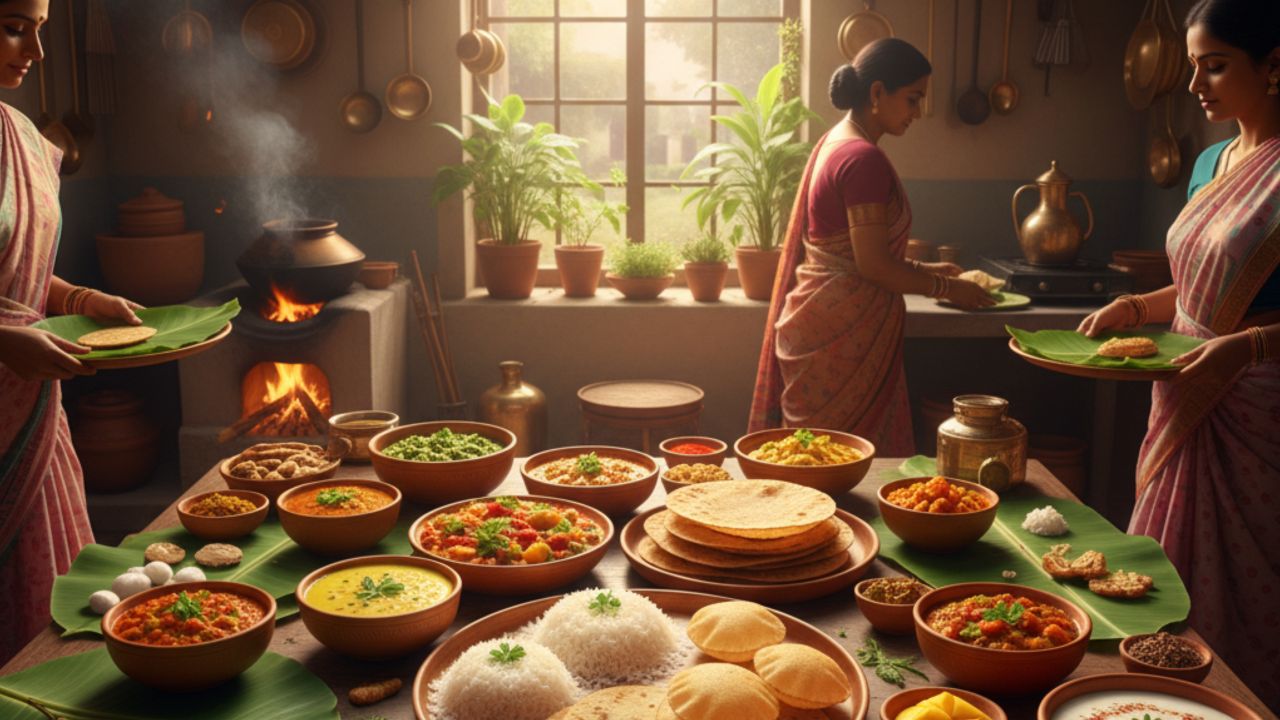 That idea isn’t new — in fact, it’s ancient. Traditional Indian diets have followed the principles of Ayurveda for thousands of years. These meals aren’t just about taste or tradition; they’re based on a deep understanding of how food can support both body and mind every day.
Indian food has always had purpose. It’s not just about flavor; it’s about function. From light, healing porridges given during illness to rich festival dishes that restore balance, every meal is made with care, using ingredients and spices that are chosen for their specific health benefits.
In this article, we’ll explore the roots of India’s traditional food — how it ties into Ayurveda and how it varies beautifully across regions. These meals don’t just fill our stomachs; they keep us well, prevent illness, and remind us how closely food is tied to life.
The Ayurvedic Foundation: Food as Medicine
Ayurveda places immense importance on Ahara (diet), considering it one of the three pillars of life, alongside Nidra (sleep) and Brahmacharya (celibacy or regulated sexual energy). It is the most critical factor for sustaining life and is the first line of treatment in preventing and eliminating disease.
Ancient seers like Acharya Charaka stated that a proper diet, consumed correctly, bestows Bala (strength), Varna (a healthy complexion), nourishment to all the body’s tissues (Saptadhatus), enhances Oja (the essence of immunity and vitality), and sharpens the senses.
The classical texts provide a comprehensive dietary framework, detailing:
- Classification of Food Items (Apadravya): Categorizing ingredients based on their inherent properties.
- Various Food Recipes (Ahar Kalpana or Pathyakalpana): Specific preparations for health and healing.
- Cooking Methods and Utensils: Recognizing that how we cook is as important as what we cook.
- Dietary Incompatibilities (Viruddha Ahara): Understanding food combinations that can cause imbalances.
- Individualized Consumption: Guidance on eating according to one’s unique body constitution (Prakruti), digestive fire (Agni), season (Kala), and geography (Desha).
This sophisticated understanding forms the bedrock upon which India’s vast culinary heritage is built.
Ahar Kalpana: The Ayurvedic Medicine in Your Kitchen
Ayurvedic texts meticulously describe a range of therapeutic food preparations, known as Pathyakalpana. These are not merely recipes but precise medicinal formulations designed for easy digestion and maximum therapeutic benefit.
Astonishingly, these ancient preparations bear a striking resemblance to the foods consumed in Indian households for generations.
Below are some of these foundational recipes:
1. Manda: The supernatant, watery portion of rice cooked in a high ratio of water (1:14). It is the lightest of all preparations. A variation, Lajamanda, made with parched rice, is renowned for relieving tiredness, acting as a carminative, aiding digestion, and pacifying Vata Dosha (the air and space element).
2. Peya: A slightly thicker gruel than Manda, containing both the liquid and a fine, gravely part of the rice. It is easily digestible, stops loose motions, nourishes tissues, and is used for abdominal pain, weakness, and excessive thirst.
3. Vilepi: A thick rice gruel (1:4 rice to water ratio) with a minimal liquid component. It is Grahi (absorbent, useful in diarrhea), relieves thirst, and is carminative and stomachic. It is often recommended for those recovering from wounds, eye diseases, or Panchakarma detox therapy.
4. Yush: This is a soup made from pulses, cooked with 16 parts water, and then strained. Spices like turmeric, ginger, and asafoetida are often added to enhance digestibility and reduce the bloating sometimes associated with legumes.
5. Mamsarasa: A nourishing meat broth, prepared by slow-cooking meat in water and consuming the liquid portion. It is a potent strength-builder.
6. Sattu: A flour made from roasted pulses and cereals like barley, wheat, and Bengal gram. Mixed with water, it is a quick, cooling, and energizing drink. Ayurveda describes it as Balya (strength-giving), Vrushya (aphrodisiac), and Malabhedak (promoting bowel movement).
7. Krushara (Khichadi): Often called the ultimate Ayurvedic food, this one-pot meal of rice and green gram (mung dal) is cooked with digestive spices like ginger, turmeric, and asafoetida. It is an aphrodisiac, diuretic, and excellent for mental, gut, and reproductive health. It is the cornerstone of cleansing diets.
8. Payasya/Kshirika (Kheer): A nourishing rice pudding made by cooking rice in milk, often sweetened with sugar or jaggery. It is grounding, strengthens the body, and pacifies Pitta (fire element) and Vata. A version made with coconut milk is considered cooling and beneficial for Raktapitta (bleeding disorders).
9. Bhakta (Cooked Rice): The simple, everyday staple of cooked rice. When prepared correctly (e.g., with the right water ratio), it is considered delicious and easy to digest, forming the base of a balanced meal.
10. Panak (Sharbat): These are traditional beverages made from sour or sweet fruits like tamarind, mango, or lemon, dissolved in water with sugar or honey. They enhance taste, refresh the senses, and can balance doshas. For instance, tamarind sharbat pacifies Vata, while lemon sharbat aids digestion.
This is just a glimpse into the sophisticated “culinary pharmacy” of Ayurveda, demonstrating that healing can be delicious and deeply integrated into daily life.
Indian Regional Recipes and Their Ayurvedic Roots
India’s diverse geography, climate, and cultures have given rise to a spectacular array of regional cuisines, all of which intuitively adhere to Ayurvedic principles by using locally available ingredients to create balance.
1. The Northern Region
Influenced by the Himalayas and the Mughal era, North Indian cuisine is known for its rich, dairy-based foods.
- Dairy Products: Paneer (cottage cheese), ghee (clarified butter), yoghurt, and buttermilk are staples. Buttermilk, in particular, is celebrated in Ayurveda for aiding digestion, enhancing taste, and being useful in managing swelling, piles, and abdominal diseases.
- Grains: Wheat is a primary grain. Roti (flatbread) made from whole wheat flour is considered nourishing, strength-building, and pacifying for Vata, though it can increase Kapha (the earth and water element) and is heavy to digest for some.
- Rajasthani Specialties: In the arid desert climate, dishes like Dal-Bati-Churma are designed to provide sustenance and prevent dehydration. Bati (hard, baked wheat balls) is considered easily digestible, aphrodisiac, and beneficial for respiratory diseases. The liberal use of ghee and yoghurt provides necessary moisture and smoothness to the body.
2. The Southern Region
The humid, tropical climate of the south naturally leads to a rice-based diet, which is inherently cooling and pacifying for Pitta.
Rice: The staple grain is described as sweet, cooling, oily, easy to digest, and a diuretic.
Fermented Foods: This region masters the art of fermentation, a process that Ayurveda and modern science agree enhances nutritional value.
- Idli & Dosa: These iconic dishes, made from a fermented batter of rice and black gram, are pillars of South Indian cuisine. Black gram is heavy and oily, but fermentation transforms it. Modern research shows that the fermentation process, driven by bacteria like Lactobacillus plantarum, increases probiotic activity and produces vitamins like B12, making these foods highly digestible and nutritious.
- Ambali: A porridge from Karnataka and Tamil Nadu made from finger millet flour. The fermentation increases the concentration of B vitamins and the bioavailability of minerals. Its high calcium and resistant starch content make it an excellent geriatric food, though its cold property means it’s best avoided in winter and the rainy season.
Coconut and Spices: The abundant use of coconut, in the form of chutneys, curries, and oil, adds a cooling, sweet, and nourishing element that balances the heat of the spices and climate. Coconut oil is considered cardio-tonic and pacifying for Pitta.
3. The Eastern Region
With its humid climate and extensive river systems, Eastern India has a cuisine rich in aquatic foods and unique sweets.
- Fish: A popular source of protein, often cooked with yoghurt and spices, balancing its heavy nature with digestive ingredients.
- Sweets: Bengal is famous for its confectioneries like Rasgulla, Gulab Jamun, and Sandesh. While modern versions can be sugar-heavy, traditional preparations using chhena (fresh cheese) and jaggery offer a form of nourishing, strength-building food when consumed in moderation.
4. The Western Region
This region offers a diverse palette, from the coastal seafood of Maharashtra and Goa to the predominantly vegetarian fare of Gujarat.
Maharashtrian Delights:
- Kadhi: A comforting curry from the Konkan region made with kokam, curd, and besan (gram flour). It is easy to digest, increases digestive fire, and pacifies Kapha and Vata.
- Puran Poli: A sweet flatbread stuffed with cooked gram flour and jaggery. It is a nourishing, celebratory food that provides sustained energy.
- Modak: A steamed dumpling offered to Lord Ganesh during festivals. Stuffed with coconut, jaggery, and dry fruits, it is a sattvic (pure) food that is both delicious and balancing.
Gujarati Specialties:
- Dhokla: A steamed, fermented cake made from rice and Bengal gram. Fermentation not only makes it light and spongy but also enhances its antioxidant properties, which can help combat oxidative stress. Bengal gram is astringent, dry, and easy to digest, helping to pacify Pitta and Kapha.
The Science Behind the Tradition: Why These Foods Work
The wisdom of Ayurveda and traditional cooking is now being validated by modern nutritional science. These foods are increasingly recognized as “functional foods” because they contain components that offer health benefits beyond basic nutrition.
1. Enhanced Bioavailability: Traditional processing techniques like soaking, sprouting, fermenting, and malting break down anti-nutrients like phytic acid and trypsin inhibitors. This process unlocks minerals and makes proteins more digestible and bioavailable. For example, the fermentation of idli and dosa batter compensates for the methionine deficiency in black gram, creating a complete protein profile.
2. Gut Health and Probiotics: Fermented foods like idli, dosa, dhokla, and buttermilk are natural sources of beneficial bacteria (probiotics). These microbes support gut health, which is intricately linked to immunity, mental health, and overall well-being.
3. Resistant Starches: Many traditional Indian grain preparations, particularly those using millets like ragi, contain higher amounts of resistant starch. This type of starch acts like dietary fiber, feeding good gut bacteria and helping to manage blood sugar levels.
4. The Balanced “Thali”: The traditional Indian way of serving a Thali (a platter with small portions of various dishes) is a practical embodiment of the Ayurvedic principle of Shadrasa—including all six tastes (sweet, sour, salty, pungent, bitter, astringent) in every meal. This ensures a wide spectrum of nutrients, satisfies the senses, and helps prevent cravings and dietary imbalances. A typical Thali with grains, pulses, vegetables, salad, chutney, and pickle is a holistic meal providing carbohydrates, proteins, fats, vitamins, and minerals.
Post-Meal Rituals: The Icing on the Cake
In Ayurveda, the dining experience doesn’t end with the last bite—it continues with post-meal rituals that support digestion, freshen the breath, and balance the doshas. These practices are as thoughtful as the meal itself, offering both sensory satisfaction and health benefits.
1. Paana (Betel Leaf Concoction)
A traditional digestive and mouth freshener, Paana is more than a cultural relic. Wrapped in a betel leaf, ingredients like lime paste, kattha (catechu), betel nut, and clove come together to stimulate digestion and cleanse the palate. The betel leaf is known for its pungent, bitter, and astringent properties, along with a heating effect that kindles Agni (digestive fire). It also contains Chavicol, a natural antiseptic that keeps oral bacteria in check.
2. Buttermilk (Takra)
Light, cooling, and mildly sour, buttermilk is often spiced with roasted cumin, black salt, or ginger to enhance its digestive benefits. Unlike milk, it’s easier to digest and helps balance Kapha and Vata doshas while reigniting a sluggish Agni.
3. Fenugreek Seeds
Chewing a few roasted or raw fenugreek seeds (often paired with a pinch of rock salt) can prevent bloating and indigestion. Slightly bitter and heating in nature, fenugreek also supports healthy metabolism and stabilizes blood sugar—an added bonus post-meal.
4. Amla Candy (Indian Gooseberry)
Sweetened amla candy is not just a treat—it’s a gentle digestive and rejuvenator. Rich in vitamin C and cooling in potency, it’s especially beneficial for pacifying Pitta dosha. Amla also supports liver function and detoxification, making it a fitting end to a hearty meal.
Indian Dietary Heritage for a Healthier Future
The journey through India’s traditional recipes and their Ayurvedic importance reveals a profound truth: our ancestors were master nutritionists. They understood the language of the body and the medicine of food.
They knew how to transform simple, local ingredients into powerful tools for health, using techniques like fermentation and spice blending to enhance both flavour and function.
In today’s globalized world, where processed and culturally disconnected foods are the norm, there is an urgent need to return to this wisdom. It is essential to:
- Compile and Authenticate: Document traditional processing and preservation methods before they are lost.
- Research Scientifically: Continue to analyse the nutritional and therapeutic value of these foods to understand their mechanisms and benefits.
- Promote Globally: Share this knowledge so that people worldwide can benefit from these time-tested, healthy eating principles.
- Ensure Safety: Integrate modern food safety standards like Hazard Analysis and Critical Control Points (HACCP) to make traditional foods commercially viable and safe on a larger scale.
FAQ’s
1. What is an Ayurvedic diet?
The Ayurvedic diet is based on principles from Ayurveda, India’s ancient system of medicine. It emphasizes eating whole, seasonal foods tailored to your unique body constitution (called dosha), aiming to balance the mind, body, and spirit.
2. How do I know my dosha type (Vata, Pitta, or Kapha)?
Your dosha type is determined by your physical, mental, and emotional characteristics. You can take an Ayurvedic quiz or consult a practitioner. Knowing your dosha helps personalize your diet for better health.
3. Which foods should I eat or avoid according to Ayurveda?
It depends on your dosha:
- Vata: Favor warm, moist, grounding foods; avoid cold, dry, or raw foods.
- Pitta: Favor cooling, calming foods; avoid spicy, sour, or oily foods.
- Kapha: Favor light, warm, and dry foods; avoid heavy, oily, or sweet foods.
4. What are the health benefits of an Ayurvedic diet?
Benefits may include improved digestion, stronger immunity, better sleep, balanced weight, and emotional clarity. The diet aims to restore inner balance rather than target symptoms alone.
5. How is an Ayurvedic diet different from modern diets like keto or veganism?
Unlike one-size-fits-all diets, the Ayurvedic approach is personalized. It takes into account your body type, environment, season, and digestion rather than just calorie counts or macronutrients.
6. Can I follow an Ayurvedic diet if I’m vegan or vegetarian?
Yes, easily. The Ayurvedic diet traditionally leans vegetarian. With small adjustments, it can be fully vegan — just replace ghee with plant-based fats like coconut or sesame oil.
7. What is the best time to eat meals in Ayurveda?
- Breakfast: Light and warm, eaten by 9 AM
- Lunch: Main meal of the day, ideally around noon
- Dinner: Light and early, ideally by 7 PM
Eating with the sun’s cycle is considered best for digestion.
8. Are there any common mistakes people make with the Ayurvedic diet?
Yes. Common errors include eating cold/raw foods regardless of dosha, ignoring digestion (Agni), mixing incompatible foods (like milk and fruit), and following generic plans without personalization.
9. Can the Ayurvedic diet help with specific health issues?
Ayurveda believes food is medicine. While not a replacement for medical care, Ayurvedic eating may help support digestion, skin health, hormone balance, and weight management, especially when aligned with herbal support and lifestyle practices.
10. Is the Ayurvedic diet safe for everyone?
Generally, yes — especially when focused on whole, natural foods. But those with medical conditions, pregnant individuals, or those taking medications should consult a healthcare provider or certified Ayurvedic practitioner before making major dietary changes.
Traditional Indian diet recipes are more than just comfort food; they are a roadmap to a balanced and healthy life. They teach us that every meal is an opportunity to nourish not just the body, but also the mind and spirit. By looking back at our culinary roots, we can find the way forward to a healthier, more harmonious future, one mindful, delicious bite at a time.