Babool Tree (Acacia Nilotica) in Ayurvedic Medicine: It’s Uses & Benefits

The Babool tree, scientifically called Acacia nilotica and known in Sanskrit as Babbula, thrives across the arid regions of India and Africa. Beyond its shade and timber, this thorny tree is celebrated in Ayurveda for its remarkable medicinal properties.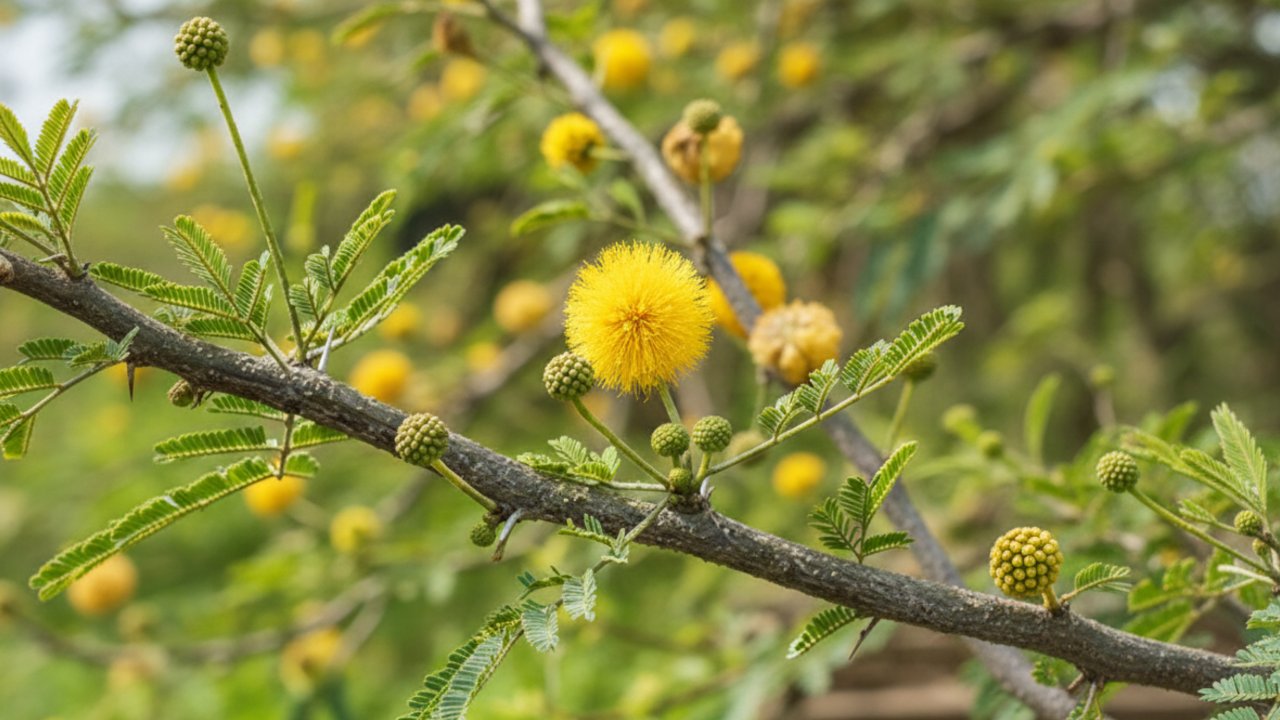 Every part of the Babool tree—from its bark, flowers, and seed pods to its gum—has been traditionally used to treat various ailments. It aids wound healing, digestive health, and respiratory issues, reflecting centuries of folk knowledge and its revered status in classical Ayurvedic texts.
This article explores the Babool tree’s botanical identity, Ayurvedic benefits, uses, pharmacological studies, dosage guidelines, and possible side effects, highlighting its enduring role in modern herbal remedies and its significance in contemporary Ayurvedic medicine.
Botanical Identity and Vernacular Names
Botanical Name: Acacia nilotica (Linn.) Willd. ex Del.
The taxonomy of Babool has seen revisions over time. It is also synonymously known as:
- Acacia arabica (Lam.) Willd.
- Mimosa nilotica Linn.
- Vachellia nilotica (L.) P.J.H. Hurter & Mabb.
- Acacia scorpioides (L.) W. Wight
- Mimosa arabica Lam.
Family: Fabaceae (Leguminosae), the legume or pea family. In Ayurvedic terms, this is referred to as Simbi kula or Babbula upakula.
Vernacular Names:
The tree is known by various names across different Indian languages and internationally:
- English: Babul, Indian Gum Arabic Tree, Black Piquant
- Hindi: Babbul, Kikar
- Sanskrit: Babbula (the most common name in texts)
- Bengali: Baabla, Babul
- Kannada: Jaali Mara, Gobli
- Tamil: Karuvel, Karuvelam
- Telugu: Nalla Tumma, Tellatumma
- Marathi: Babul
- Gujarati: Baval
- Arabic: Sunt, El Sunt
Sanskrit Synonyms and Their Meanings:
Classical Ayurvedic texts often describe a plant through its synonyms, which highlight its key characteristics:
- Yugmakanta: The tree’s thorns are often found in pairs.
- Dridaruha: The stem and branches are exceptionally strong and hardy.
- Sookshma Patra: The leaves are small and delicate in appearance.
- Malaphala: The fruit pods resemble a string of beads or a chain (mala).
- Kantaki: It is a thorny tree.
- Peetapushpa / Sapeetaka: It bears attractive yellow flowers.
- Kashayakaha: Naturally possesses a strong astringent (kashaya) taste.
- Aabha: The tree appears radiant and attractive, especially during its flowering season.
Classical Categorization and Habitat
Ayurvedic scholars have classified Babool in different groups (vargas) based on its properties:
- Kaiyyadeva Nighantu: Oushadhi Varga (group of medicinal plants)
- Shodala Nighantu: Amradi Varga (group that includes trees like mango)
- Bhava Prakasha: Vatadi Varga (group of plants that pacify Vata dosha)
Varieties:
The classical text Raja Nighantu mentions two primary varieties:
- Babbula: The common, standard variety found in dry regions.
- Jala Babbula: A variety that thrives in wetter, marshy areas.
Habitat and Morphology:
Acacia nilotica is a small to medium-sized tree, typically growing 8-10 meters tall, though it can reach up to 17 meters under ideal conditions. It is a quintessential tree of the dry, arid, and semi-arid regions of the Indian subcontinent, Africa, and the Middle East. It is highly drought-resistant and can thrive in poor soil conditions.
Morphological Description:
- Root: A strong, deep taproot system that allows it to access water from deep underground.
- Stem: Woody, solid, cylindrical, and highly branched. The bark is dark brown to blackish, deeply fissured in older trees.
- Spines: The tree is armed with strong, white, paired thorns (stipular spines) that are straight and can grow up to 8 cm long.
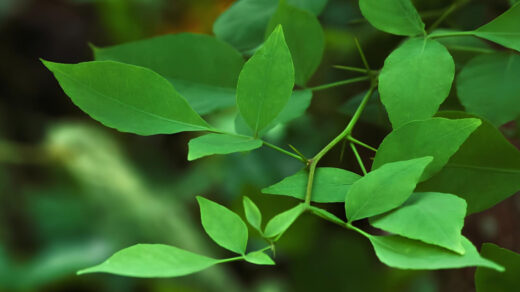
- Leaf: Bipinnately compound, with 3-10 pairs of pinnae, each carrying 10-30 pairs of small, oblong leaflets (Sookshma Patra). The leaves are stipulate and have a unicostate reticulate venation.
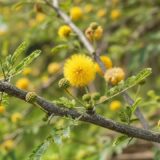
- Inflorescence: Bright yellow, fragrant, globose flower heads, arranged in axillary clusters of 2-6.
- Fruit: A distinctive indehiscent pod (legume), which is linear, constricted between the seeds, giving it a necklace-like appearance (Malaphala). The pods are green and fleshy when young, turning greyish-black and woody when mature.
- Seed: Seeds are small, brown, hard, and non-endospermic.
Ayurvedic Properties (Dravya Guna)
Understanding the properties of any herb is fundamental to its application in Ayurveda.
- Rasa (Taste): Kashaya (Astringent) – This is the predominant taste, responsible for its drying, binding, and healing actions.
- Guna (Qualities): Guru (Heavy to digest), Rooksha (Dry).
- Virya (Potency): Sheeta (Cooling). This cooling energy makes it beneficial for Pitta-related conditions like inflammation and bleeding.
- Vipaka (Post-Digestive Effect): Katu (Pungent). After digestion, it undergoes a pungent taste conversion.
- Karma (Pharmacological Actions): Primarily Kapha Har (reduces Kapha dosha). Due to its astringent and cooling properties, it is also effective in balancing Pitta. Its heavy and dry qualities can sometimes aggravate Vata if used without proper adjuvants.
- Prabhava (Special Efficacy): Its profound wound-healing (Vranaropana) and styptic (Raktastambhana) actions are considered its unique potency.
Parts Used:
- Stem Bark (Twak Churna): The most commonly used part.
- Fruit / Pods (Babbula Phala / Kikar Pods): Used in decoctions and powders.
- Gum (Babbula Niryasa / Acacia Gum): The natural exudate from the bark.
- Seeds (Bija): Less common, but used in specific conditions.
- Leaves (Patra): Used both internally and externally.
- Root (Mula): Used in certain traditional preparations.
Chemical Constituents: The Science Behind the Healing
The therapeutic efficacy of Babool is attributed to its rich and diverse phytochemical profile.
- Bark and Pods: They are exceptionally rich in tannins (12-20%), which account for the strong astringent action. They contain various polyphenolic compounds like gallic acid, protocatechuic acid, pyrocatechol, (+)-catechin, (-) epi-gallocatechin-7-gallate, and (-) epigallocatechin-5,7-digallate. These compounds are responsible for its antioxidant, antimicrobial, and anti-inflammatory properties.
- Gum (Acacia Gum): A complex polysaccharide composed mainly of arabinogalactan, which breaks down into sugars like galactose, arabinose, rhamnose, and glucuronic acid. It is a rich source of minerals, containing about 52% calcium and 20% magnesium, making it highly beneficial for bone health.
- Flowers: Contain flavonoids such as kaempferol-3-glucoside, iso-quercitrin, and leucocyanidin, which contribute to their antioxidant potential.
- Seeds and Leaves: Also contain proteins, fats, and other phenolic compounds with significant biological activity.
Traditional Uses and Therapeutic Applications
The uses of Babool in Ayurveda are vast and varied, addressing both external and internal health concerns.
External Applications:
1. Wound Healing and Skin Diseases (Kushta, Vrana):
The astringent and antimicrobial properties make it excellent for skin care.
-
- Oozing Eczema/Dermatitis: A thick paste made from the bark powder is applied over weeping eczemas to dry the lesions and prevent infection.
- Fresh Wounds and Cuts: The powder of dried leaves or bark is directly sprinkled over fresh wounds to control bleeding (styptic action) and promote clotting.
- Burns: The paste from the leaves is applied over burns and scalds to soothe pain and accelerate healing.
2. Dental and Oral Health (Asya Roga):
- Bleeding Gums and Pyorrhea: A decoction (kashaya) prepared from the bark is used as a mouthwash or for gargling. It strengthens loose gums, reduces inflammation, and stops bleeding.
- Mouth Ulcers (Stomatitis): The same decoction provides a cooling, healing effect on mouth ulcers caused by Pitta aggravation.
- Toothache and Strengthening Gums: Chewing on a fresh twig (datun) of Babool is an ancient practice for cleaning teeth and massaging gums.
3. Musculoskeletal Disorders:
- Arthritis (Amavata, Sandhivata): A paste made from the pod powder mixed with pain-relieving oils like Mahanarayana Taila is applied locally to inflamed joints to reduce pain and swelling.
4. Gynecological and Local Applications:
- Rectal Prolapse (Gudabhramsa): Sitz bath (sitting in a tub) with a warm decoction of the bark helps in reducing swelling and toning the anal muscles.
- Vaginal Discharge (Leukorrhea): The bark decoction is used for vaginal irrigation (Basti) due to its astringent and antimicrobial properties.
- Ear Disorders (Karnaroga): Medicated oil processed with Babool bark can be used in cases of ear discharge.
Internal Applications:
- Diarrhea and Dysentery (Atisara, Raktatisara): The decoction of the bark or pods (40-50 ml, twice daily) is highly effective due to its absorbent and stambhana (binding) qualities. In conditions like ulcerative colitis with bleeding, it helps control both the frequency of stools and the bleeding.
- Intestinal Worms (Krimi): The bark and pods have anthelmintic properties. The decoction helps expel worms from the intestines.
- Hemorrhoids (Piles/Arshas): For bleeding piles, a decoction of pods and bark (45-50 ml) is administered to reduce bleeding and shrink the hemorrhoids.
2. Reproductive System (Shukravaha Srotas):
- Spermatorrhea / Dhat Syndrome (Svapana Dosha): Crushed fresh leaves (2-3 grams) mixed with a teaspoon of sugar, taken once or twice a day, are a traditional remedy for involuntary semen loss and nightfall.
- Menorrhagia (Excessive Menstrual Bleeding): The decoction prepared from the pods is used to regulate and reduce heavy menstrual flow.
- Aphrodisiac: The gum (Niryasa) is considered a mild aphrodisiac and is used in conditions like low sperm count.
- Cough with Sputum (Kapha Kasa): Babool helps pacify Kapha dosha, making it useful in coughs associated with thick mucus.
4. Urinary System (Mutravaha Srotas):
- Dysuria (Painful Urination): The gum is known to be soothing in conditions involving burning micturition.
5. Systemic Conditions:
- Diabetes (Prameha): Some traditional practices use the bark decoction to help manage blood sugar levels.
- General Debility and Bone Health: A specific formulation of bark powder with honey (discussed later) is used to strengthen bones and tissues.
Dosage (Matra)
The correct dosage depends on the part used and the formulation.
- Stem Bark Decoction (Kashaya): 50-100 ml per day, divided into two doses.
- Bark Powder (Churna): 3-5 grams, usually taken with honey or water.
- Seed Powder: 3-6 grams per day.
- Gum (Acacia Gum/Babbula Niryasa): 2-3 grams per day, often dissolved in water or milk.
- Paste for External Application: As required.
Ayurvedic Medicines Containing Babool
Babool is a key ingredient in several classical and proprietary Ayurvedic medicines.
- Dasanakanti Churnam: A famous herbal tooth powder. Babool bark’s astringent property helps strengthen gums and prevent bleeding, while other ingredients clean and whiten teeth.
- Trayodashang Guggulu: A tablet formulation used extensively for musculoskeletal conditions like low back pain, sciatica, arthritis, and spondylitis. Babool’s anti-inflammatory and Vata-pacifying properties contribute to its efficacy.
- Khadiradi Gutika: These tablets are primarily used for cough, cold, and throat irritation. The decoction of Babool bark is used as a binding agent for the powder mix, which includes other herbs like Khadira.
- Pepcer Capsule: A proprietary medicine used for peptic ulcers, gastritis, and acid reflux. Babool’s cooling and Pitta-reducing properties help heal gastric inflammation and ulcers.
- Lavangadi Vati: While not a primary ingredient, Babool gum is sometimes used as an excipient in such tablet formulations.
A Special Formulation: Babbula for Strong Bones
A noteworthy traditional formulation highlights Babool’s role in musculoskeletal health.
Name: Babbula Twak and Madhu Kalpa
Ingredients:
- Abha (Acacia nilotica Stem Bark): 50 grams, made into a fine powder.
- Madhu (Honey): 100 grams.
Method of Preparation: The stem bark powder is immersed in honey and kept for 3-5 days. It is stirred daily with a clean spatula to ensure proper mixing and infusion.
Dose: 5-6 grams (approx. one teaspoon), twice daily after food.
Vehicle: Honey is already incorporated, so no separate vehicle is needed. If the patient experiences excessive dryness or lightness, it can be taken with a small amount of ghee or jaggery.
Action and Indications:
- Action: Strengthens bone tissue (Asthi Dhatu), promotes the healing of fractures and ligament tears, and acts as a rejuvenative.
- Indications: Osteoporosis, subluxation of joints, minor fractures, ligament tears, menopausal bone weakness, and general calcium deficiency presenting as aching pain in the extremities or neuralgia.
This formulation is highly effective and can be confidently used for bone-related weaknesses. Its effects are enhanced when combined with other classical medicines like Abha Guggulu, Lakshadi Guggulu (famous for fracture healing), or Gandha Taila for external application.
Pharmacological Research and Evidence
Modern science has begun to validate many of Babool’s traditional claims through in-vitro and in-vivo studies.
- Antimicrobial Activity: Numerous studies have confirmed the broad-spectrum antimicrobial activity of Babool extracts against bacteria like Staphylococcus aureus, Bacillus subtilis, E. coli, and Campylobacter coli, and fungi like Candida albicans.
- Antioxidant Activity: The high concentration of polyphenols and flavonoids gives Babool significant free-radical scavenging ability, which helps combat oxidative stress linked to chronic diseases.
- Anti-cancer and Antimutagenic Potential: Studies have shown that extracts of Acacia nilotica exhibit cytotoxic effects on certain cancer cell lines and can prevent mutation, suggesting a potential role as a natural anticancer agent.
- Anti-diabetic Activity: Research on animal models indicates that Babool bark extracts can help lower blood glucose levels.
- Anti-inflammatory and Analgesic Effects: Extracts have demonstrated significant reduction in inflammation and pain in standard experimental models, supporting its use in conditions like arthritis.
- Anti-malarial and Anti-helminthic Activity: Studies have reported efficacy against Plasmodium falciparum (malaria parasite) and anthelmintic activity against worms like Haemonchus contortus.
- Hepatoprotective and Nephroprotective Effects: Some research suggests a protective effect on the liver and kidneys against toxin-induced damage.
Research References on Acacia nilotica (Babool Tree)
| Category | Herb / Ingredient | Traditional Ayurvedic Use | Research / Evidence | Source URL |
|---|---|---|---|---|
| Herbal / Ayurvedic | Babool (Acacia nilotica) – Bark | Used for diarrhea (Atisara), bleeding disorders, wound healing | Review reports antidiarrheal, antibacterial and anti-inflammatory effects supporting astringent (Kashaya) action | Link |
| Clinical / Antimicrobial | Babool (Bark & Leaves) | Dental care (Dantadhavana), mouth ulcers, wound cleansing | In-vitro study demonstrated strong antibacterial activity against Gram-positive and Gram-negative bacteria | Link |
| Herbal / Immunomodulatory | Babool (Leaves) | Supports immunity, infections, inflammatory conditions | Hot aqueous leaf extract showed antibacterial, antifungal and immunomodulatory activity | Link |
| Experimental / Hepatoprotective | Babool (Pods) | Detoxification, liver support, metabolic balance | Animal study showed hepatoprotective, antioxidant and antimicrobial effects | Link |
| Classical Ayurvedic | Babool (Bark, Gum, Twigs) | Bleeding gums, diarrhea, wounds, oral hygiene | Classical texts describe Babool as Kashaya rasa with Kapha-Pitta pacifying action | Link |
Babool (Acacia nilotica) is widely used in Ayurveda for its astringent, antimicrobial, and wound-healing properties, supported by modern pharmacological research.
Side Effects, Precautions, and Interactions
Side Effects: Babool is generally considered safe when used in recommended doses. However, its properties dictate certain precautions.
- Constipation (Vibandha): Due to its strong astringent and drying (Rooksha) qualities, it is best to avoid Babool, especially the bark and pods, if you are prone to constipation or have a Vata-predominant constitution.
- Vata Aggravation: Excessive use without proper balancing adjuvants (like ghee or oils) can aggravate Vata dosha, leading to dryness, gas, and bloating.
Interactions:
- With Homeopathic Medicine: It is generally considered safe to use alongside homeopathic remedies.
- With Supplements (Multivitamins, Omega-3): There is no known adverse interaction. However, as a general rule, if taking multiple supplements and herbs, it is advisable to consult a physician.
- With Western (Allopathic) Medicines: While no major interactions are well-documented, caution is advised. If you are taking any allopathic medication, especially for diabetes (as it may lower blood sugar) or for heart conditions, it is crucial to seek your doctor’s advice before starting Babool.
- General Rule for Concurrent Use: If both Ayurvedic and allopathic medicines are prescribed, a common practice is to take the allopathic medicine first, wait for about 30 minutes, and then take the Ayurvedic preparation.
Substitute:
In the absence of Babool, the herb Anogeissus latifolia (Dhavasa) is often used as a substitute due to its similar astringent properties.
Systemic Action from an Ayurvedic Perspective (Srotas)
- Rasavaha Srotas (Nutrient Channel): Its Kashaya Rasa helps in absorbing excess fluids and toxins (Ama) from the digestive tract.
- Raktavaha Srotas (Blood Channel): Its primary action is as a Raktastambhaka (styptic), purifying the blood and controlling bleeding disorders.
- Mamsavaha & Asthivaha Srotas (Muscle & Bone Channels): It promotes healing and strength in muscles and bones, as seen in the bone-strengthening formulation.
- Shukravaha Srotas (Reproductive Channel): It helps in regulating semen production and controlling involuntary discharge.
- Mutravaha Srotas (Urinary Channel): The gum is soothing for the urinary tract.
- Purishavaha Srotas (Excretory Channel): The bark and pods normalize bowel movements, checking diarrhea but potentially causing constipation.
The Babool tree, or Acacia nilotica, is a true pharmacopeia in itself—a gift of nature that has served humanity for millennia. Its journey from a thorny inhabitant of dry lands to a revered entity in Ayurvedic texts underscores a deep understanding of the synergy between nature and health.