Ayurvedic Essential Oils? It’s List & Beneficial Uses

In a world where synthetic solutions are everywhere and life feels more disconnected than ever, many of us are turning back to nature in search of balance and well-being. There’s a growing desire to care for not just our bodies, but also our minds and spirits — and that’s where essential oils come in.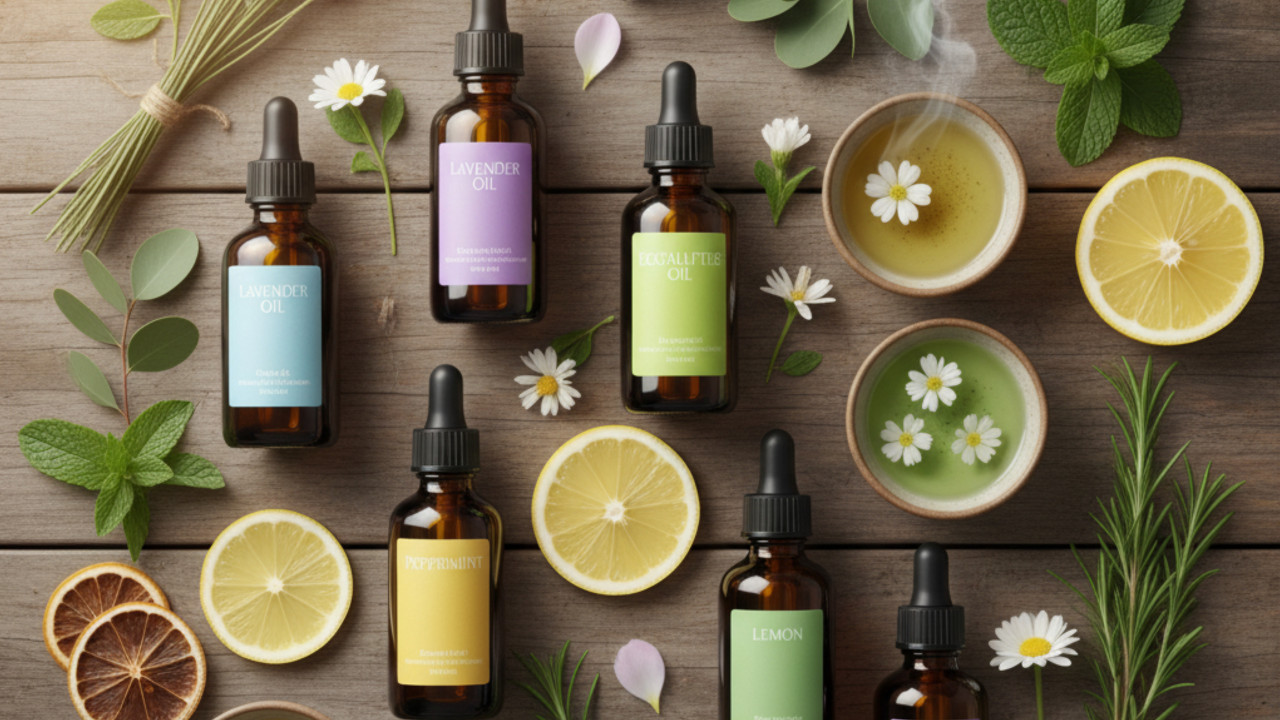 These powerful plant extracts have been used for centuries, not just for their beautiful scents, but for their therapeutic benefits. They’re much more than just fragrance; essential oils are concentrated compounds that carry the essence of the plants they come from.
In this article, we’ll explore what essential oils really are, how they’re made, how they work, and the many ways they can support your health and everyday life.
What Are Essential Oils?
Essential oils are concentrated aromatic compounds found in plants. Stored in glands or cavities, they’re extracted from leaves, flowers, bark, roots, seeds, fruits, or resins of aromatic plants.
Despite being called “oils,” essential oils are not greasy. Unlike vegetable oils, they are made of volatile compounds that easily evaporate, releasing aroma and acting as a plant’s natural defense system.
These aromatic compounds serve many plant functions. They attract pollinators, deter pests, and prevent disease. In many traditions, essential oils are seen as the plant’s soul or life force.
Each essential oil contains a complex mix of chemicals—like terpenes, esters, and ketones. These work together, enhancing effects through synergy, a concept often used in aromatherapy for healing.
Beyond therapy, essential oils shape perfumes and personal care products. When blended with alcohol or wax, their rich scents help express identity and evoke deep emotional and sensory memories.
The Process of Making Essential Oils
The process of obtaining essential oils is a delicate balance of art and science, as the delicate aromatic compounds can be easily altered or destroyed by heat and pressure. The method chosen depends on the plant material and the desired end product.
1. Cold Pressing (Expression)
This extraction method is almost exclusively used for citrus fruits like orange, lemon, grapefruit, and bergamot. Historically, the rinds were hand-pressed against sponges to release their aromatic essential oils.
Today, mechanical cold presses are used to crush the rinds without heat. This produces an emulsion of juice and oil, which is then centrifuged to separate the pure essential oil.
Cold pressing preserves the bright, fresh aroma of citrus oils. These delicate top notes are easily damaged by heat, making this method ideal for maintaining their full fragrance and therapeutic properties.
2. Steam Distillation: The Gold Standard
Steam distillation, attributed to the 10th-century Persian polymath Avicenna, is still the most widely used and respected method for extracting essential oils from plant materials through heat and steam.
In this process, pressurized steam passes through plant material inside a still, rupturing the oil glands and releasing essential oils in vapor form. The vapor then travels through a cooling coil to condense.
The condensed liquid—water and essential oil—is collected in a Florentine flask. The oil separates due to its hydrophobic nature. The leftover aromatic water, known as hydrosol, is also valued for skincare use.
3. Maceration
This ancient infusion method involves soaking plant material in a carrier oil or purified fat, gently warmed by sunlight or another mild heat source. The warmth helps release the plant’s aromatic essence.
As the heat causes oil glands in the plant to expand and rupture, the base oil gradually absorbs the fragrance. The plant material is replaced multiple times until the oil is fully saturated.
If fat is used, it’s later dissolved in alcohol to extract the essential oil. When vegetable oil is used, the infused oil can be applied directly to skin for massage or skincare.
4. Enfleurage: A Lost Art
Enfleurage is an old, labor-intensive method primarily used for delicate flowers like jasmine and tuberose, whose fragrances are damaged by heat. Due to cost and effort, it’s mostly obsolete today.
In cold enfleurage, glass plates are coated with purified, odorless fat such as lard or palm oil. Fresh flowers are pressed into the fat, which absorbs their aromatic compounds over 24 to 72 hours.
The flowers are replaced daily for weeks until the fat becomes saturated, forming a fragrant pomade. This pomade is then washed with alcohol, which extracts the absolute. The alcohol evaporates, leaving pure fragrance behind.
5. Solvent Extraction
This modern extraction method is used for delicate plant materials like rose, jasmine, and mimosa. Solvents such as hexane or ethanol dissolve aromatic compounds, pigments, and waxes, forming a fragrant substance called concrete.
The concrete is then mixed with alcohol and chilled. This causes waxes to solidify and separate. The alcohol is removed through distillation, leaving behind a concentrated aromatic extract known as an absolute.
Although absolutes offer a true-to-nature scent and are highly efficient, they aren’t considered true essential oils. Trace solvent residues make them unsuitable for ingestion or for people with chemical sensitivities.
The Methods of Extraction of Essential Oils
Every part of an aromatic plant holds a unique energetic and therapeutic signature, offering a diverse pharmacopoeia from nature.
1. The Flowers: Considered the most refined and spiritual part of the plant, flower-derived oils like jasmine, rose, and chamomile are often associated with love, beauty, and the elevation of the spirit. They are deeply connected to the heart chakra, helping to balance emotions, soothe grief, and foster compassion. They contain what some traditions call the “astral body” of the plant.
2. The Leaves: As the primary organs for respiration and photosynthesis, leaf oils are often invigorating and purifying. Eucalyptus, peppermint, and tea tree are quintessential examples, known for their ability to clear the respiratory system, sharpen the mind, and tonify the body’s vital energy.
3. The Seeds: Seeds contain the blueprint for new life and are packed with potential energy. Oils from seeds, such as fennel, cardamom, and coriander, are typically warming and supportive of the digestive system. They help to ground energy, ease bloating, and stimulate metabolism.
4. The Fruits: The zest of citrus fruits—orange, lemon, grapefruit—provides oils that are inherently cheerful, uplifting, and cleansing. Their bright, sunny aromas are excellent for combating lethargy, balancing emotions, and providing a mental “refresh.” They are considered nourishing for the subtle body.
5. The Wood, Bark, and Resin: These parts of the plant provide structural support and protection, and their oils reflect this grounding, strengthening quality. Sandalwood, cedarwood, and cypress are deeply centering, promoting meditation, inner stability, and a connection to the earth. Resins like frankincense and myrrh are renowned for their healing, sacred properties, often used in spiritual rituals to expand consciousness and connect to the divine.
6. The Roots: Anchoring the plant deep in the earth, root oils are the ultimate grounding agents. Vetiver and ginger are heavy, earthy, and stabilizing, excellent for pulling scattered energy back into the body, calming anxiety, and stimulating the root chakra and foundational vital functions.
7. The Resin: As mentioned, resins are the plant’s healing balm, oozing out to seal wounds. Their oils possess powerful controlling, antiseptic, and regenerative properties, favoring the glandular system and skin health.
How Essential Oils Work on Body and Mind
The power of essential oils lies in their ability to interact with our human physiology on multiple levels, creating a true alchemy of transformation. Their effects can be broadly divided into physiological and psychological.
1. Physiological Effects: When applied topically (properly diluted) or inhaled, the microscopic molecules of essential oils enter the bloodstream and interact with our systems. Their primary therapeutic action is to stimulate and strengthen the immune system. They exhibit remarkable antiseptic, antibacterial, and antiviral properties, making them powerful allies in combating infections. Due to their small molecular size and lipid-soluble nature, they can penetrate cell membranes easily, influencing organ function and cellular processes. They act on the:
- Lymphatic and Circulatory Systems: Oils like grapefruit and cypress can stimulate lymph flow and improve circulation.
- Digestive System: Oils like ginger and peppermint can soothe indigestion and relieve nausea.
- Nervous System: Oils like lavender (calming) and rosemary (stimulating) have a direct effect on the brain and nerves.
- Musculoskeletal System: With their analgesic and anti-inflammatory properties, oils like wintergreen and chamomile are used to alleviate pain from conditions like rheumatism, arthritis, and muscle strain.
Psychological Effects: The most immediate effect of essential oils is on the brain via the olfactory system. When we inhale an aroma, odor molecules travel up the nose and bind to receptors in the olfactory epithelium. These receptors send electrical signals directly to the limbic system—the brain’s ancient epicenter of emotion, memory, and behavior. This is why a scent can instantly trigger a powerful memory or shift our mood. This direct pathway allows essential oils to:
- Calm the nervous system (Lavender, Chamomile)
- Alleviate anxiety (Bergamot, Frankincense)
- Combat mental fatigue and improve focus (Rosemary, Peppermint)
- Uplift the spirit (Orange, Ylang Ylang)
- Ease grief and emotional trauma (Rose, Neroli)
List of Top 13 Key Essential Oils and Their Uses
This expanded profile provides a deeper understanding of the properties, uses, and important safety considerations for each oil.
1. Rosemary (Rosmarinus Officinalis)
Ayurvedic Effect: Relieves Kapha and Vata doshas with its stimulating and warming qualities.
Obtained From: Flowering tops and leaves.
Properties & Uses: A true cognitive stimulant, rosemary enhances memory, concentration, and mental clarity. Its analgesic and anti-rheumatic properties make it excellent for relieving muscle and joint pain. As a circulatory stimulant, it can support low blood pressure and combat fatigue. Its camphoraceous scent is also a powerful decongestant.
Mental/Emotional: Fights mental stagnation, indecision, and burnout. It is the oil of knowledge and remembrance.
Safety & Observations: Contraindicated for individuals with hypertension, epilepsy, or in pregnancy. Can be skin-sensitive.
2. Bergamot (Citrus Bergamia)
- Ayurvedic Effect: Its refreshing and citrusy nature helps to balance and relieve Vata’s airy, anxious qualities.
- Obtained From: Cold-pressed from the rind of the bergamot fruit.
- Properties & Uses: A remarkable oil for the digestive system, easing spasms and indigestion. Its antiseptic properties are valuable for urinary tract infections and skin conditions like acne and eczema. It is a key component in traditional Eau de Cologne for its refreshing scent.
- Mental/Emotional: A natural antidepressant and anxiolytic, bergamot instills confidence, joy, and revitalization by calming the nervous system without being sedating.
- Safety & Observations: Bergaptene, a component in the oil, is phototoxic. Always use bergaptene-free (FCF) versions for skin applications before sun exposure.
3. Roman Chamomile (Chamaemelum Nobile)
- Ayurvedic Effect: Its profoundly cooling and soothing nature is a specific balm for fiery, excess Pitta.
- Obtained From: The flower heads.
- Properties & Uses: A premier oil for calming the nervous system, it is ideal for insomnia, irritability, and stress. Its antispasmodic action relieves menstrual cramps, stomach aches, and neuralgia. On the skin, it is gentle enough for children and effective for treating inflammation, burns, and rashes.
- Mental/Emotional: For those who are over-excitable, hyper-critical, and have difficulty with boundaries. It soothes the “solar plexus” of the emotions.
- Safety & Observations: One of the safest and mildest essential oils, often recommended for use with children (in very low dilution).
4. Cinnamon (Cinnamomum Zeylanicum)
- Ayurvedic Effect: Its intense heating quality pacifies cold, stagnant Kapha and airy Vata.
- Obtained From: Bark or leaf. Cinnamon bark oil is significantly stronger and more potent.
- Properties & Uses: A powerful antimicrobial, it is used in natural cleaning products and to combat severe infections. Its warming nature stimulates circulation and can act as an aphrodisiac.
- Mental/Emotional: In folk traditions, it is believed to attract prosperity and abundance. Its warm, spicy scent is intensely purifying for stagnant environments.
- Safety & Observations: A high-risk oil. It is a potent dermal irritant and sensitizer. Never use undiluted on the skin. Use in very low dilutions (0.1%) with extreme caution. Contraindicated in pregnancy and for children.
5. Eucalyptus (Eucalyptus Globulus / Radiata)
- Ayurvedic Effect: Its drying, clearing, and expectorant qualities are ideal for balancing moist, congested Kapha.
- Obtained From: Leaves.
- Properties & Uses: The quintessential respiratory oil. Its main component, 1,8-cineole, is a powerful decongestant, making it indispensable for colds, flu, sinusitis, and bronchitis. Its analgesic and anti-inflammatory properties also provide relief for sore muscles and rheumatic pain.
- Mental/Emotional: Clears mental fog, enhances concentration, and brings emotional clarity by cutting through confusion.
- Safety & Observations: Eucalyptus Globulus should be used with caution around children under 10. Eucalyptus Radiata is a gentler alternative.
6. Rose Geranium (Pelargonium Graveolens)
- Ayurvedic Effect: Balances both Vata and Pitta with its harmonizing and moderately cooling nature.
- Obtained From: Leaves and stems.
- Properties & Uses: A magnificent hormonal balancer, particularly for women, helping to ease symptoms of PMS and menopause. It is a diuretic, supports kidney and liver function, and is a superb skin oil for its astringent, healing, and sebum-balancing properties.
- Mental/Emotional: A gentle antidepressant that calms chronic fears, anxiety, and emotional instability. It helps to release stored emotional trauma and restore emotional equilibrium.
7. Lemon (Citrus Limon)
- Ayurvedic Effect: Its light, cleansing, and uplifting character soothes restless Vata.
- Obtained From: Cold-pressed from the lemon peel.
- Properties & Uses: A potent antiseptic and detoxifier, it supports the immune and lymphatic systems. It is stimulating to white blood cells and is used in household cleaning for its degreasing and purifying properties. Its astringent quality makes it useful for oily skin and hair.
- Mental/Emotional: Clears mental lethargy and purifies a “cluttered” mind. It promotes objectivity and clarity of thought.
- Safety & Observations: Phototoxic. Avoid sun exposure on applied areas for 12-18 hours. Use distilled lemon oil for topical applications.
8. Orange (Citrus Sinensis)
- Ayurvedic Effect: A premier Vata-pacifying oil, its sweet, cheerful energy grounds anxiety and soothes the nerves.
- Obtained From: Cold-pressed from the orange peel.
- Properties & Uses: A gentle digestive aid, easing spasms and gas. Its sedative properties make it excellent for promoting restful sleep. It is a mild antiseptic and a delightful addition to skin care for its brightening effect.
- Mental/Emotional: A powerful antidote to all forms of anxiety, tension, and panic. Its innocent, joyful scent is like “sunshine in a bottle,” dispelling fear and nightmares, especially in children.
9. Patchouli (Pogostemon Cablin)
- Ayurvedic Effect: Its grounding, earthy, and slightly drying nature helps balance excess Pitta and Kapha.
- Obtained From: Dried, fermented leaves.
- Properties & Uses: A renowned skin regenerator, it is excellent for mature, cracked, or scarred skin, as well as for treating acne and eczema due to its anti-inflammatory and antifungal properties.
- Mental/Emotional: Grounds scattered energy, making it excellent for meditation. It alleviates anxiety and is often associated with sensuality and connection to the earth.
10. Clary Sage (Salvia Sclarea)
- Ayurvedic Effect: Its calming, euphoric nature helps to relieve tense Kapha.
- Obtained From: Flowering tops and buds.
- Properties & Uses: A powerful emmenagogue, it helps regulate menstrual cycles and eases painful cramps. It is renowned for its ability to lower blood pressure and is a valuable oil for women during menopause. It is also an effective aphrodisiac and a tonic for the scalp and hair.
- Mental/Emotional: Induces a state of euphoric calm and is excellent for premenstrual tension, depression, fear, and spiritual exhaustion.
- Safety & Observations: Avoid during pregnancy, as it can stimulate uterine contractions. Can enhance the effects of alcohol.
11. Thyme (Thymus Vulgaris, CT Linalool)
- Ayurvedic Effect: Common Thyme (high in phenols) pacifies Kapha; the gentler Thyme Linalool chemotype can soothe Vata.
- Obtained From: Flowering tops.
- Properties & Uses: One of the most potent antiseptic and antibiotic essential oils, it is a powerful weapon against severe respiratory and systemic infections. It also acts as a strong stimulant for the immune system.
- Mental/Emotional: Combats mental fatigue, depression, and weakness of the spirit, providing courage and strength.
- Safety & Observations: Thyme CT Thymol/Carvacrol is a high-risk oil, a dermal and mucous membrane irritant. Always use in low dilutions and for short durations. The Thyme CT Linalool variety is a much safer, gentler alternative for home use.
12. Vetiver (Vetiveria Zizanioides)
- Ayurvedic Effect: Its profoundly cooling, heavy, and earthy nature is a specific balm for Pitta imbalances.
- Obtained From: The roots.
- Properties & Uses: A superb oil for the musculoskeletal system, it lubricates joints, eases arthritis and muscle pain, and increases circulation. It is a deeply moisturizing oil for dry, aged, or cracked skin and boosts overall immunity.
- Mental/Emotional: The ultimate grounding oil. It is used for shock, panic, hysteria, and ADHD, as it pulls energy down from the head and firmly anchors it in the body. Its woody, smoky aroma is deeply calming and inspiring.
13. Ylang Ylang (Cananga Odorata)
- Ayurvedic Effect: Its sweet, floral, and moderately cooling nature soothes both Vata and Pitta.
- Obtained From: The flowers. “Ylang Ylang Extra” is the highest grade from the first distillation.
- Properties & Uses: A noted hypotensive, it effectively lowers blood pressure and rapid heartbeat. It is a world-renowned aphrodisiac and is beneficial for treating skin issues like seborrhea and palpitations.
- Mental/Emotional: Calms frantic heart energy, relieving anger, frustration, and jealousy. It stimulates relaxation, sensuality, and feelings of self-love and joy. In high doses, its heavy scent can be overpowering and cause headaches.
Notable Clinical Trials / Human Studies/Ayurvedic Essential Oils
| Study | Intervention | Findings | Relevance | Reference |
|---|---|---|---|---|
| Sandalwood Oil for Oxidative Skin Stress (2022) | Topical use (0.1%–10%) | Reduced blue-light & pollution damage on skin | Useful for skin-care & anti-aging content | MDPI Study |
| Sandalwood Oil & Mood (Transdermal) | α-Santalol via skin, no inhalation | Showed calming and sedative-like effects | Great for stress relief & meditation angle | PubMed |
| Vetiver Aroma & Anxiety (Ongoing) | Aromatherapy exposure | Study in progress; focus on mood balance | Good to watch for future results | Clinical Trial |
| Sandalwood Oil for Warts (Completed) | 10–30% ointment | Reduction in wart size over 12 weeks | Use in natural dermatology or skin healing posts | Clinical Trial |
| Turmeric Oil for Anti-inflammatory Effects (2019) | Oral supplementation with turmeric essential oil | Significant reduction in inflammation markers | Supports turmeric’s traditional anti-inflammatory use | PubMed |
| Lavender Oil for Sleep Quality (2017) | Aromatherapy with lavender essential oil | Enhanced sleep duration and quality | Supports use in sleep and relaxation content | PubMed |
How to Use Essential Oils Safely and Effectively
Safety is paramount when using such potent substances. Essential oils should almost never be applied undiluted (“neat”) to the skin. Always conduct a patch test before widespread use. Here are the primary methods of application:
1. Aromatherapy Massage: This is one of the most effective methods, combining the therapeutic touch of massage with the absorption of oils through the skin and their inhalation. Essential oils are diluted in a carrier oil (such as jojoba, sweet almond, or coconut oil) at a typical concentration of 1-3% (approximately 1-3 drops per teaspoon of carrier oil).
2. Diffusion / Inhalation: Using an ultrasonic diffuser or a simple steam inhalation, this method purifies the air and directly impacts the limbic system. It is excellent for mood enhancement, respiratory support, and creating an atmospheric ambiance.
3. Immersion Baths: Adding 5-10 drops of essential oil, first dispersed in a tablespoon of carrier oil, full-fat milk, or unscented bath gel, to a warm bath creates a deeply relaxing and therapeutic experience. (Note: Never add undiluted oils directly to bathwater, as they can irritate the skin.)
4. Compresses and Foot Baths: For localized relief, add a few drops of oil to a bowl of warm or cold water, soak a cloth, wring it out, and apply it to the affected area (e.g., a lavender compress for a headache). A foot bath with purifying oils like tea tree can be wonderfully refreshing.
5. Vaginal Bath (Douche): This is a highly specialized application and should only be undertaken with the guidance of a qualified aromatherapist or healthcare provider, using gentle, non-irritating oils at very low dilutions.
FAQ’s
Q: Which Ayurvedic essential oils are best for balancing Vata, Pitta, or Kapha doshas?
A: For Vata, grounding oils like sandalwood, vetiver, and lavender are ideal. Pitta benefits from cooling oils like rose, mint, and sandalwood. Kapha is balanced with warming, stimulating oils like eucalyptus, clove, and camphor.
Q: How do I safely use Ayurvedic essential oils at home?
A: Always dilute essential oils in a carrier oil (like sesame or coconut) before applying to skin. Use 2-3 drops per 10ml of base oil. Avoid direct contact with eyes, and patch test first.
Q: What are the benefits of Ayurvedic oils like sandalwood, neem, tulsi, or vetiver?
A:
- Sandalwood: Calms the mind, reduces inflammation.
- Neem: Antibacterial, supports skin health.
- Tulsi: Immune-boosting, uplifting.
- Vetiver: Grounding, good for sleep and stress relief.
Q: How can I choose high-quality Ayurvedic essential oils?
A: Look for 100% pure, steam-distilled oils, preferably organic and certified. Check for GC/MS testing reports, country of origin, and no added chemicals or synthetic fragrance.
Q: Can Ayurvedic essential oils help with acne, eczema, or skin problems?
A: Yes. Neem and tea tree oil are great for acne. Chamomile and lavender soothe eczema. Always dilute, and consult a practitioner for chronic skin issues.
Q: Are Ayurvedic essential oils safe during pregnancy or for children?
A: Many oils should be avoided in pregnancy—like clove, cinnamon, and basil. Safe options include lavender and sandalwood. For kids, always use very mild dilutions and consult an Ayurvedic expert first.
Q: What is the cost of genuine Ayurvedic essential oils and where to buy them?
A: Prices vary by oil type and purity—typically ₹200–₹1000 for 10ml in India. Trusted Ayurvedic brands include Kama Ayurveda, Forest Essentials, and Soultree. Buy from certified organic stores or direct websites.
Q: How can I blend Ayurvedic essential oils for massage or daily rituals?
A: Mix 3–5 drops of essential oil in 10ml of carrier oil (like sesame). Use this for abhyanga (self-massage), foot rubs, or diffusion in the morning routine to balance doshas.
Q: Are there any side effects or precautions for Ayurvedic essential oils?
A: Yes. Some oils may cause skin irritation, allergies, or photosensitivity. Never ingest without supervision. Always dilute, avoid during certain health conditions, and consult a professional if unsure.
Q: How do Ayurvedic essential oils differ from Western aromatherapy oils?
A: Ayurvedic oils are chosen based on dosha balance and energetics, not just scent. They are often blended with herbal infusions and used in holistic routines, unlike Western oils focused on symptom relief or fragrance alone.
Essential oils offer a natural, powerful way to enhance well-being, combining ancient wisdom with modern techniques. Understanding their extraction methods helps appreciate their purity and benefits, empowering you to choose the right oils for health, relaxation, and everyday use.