
How Does Ayurveda Help Heal Common Skin Ailments?

In today’s world, we’ve been taught to battle our skin. A breakout appears—we reach for the strongest acid. Redness flares—we calm it down with steroids. A wrinkle shows up—we fight it with every anti-aging serum we can find. While these solutions might offer short-term relief, they often overlook the most important question: Why is this happening in the first place?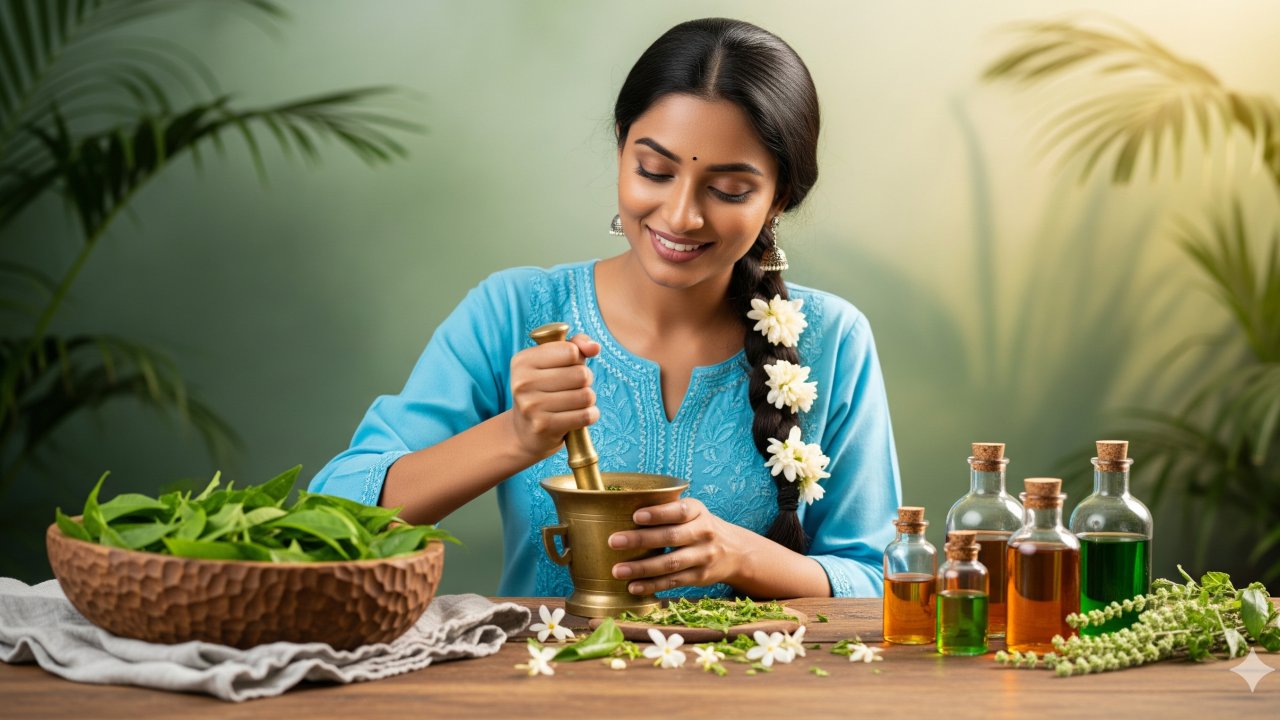 Ayurveda, the ancient healing system from India, invites us to see things differently. It doesn’t treat the skin as a separate, surface-level issue. Instead, it sees the skin as a mirror—one that reflects the inner workings of our body, mind, and spirit.
Breakouts, rashes, and dryness aren’t just random annoyances. They’re messages. Signs that something deeper is out of balance. This guide explores what those messages mean through the lens of Ayurveda. Rather than just treating symptoms, we’ll explore how to uncover and heal the root causes.
By understanding your unique mind-body constitution, adjusting your diet and daily habits, and turning to time-tested herbs and practices, you can support your skin from the inside out.
Understanding Doshas and Your Skin Type
At the heart of Ayurvedic philosophy lies the concept of the three doshas: Vata (Air & Ether), Pitta (Fire & Water), and Kapha (Earth & Water).
These are not physical substances but biological energies that govern all physical and mental processes. Every individual possesses a unique combination of these three doshas at birth, known as their Prakriti (constitution).
Health, according to Ayurveda, is the state of living in accordance with one’s Prakriti, while disease (Vikriti) arises from imbalances in these fundamental energies.
Our skin, being the most outward-facing tissue, is a clear indicator of our doshic state.
1. Vata Skin (Governed by Air & Ether)
When in balance, Vata skin is thin, delicate, and quick to express emotion. When aggravated, it becomes excessively dry, rough, and flaky. It may be cool to the touch and prone to cracking, especially in cold weather.
Imbalances manifest as conditions like eczema (with severe dryness and scaling), premature wrinkling, and a feeling of tightness. The mobile quality of Vata can also lead to unpredictable skin issues that change location and nature frequently.
2. Pitta Skin (Governed by Fire & Water)
Balanced Pitta skin is glowing, warm, soft, and has a rosy, luminous quality. It is the classic “peaches and cream” complexion. However, when the internal fire of Pitta becomes excessive, the skin becomes the primary outlet for this heat.
It manifests as sensitivity, inflammation, redness, and a tendency to sunburn easily. Common Pitta skin disorders include acne (particularly red, inflamed, painful papules and pustules), rosacea, allergic rashes, hives, and excessive sweating. The sharp quality of Pitta can also lead to broken capillaries.
3. Kapha Skin (Governed by Earth & Water)
In balance, Kapha skin is the most blessed from a conventional standpoint—thick, well-hydrated, soft, and supple with large pores. It ages gracefully. When Kapha is imbalanced, the earthy, watery qualities become excessive.
The skin becomes overly oily, congested, and sluggish. Conditions include blackheads, whiteheads, large-pored acne, cystic acne, and fluid retention (edema). The skin may feel cool and clammy.
The first step toward healing is observation. Take a moment to assess your skin beyond its surface flaws. Is it primarily dry, sensitive, or oily? Is your condition inflamed or stagnant? This self-knowledge is the compass that will guide your entire healing journey.
Common Skin Ailments Through the Ayurvedic Lens
Ayurveda does not treat “acne” or “eczema” as uniform diseases. Instead, it diagnoses the doshic imbalance at play. Here’s how it views some common conditions:
1. Acne & Blemishes (Yauvan Pidika)
Ayurveda links acne directly to impurities in the blood (Rakta dhatu) and aggravated Pitta dosha. Think of Pitta as internal heat.
This heat can be stoked by spicy, oily, fried foods, excessive stress, anger, frustration, and hormonal fluctuations. This heat rises, seeking an exit through the skin, causing inflammation, redness, and infection.
When combined with a Kapha imbalance, the oiliness and stickiness create the perfect environment for clogged pores and bacterial growth.
The root cause is rarely the pore itself but a digestive fire (Agni) that is either too high (scorching nutrients and creating toxins) or too low (leaving undigested food matter to fester).
2. Eczema & Dermatitis (Vicharchika)
This condition is typically a classic Vata-Pitta imbalance. The dry, rough, moving quality of Vata creates the characteristic dryness, scaling, and cracking.
The hot, sharp quality of Pitta adds inflammation, redness, and intense itching. The root cause is often linked to poor digestion, which leads to the accumulation of Ama (toxins).
These toxins, combined with the dry quality of Vata, get lodged in the deep tissues and are pushed to the surface as eczema. Food allergens (often dairy, gluten, or sugar) are common triggers that overwhelm a weakened digestive system.
3. Psoriasis (Ek Kushtha)
Ayurveda considers psoriasis a more complex condition involving Vata and Kapha. The rapid cell growth is a Vata disorder, erratic and uncontrolled.
The silvery scaling is a Kapha manifestation—thick and accumulative. It is seen as a severe manifestation of Ama, where toxins mix with the affected tissues (dhatus) and cause significant disruption.
Stress (a Vata-aggravator) is a major trigger, as it further disrupts the natural rhythm of the body and mind.
4. Rosacea & Facial Redness
This is almost exclusively a Pitta disorder. It is a direct sign of excess heat in the body, specifically in the blood and the skin.
Anything that increases internal heat—hot drinks, spicy food, alcohol, caffeine, sun exposure, intense emotional stress—can trigger or worsen rosacea.
The redness and visible blood vessels are a clear display of Pitta’s sharp and penetrating qualities affecting the delicate capillaries of the face.
5. Dry & Aging Skin
While natural aging has a Vata component, prematurely dry and wrinkled skin is a sign of aggravated Vata dosha. Vata’s dry, light, and mobile qualities deplete the skin’s natural moisture and oils.
This can be exacerbated by a Vata-aggravating lifestyle: irregular routine, excessive travel, cold and dry weather, lack of sleep, and a diet of dry, cold, or raw foods.
6. Fungal Infections (Dadru / Kustha varieties)
Fungal infections are often linked to Kapha-Pitta imbalances in Ayurveda. The moist, sticky nature of Kapha creates the ideal environment for fungal overgrowth, while Pitta adds inflammation and itching.
Improper hygiene, excessive consumption of sweet and fermented foods, and damp environments aggravate this condition. The presence of Ama (toxins) in the skin tissue and blood can create an environment where fungal organisms thrive.
7. Vitiligo (Shwitra / Kilasa)
Vitiligo is a chronic condition where patches of skin lose pigment. Ayurveda sees it as a Tridoshic disorder, though Pitta plays the dominant role due to its link with pigmentation and skin metabolism.
When Pitta is disturbed and combines with faulty immune responses and toxins, it affects Bhrajaka Pitta (the skin’s subtype of Pitta), leading to depigmentation.
Emotional stress, incompatible food combinations (like milk with sour fruits), and suppressed natural urges are often cited as aggravating factors.
8. Hives / Urticaria (Sheetapitta)
This sudden allergic reaction, marked by red, itchy welts on the skin, is seen as a Pitta-Vata imbalance, where the sharp, hot nature of Pitta and the erratic movement of Vata combine to create skin hypersensitivity.
Common triggers include incompatible foods, sudden temperature changes, emotional stress, and weak digestion. It’s considered a form of autoimmune response influenced by accumulated Ama and deranged doshas.
9. Hyperpigmentation / Melasma (Vyanga)
This condition, characterized by dark patches and uneven skin tone, is usually attributed to Pitta aggravation along with Rakta dhatu vitiation (impurities in the blood).
The heat from Pitta burns the skin tissues and blood, leading to pigmentation disorders. Long-term sun exposure, hormonal imbalance, emotional stress, and excessive consumption of sour, spicy, or fermented foods can all exacerbate the issue.
Weak liver function, according to Ayurveda, can also lead to discoloration of the skin.
While often dismissed as a cosmetic concern, dark circles and puffiness around the eyes are significant in Ayurveda. They are typically signs of Vata and Pitta imbalances, with Vata contributing to dryness and depletion (often due to lack of sleep, overwork, or stress), and Pitta reflecting heat, inflammation, or liver overload.
Poor circulation, chronic fatigue, and unresolved emotional stress are also common contributors. Ayurveda treats this by improving sleep hygiene, nourishing the nervous system, supporting liver detoxification, and applying cooling, hydrating remedies locally and internally.
The Four Pillars of Healing Common Skin Ailments
Ayurvedic treatment is never a one-size-fits-all cream or pill. It is a multi-faceted approach that restores balance at every level of your being.
Pillar 1: Ahara (Dietary Changes) – “Let Food Be Thy Medicine”
This is the most crucial pillar. You cannot out-supplement a poor diet. The goal is to eat for your imbalance.
General Rules for All Skin Types:
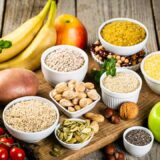
- Favor Whole Foods: Embrace a diet rich in fresh, organic vegetables, fruits, whole grains, legumes, nuts, and seeds.
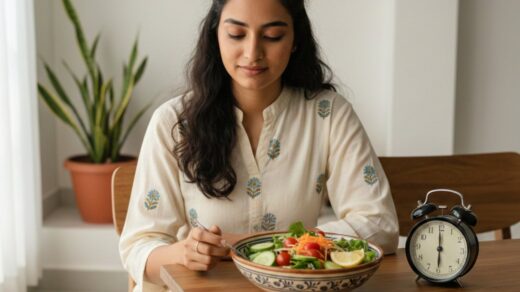
- Prioritize Digestion: Eat your largest meal at lunch when your digestive fire (Agni) is strongest. Eat in a calm, settled environment and chew your food thoroughly.
- Stay Hydrated: Sip warm water throughout the day. This is far more hydrating for the tissues than gulping cold water.
- Avoid Skin Enemies: Dramatically reduce or eliminate processed foods, refined sugars, excessive salt, fried foods, and leftover or fermented foods (which can aggravate Pitta).
Dosha-Specific Dietary Guidance:
For Pitta (Acne, Rosacea, Inflammation): Favor: Cooling, sweet, bitter, and astringent tastes. Sweet fruits (mangoes, grapes, melons), cucumbers, zucchini, leafy greens, coconut, ghee, and cilantro.
- Reduce: Spicy, sour, and salty foods. Tomatoes, chili peppers, citrus fruits, yogurt, alcohol, caffeine, and vinegar.
For Vata (Eczema, Dryness): Favor: Warming, moist, oily, and grounding foods. Cooked vegetables, sweet potatoes, avocados, nuts, seeds, dairy (if tolerated), olive oil, and warm stews.
- Reduce: Dry, cold, and raw foods. Excessive raw salads, crackers, popcorn, and cold drinks.
For Kapha (Oily, Congested Skin): Favor: Light, dry, warm, and spicy foods. Steamed vegetables, apples, berries, legumes, quinoa, and plenty of spices like ginger, black pepper, and turmeric.
- Reduce: Heavy, oily, sweet, and salty foods. Dairy, fried foods, wheat, red meat, and sugary desserts.
Skin-Friendly Ayurvedic Superfoods:
- Turmeric: The ultimate anti-inflammatory and blood-purifying herb. Add to warm milk (“golden milk”), curries, and lentils.
- Neem: A powerful bitter herb that cools Pitta and purifies the blood. Can be taken in capsule form or as a tea.
- Aloe Vera: Deeply cooling and healing for Pitta. Drink fresh juice (from the inner gel only) or apply topically.
- Ghee: Clarified butter that nourishes all tissues, improves digestion, and helps carry the healing properties of herbs deep into the body.
- Amla (Indian Gooseberry): A phenomenal source of Vitamin C and a powerful rejuvenative that supports healthy skin tissue.
Pillar 2: Vihara (Lifestyle & Daily Routine)
A consistent routine is medicine for the nervous system, which directly impacts the skin.
Dinacharya (Daily Routine):
- Wake Early: Rise before sunrise, during the Vata time of day, which is clear and peaceful.
- Oral Care: Scrape your tongue to remove overnight toxins (Ama). Follow with oil pulling (swishing 1 tbsp of coconut or sesame oil in the mouth for 5-20 minutes) to pull toxins and improve oral health.
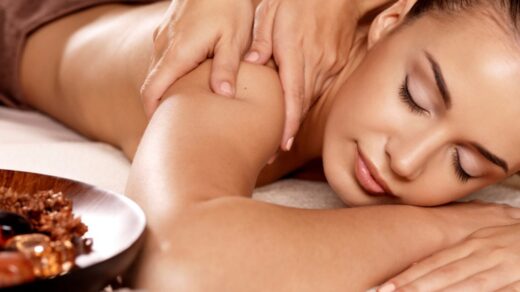
- Abhyanga (Self-Massage): This is non-negotiable for skin health. Massage your entire body with warm, dosha-specific oil (e.g., coconut for Pitta, sesame for Vata, sunflower for Kapha) before showering. This nourishes the skin, calms the nervous system, and moves lymphatic fluid. For Vata skin, this is especially critical to combat dryness.
- Exercise: Engage in mindful movement. For Pitta, avoid overheating; choose swimming, moon salutations, or walking in nature. For Vata, choose grounding yoga poses and gentle flow. For Kapha, choose invigorating exercises like sun salutations, running, or dancing to get energy moving.
Stress Management:
- Pranayama (Breathwork): Sheetali Pranayama (cooling breath) is excellent for Pitta. Nadi Shodhana (alternate nostril breathing) balances all doshas and calms the mind.
- Yoga & Meditation: A regular practice is proven to lower cortisol levels, reduce inflammation, and improve overall well-being, which directly translates to clearer skin.
- Nature Time: Connect with the earth. Walking barefoot on grass, spending time near water, and forest bathing have profound grounding and anti-inflammatory effects.
Pillar 3: Aushadha (Herbal Remedies)
Herbs are used to support the dietary and lifestyle changes, acting from the inside.
Blood Purifiers & Coolants:
These are essential for Pitta conditions.
- Manjistha: Perhaps the premier Ayurvedic herb for skin. It brilliantly cleanses the blood, clears stagnation, and gives a healthy glow.
- Neem: The bitterest herb, it is a potent antibiotic and blood cleanser for heat-related conditions like acne.
- Guduchi (Tinospora Cordifolia): A powerful immunomodulator that enhances the body’s ability to process and eliminate toxins.
Digestive Support:
All skin health begins in the gut.
- Triphala: A blend of three fruits (Amalaki, Bibhitaki, Haritaki). It is not a laxative but a gentle bowel regulator that cleanses the digestive tract, improves absorption, and is rich in antioxidants. It is safe for long-term use.
- Ginger & Black Pepper: Kindles the digestive fire (Agni), ensuring food is properly digested and doesn’t turn into Ama.
Anti-inflammatory & Healing:
- Turmeric: Taken internally and used topically, it is a miracle worker for inflammation.
- Aloe Vera: Soothes internal and external inflammation.
Crucial Note: Always consult with a qualified Ayurvedic practitioner before starting any herbal regimen. They can provide a formula tailored to your unique constitution and imbalance.
Pillar 4: Topical Treatments & Beauty Rituals (Lepa)
These treatments support healing from the outside in, using natural, whole ingredients.
Ubtans (Herbal Face Powders):
These replace commercial cleansers. Mix a pinch of powder with water, milk, or honey to form a paste.
- For Pitta: Sandalwood powder, rose powder, neem powder, and chickpea flour. Soothing and cooling.
- For Vata: A blend of oatmeal, almond meal, and a pinch of turmeric with milk or honey. Nourishing and softening.
- For Kapha: Fuller’s earth (Multani Mitti), neem powder, and a pinch of ginger or turmeric with water. Oil-absorbing and cleansing.
Medicated Oils:
- Coconut Oil: Cooling and antimicrobial. Excellent for Pitta skin types.
- Neem Oil: Powerful for acne-prone skin, but should be diluted with a carrier oil.
- Kumkumadi Tailam: A famed classical oil blend with saffron and other herbs, renowned for brightening, healing scars, and promoting a radiant complexion.
Cooling Compresses: For acute inflammation (sunburn, rosacea flare-up), apply a cloth soaked in cool rose water or sandalwood paste to the face.
Sample Daily Protocol for Pitta-Type Acne/Rosacea
- Upon waking (6:30 AM): Drink a large glass of room-temperature water with a squeeze of lime. Scrape your tongue.
- Morning (7:00 AM): Practice 10 rounds of Sheetali pranayama and 10 minutes of meditation.
- Breakfast (8:00 AM): A bowl of cooked oatmeal or quinoa porridge with a teaspoon of ghee, fresh pomegranate seeds, and a pinch of cardamom.
- Supplements (With Breakfast): Take Triphala and Manjistha as directed by your practitioner.
- Skincare (Post-Shower): Cleanse face with a paste of chickpea flour and rose water. Moisturize with a drop of pure aloe vera gel.
- Lunch (12:30 PM): Your largest meal. A bowl of Kitchari (made with basmati rice, mung dal, turmeric, cumin, coriander, and fennel) with a side of steamed greens and a generous handful of fresh cilantro.
- Mid-Afternoon: Sip on a cooling tea made with fennel, rose, and licorice.
- Dinner (6:30 PM): A light meal, such as steamed vegetables and a small portion of quinoa. Avoid heavy proteins.
- Evening (9:30 PM): Perform a gentle self-massage (Abhyanga) with coconut oil 2-3 times per week before a warm shower.
- Bedtime (10:00 PM): Lights out. Prioritize 7-8 hours of sleep.
Important Considerations & When to Seek Help
Patience and Consistency: Ayurveda is not a quick fix. It is a journey of recalibrating your entire system. It may take 3-6 months of consistent practice to see significant, lasting changes. The healing often happens in layers.
The Importance of Professional Guidance: This article is an educational guide. For chronic, severe, or painful conditions, it is imperative to consult two professionals:
- A conventional dermatologist can get an accurate diagnosis and rule out any serious conditions.
- A qualified Ayurvedic practitioner (Vaidya) who can provide a personalized assessment of your Prakriti and Vikriti and create a tailored treatment plan, including specific herbal formulations.
Integration is Key: Ayurveda and modern medicine are not mutually exclusive. They can work beautifully together. Always keep all your healthcare providers informed about all the treatments you are undertaking.
Ayurveda teaches us that skin issues are not just surface problems but reflections of deeper imbalances within the body and mind. By addressing the root causes through personalized diet, lifestyle, and herbal support, true and lasting skin health becomes possible.




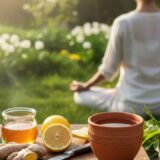



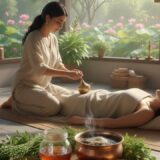






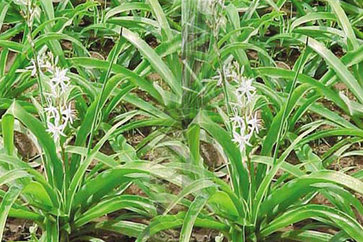





Flaxseed oil, apple cider vinegar, aloe vera, and dead sea salts are some other well-known supplements and natural cure for psoriasis that can be easily available without spending big money.
There are many common issues in skin care that most people are bothered about.
There are a great deal of common skin diseases, ranging from the very mild to the severe, so it’s important to learn about all of them. Being able to recognize a dermatological disorder is the first step towards figuring out the best way to treat the condition.