Karpooradi Choornam: Benefits, Uses, Dosage & Side Effects

Karpooradi Choornam is a traditional Ayurvedic herbal formulation containing aromatic ingredients, especially camphor. It has long been valued for supporting skin health, joint comfort, and respiratory wellness.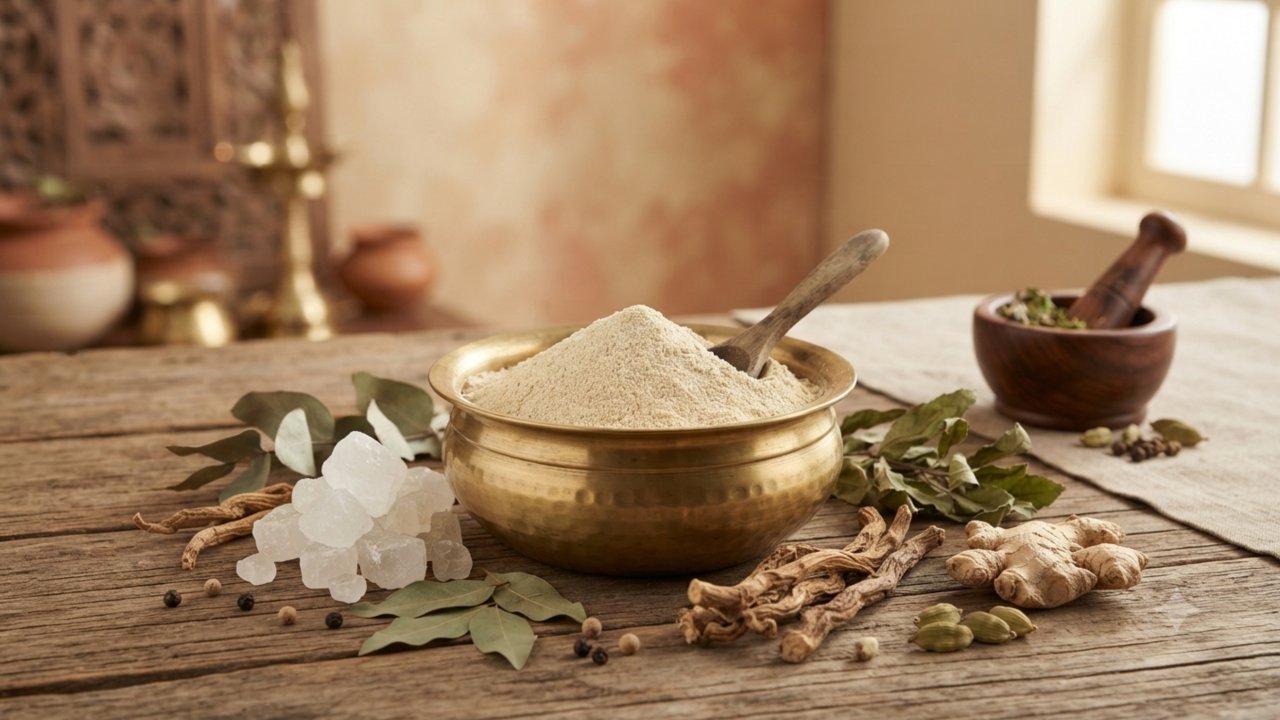 Today, Karpooradi Choornam continues gaining attention as people seek natural wellness solutions. Its traditional Ayurvedic uses include promoting healthy skin, easing muscle discomfort, and supporting comfortable breathing.
This herbal formulation combines carefully selected ingredients that work together to provide warming, cleansing, and soothing effects. When used appropriately, it may help maintain overall physical comfort and wellness.
This guide explains Karpooradi Choornam benefits, ingredients, traditional uses, dosage, proper usage, possible side effects, and important safety precautions. It also discusses preparation methods and Ayurvedic principles behind this formulation.
Whether you are exploring Ayurveda for the first time or seeking reliable information, this article offers a practical, evidence-informed overview to help you understand Karpooradi Choornam safely and confidently.
What Is Karpooradi Choornam?
Karpooradi Choornam is a traditional Ayurvedic herbal powder described in classical texts. The name combines Karpoora (camphor) and Choornam (powder), reflecting its distinctive formulation. It is valued for balancing therapeutic cooling and warming properties.
Although camphor is the key ingredient, Karpooradi Choornam contains several complementary herbs. These ingredients work together to moderate camphor’s potency while enhancing its effectiveness. The combination ensures balanced action and supports targeted healing within the body.
Ayurveda emphasizes synergistic formulations rather than relying on single powerful herbs. Karpooradi Choornam directs its benefits toward specific tissues, known as dhatus, while maintaining harmony. This carefully crafted blend reflects the holistic principles of traditional Ayurvedic medicine.
- Camphor (Cinnamomum camphora): Anti-inflammatory, analgesic, and highly aromatic.
- Clove (Syzygium aromaticum): Antiseptic, helps with toothache and skin infections.
- Black pepper (Piper nigrum): Bioavailability enhancer, boosts digestion.
- Cinnamon bark (Cinnamomum verum): Circulation stimulant, potent anti-fungal.
- Ginger (Zingiber officinale): Kindles digestive fire, anti-nausea.
- And occasionally herbs like Vyushya or Trikatu mixtures, depending on the classical script you follow.
Classic texts like the Sharangdhar Samhita reference Karpooradi Choornam as part of their Kshara Yoga or external application powders for skin disorders and sciatica.
The surprising bit? It’s incredibly versatile. Whether used as a paste for joint rubs, a dusting powder for ringworm, or an inhalation fumigation for sinus congestion.
Karpooradi Choornam offers a broad spectrum of benefits targeting dosha imbalances—mainly pacifying Vata and Kapha, but with mild stimulation to Pitta.
Historical Roots
You’ll find mentions of camphor-based formulations dating back to the 2nd century AD. Our ancestors were onto camphor’s potent aroma and penetrating heat long before modern chemistry could explain it.
They mixed it with warming spices so the blend could penetrate deep tissues (Mamsa and Asthi dhatus), kick out toxins (Ama), and restore Dosha harmony.
Think of it like an Ayurvedic Tiger Balm versus modern chemical balms debate—only more holistic, deeply therapeutic, and tailored to individual body constitutions.
Dosha Action: How It Balances the Body
- Vata (Air + Ether): Vata imbalance causes dryness, coldness, and erratic nerve impulses leading to joint stiffness and pain. The warming, unctuous nature of Karpooradi Choornam (especially when applied with oil) calms these erratic signals.
- Kapha (Water + Earth): Kapha imbalance manifests as excess mucus, dampness, and fungal growth. The warmth and dryness of the powder help melt excess mucus in respiratory passages and dry out weeping skin infections.
- Pitta (Fire + Water): The herbs are mildly stimulating. Because camphor has a cooling post-digestive effect (Vipaka) but a heating initial taste (Rasa), it can aggravate Pitta if overused. Use in moderation if you are Pitta-prone.
Ingredients & Preparation
Alright, want to make your own Karpooradi Choornam at home? Doing it yourself ensures purity, which is vital when dealing with camphor. Here’s a simple, traditional recipe.
Heads up: Sourcing high-quality ingredients matters immensely—especially organic, edible-grade camphor without chemical additives. Some store-bought camphor is synthetic or industrial grade (derived from turpentine) and is not safe for topical, inhalation, or internal use.
Core Ingredients
- Camphor (Kapoor) – 10 g (Must be pure Cinnamomum camphora)
- Clove buds (Lavanga) – 5 g
- Black peppercorns (Maricha) – 5 g
- Cinnamon sticks (Twak) – 10 g
- Dry ginger (Sonth) – 5 g
- Optional: Trikatu mix (1 tsp) or Long Pepper (Pippali) to boost potency.
Step-by-Step Preparation
- Dry Roasting: Dry roast the cinnamon sticks and cloves separately on a low flame until you smell a toasty, volatile-oil-rich aroma. Be incredibly careful not to burn them—spices turn bitter in seconds!
- Cooling & Breaking: Allow the roasted spices to cool completely to room temperature. Break the cinnamon sticks into smaller, manageable pieces.
- Grinding: Grind the camphor crystals, peppercorns, roasted cinnamon, cloves, and dry ginger in a clean stone mortar and pestle or a dedicated electric spice grinder.
- Sifting: Sift the ground powder through a fine mesh sieve to remove coarse bits. Re-grind the coarse bits until you achieve a very fine, talc-like texture. This is crucial for skin application.
- Storage: Store in an airtight glass jar, away from direct sunlight and moisture. A dark amber jar works wonders to preserve the volatile essential oils.
Variations & Tips
- Some practitioners add dried Tulsi (Holy Basil) leaves for extra antimicrobial and antiviral action.
- For a more warming powder tailored for severe Vatic joint pain, toss in 1 tsp of Long Pepper (Pippali).
- Always use glass, ceramic, or clay containers for storage. Plastic can leach chemicals and absorb the strong aroma, reducing the powder’s efficacy.
- If you have highly sensitive skin, test a small patch first or dilute the final choornam with a base powder like pure rice flour or sandalwood powder.
The List of Karpooradi Choornam Benefits
We’ve teased the benefits; now let’s break down exactly how this powerful powder acts on the human body, backed by both Ayurvedic principles and modern understanding of phytochemistry.
1. Musculoskeletal Relief (Joint & Muscle Pain)
This is arguably the most famous of all Karpooradi Choornam benefits. The camphor and black pepper combination creates a profound heating and cooling sensation (counter-irritant effect). This distracts the nervous system from deeper pain signals. Simultaneously, the essential oils penetrate the skin to reduce inflammation in the joints. It is highly effective for:
- Osteoarthritis and Rheumatoid arthritis
- Sciatica (Grdhrasi)
- Muscle sprains and strains
- Post-workout stiffness (great for athletes looking for natural recovery aids)
2. Dermatological Healing (Skin Infections)
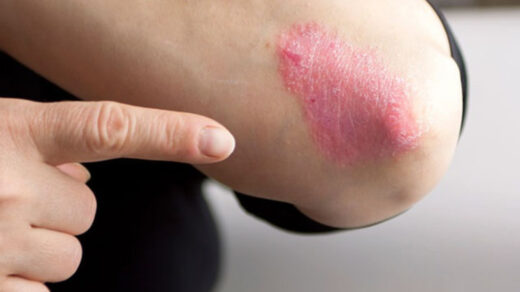
Ayurveda views many skin issues as a manifestation of Kapha dosha imbalance and the presence of “Krimi” (microbes/fungus). The anti-fungal properties of cinnamon and clove, combined with the drying nature of camphor, make this an excellent dusting powder.
- Ringworm (Dadru) & Athlete’s Foot: Dusting it on keeps the area dry and kills the fungal spores.
- Fungal Rashes: My aunt in Kerala had a stubborn, weeping fungal rash under her arm that over-the-counter creams couldn’t fix. She started dusting Karpooradi Choornam twice a day. The camphor dried the weeping, and the cinnamon killed the fungus within a week.
- Itching and Pruritus: The cooling effect of camphor instantly soothes nerve-endings that trigger itchiness.
3. Respiratory Relief
When Kapha accumulates in the respiratory tract, it causes congestion, cough, and bronchitis. Karpooradi Choornam acts as an excellent Shwasahara (anti-asthmatic) and Kapha-vitiating agent.
- Nasal Congestion: Used in steam inhalation (Dhuma), it opens up blocked sinuses instantly.
- Bronchitis & Cough: The volatile oils act as natural expectorants, helping to loosen and expel sticky mucus.
4. Detoxification & Circulation
When used as an Abhyanga (Ayurvedic massage) paste, the powder stimulates peripheral blood flow. This enhanced circulation helps push stagnant lymph fluid, aiding the body’s natural detoxification process. It also helps remove “Ama” (toxic buildup) from the tissues.
5. Oral Health
Because of its high concentration of clove (which contains eugenol, a natural anesthetic) and antiseptic camphor, a weak solution of this powder acts as a powerful mouthwash. It is traditionally used for:
- Toothaches
- Bleeding or swollen gums (Gingivitis)
- Bad breath (Halitosis) caused by oral bacteria.
Dosage Guidelines: Finding Your Right Amount
In Ayurveda, there is no “one size fits all” dosage. Dosage depends on your Prakriti (body constitution), the severity of the condition, and whether you are using it internally or externally.
Note on Internal Use: Internal oral use of camphor powders can be highly risky if sourcing is uncertain. Synthetic camphor is toxic. Always consult a qualified Ayurvedic practitioner before ingesting Karpooradi Choornam.
Traditional texts sometimes mention an internal dose of 50 mg to 125 mg (about a large pinch) mixed with honey for specific respiratory or digestive issues, but this is strictly dependent on the raw herb’s strength and purity.
External Dosage Guidelines (Safe for Home Use)
- Topical Paste (Lepa): Mix 1–2 teaspoons of powder with warm water, or preferably warm sesame oil/coconut oil, to make a thick paste. Apply to the target area (joints, muscles) 1–2 times daily. Leave on for 30 minutes before washing off.
- Powder Dusting (Pradeha): For fungal infections or weeping rashes, dust a thin, even layer of the dry powder directly onto the cleaned, dried skin 2–3 times a day.
- Steam Inhalation (Dhuma Prayoga): Add 1 teaspoon of Karpooradi Choornam to a pot of boiling water. Turn off the heat, lean over the pot, and cover your head with a towel. Inhale deeply for 5–7 minutes.
- Oral Rinse (Gandusha): Dissolve ¼ teaspoon in 50 ml of warm water. Swish vigorously around the mouth for 1-2 minutes, focusing on the painful tooth or inflamed gums, and spit it out. Do not swallow.
How To Use Karpooradi Choornam Effectively
Using Karpooradi Choornam the right way ensures safety and maximizes the therapeutic benefits. Here are the best practices based on traditional Ayurvedic protocols:
1. For Joint Pain & Sciatica (The Massage Method)
Choose your carrier oil based on your dosha.
- For Vata pain (stiffness, cracking joints): Use warm Sesame Oil.
- For Kapha pain (swollen, stiff, cold joints): Use Mustard Oil.
- For Pitta pain (burning, inflamed joints): Use Coconut Oil. Mix the choornam with the oil to make a smooth paste. Apply it using circular strokes. Start with light pressure to let the skin acclimatize to the camphor, then use deeper pressure to knead the muscles. Cover the area with a warm towel afterward to lock in the heat.
2. For Fungal Infections & Rashes (The Dusting Method)
Wash the affected area with plain water or a neem wash and dry it completely. Fungi thrive in moisture. Using a clean cotton puff, dust the Karpooradi Choornam over the area. Make sure to dust slightly beyond the visible borders of the rash, as fungus spreads invisibly.
3. For Sinus Congestion (The Steam Method)
Boil a liter of water. Remove it from the stove. Add the choornam. Sit at a comfortable distance—don’t get so close that the steam burns your face. Close your eyes tightly (camphor vapor severely irritates the eyes) and inhale through the nose, exhale through the mouth.
4. Patch Testing is Mandatory
Especially if you have sensitive, dry, or eczema-prone skin, always do a 24-hour patch test on your inner forearm before applying it to a painful or infected area.
Side Effects, Precautions, and Contraindications
Nature is powerful, and potent herbs demand respect. While Karpooradi Choornam is generally safe when used correctly, misuse can lead to side effects.
Potential Side Effects
- Allergic Reactions / Contact Dermatitis: Some people are sensitive to clove, cinnamon, or camphor. If you experience a sudden rash, redness, or intense burning (beyond the normal spicy-warm sensation), wash it off immediately with cool water and avoid further use.
- Skin Sensitization & Dryness: Because the powder is designed to draw out moisture (for fungal issues), long-term continuous use without breaks can dry out healthy skin, leading to peeling or cracking. Always moisturize with a natural oil after washing off the paste.
- Mucosal Irritation: Getting the powder or its strong vapors directly into the eyes can cause severe irritation, redness, and tearing.
- Internal Toxicity: Camphor is toxic in high doses. Ingesting even small amounts of synthetic camphor can cause nausea, vomiting, dizziness, confusion, and in severe cases, seizures or liver damage. Never ingest Karpooradi Choornam unless it has been prepared and prescribed by a qualified Ayurvedic doctor.
Who Should Avoid It? (Contraindications)
- Pregnant & Breastfeeding Women: The warming and stimulating nature of the herbs (like camphor and cinnamon) can potentially cause uterine contractions. It is strictly contraindicated for internal use during pregnancy and should be used topically only under medical supervision.
- Infants and Young Children: Children have thinner skin and higher sensitivity to essential oils. Keep this powder out of their reach. Do not use on children under the age of 5 without a pediatric Ayurvedic consult.
- People with Broken Skin: Do not apply the paste to open wounds, bleeding cuts, or severely abraded skin. It will sting agonizingly and may delay healing.
- Pitta-Dominant Individuals: If you have a Pitta constitution (prone to burning sensations, redness, hives, anger, and acid reflux), use this sparingly. The heating nature of the spices can aggravate your dosha.
Integrating Karpooradi Choornam into Modern Life
In our modern world, where we are bombarded by chemical-laden topical creams, synthetic painkillers with gastrointestinal side effects, and antibiotic resistance, returning to formulations like Karpooradi Choornam is a breath of fresh air—literally and figuratively.
It represents the Ayurvedic principle of Sarvaushadha Moolam Anna (food/herbs as the root of all healing) and the concept of treating the localized issue while supporting the body’s overall metabolic fire (Agni).
By keeping a jar of this choornam in your bathroom cabinet, you have a multi-tool: a joint pain reliever, an anti-fungal powder, a decongestant, and an oral rinse all rolled into one.
However, always remember that Ayurveda is not a band-aid solution. If you are using Karpooradi Choornam for chronic sciatica, it is pulling out Ama (toxins) from your tissues.
You must support that process by drinking plenty of warm water, eating easily digestible foods (like mung dal soup and cooked vegetables), and avoiding heavy, cold, or processed foods that create more Ama in the first place.
Karpooradi Choornam is a time-honored Ayurvedic formulation valued for supporting joint, muscle, and nerve health through its synergistic herbal blend. For the best results, it should be used under the guidance of a qualified Ayurvedic practitioner and complemented with a healthy lifestyle.
References & Further Reading
To dive deeper into the science and classical backing of Karpooradi Choornam, you can refer to the following texts and research areas:
Classical Ayurvedic Texts:
1. Sharangadhara Samhita
- English translation (Internet Archive): https://archive.org/details/sharangadhara-samhita-english
- Sanskrit text (Digital Library of India): https://archive.org/search.php?query=Sharangadhara%20Samhita
2. Bhavaprakasha Nighantu (Bhavaprakasha)
- English translation (Internet Archive): https://archive.org/search.php?query=Bhavaprakasha%20Nighantu
- Sanskrit text (GRETIL): https://gretil.sub.uni-goettingen.de/
3. Ashtanga Hridayam
- English translation (Internet Archive): https://archive.org/search.php?query=Ashtanga%20Hridayam
- Sanskrit text (GRETIL): https://gretil.sub.uni-goettingen.de/
Modern Scientific & Pharmacological Research:
- Management of Lumbar Radiculopathy with Ayurveda: A Single Case Study (SAGE Journals) – discusses the use of Ayurvedic therapies, including Karpooradi Taila, alongside rehabilitative treatments for lumbar radiculopathy.
SAGE Journals – Management of Lumbar Radiculopathy with Ayurveda - Integration of Ayurveda and Physiotherapy in the Management of Sciatica: A Case Report – reports improved outcomes when Ayurvedic treatment was combined with physiotherapy.
Journal of Ayurveda and Integrated Medical Sciences – Sciatica Case Report - International Journal of Ayurveda and Pharma Research – Acute Sciatica with Paraesthesia – describes a treatment protocol combining Ayurvedic medicines, therapies, and passive exercise for sciatica management.
International Journal of Ayurveda and Pharma Research – Acute Sciatica Case Study
Disclaimer: This article is for educational purposes only and is not a substitute for professional medical advice. Always consult a qualified healthcare provider or Ayurvedic practitioner before starting any new herbal treatment, especially if you have underlying health conditions or are pregnant.