Methi Dana in English: Why Fenugreek Seed Water is the Best

Fenugreek, commonly known as Methi, is referred to as “Methika” in classical Ayurvedic texts. It is categorized under Ushna (heating) potency and is known for its Tikta (bitter) and Katu (pungent) tastes—qualities that contribute to its therapeutic effects.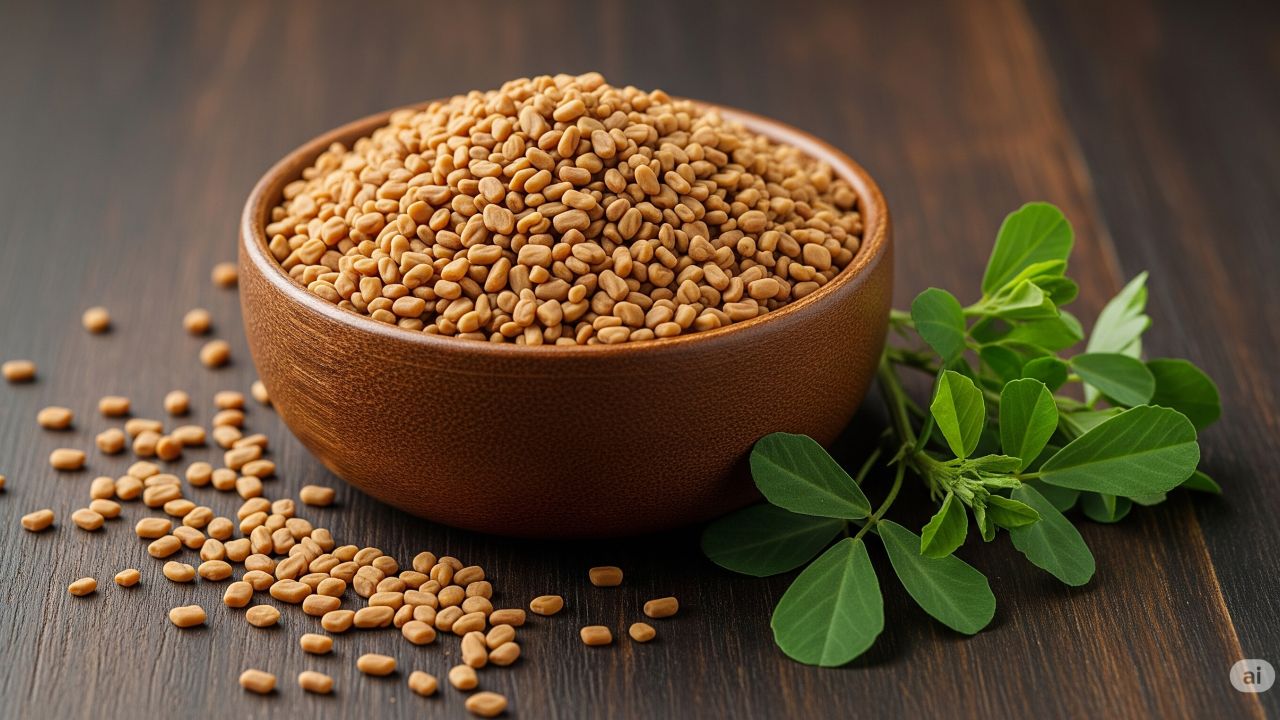 According to Ayurveda, Methika plays a significant role in balancing the Vata and Kapha doshas, while it may slightly aggravate Pitta due to its heating nature. Traditionally, Methi water has been highly valued for its ability to stimulate Agni (digestive fire), support Shodhana (internal cleansing), and enhance Ojas (vitality and immunity).
It is also known to aid in Ama pachana (digestion of toxins), thus supporting metabolic clarity. Furthermore, its deepana (appetizer) and balya (strength-promoting) qualities make it a staple in Ayurvedic home remedies.
Ayurvedic Nutritional and Energetic Profile
Fenugreek (Methika) is described in Ayurveda through a detailed lens of taste, potency, post-digestive effect, and inherent qualities:
- Rasa (Taste): Katu (pungent), Tikta (bitter)
- Virya (Potency): Ushna (hot)
- Vipaka (Post-digestive Taste): Katu (pungent)
- Guna (Qualities): Laghu (light), Snigdha (unctuous)
This unique combination of attributes makes Methika especially effective as a Deepana (appetizer) and Pachana (digestive) agent. Its warm and light nature helps kindle the digestive fire (Agni), clear Ama (toxins), and support overall metabolic health.
Nutritional Profile
Fenugreek seeds are a powerhouse of nutrients, offering both macronutrients and bioactive compounds that contribute to their wide-ranging health benefits.
Macronutrients (per 100g seeds):
- Protein: ~23 g
- Dietary Fiber: ~25 g (mostly insoluble)
- Carbohydrates: ~58 g
- Fats: ~6 g (rich in healthy unsaturated fats)
Vitamins:
- Vitamin B6 (Pyridoxine)
- Folate (B9)
- Vitamin C
- Vitamin A (in the form of beta-carotene)
Minerals:
- Iron – important for hemoglobin synthesis
- Magnesium – supports nerve and muscle function
- Manganese – involved in metabolism and antioxidant defense
- Calcium, Zinc, and Phosphorus
Bioactive Compounds:
- Saponins – known for cholesterol-lowering effects
- Alkaloids (e.g., trigonelline) – with antidiabetic potential
- Galactomannan – a soluble fiber that aids blood sugar control and satiety
- Flavonoids and polyphenols – provide antioxidant and anti-inflammatory support
These components contribute to fenugreek’s well-documented antidiabetic, hypocholesterolemic, antioxidant, and anti-inflammatory effects, making it a valuable functional food in modern dietary therapy.
How to Identify Fenugreek Plants (Trigonella foenum-graecum)
Fenugreek is an annual herb belonging to the Fabaceae (legume) family, easily identifiable by its distinctive features:
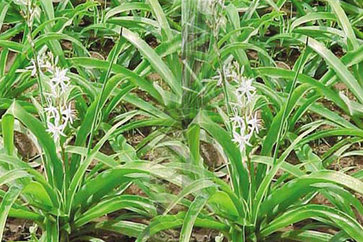
- Leaves: Fenugreek has trifoliate (three-parted) green leaves, resembling clover. Each leaflet is oval-shaped, slightly toothed, and about 2–2.5 cm long. The leaves are often soft to touch and emit a mild, characteristic aroma.
- Stem: The stems are green, erect or sometimes slightly trailing, and branched, usually growing up to 1–2 feet (30–60 cm) in height.
- Flowers: Small, pale yellowish-white flowers bloom singly or in pairs. They are typically butterfly-shaped, a characteristic of leguminous plants.
- Seeds: The plant produces slender pods, each containing 10–20 small, hard, yellowish-brown seeds. These seeds are angular and strongly aromatic, with a bitter taste.
- Aroma: The seeds and crushed leaves have a distinct, maple-syrup-like smell due to a compound called sotolon, which is a key identifying feature.
- Habitat: Fenugreek is commonly grown in well-drained soils, especially in sunny locations, and is often cultivated in home gardens, farms, and herb gardens across India, the Mediterranean, and the Middle East.
Common Names of Fenugreek (Methi)
In Indian Languages:
Fenugreek is widely used across India, and its name varies by region and language:
- Telugu: Menthulu
- Malayalam: Uluva / Venthiam
- Kannada: Menthe / Menthya
- Hindi: Methi Dana
- Bengali: Methi
- Gujarati: Methi
- Konkani: Methi
- Marathi: Methi Dane / Methi
- Oriya (Odia): Methi
- Punjabi: Meth / Methi
- Tulu: Menthae
- Kashmiri: Meeth
- Urdu: Methe
- Nepali: Methi
Common Names Around the World:
Fenugreek is known by various names globally, reflecting its traditional use in diverse cultures:
- Arabic: Hulba, Hilbeh
- English: Fenugreek Seeds
- Bulgarian: Sminduh, Sminduh grutski, Tilchets, Chimen
- Burmese: Penantazi
- Chinese (Cantonese): Wuh louh ba
- Chinese (Mandarin): Hu lu ba
- Danish: Bukkehornskløver, Bukkehornsfrø
- Dutch: Fenegriek
- Egyptian (Ancient): Hemayt (Nunn, 1996)
- Esperanto: Fenugreko
- Farsi (Persian): Shanbalile
- Finnish: Sarviapila
- French: Fenugrec, Sénegré, Trigonelle
- German: Bockshornklee, Griechisch Heu
- Greek (Old): Telis
- Hebrew: Hilbeh
- Indonesian: Kelabet, Klabat, Kelabat
- Italian: Fieno greco
- Japanese: Koruha, Fenu-guriku
- Korean: Horopa, Penigurik
- Polish: Kozieradka pospolita, Nasiona kozieradki
- Portuguese: Feno-grego, Alfarva, Alforba, Fenacho
- Romanian: Molotru, Molotru comun, Schinduf
- Russian: Pazhitnik grecheski, Shambala, Pazhitnik cennoj
- Spanish: Alholva, Fenogreco
- Swahili: Uwatu
- Swedish: Bockhornsklöver
- Thai: Luk sat
- Ukrainian: Hunba sinna
Ayurvedic View in Classical References
Fenugreek, known as Methika in Ayurveda, has been recognized for its medicinal properties for thousands of years. It is documented in classical texts such as the Bhavaprakasha Nighantu, Charaka Samhita, and Sushruta Samhita, where its uses span a wide range of therapeutic applications—from digestive support to wound healing.
According to Ayurveda, Methika is employed in two rich traditions of healing:
1. Father Lineage (Paternal Tradition)
Rooted in the shastra (scriptures), this tradition is practiced by trained Vaidyas and relies on authoritative Ayurvedic texts and clinical formulations.
For example, Bhavaprakasha Nighantu lists Methika under Shimbi dhanya varga (pulses), attributing to it qualities like deepana (appetizer), pachana (digestive), and shothahara (anti-inflammatory).
2. Mother Lineage (Maternal Tradition)
Passed down orally through generations by mothers and grandmothers, this tradition uses Methika in home remedies and cooking—often to balance doshas, ease digestion, and promote vitality.
The use of Methi laddoos or methi-infused teas during postpartum care or winter seasons reflects this tradition.
These two traditions coexist throughout India, particularly in rural areas where Ayurvedic practices are still embedded in daily life.
Methika is one of the few herbs revered in both lineages, making it deeply rooted in both formal and folk traditions of healing.
Therapeutic Applications of Fenugreek (Methi)
As per Ayurvedic classical and folk wisdom, Methi is advised in the following conditions:
Internally:
- Shwasa (Asthma)
- Medoroga (Hyperlipidemia/High cholesterol)
- Prameha (Diabetes) – mentioned in Charaka Samhita
- Jwara (Fevers)
- Agnimandya (Low digestive fire)
- Klaibya (Impotence)
- Arbuda (Tumors/Cancers) – supported in later commentaries
Externally:
- Shotha (Swelling/Edema)
- Dagdha (Burns) – Methika paste is used for wound healing
- Stanashotha (Mastitis) – warm poultices of methi are traditionally applied to relieve inflammation
Seasonal & Rejuvenative Use:
In the Hemanta and Shishira Ritus (early and late winter seasons), methi is often consumed in the form of methi laddoos, tea, or soaked water to enhance ojas (vitality), support immune function, and protect the heart, brain, and liver. This aligns with its ushna virya (heating potency), making it especially beneficial in colder months.
Ayurvedic Benefits of Fenugreek Seeds Water
Fenugreek has a broad spectrum of therapeutic applications rooted in Ayurveda and supported by modern research. Its unique combination of bitter and pungent tastes, heating potency, and unctuous quality makes it effective in treating various ailments.
1. Digestive Disorders:
Methika stimulates Agni (digestive fire), helping with Agnimandya (poor digestion), Ama (toxins), and Kapha accumulation in the digestive tract. It is used to alleviate indigestion, bloating, and constipation.
- Its laghu (light) and snigdha (unctuous) qualities help balance Vata and Kapha, promoting smooth bowel movements and overall digestive harmony. Regular use enhances Jatharagni (digestive metabolic function), which is foundational for health.
2. Respiratory Conditions:
Traditionally used in managing Shwasa (asthma) and Kasa (cough), methi helps reduce mucus and inflammation in the respiratory tract due to its ushna (heating) and katu (pungent) properties.
- Its kaphahara (Kapha-reducing) effect clears respiratory channels, while its balya (strengthening) property supports lung tissue and boosts Ojas (vitality), strengthening overall respiratory resilience.
3. Metabolic Health:
Methi is renowned for balancing Medo dhatu (fat tissue) and controlling Medoroga (obesity and hyperlipidemia). It is commonly prescribed for Prameha (diabetes mellitus) due to its ability to regulate blood sugar levels.
- The seeds’ deepana and pachana effects stimulate metabolism and toxin clearance, aiding in the correction of metabolic dysfunction, while enhancing Rakta dhatu (blood tissue) quality for systemic health.
4. Reproductive Health:
Used as a Vajikarana (aphrodisiac), methi supports male fertility and sexual health. It is also utilized to alleviate symptoms related to impotence and hormonal imbalances.
- Its brimhana (nourishing) and balya properties strengthen reproductive tissues and help restore hormonal balance, promoting vitality and reproductive vigor in both men and women.
5. Inflammation and Wound Healing:
The shothahara (anti-inflammatory) and vrana ropaka (wound healing) properties of methi are applied topically in swelling, burns, abscesses, and mastitis.
- Methika’s kledahara (moisture absorbing) and shita virya (cooling) effects soothe inflamed tissues and prevent infection, accelerating tissue repair and reducing pain and redness.
6. Fever and Immunity:
Its deepana (appetizer) and rasayana (rejuvenative) effects help enhance immunity, making it useful in febrile conditions and seasonal wellness.
- Regular consumption strengthens Ojas, the essence of immunity, while balancing Vata and Kapha doshas, helping the body adapt to seasonal changes and resist infections.
Modern Therapeutic Uses of Fenugreek seeds
1. Blood Sugar Regulation:
Fenugreek seeds contain soluble fiber (galactomannan) and compounds like trigonelline, which improve insulin sensitivity and lower blood glucose, beneficial for type 2 diabetes management.
This modern understanding aligns with Ayurveda’s recognition of methi as a Prameha hara (antidiabetic) herb that balances metabolic toxins and supports pancreatic function.
2. Cholesterol and Heart Health:
Saponins and fiber in fenugreek help reduce LDL cholesterol and triglycerides, supporting cardiovascular health.
Ayurvedic texts describe methi as a Hridya (cardio-protective) herb that strengthens the heart and improves circulation by balancing Rakta (blood) and Meda (fat) tissues.
3. Lactation Aid:
Fenugreek is commonly used as a galactagogue to promote milk production in breastfeeding mothers. Ayurveda recognizes methi as Stanyashodhaka (milk enhancing), improving the quality and quantity of breast milk while nourishing the mother’s Rasa (plasma) and Ojas (vitality).
4. Anti-inflammatory and Antioxidant Effects:
Flavonoids and polyphenols in fenugreek exhibit antioxidant activity, helping reduce oxidative stress and inflammation.
Its shothahara and kapha-vata balancing actions in Ayurveda complement these properties, making it valuable in chronic inflammatory and degenerative conditions.
5. Weight Management:
The high fiber content promotes satiety, reducing appetite and assisting in weight control. Ayurveda uses methi’s laghu and deepana qualities to enhance metabolism and correct digestive sluggishness, thereby supporting healthy weight management.
How to Prepare Methi Water
Ingredients:
- 1 tablespoon fenugreek seeds (methi dana)
- 1 cup (250 ml) of water
Method:
Soak the Seeds:
- Rinse 1 tablespoon of fenugreek seeds thoroughly to remove any dust or impurities.
- Soak the seeds in 1 cup of clean water overnight (8–12 hours). This allows the seeds to swell and release their beneficial compounds into the water.
Strain and Consume:
- In the morning, strain the soaked seeds and drink the fenugreek-infused water on an empty stomach.
- You can chew the soaked seeds if desired, as they are soft and easier to digest.
Optional Enhancements:
- Add a few drops of lemon juice or a pinch of rock salt to enhance flavor and digestive benefits.
- Warm the water slightly if preferred, but avoid boiling to preserve medicinal qualities.
Benefits of Methi Water
- Stimulates Agni (digestive fire) and helps reduce Ama (toxins).
- Balances Vata and Kapha doshas and mildly pacifies Pitta.
- Supports blood sugar regulation and metabolism.
- Promotes healthy skin and detoxification.
- Enhances Ojas (vitality) and immunity.
Tips and Precautions
- Drink methi water early in the morning for best results.
- Avoid if you have low blood sugar or are pregnant without consulting a healthcare professional.
- Start with smaller amounts if you are new to methi to avoid digestive discomfort.
Ayurvedic Preparation Methods of Methi Water
1. Soaking Method (Sheetapaka)
- Soak 1 teaspoon of fenugreek seeds in a copper or earthenware pot filled with water overnight (8–12 hours).
- Drink the strained water the next morning on an empty stomach for optimal Agni (digestive fire) stimulation and detoxification.
- This method preserves the cooling (sheetala) and nourishing qualities of methi, making it suitable for all doshas, especially in warmer seasons.
2. Boiling Method (Kwatha)
- Boil 1 teaspoon of fenugreek seeds in 1.5 cups of water until the volume reduces to about 1 cup.
- Strain and consume the warm decoction.
- This method enhances the ushna (heating) potency of methi and is especially beneficial for balancing Kapha and Vata doshas during cold or damp seasons.
3. With Honey or Lemon (Optional Additions)
- After the water has cooled slightly (to preserve the medicinal qualities), add a few drops of lemon juice or a teaspoon of honey.
- These additions enhance the rasayana (rejuvenative) effects and improve taste.
- Lemon adds digestive sharpness, while honey soothes and nourishes, making the drink more suitable for Vata disorders.
Best Time to Drink Methi Water
- Morning on an Empty Stomach: Drink methi water first thing after waking up, ideally 20–30 minutes before breakfast. This helps activate agni (digestive fire), flush out toxins, and improve metabolism throughout the day.
- Avoid Drinking at Night: Methi water’s heating (ushna) nature can stimulate digestion and metabolism, which may interfere with restful sleep if consumed too late.
- Consistency is Key: For therapeutic effects like blood sugar control or digestion improvement, consume daily for at least 3–4 weeks.
- With Warm Water: If preferred, drink methi water slightly warm (not hot) to enhance its deepana (appetizer) and pachana (digestive) properties.
- Before Physical Activity: Drinking methi water 30 minutes before exercise can provide energy and support metabolism.
Precautions in Ayurveda
- Pitta-Dominant Individuals: Since fenugreek has a heating (ushna) potency, those with a predominant Pitta constitution should use it cautiously, especially during the hot summer months, to avoid aggravation of Pitta symptoms like acidity, inflammation, or irritability.
- Pregnancy: Fenugreek is generally not recommended during pregnancy unless specifically prescribed by a qualified Ayurvedic practitioner, as it may stimulate uterine contractions or cause complications.
- Moderation is Key: Excessive consumption can lead to symptoms of internal heat, such as burning sensations, loose stools, or dryness in the body. It is best to start with small amounts and observe individual tolerance.
- Consultation: Always consult an experienced Ayurvedic doctor before starting methi water, especially if you have pre-existing conditions like low blood sugar, bleeding disorders, or allergies.
FAQ’s
Q1: How does fenugreek water align with classical Ayurvedic principles?
A: Fenugreek (Methika) water balances Vata and Kapha doshas, mildly aggravates Pitta, stimulates Agni, enhances Ojas, and supports Shodhana (cleansing).
Q2: What are the preferred preparation methods and their clinical indications?
A: The Sheetapaka (soaking) method preserves cooling properties, ideal for Pitta conditions; the Kwatha (boiling) method enhances heating potency, suitable for Kapha-Vata disorders, especially in colder seasons.
Q3: Which patient profiles require caution or contraindication?
A: Caution is advised for Pitta-dominant individuals during hot seasons and pregnant women. Excess dosing may cause Jwara (fever), Atisara (loose stools), and dryness.
Q4: How can methi water be integrated with other herbal formulas?
A: It synergizes well with digestive herbs like Trikatu and Triphala for enhanced Deepana-Pachana, and with Guduchi or Ashwagandha for immunity and rejuvenation.
Q5: What clinical conditions respond well to methi water therapy?
A: Effective in managing Prameha (diabetes), Shwasa (respiratory ailments), Medoroga (lipid disorders), Vata-Kapha digestive disturbances, and wound healing.
Q6: Recommended dosing guidelines?
A: Typically, 50-100 ml of methi water on an empty stomach, once daily; adjust according to patient constitution, season, and condition severity.
Q7: How does fenugreek water influence Agni and Ama according to Ayurvedic physiology?
A: Fenugreek water acts as a Deepana (appetizer) and Pachana (digestive) agent, stimulating Agni and facilitating the digestion of Ama (toxins), thereby improving overall metabolic function.
Q8: Can fenugreek water be used in pediatric or geriatric Ayurvedic care?
A: Yes, but with modifications. In children and the elderly, doses should be reduced and preparation adjusted (e.g., soaked seeds rather than boiled decoction) to avoid overstimulation of Agni and prevent dryness.
Q9: What are the energetics (Guna) of fenugreek, and how do they affect its therapeutic action?
A: Fenugreek is Laghu (light) and Snigdha (unctuous), which helps lubricate and balance Vata, while its pungent and bitter tastes contribute to its Deepana and Shodhana effects.
Q10: How to counsel patients on seasonal use of methi water?
A: Encourage increased use during Kapha-aggravating seasons (late winter, early spring) for detox and metabolism, while advising moderation or cooling preparations during summer to prevent Pitta aggravation.
Fenugreek seed water is a traditional Ayurvedic tonic known to support healing and balance. When consumed in alignment with one’s prakriti (individual constitution) and the season, it helps enhance vitality and promote overall well-being.